A clinical practice guide to Using Metronidazole for Flowerhorn: Dose & Method tailored to Flowerhorn (cichlid hybrid): morphological standards, step-by-step protocol (1–2–3–4–5), quantitative quarantine parameters, and biosecurity safeguards.
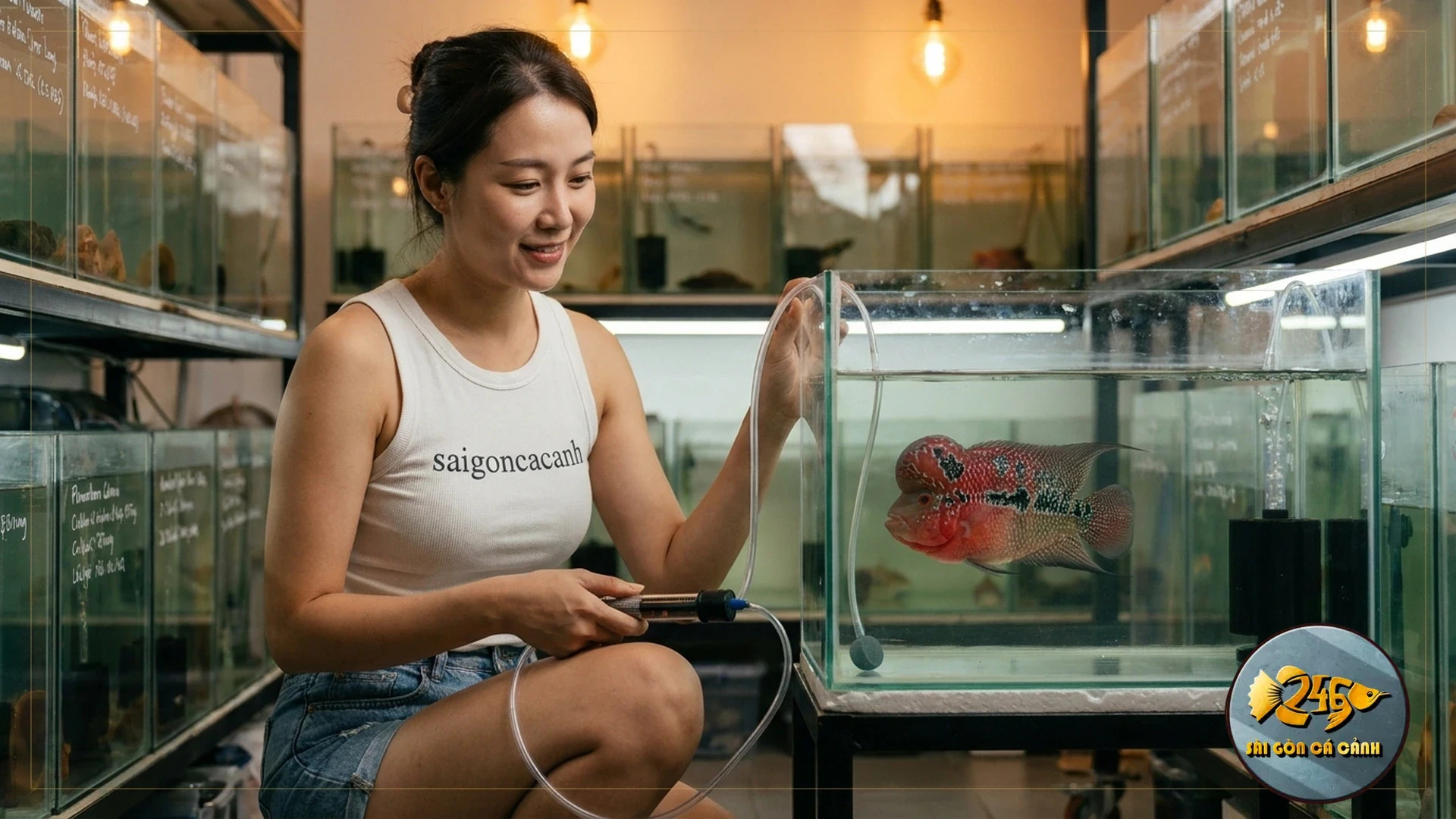
1. Clinical Purpose & Scientific Basis: Using Metronidazole for Flowerhorn
Medicines and herbal remedies need advice from a vet or doctor for the right product and dose.
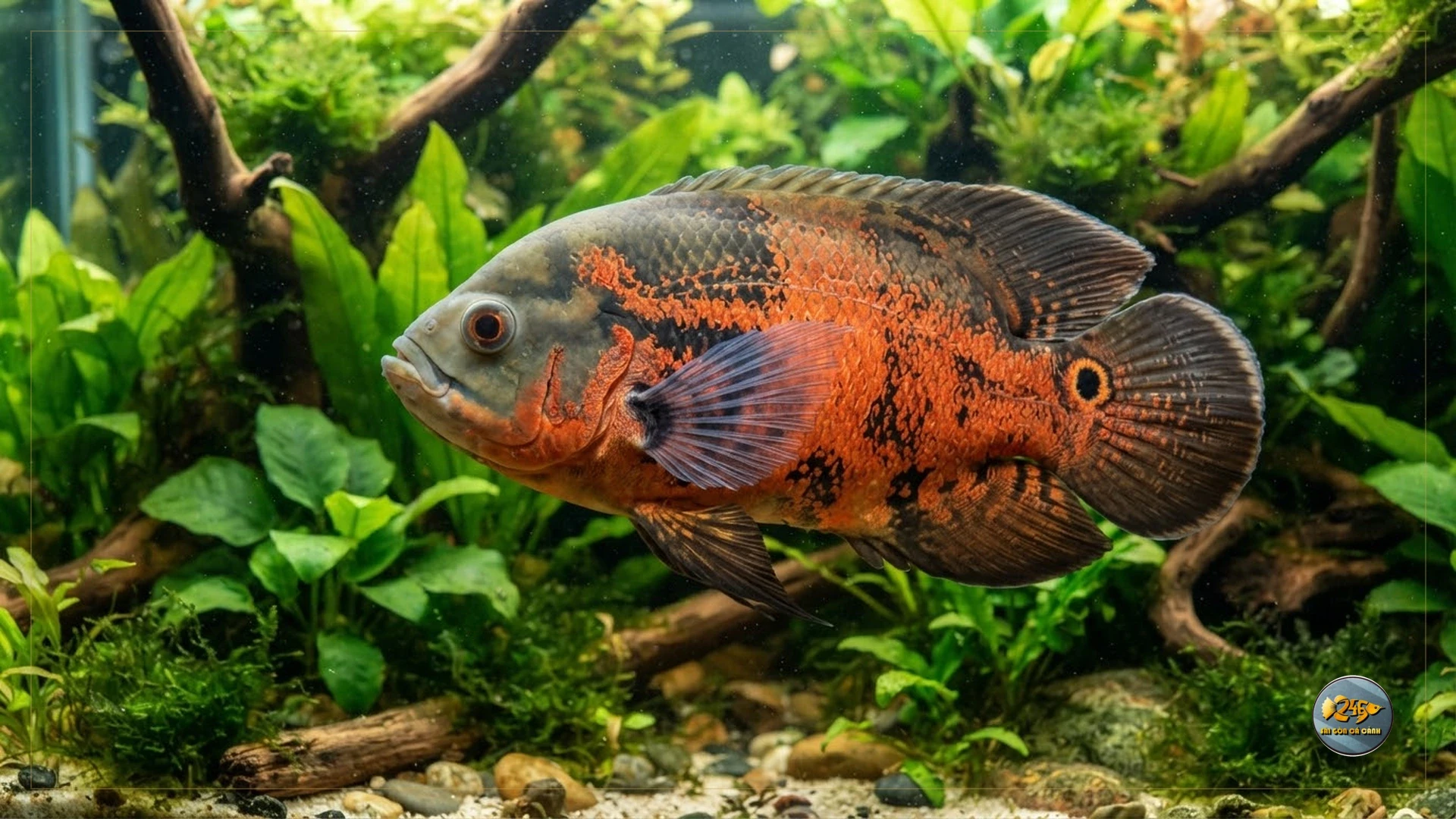
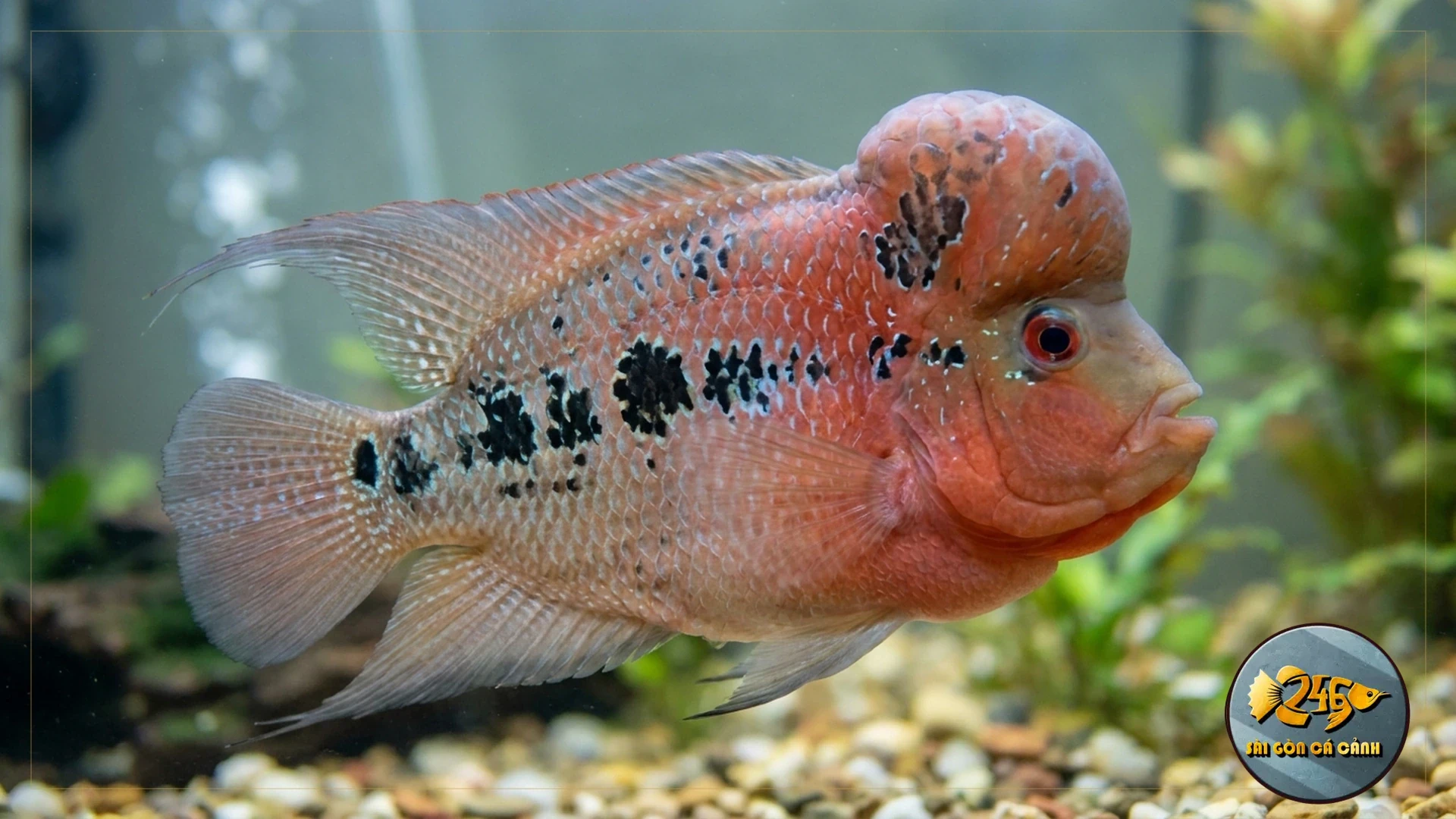
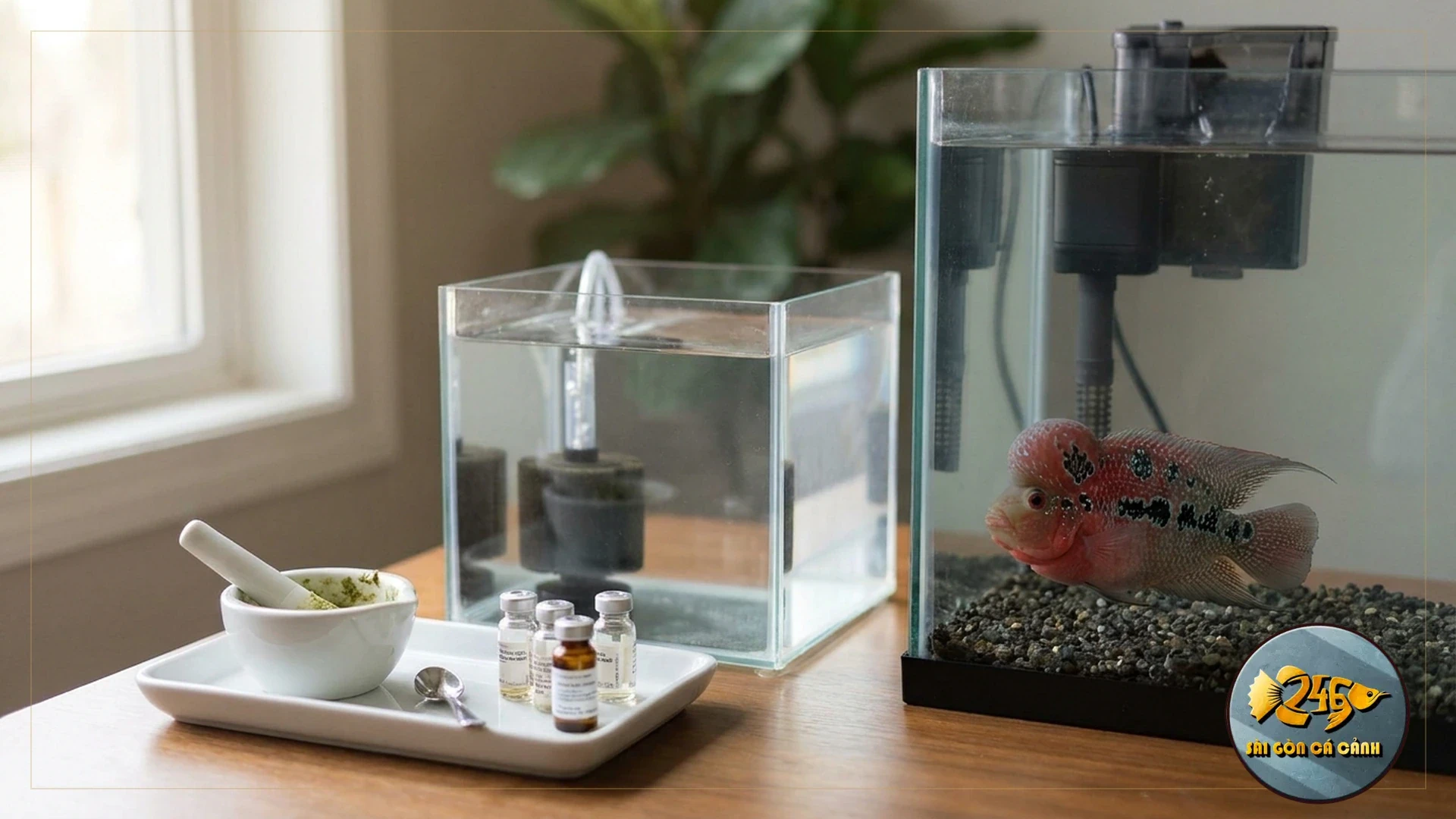
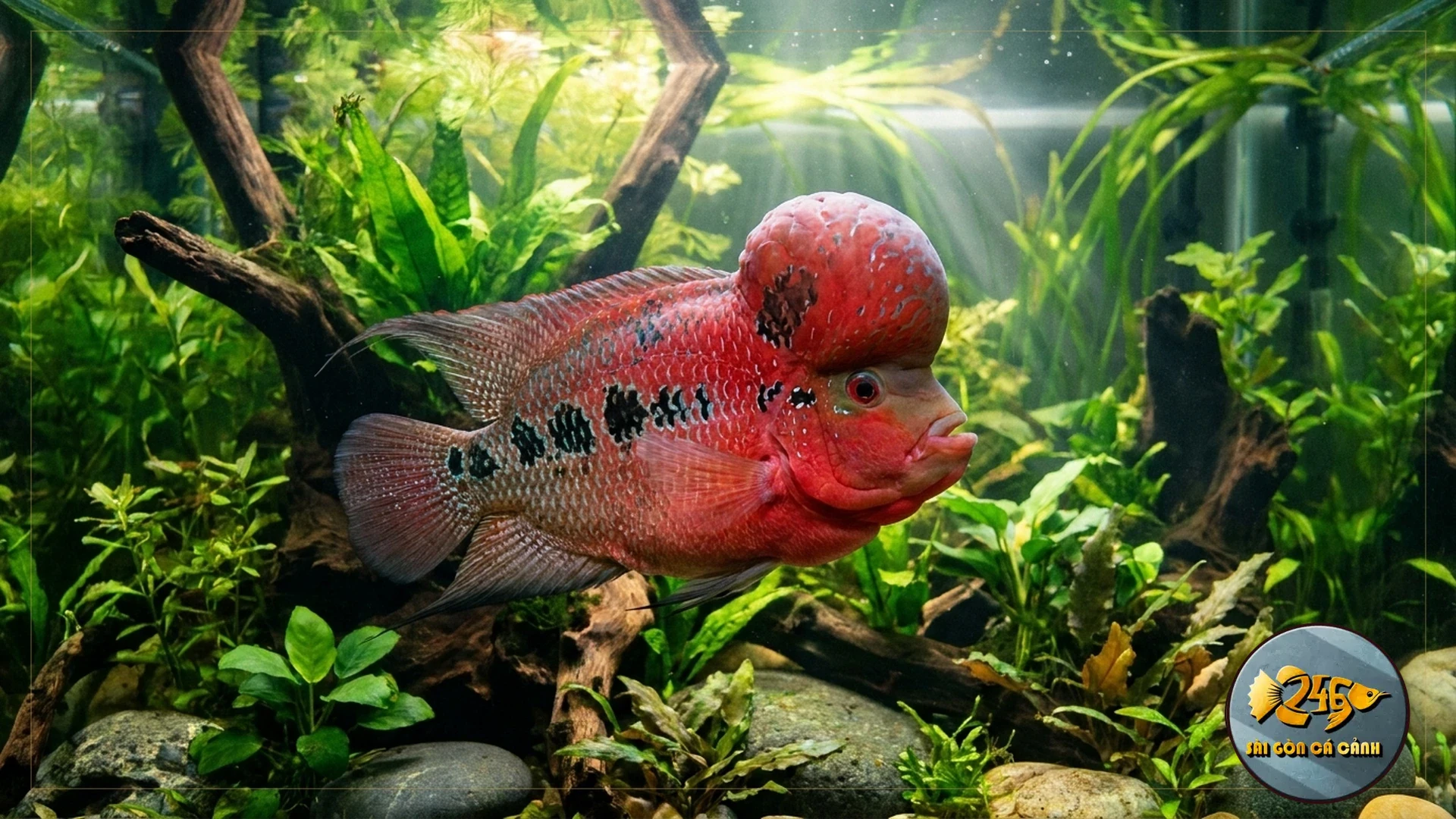
Species conformation and physiological notes for Flowerhorn: Full, firm, symmetrical nuchal hump (kok) proportioned to a deep boxy body, bold black flower markings, vivid red chest coloration, and a strong fan-like caudal fin. Kept singly and fed rich protein — at risk of fatty liver and hole-in-the-head when water is dirty.
2. Step-by-Step Clinical Protocol for Flowerhorn
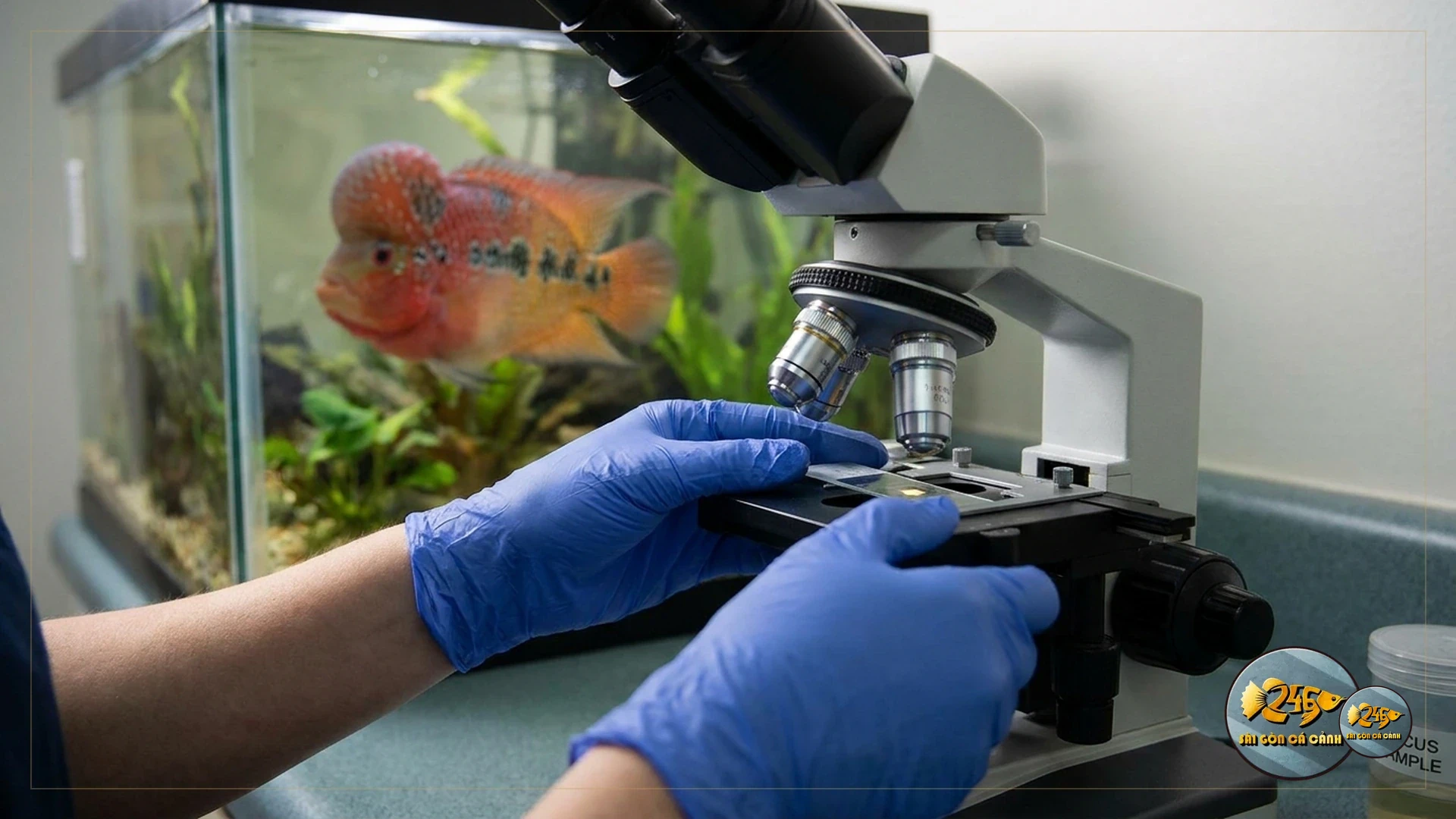
- Step 01 — Confirm by faecal microscopy: Measure baseline water parameters for Flowerhorn (cichlid hybrid) (target temperature 27–30°C, freshwater (7.2–8.0, hardness 8–16 dGH, TDS 200–350 ppm)) and calculate true net water volume prior to action.
- Step 02 — Prefer medicated food if the fish still eats: Execute the procedure using calibrated veterinary measurements while maintaining dissolved oxygen DO >= 6.0 mg/L continuously.
- Step 03 — Bath at 25 mg/L every 48 h ×3 if it refuses food: Monitor opercular ventilation rate, swimming equilibrium, and skin colouration of Flowerhorn closely during the first 30–120 minutes.
- Step 04 — Avoid prolonged use: Log all parameters, verify NH3 = 0.00 mg/L and NO2- = 0.00 mg/L, and perform temperature-matched dechlorinated water changes as scheduled.
3. Quantitative Dosing, Quarantine Setup & Safety Warnings
Below are the quantitative standards and hospital tank parameters tailored to Flowerhorn (cichlid hybrid):
⚠️ Luôn tham vấn chuyên gia thú y thủy sản trước khi can thiệp hóa chất vào môi trường sống của cá.
⚠️ Test ammonia/nitrite daily because medications can kill the biofilter.
4. Positive Response Indicators & Monitoring Gates in Flowerhorn
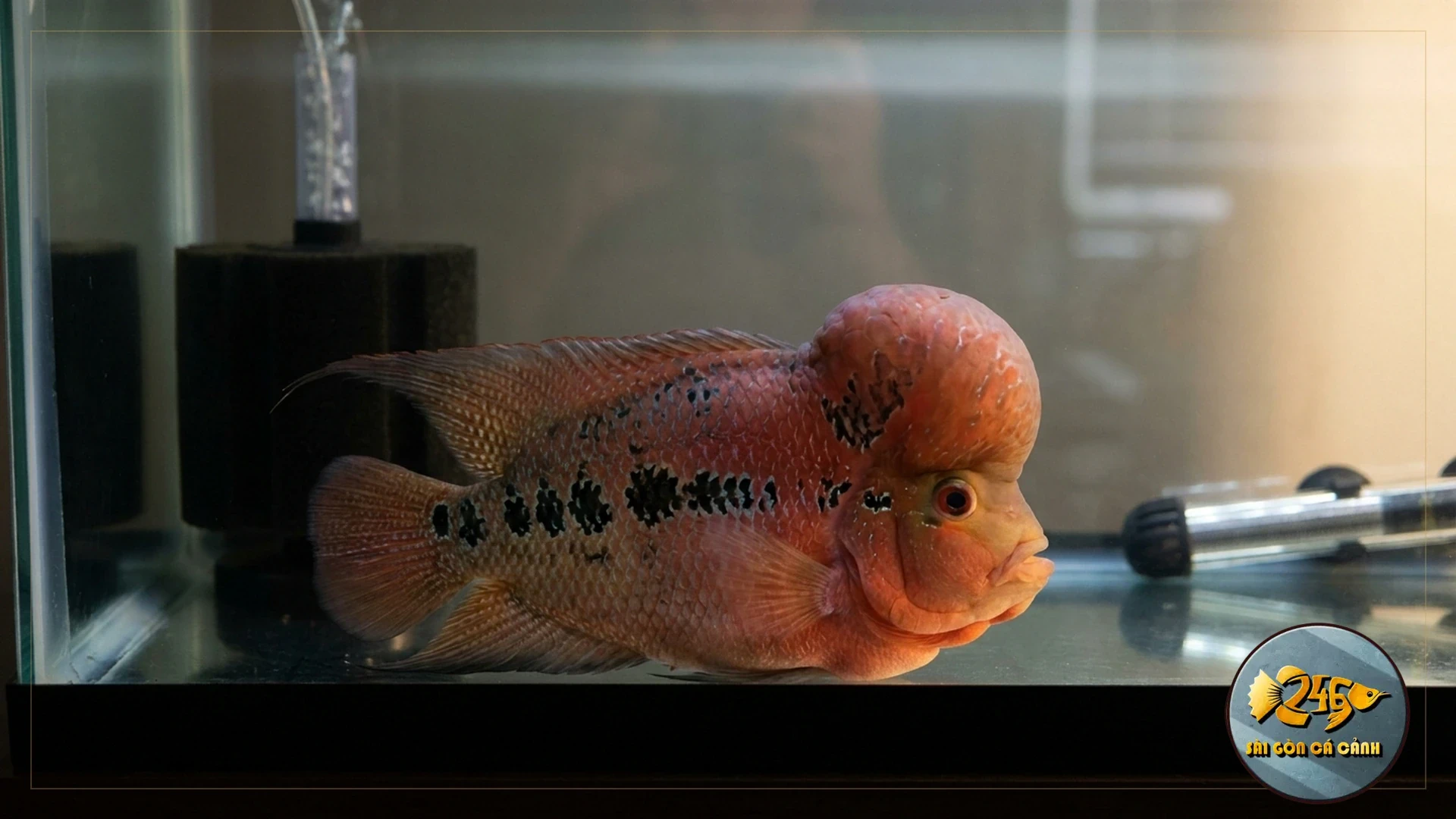
- Normal physiological baseline: Verify interactive responsiveness through the glass, smooth head skin and lateral line free of pinpoint pits (Hexamita/HITH), and a clean non-protruding vent.
- Immediate stop-and-dilute signs: Surface gasping (> 100 opercular beats/min), listing on the bottom, erratic dashing, or heavy mucoid sloughing.
- Nitrogen & Oxygen gate: Maintain NH3 = 0.00 mg/L, NO2- = 0.00 mg/L, and DO >= 6.0 mg/L throughout the procedure.
5. Biofilter Restoration & Post-Procedure Stabilisation for Flowerhorn
- Perform a 30–50% water change using dechlorinated water matched in temperature (27–30°C, within 1°C) and pH (7.2–8.0).
- Re-seed nitrifying bacteria (Nitrosomonas & Nitrobacter) to restore biological filtration capacity.
- Monitor feeding response and colouration of Flowerhorn for 7–14 days following completion.
6. Notes Specific to Flowerhorn
Species Physiology & Sensitivity Notes for Flowerhorn: Kept singly and fed rich protein — at risk of fatty liver and hole-in-the-head when water is dirty. Healthy morphological baseline: Full, firm, symmetrical nuchal hump (kok) proportioned to a deep boxy body, bold black flower markings, vivid red chest coloration, and a strong fan-like caudal fin. Optimal water parameters: temperature 27–30°C, pH 7.2–8.0, hardness 8–16 dGH, TDS 200–350 ppm.
7. Medication Safety Principles
- Test the dose on 1–2 fish first and observe for 2–4 hours before treating the group.
- Remove activated carbon, switch off UV sterilisers and move invertebrates out of the treatment tank.
- Do not combine several medications without professional guidance.
- Dose by the true water volume (minus substrate, rock and wood), not the nominal tank size.
- If there is no improvement after one course, contact an aquatic veterinarian for microscopy and sensitivity testing.
8. Frequently Asked Questions
⚠️ Luôn tham vấn chuyên gia thú y thủy sản trước khi can thiệp hóa chất vào môi trường sống của cá.
Monitor gill ventilation closely during the first 2–4 hours and continue daily observation for 7–14 days to confirm strong appetite and stable biofiltration.
Stop immediately and perform a 30–50% temperature-matched dechlorinated water change if Flowerhorn gasps at the surface, lists on the bottom, or fails to improve after one standard course.
9. References
- Noga, E. J. (2010). Fish Disease: Diagnosis and Treatment (2nd ed.). Wiley-Blackwell.
- Wildgoose, W. H. (Ed.). (2001). BSAVA Manual of Ornamental Fish (2nd ed.). British Small Animal Veterinary Association.
- Roberts, H. E. (Ed.). (2009). Fundamentals of Ornamental Fish Health. Wiley-Blackwell.
- WOAH / OIE (2023). Manual of Diagnostic Tests for Aquatic Animals. World Organisation for Animal Health.
- Yanong, R. P. E. — UF/IFAS Extension Circulars FA-7, FA-13, FA-14, FA-28 (University of Florida).