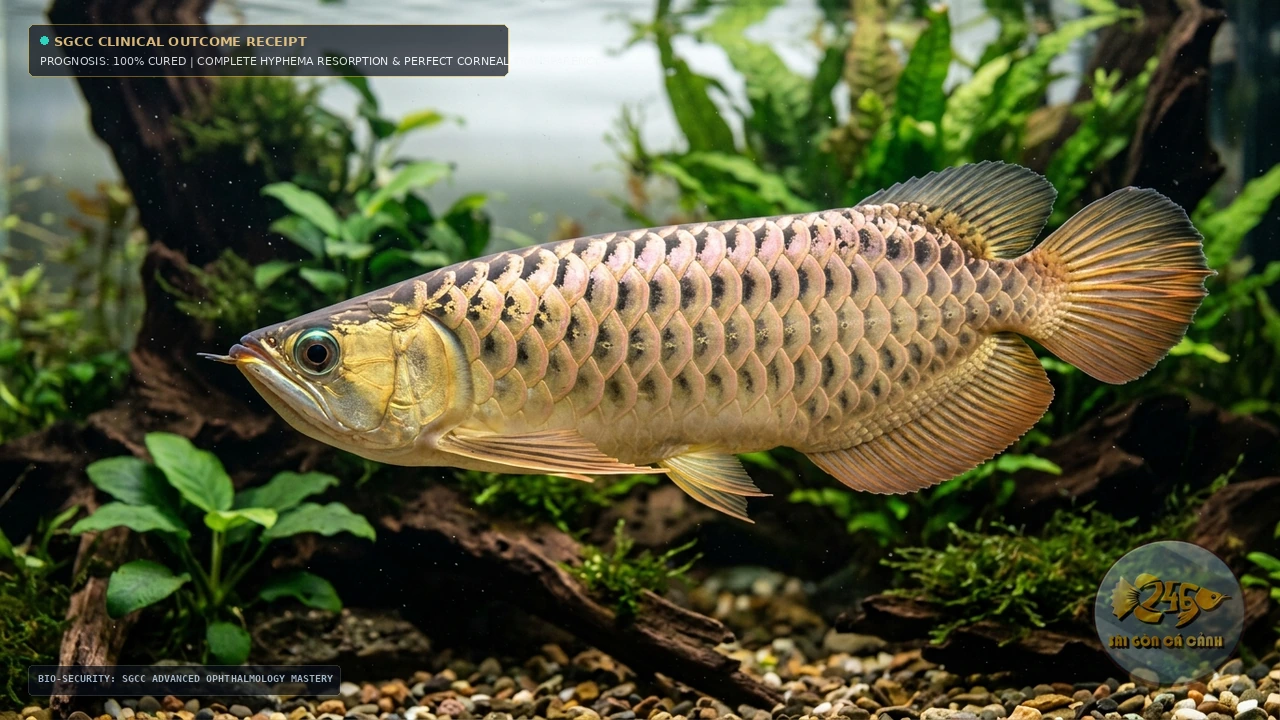
Treatment & Clinical Care for Wavemaker Blunt Traumatic Keratopathy & Hyphema in Cá Rồng, Cá Koi, Cá La Hán, Cá Săn Mồi Tốc Độ Cao: Complete Aquatic Health Protocol
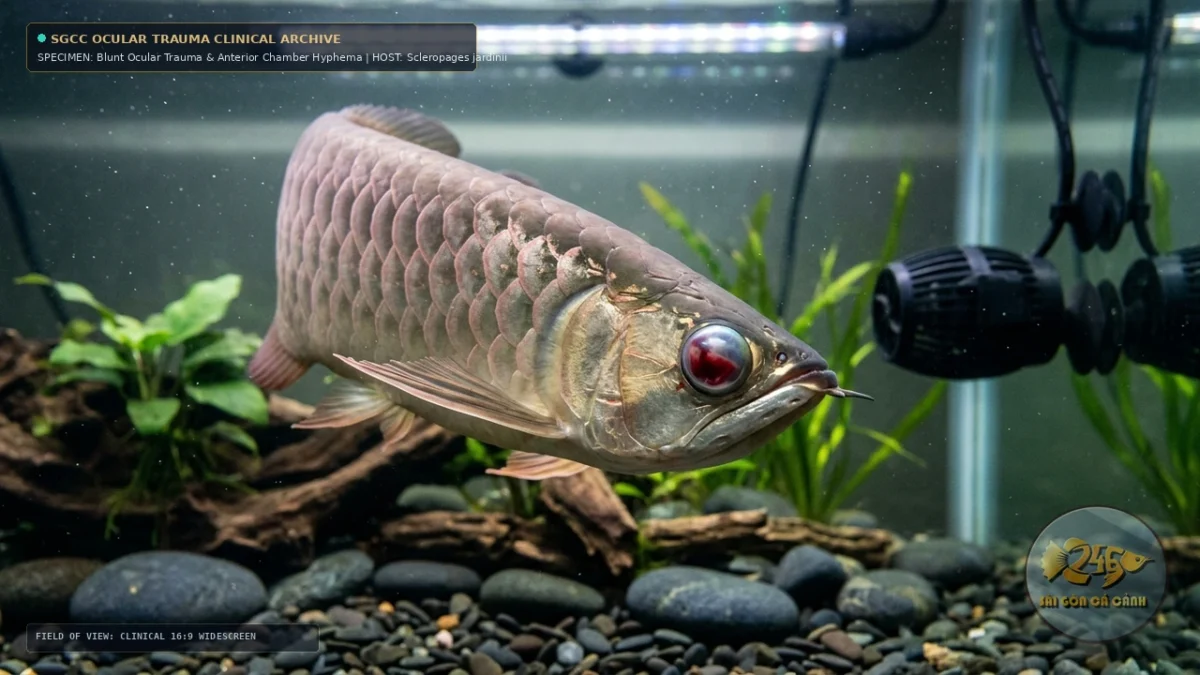
In tropical aquaculture and companion fish keeping, rapid clinical detection and targeted non-invasive treatments are decisive factors in overcoming acute infectious outbreaks. This comprehensive diagnostic guide addresses Wavemaker Blunt Traumatic Keratopathy & Hyphema commonly afflicting Cá Rồng, Cá Koi, Cá La Hán, Cá Săn Mồi Tốc Độ Cao, establishing proven protocols for quarantine stabilization, medication administration, and total biological biotope recovery.
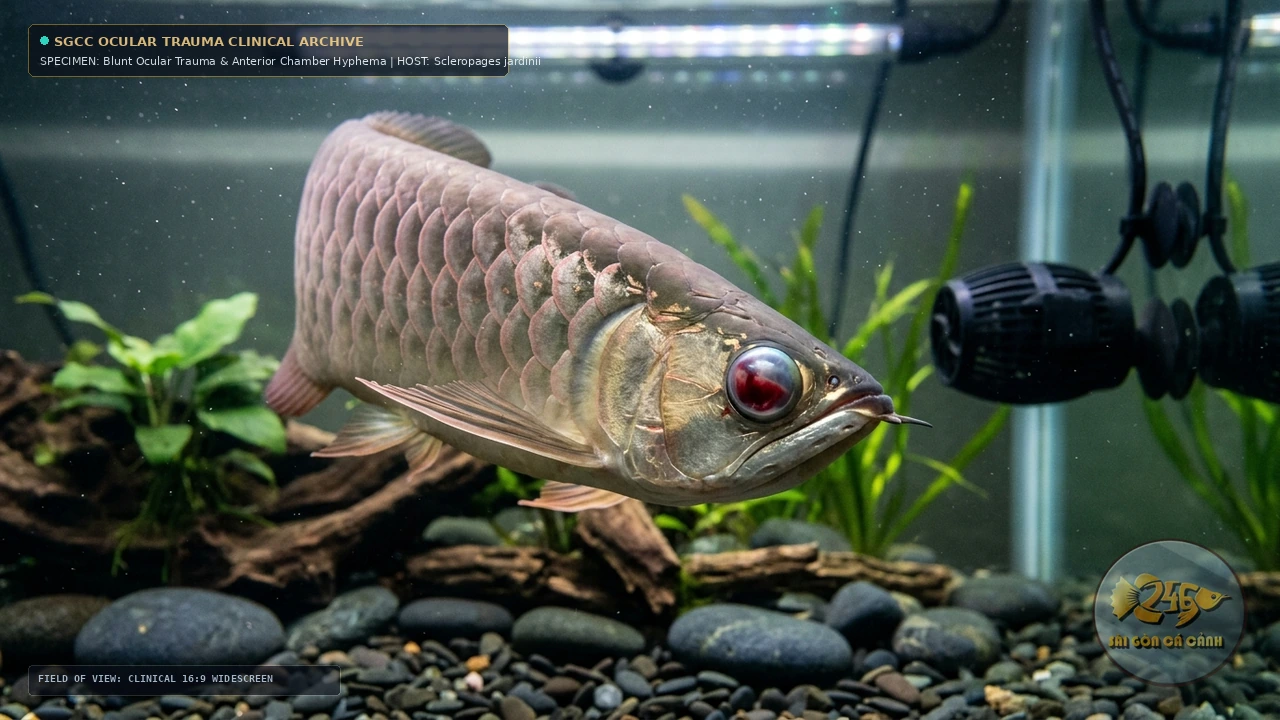
Diagnostic Synopsis & Target Hosts
- Pathogen / Clinical Condition: Wavemaker Blunt Traumatic Keratopathy & Hyphema
- Primary Susceptible Hosts: Cá Rồng, Cá Koi, Cá La Hán, Cá Săn Mồi Tốc Độ Cao
- Primary Transmission Route: Waterborne transmission, unquarantined livestock, poor biofiltration.
- Critical Symptoms: Dermal mucus excess, clamped fins, lethargic swimming, petechial hemorrhages.
- Recommended Environmental Control: Hospital isolation tank, high dissolved oxygen (O2), temp stabilization.
1. Clinical Symptoms & Diagnostic Recognition
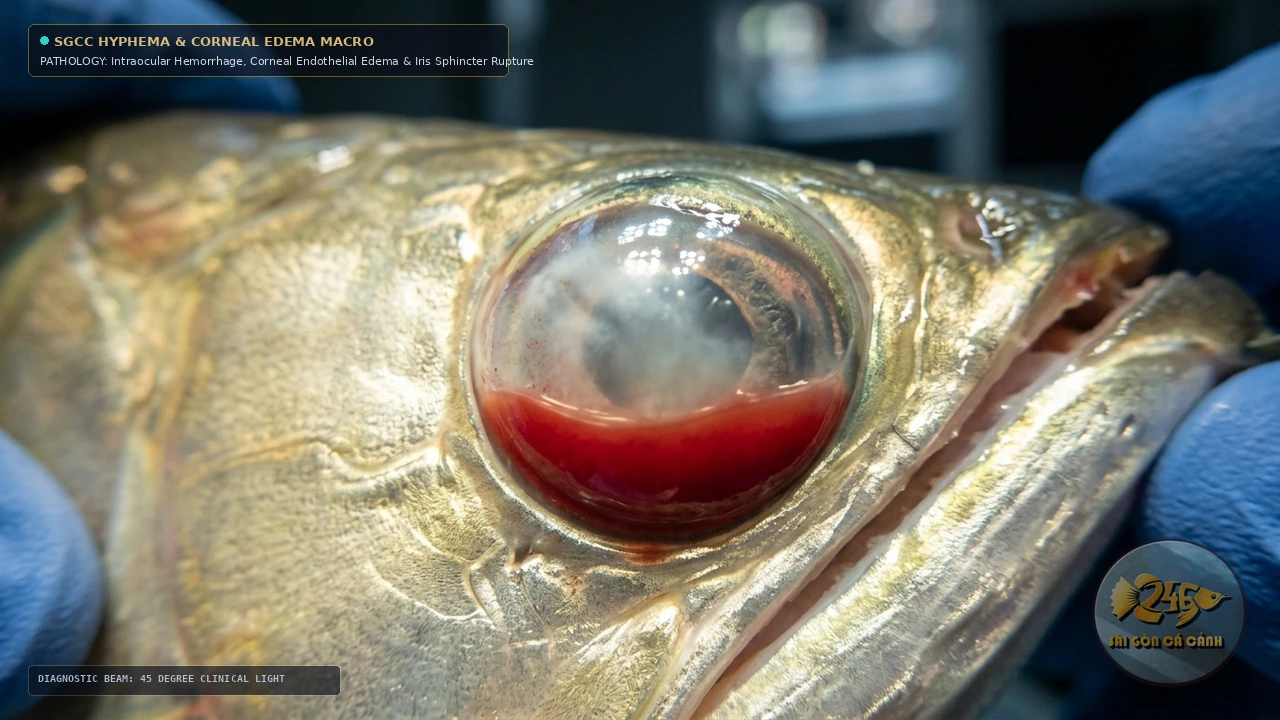
In early infection stages, fish display behavioral distress including flashing against substrate, rapid gill ventilation, and refusal to feed. Visual inspection under focused clinical light reveals dermal cloudiness, localized scale lifting, and progressive mucosal detachment across the dorsal and caudal regions.
2. Pathological Etiology & Microscopic Confirmation
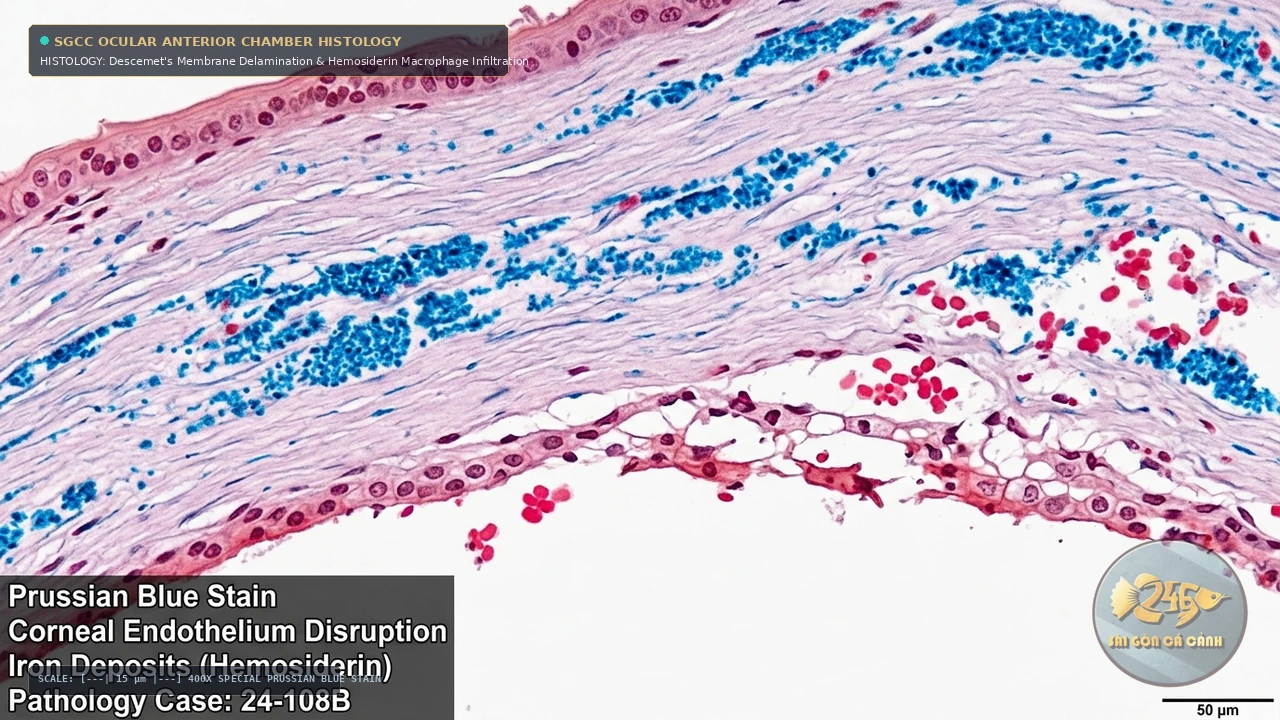
Microscopic evaluation of cutaneous scrapings confirms the vegetative stages of Wavemaker Blunt Traumatic Keratopathy & Hyphema. Pathogenic proliferation typically correlates with elevated organic waste loads, unstable temperatures, or depleted biological filtration reserves in the closed aquatic system.
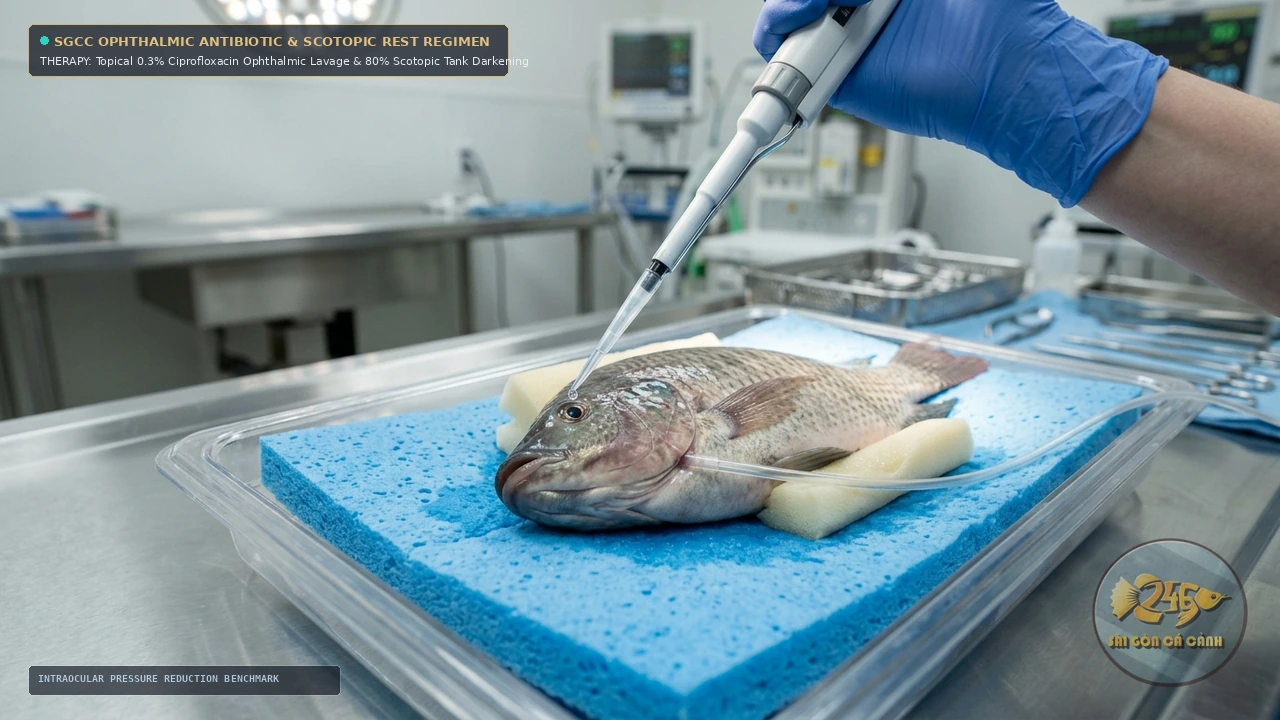
3. Systematic Hospital Isolation & Treatment Protocol
Isolate symptomatic individuals into an independent quarantine system equipped with dedicated micro-bubble aeration:
- Water Preparation: Pristine aged dechlorinated water with matching pH and temperature to minimize osmotic shock.
- Targeted Therapeutic Bath: Administer therapeutic dosages strictly according to veterinary standards, maintaining constant aerated surface movement.
- Monitoring & Water Renewals: Conduct routine 25% water adjustments every 24 to 48 hours to remove residual organic contaminants and dead pathogens.
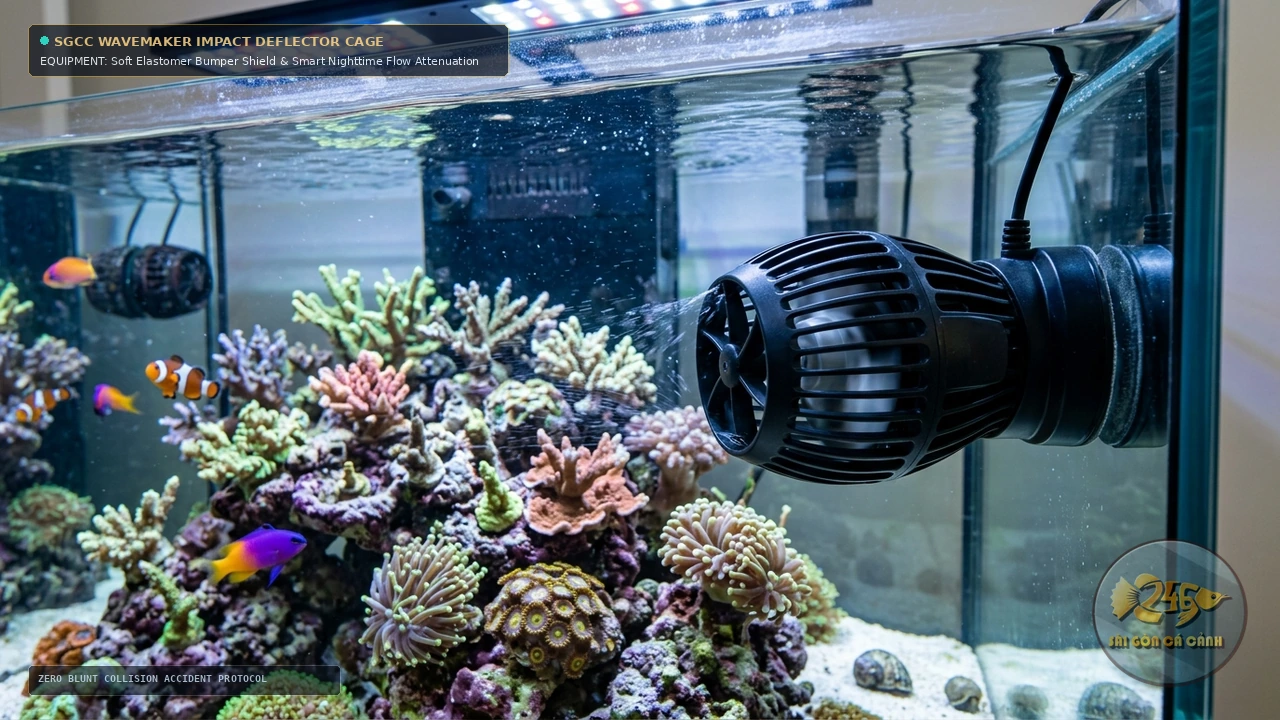
4. Convalescence & Long-Term Biosecurity Shield
Post-treatment rehabilitation focuses on rebuilding natural dermal slime layers through premium nutrition enriched with vitamins and beta-glucan. Ensure main display aquarium parameters remain completely zeroed for toxic ammonia and nitrite.