A practical guide to Treating Skin Fluke in Ornamental Common Carp for Ornamental Common Carp (Cyprinus carpio): recognising signs, diagnosis and cautious management steps with safety warnings for ornamental fish keepers.
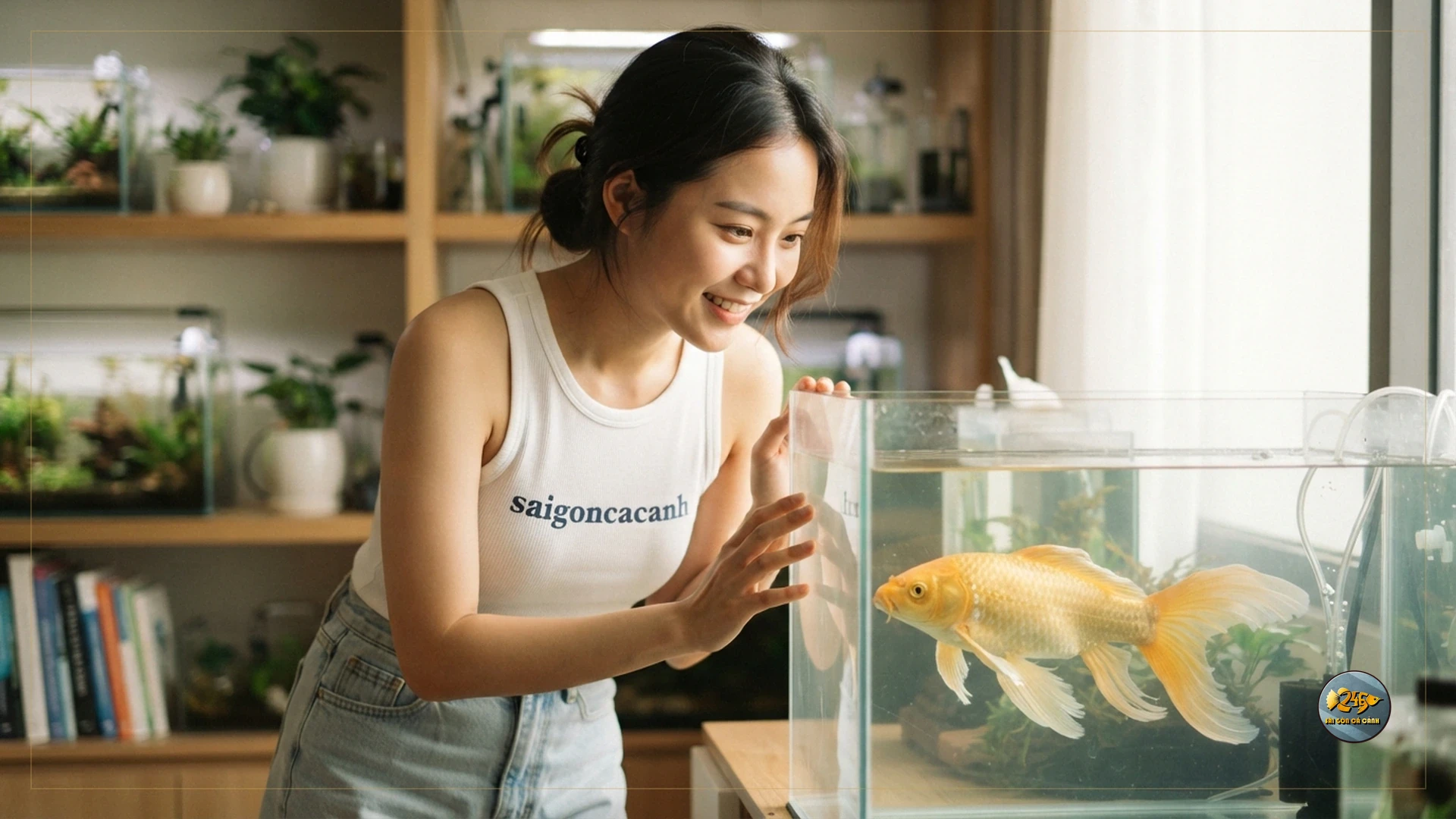
1. Overview: Skin Fluke (Gyrodactylus) in Ornamental Common Carp
A live-bearing monogenean fluke that reproduces directly on the host and multiplies fast in crowded tanks. In Ornamental Common Carp (Cyprinus carpio) maintained at 15–28°C (target pH 6.8–7.8, hardness 6–14 dGH, TDS 150–300 ppm), clinical outbreaks are frequently triggered by organic waste accumulation, ammonia/nitrite spikes, thermal fluctuations, or transport stress that compromises the protective mucosal barrier.
2. Signs to Recognise
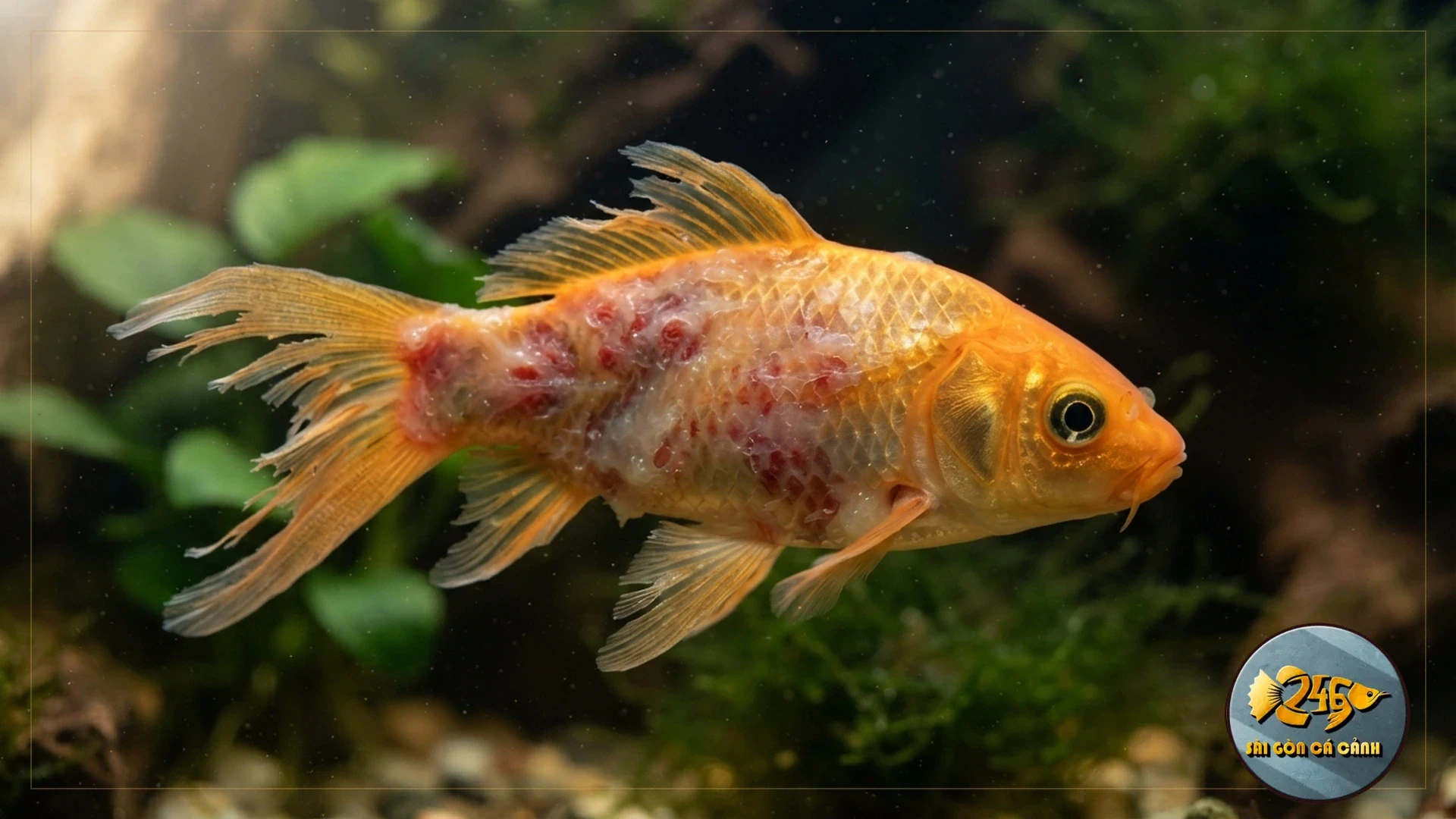
- Ragged fins and red skin spots: Characteristic clinical sign when Gyrodactylus spp. affects target tissues in Ornamental Common Carp; contrast against the healthy baseline (Deep muscular body, long flowing intact fins without fraying, uniform metallic scales, and two pairs of intact maxillary barbels.).
- Flashing and jumping: Characteristic clinical sign when Gyrodactylus spp. affects target tissues in Ornamental Common Carp; contrast against the healthy baseline (Deep muscular body, long flowing intact fins without fraying, uniform metallic scales, and two pairs of intact maxillary barbels.).
- Heavy mucus and gradual weight loss: Characteristic clinical sign when Gyrodactylus spp. affects target tissues in Ornamental Common Carp; contrast against the healthy baseline (Deep muscular body, long flowing intact fins without fraying, uniform metallic scales, and two pairs of intact maxillary barbels.).
3. Diagnosis
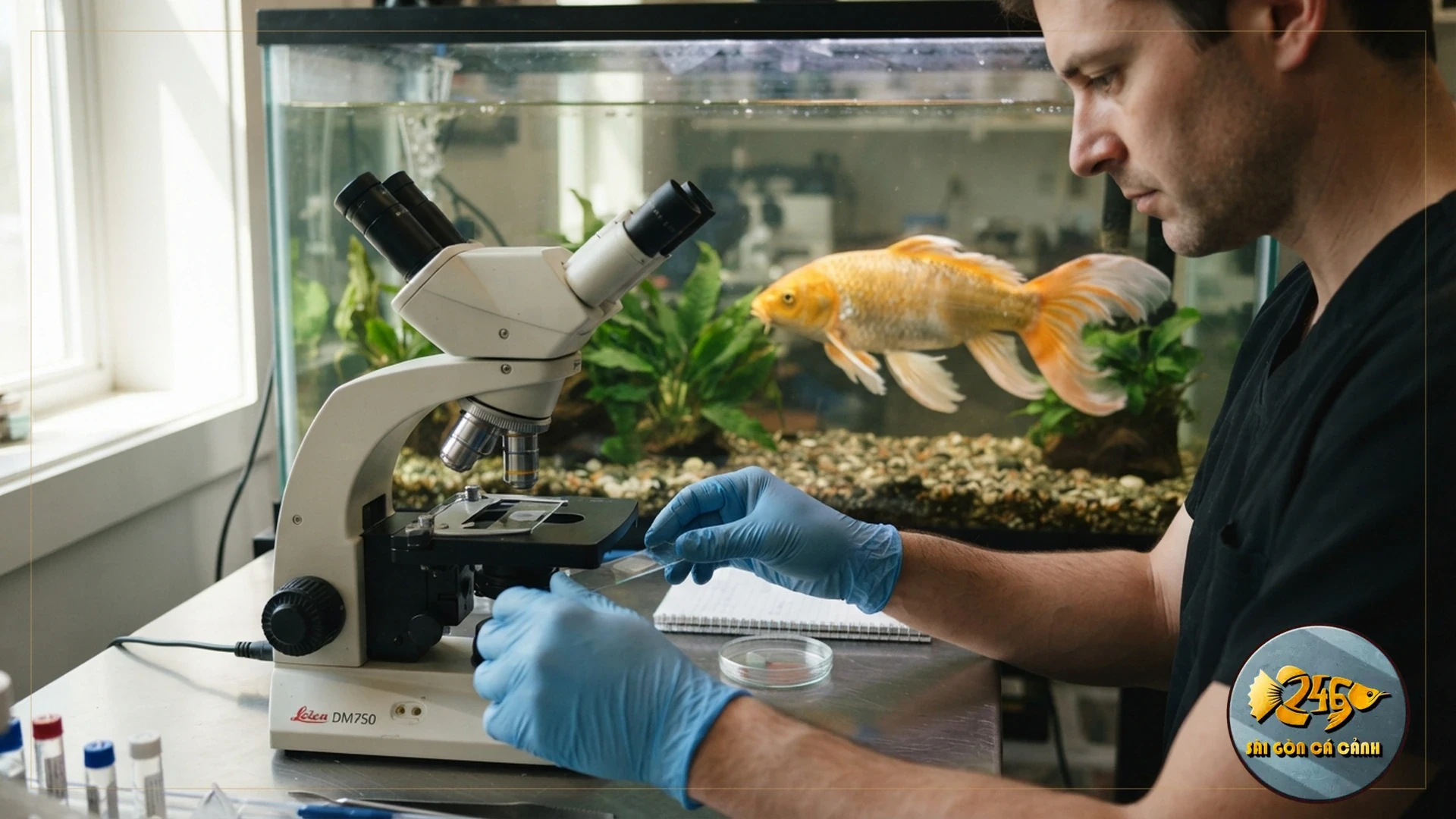
At 40x: 0.3–1 mm flukes with posterior hooks, no eyespots, often with an embryo inside.
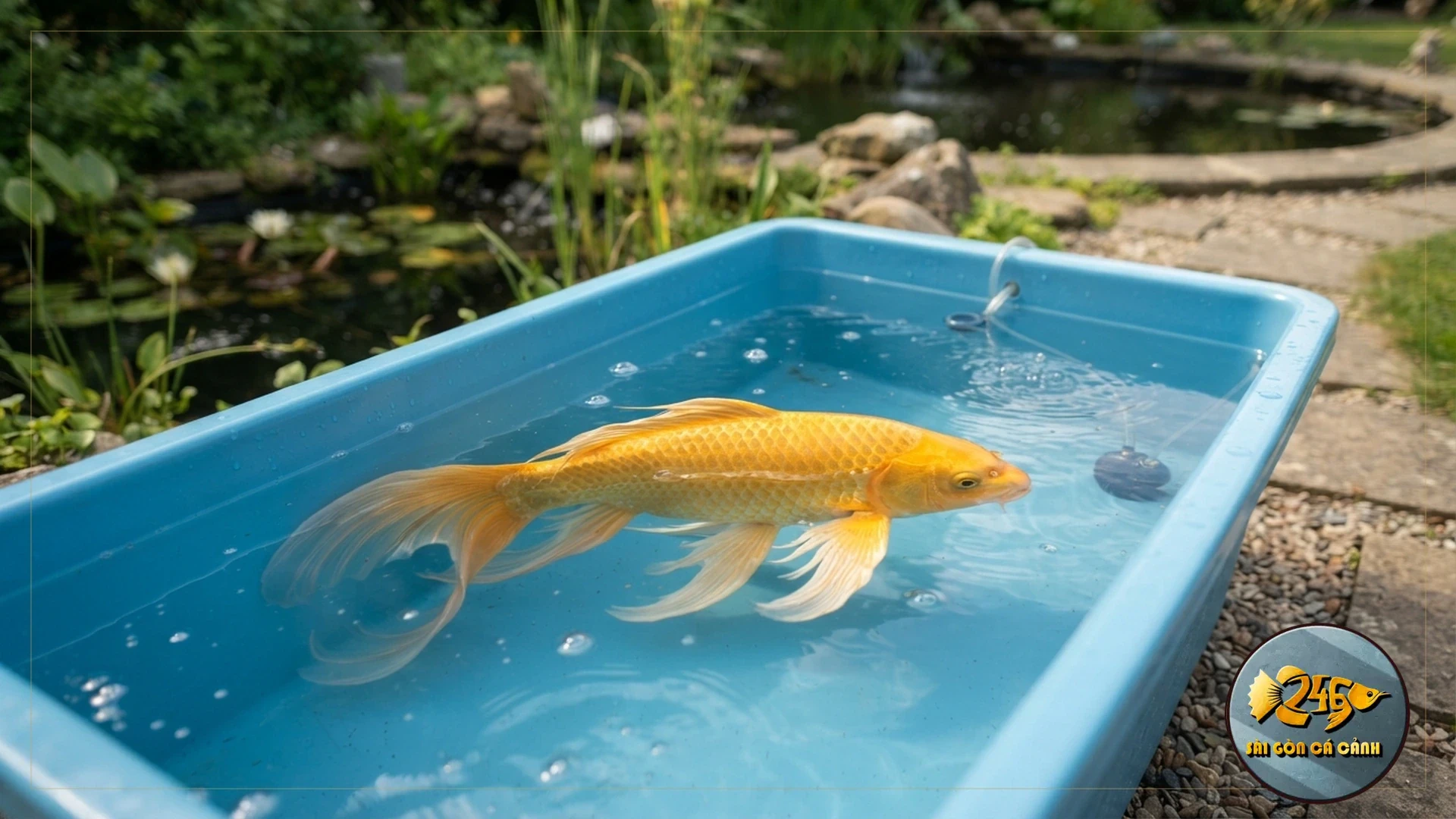
Differential Diagnosis & Water Quality Verification: Prior to administering any medication to Ornamental Common Carp, verify NH3/NH4+ (= 0.00 mg/L), NO2- (= 0.00 mg/L), pH (6.8–7.8), and temperature (15–28°C) using a liquid drop test kit to rule out acute environmental toxicosis mimicking infectious disease. Select fish with brisk feeding response, erect dorsal fin, and zero ventral petechiae or cloudy mucus.
4. Cautious Management Plan
⚠️ Luôn tham vấn chuyên gia thú y thủy sản trước khi can thiệp hóa chất vào môi trường sống của cá.
⚠️ Luôn tham vấn chuyên gia thú y thủy sản trước khi can thiệp hóa chất vào môi trường sống của cá.
⚠️ Catfish, loaches, Corydoras and live plants tolerate salt poorly: do not exceed 1 g/L. Salt does not evaporate — it only leaves through water changes.
⚠️ When tap water pH and hardness differ greatly from the tank, change smaller amounts more often to avoid shock.
5. Prevention for Ornamental Common Carp
- Prophylactic praziquantel bath for new fish
- Avoid buying from tanks with scattered deaths
- Keep density reasonable
6. Notes Specific to Ornamental Common Carp
Việc dùng thuốc cần hỏi bác sĩ thú y hoặc chuyên gia để chọn đúng thuốc, đúng liều.
7. Medication Safety Principles
- Test the dose on 1–2 fish first and observe for 2–4 hours before treating the group.
- Remove activated carbon, switch off UV sterilisers and move invertebrates out of the treatment tank.
- Do not combine several medications without professional guidance.
- Dose by the true water volume (minus substrate, rock and wood), not the nominal tank size.
- If there is no improvement after one course, contact an aquatic veterinarian for microscopy and sensitivity testing.
8. Frequently Asked Questions
Yes, it can. Move affected fish to a hospital tank, use dedicated nets and tools, wash hands between tanks and watch the whole group for at least 2 weeks.
It depends on severity and species; usually monitor for 7–14 days after signs resolve. Do not stop a course early or raise the dose without guidance.
When there is no improvement after one course, deaths keep occurring, or a viral/notifiable disease is suspected — microscopy, PCR or sensitivity testing are needed.
9. References
- Noga, E. J. (2010). Fish Disease: Diagnosis and Treatment (2nd ed.). Wiley-Blackwell.
- Wildgoose, W. H. (Ed.). (2001). BSAVA Manual of Ornamental Fish (2nd ed.). British Small Animal Veterinary Association.
- Roberts, H. E. (Ed.). (2009). Fundamentals of Ornamental Fish Health. Wiley-Blackwell.
- WOAH / OIE (2023). Manual of Diagnostic Tests for Aquatic Animals. World Organisation for Animal Health.
- Yanong, R. P. E. — UF/IFAS Extension Circulars FA-7, FA-13, FA-14, FA-28 (University of Florida).