A practical guide to Treating Marine White Spot in Blue Damselfish for Blue Damselfish (Chrysiptera cyanea): recognising signs, diagnosis and cautious management steps with safety warnings for ornamental fish keepers.
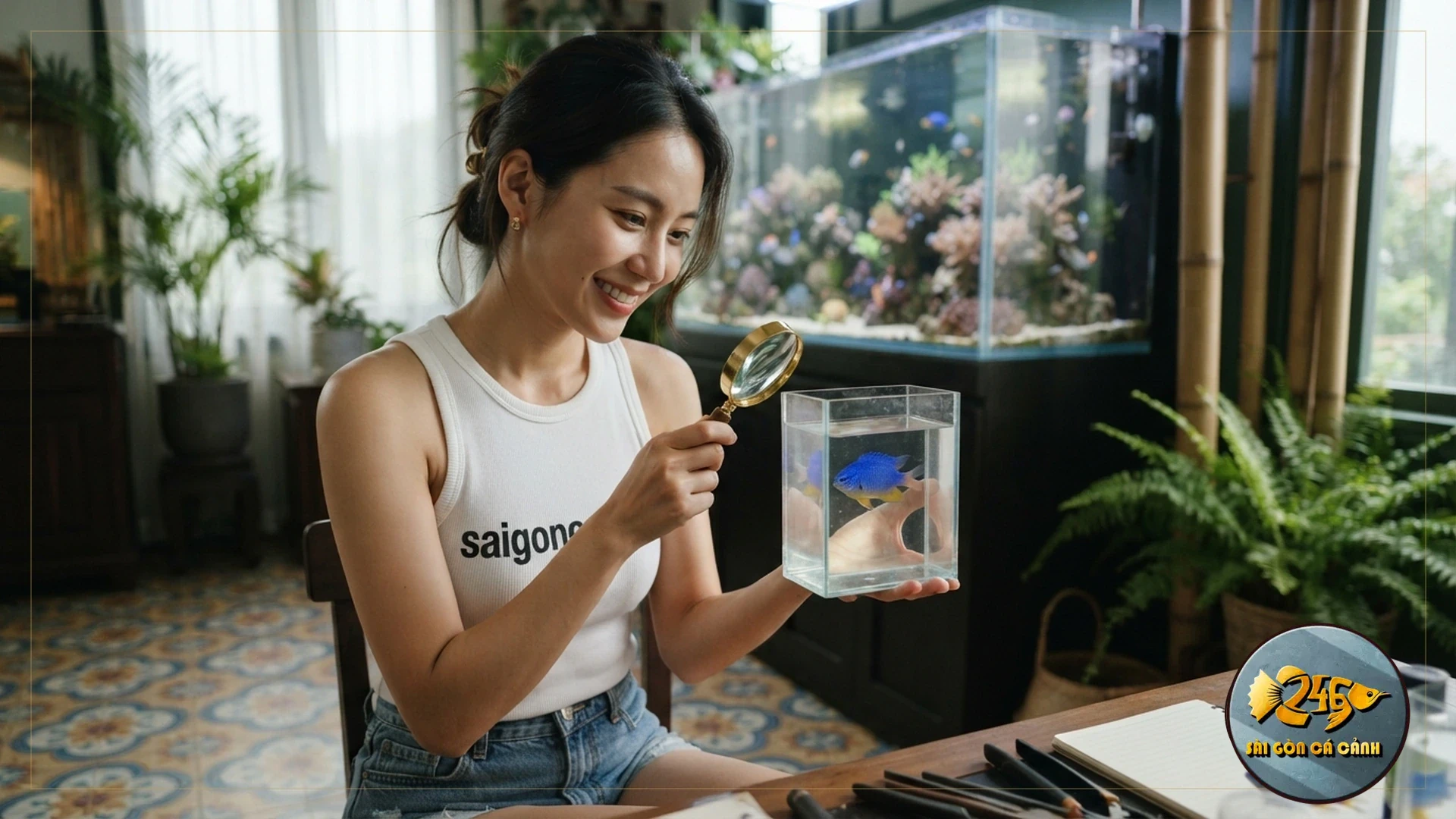
1. Overview: Marine White Spot (Cryptocaryon) in Blue Damselfish
A marine ciliate; cysts in the substrate persist for weeks, so a display must run fishless for at least 72–76 days to eradicate it. In Blue Damselfish (Chrysiptera cyanea) maintained at 24–27°C (target pH 8.1–8.4, hardness Độ mặn 1.023–1.025 SG, TDS 33–35 ppt), clinical outbreaks are frequently triggered by organic waste accumulation, ammonia/nitrite spikes, thermal fluctuations, or transport stress that compromises the protective mucosal barrier.
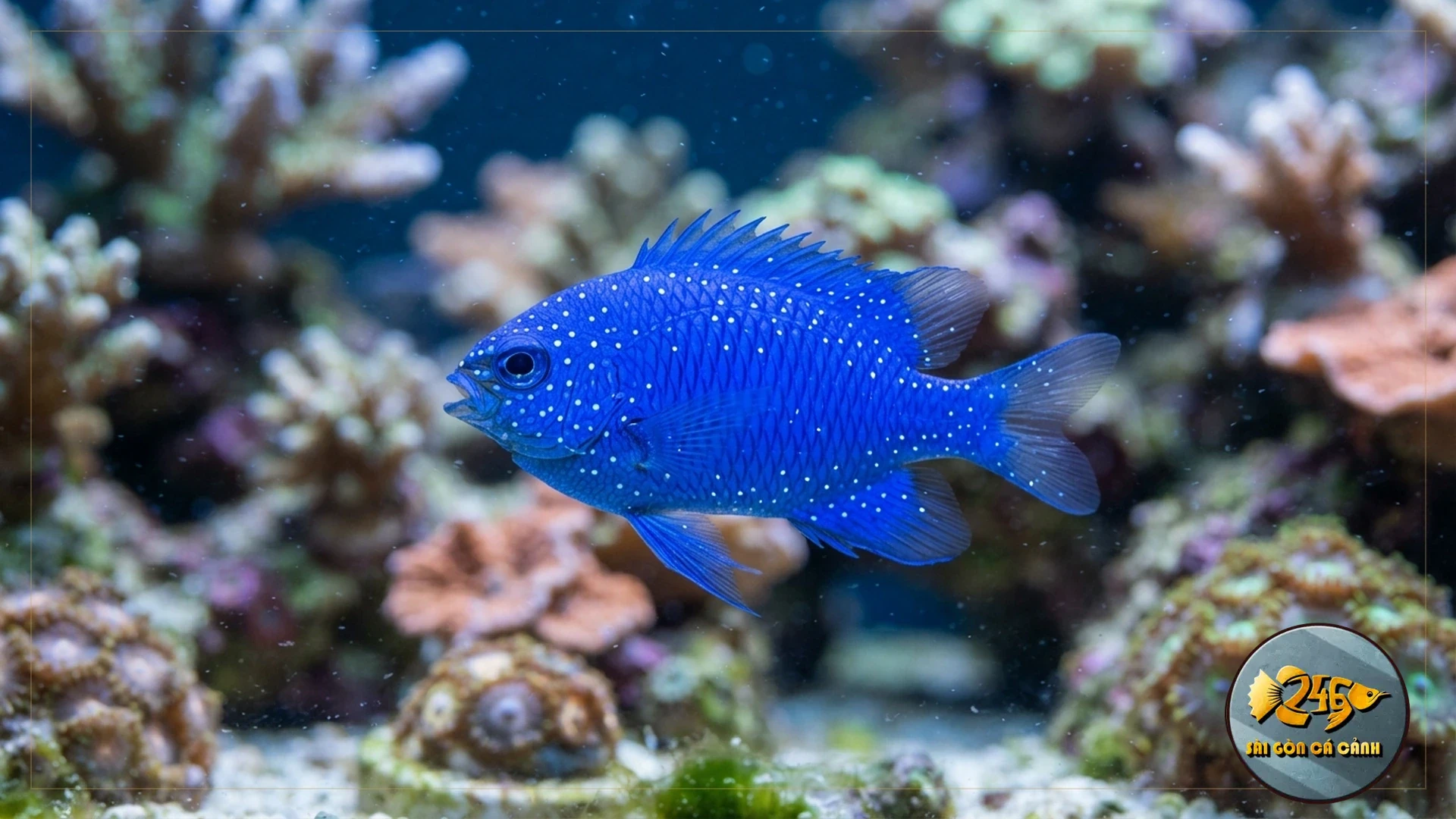
2. Signs to Recognise
- Small white spots on body, fins and eyes: Characteristic clinical sign when Cryptocaryon irritans affects target tissues in Blue Damselfish; contrast against the healthy baseline (Brilliant electric-blue body with intact scales and zero red lateral ulcerations (a key sign of Uronema marinum).).
- Scratching on rock: Characteristic clinical sign when Cryptocaryon irritans affects target tissues in Blue Damselfish; contrast against the healthy baseline (Brilliant electric-blue body with intact scales and zero red lateral ulcerations (a key sign of Uronema marinum).).
- Fast breathing and anorexia: Characteristic clinical sign when Cryptocaryon irritans affects target tissues in Blue Damselfish; contrast against the healthy baseline (Brilliant electric-blue body with intact scales and zero red lateral ulcerations (a key sign of Uronema marinum).).
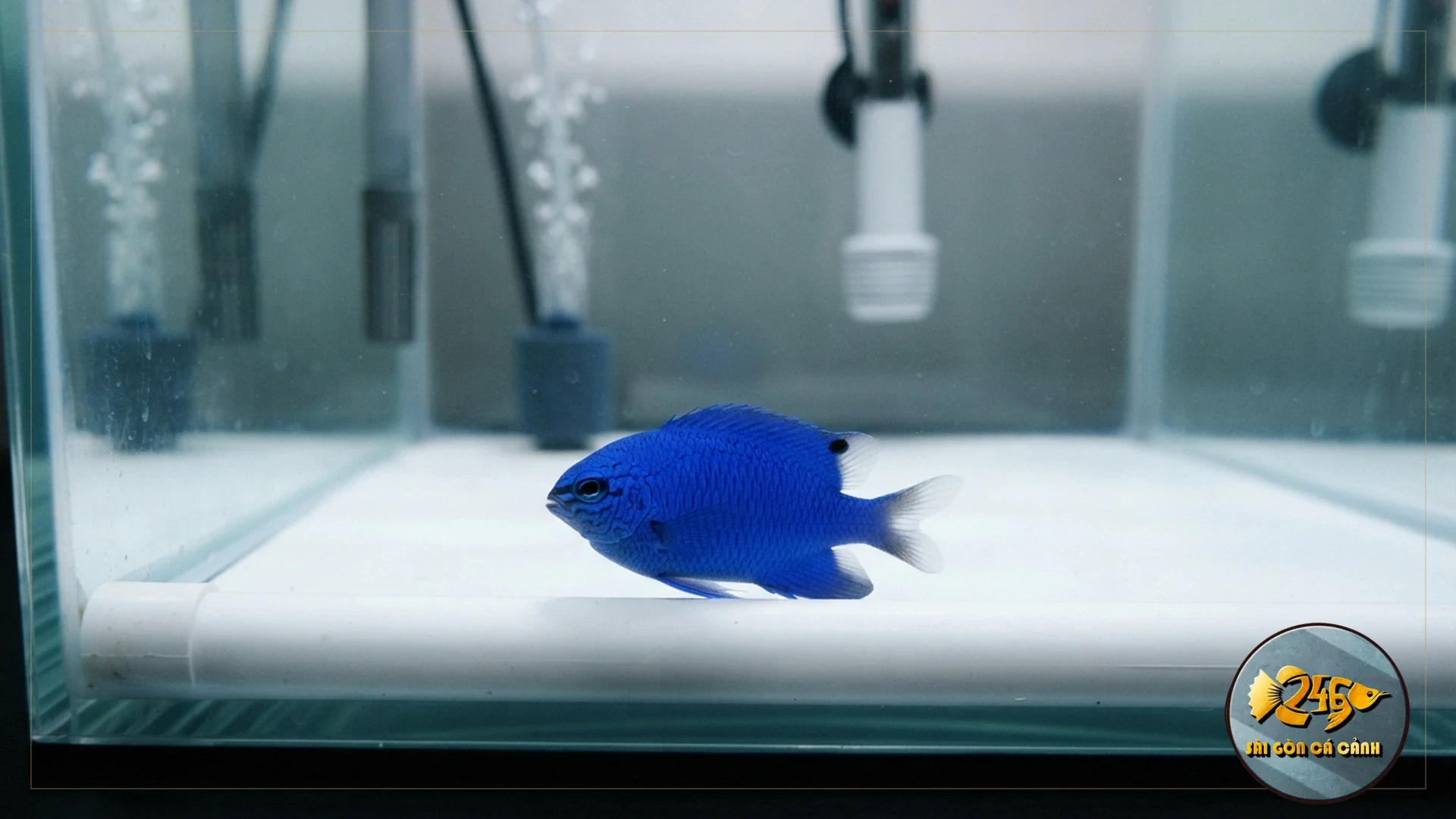
3. Diagnosis
Mucus scrape shows round ciliates; do not confuse with lymphocystis.
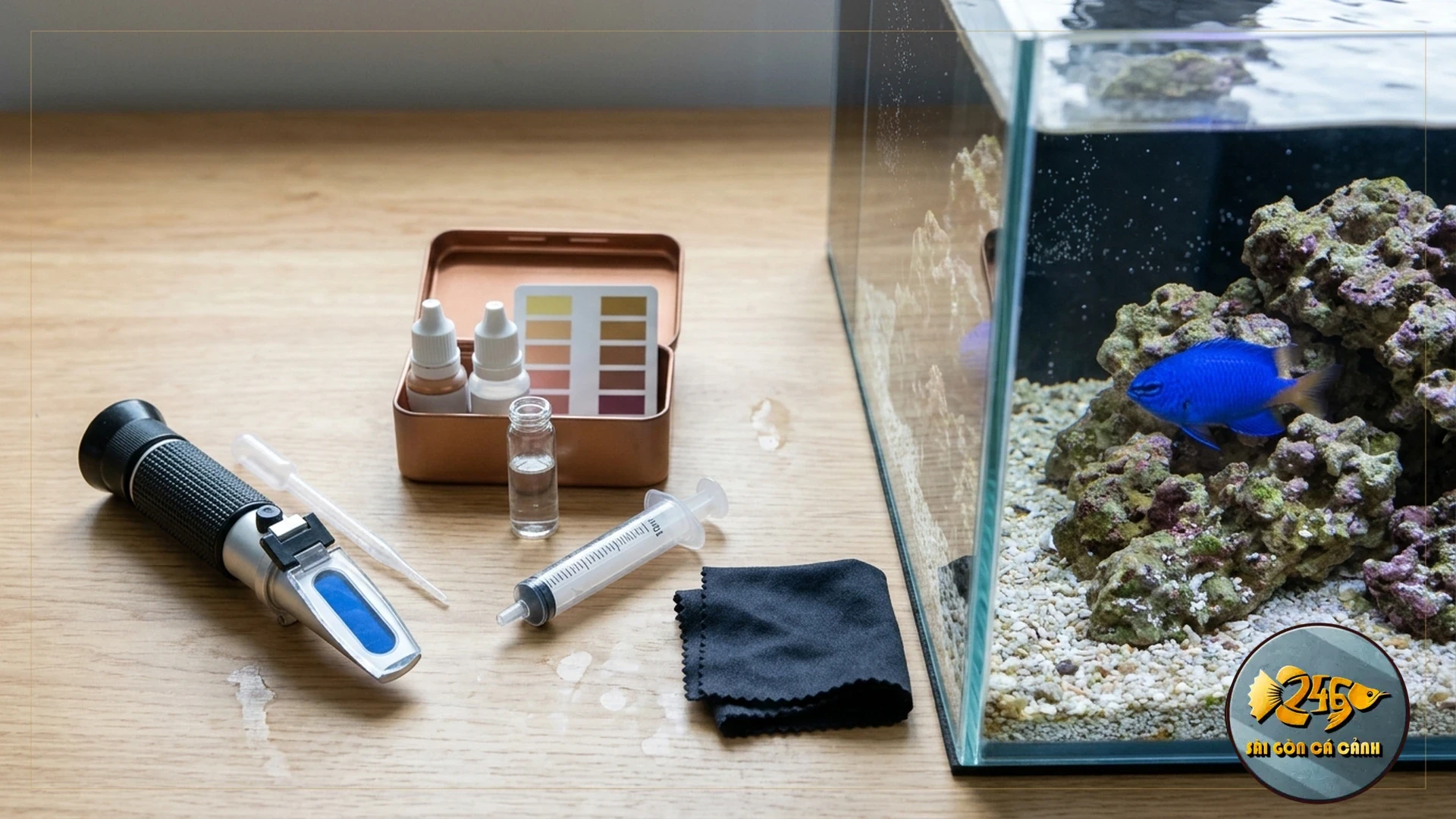
Differential Diagnosis & Water Quality Verification: Prior to administering any medication to Blue Damselfish, verify NH3/NH4+ (= 0.00 mg/L), NO2- (= 0.00 mg/L), pH (8.1–8.4), and temperature (24–27°C) using a liquid drop test kit to rule out acute environmental toxicosis mimicking infectious disease. Avoid any sales tank where damselfish show rapid gill movement or red flank sores, as Uronema spreads rapidly.
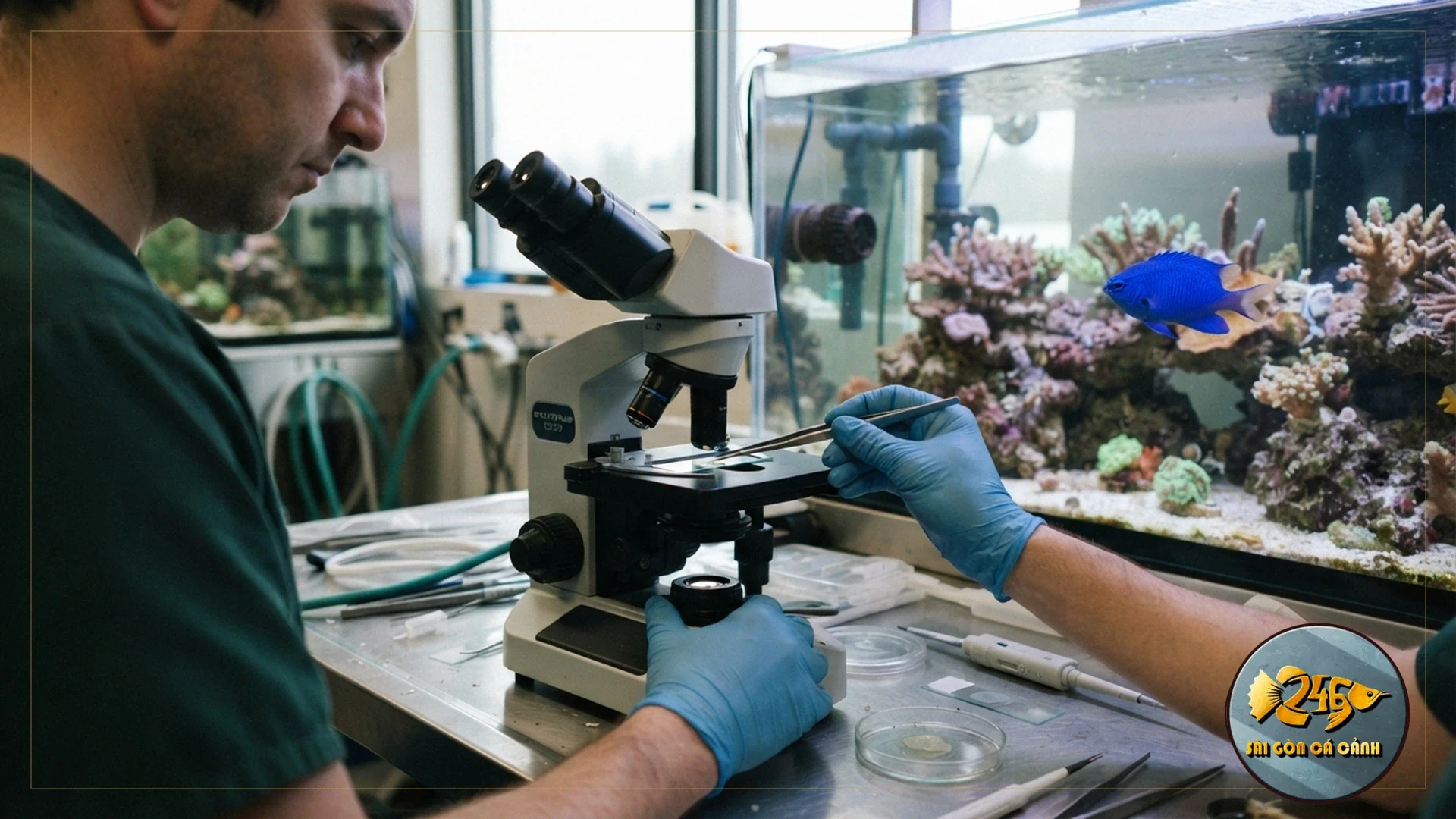
4. Cautious Management Plan
⚠️ Never use in tanks with corals, shrimp, snails or other invertebrates. Live rock and sand absorb copper. Butterflyfish and tangs are sensitive — monitor feeding.
⚠️ Only in a hospital tank without invertebrates. The biofilter must adapt — test ammonia daily.
⚠️ Test ammonia/nitrite daily because medications can kill the biofilter.
5. Prevention for Blue Damselfish
- Quarantine marine fish 4–6 weeks before adding to a reef
- Never add store water to your tank
- Keep temperature and salinity stable
6. Notes Specific to Blue Damselfish
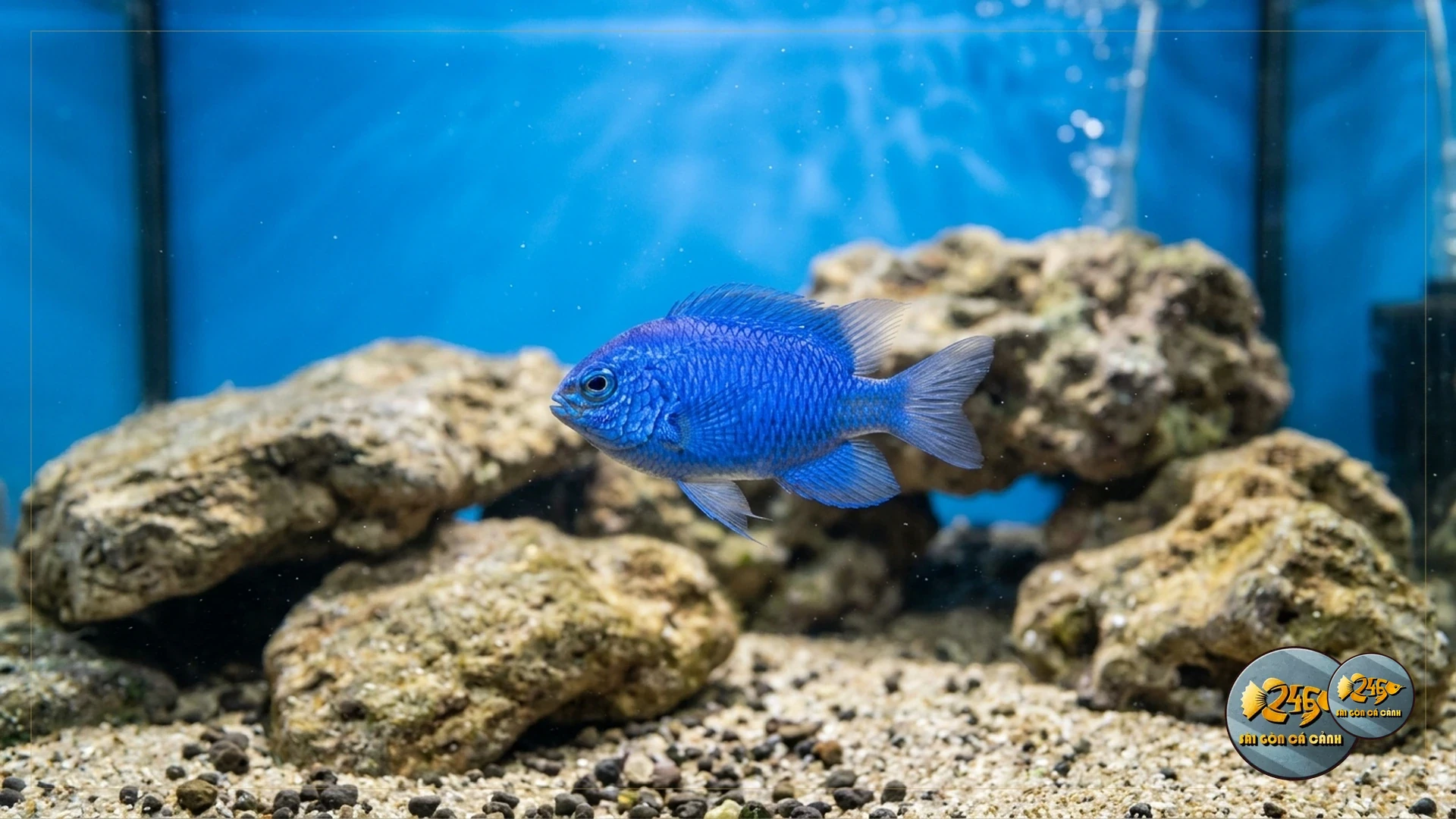
Species Physiology & Sensitivity Notes for Blue Damselfish: Hardy, yet often the carrier that brings disease into a new tank — still quarantine it. Healthy morphological baseline: Brilliant electric-blue body with intact scales and zero red lateral ulcerations (a key sign of Uronema marinum). Optimal water parameters: temperature 24–27°C, pH 8.1–8.4, hardness Độ mặn 1.023–1.025 SG, TDS 33–35 ppt.
7. Medication Safety Principles
- Test the dose on 1–2 fish first and observe for 2–4 hours before treating the group.
- Remove activated carbon, switch off UV sterilisers and move invertebrates out of the treatment tank.
- Do not combine several medications without professional guidance.
- Dose by the true water volume (minus substrate, rock and wood), not the nominal tank size.
- If there is no improvement after one course, contact an aquatic veterinarian for microscopy and sensitivity testing.
8. Frequently Asked Questions
Yes, it can. Move affected fish to a hospital tank, use dedicated nets and tools, wash hands between tanks and watch the whole group for at least 2 weeks.
It depends on severity and species; usually monitor for 7–14 days after signs resolve. Do not stop a course early or raise the dose without guidance.
When there is no improvement after one course, deaths keep occurring, or a viral/notifiable disease is suspected — microscopy, PCR or sensitivity testing are needed.
9. References
- Noga, E. J. (2010). Fish Disease: Diagnosis and Treatment (2nd ed.). Wiley-Blackwell.
- Wildgoose, W. H. (Ed.). (2001). BSAVA Manual of Ornamental Fish (2nd ed.). British Small Animal Veterinary Association.
- Roberts, H. E. (Ed.). (2009). Fundamentals of Ornamental Fish Health. Wiley-Blackwell.
- WOAH / OIE (2023). Manual of Diagnostic Tests for Aquatic Animals. World Organisation for Animal Health.
- Yanong, R. P. E. — UF/IFAS Extension Circulars FA-7, FA-13, FA-14, FA-28 (University of Florida).