A practical guide to Treating Gill Fluke in Giant Gourami for Giant Gourami (Osphronemus goramy): recognising signs, diagnosis and cautious management steps with safety warnings for ornamental fish keepers.
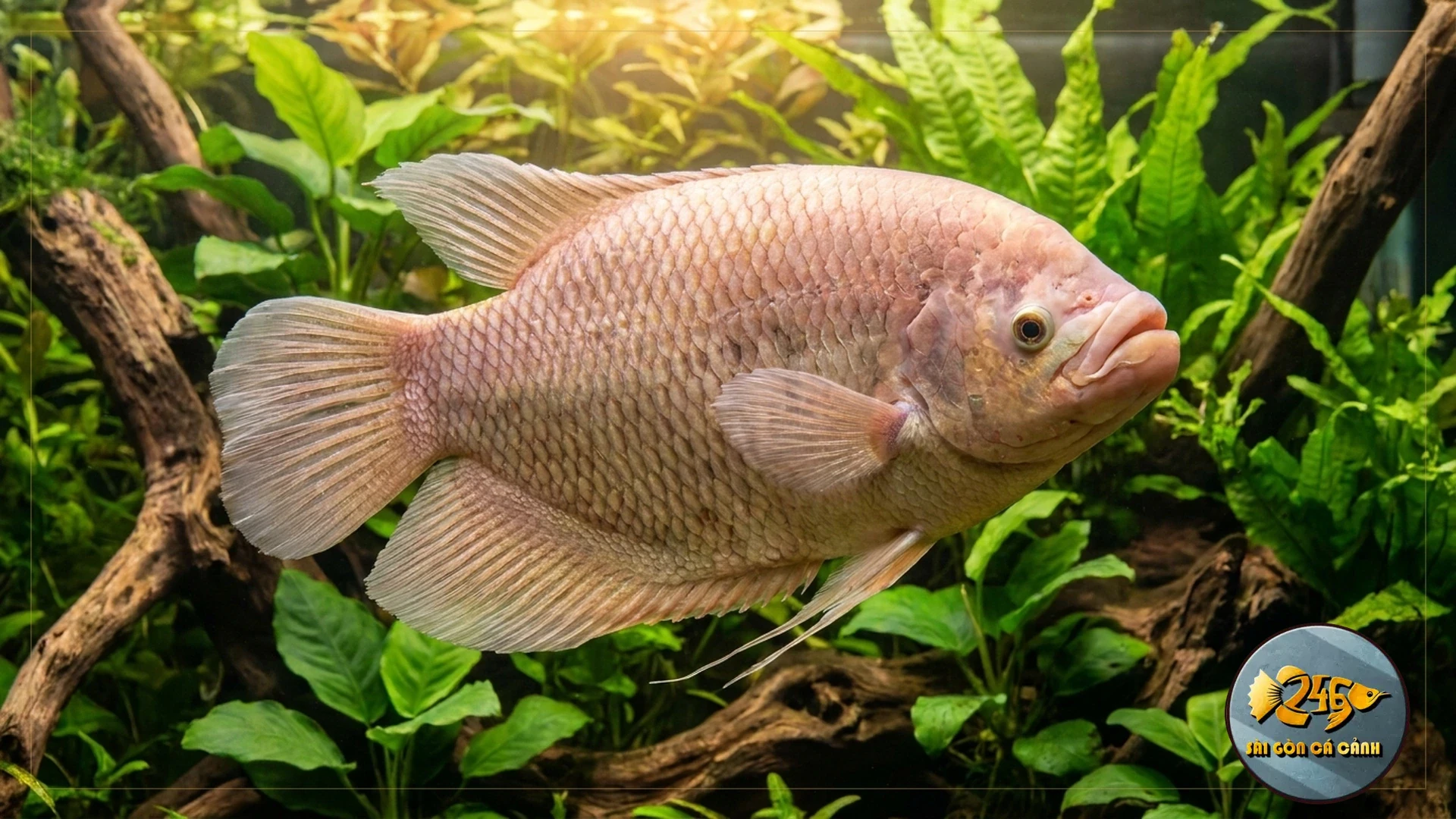
1. Overview: Gill Fluke (Dactylogyrus) in Giant Gourami
An egg-laying fluke on the gills; eggs hatch into swimming larvae that seek new hosts, faster in warm water. For Giant Gourami (Osphronemus goramy) (physiological thermal range 24–30°C, pH 6.5–7.8, hardness 6–15 dGH, TDS 150–320 ppm), the primary therapeutic objective is interrupting the life cycle of Dactylogyrus spp. in a dedicated hospital tank without inducing osmotic stress or gill damage. A large, long-lived fish; dose by total system volume and prefer baths in a separate tank.
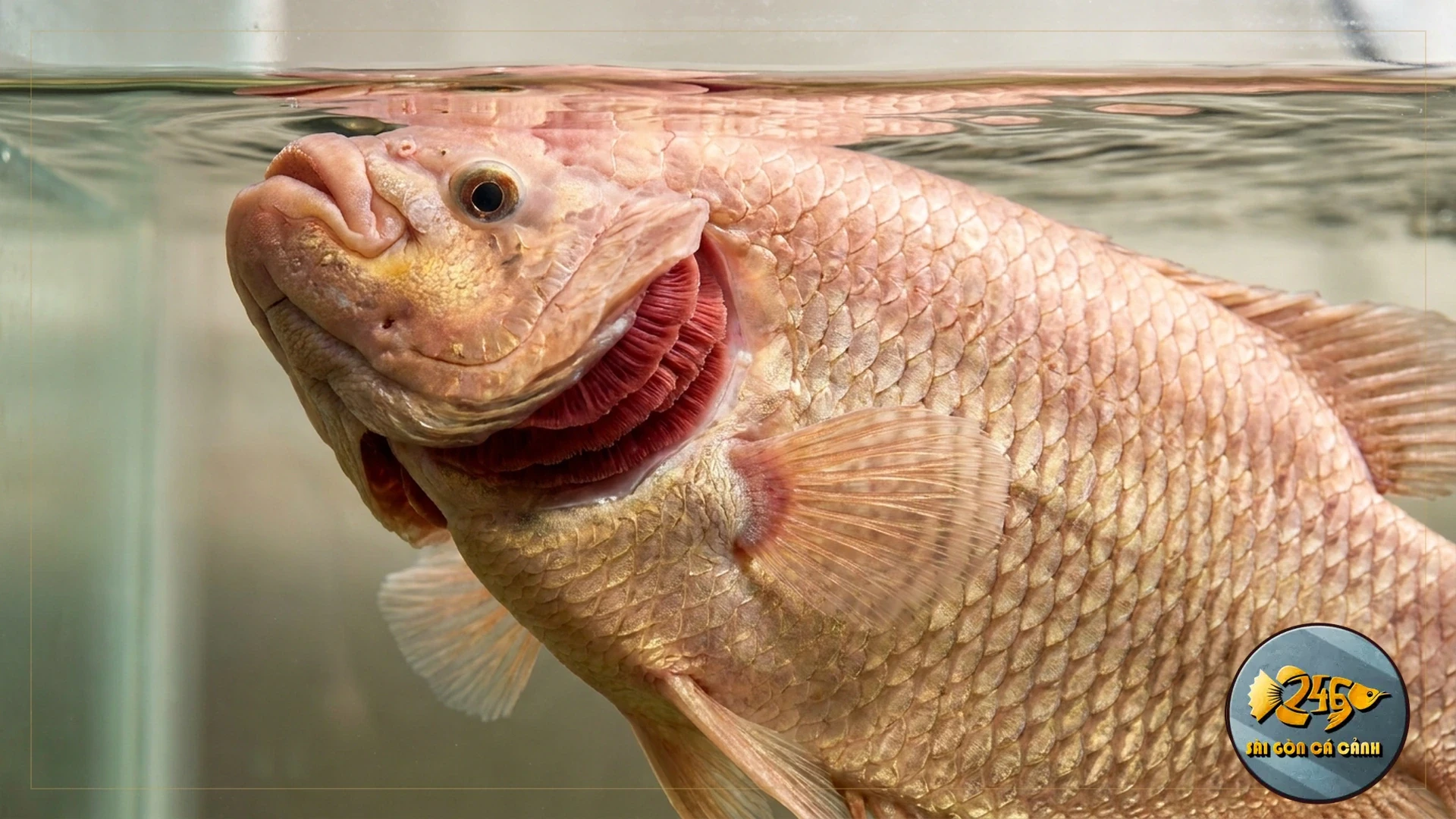
2. Signs to Recognise
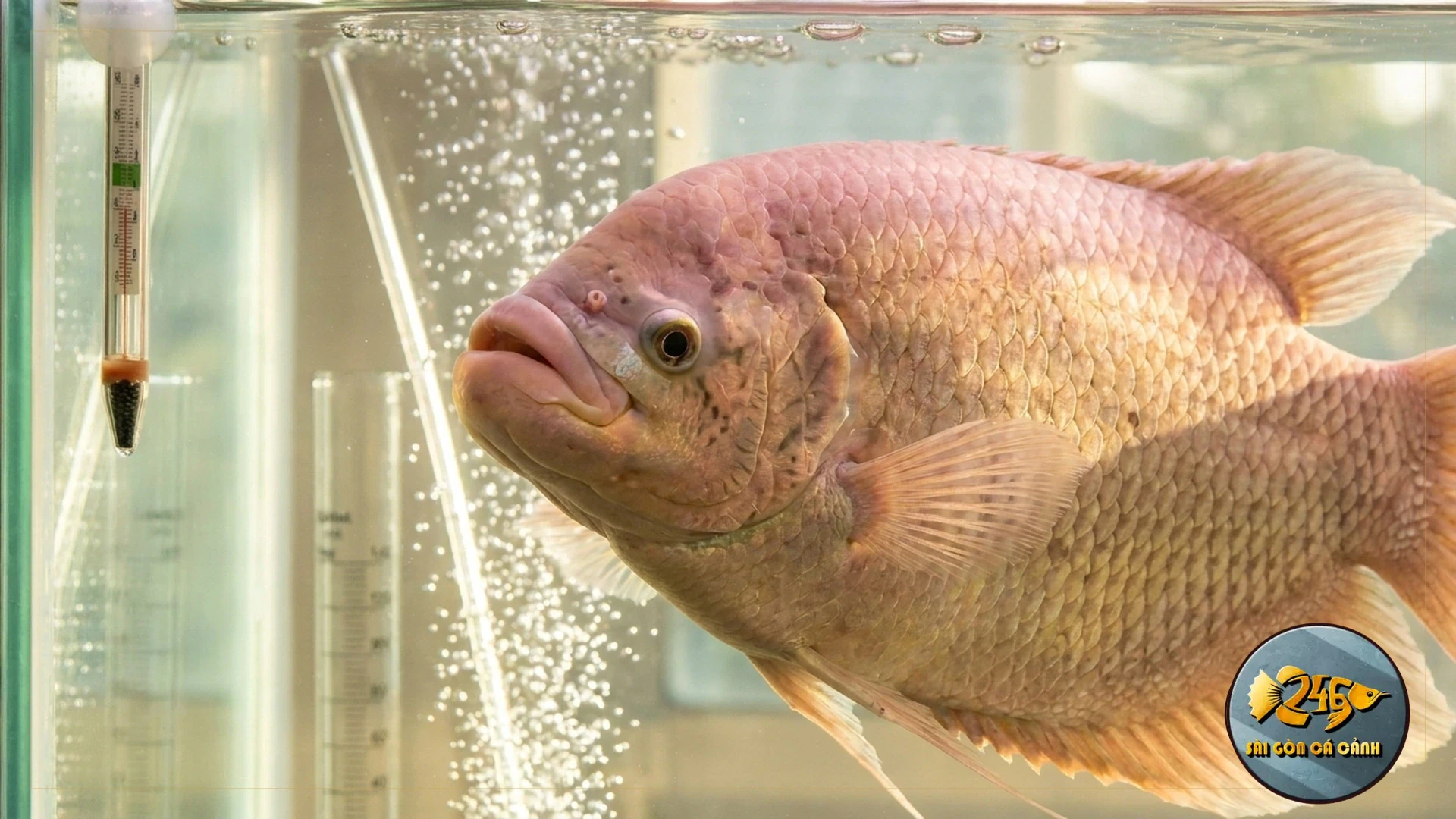
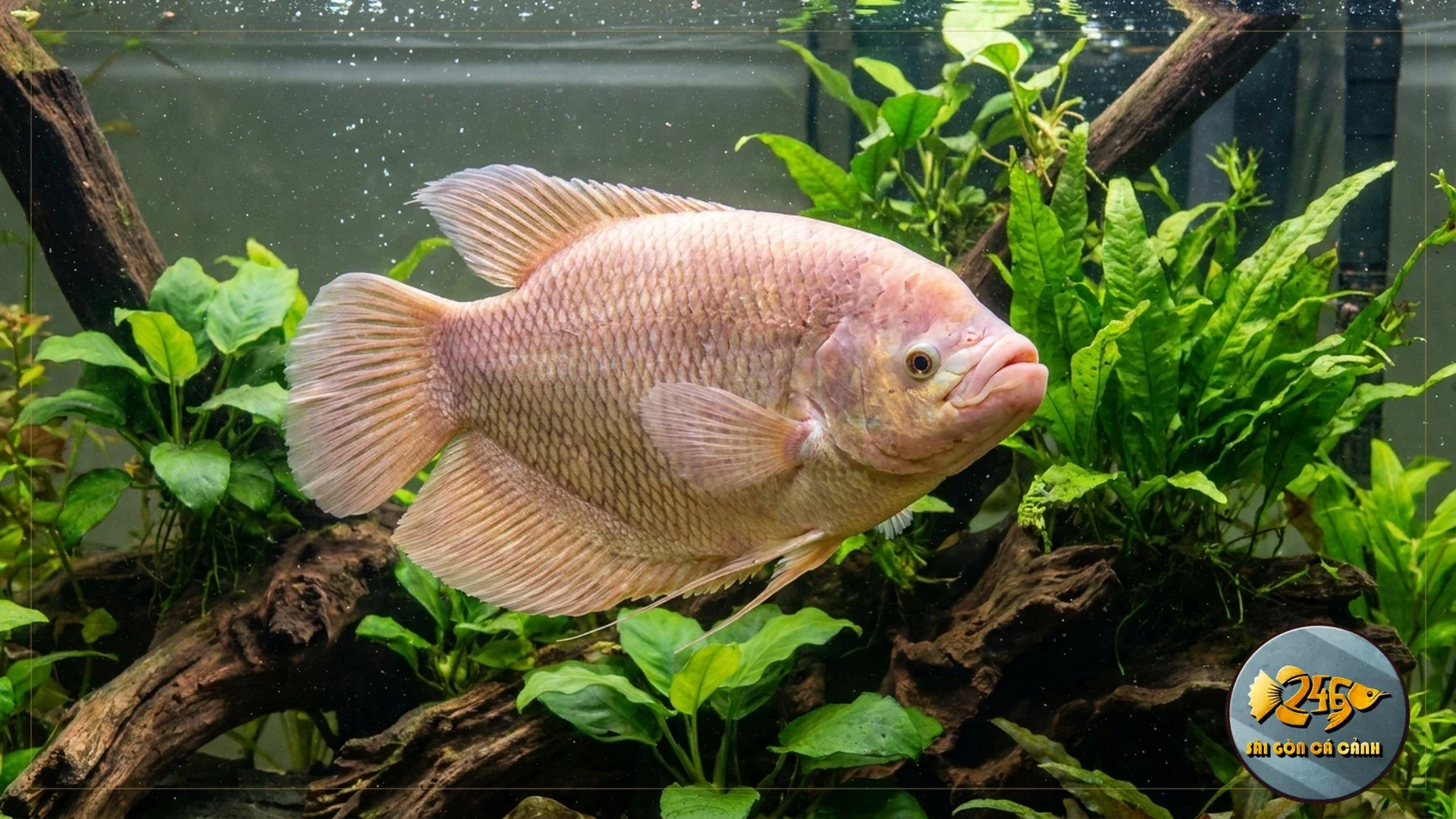
- Flared gill covers with red or pale gills: Characteristic pathological sign when Dactylogyrus spp. colonises target tissues in Giant Gourami; compare directly against the healthy conformation (Deep robust pinkish-gold or silver-grey body, characteristic thick lower lip, long intact pelvic filaments, and large evenly arranged scales.).
- Gasping near the surface: Clinical presentation observed in Giant Gourami as Dactylogyrus spp. compromises the epidermal or branchial barrier within the 24–30°C range.
- Rubbing gills and refusing food: Early warning indicator under 45-degree angled inspection for Giant Gourami (Osphronemus goramy); distinguish carefully from normal baseline behaviour (Choose calm, responsive fish that do not rub against the bottom and show zero red abrasions on the lips or opercula.).
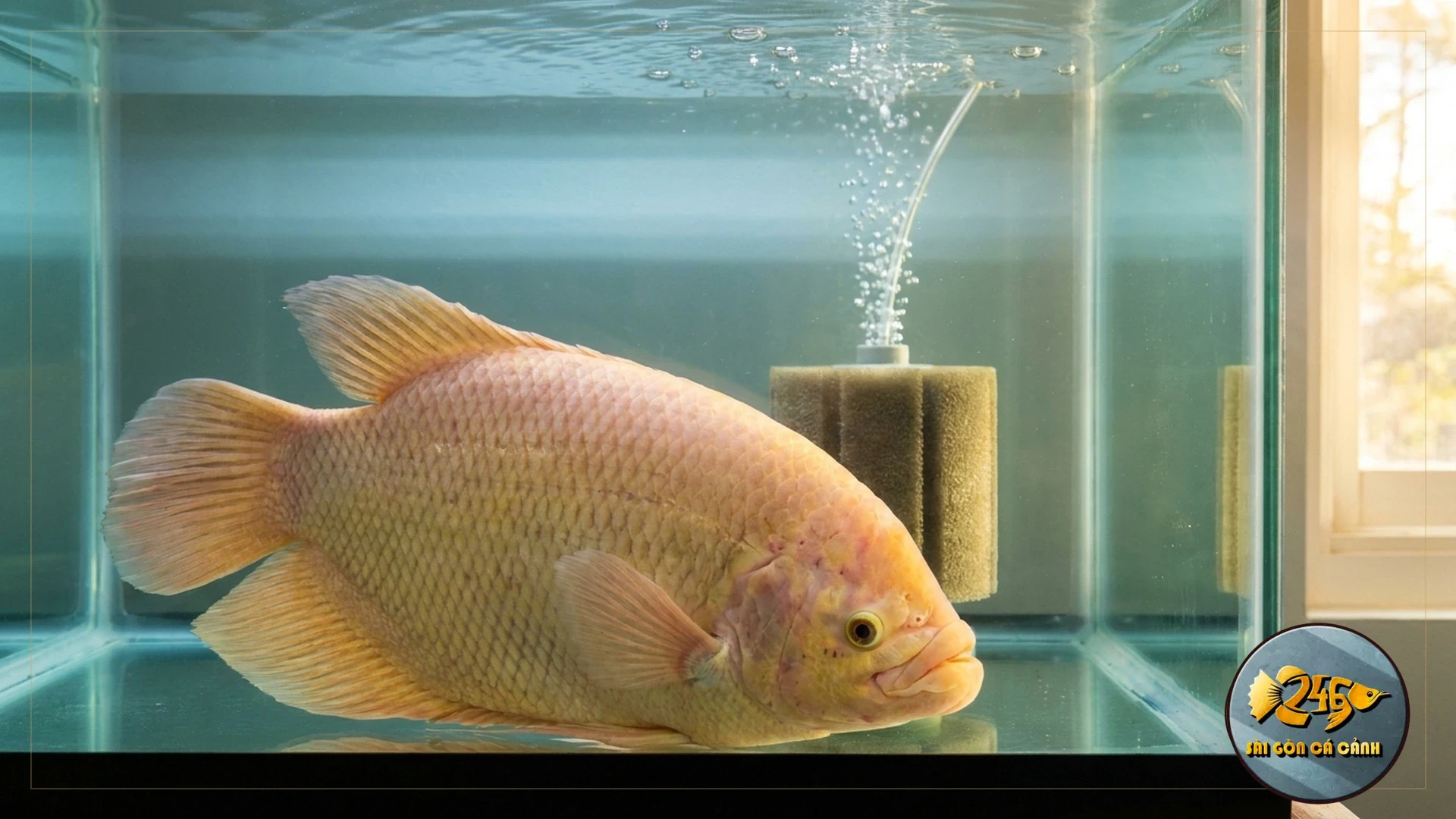
3. Diagnosis
A gill clip (from a dead fish) or gill mucus at 40x shows flukes with four eyespots.
Differential Workup in Quarantine (24–30°C, pH 6.5–7.8): Review recent water changes, live food sources, and stock introductions over the past 14 days alongside TDS 150–320 ppm and hardness 6–15 dGH before initiating targeted therapy against Dactylogyrus spp. in Giant Gourami (Osphronemus goramy).
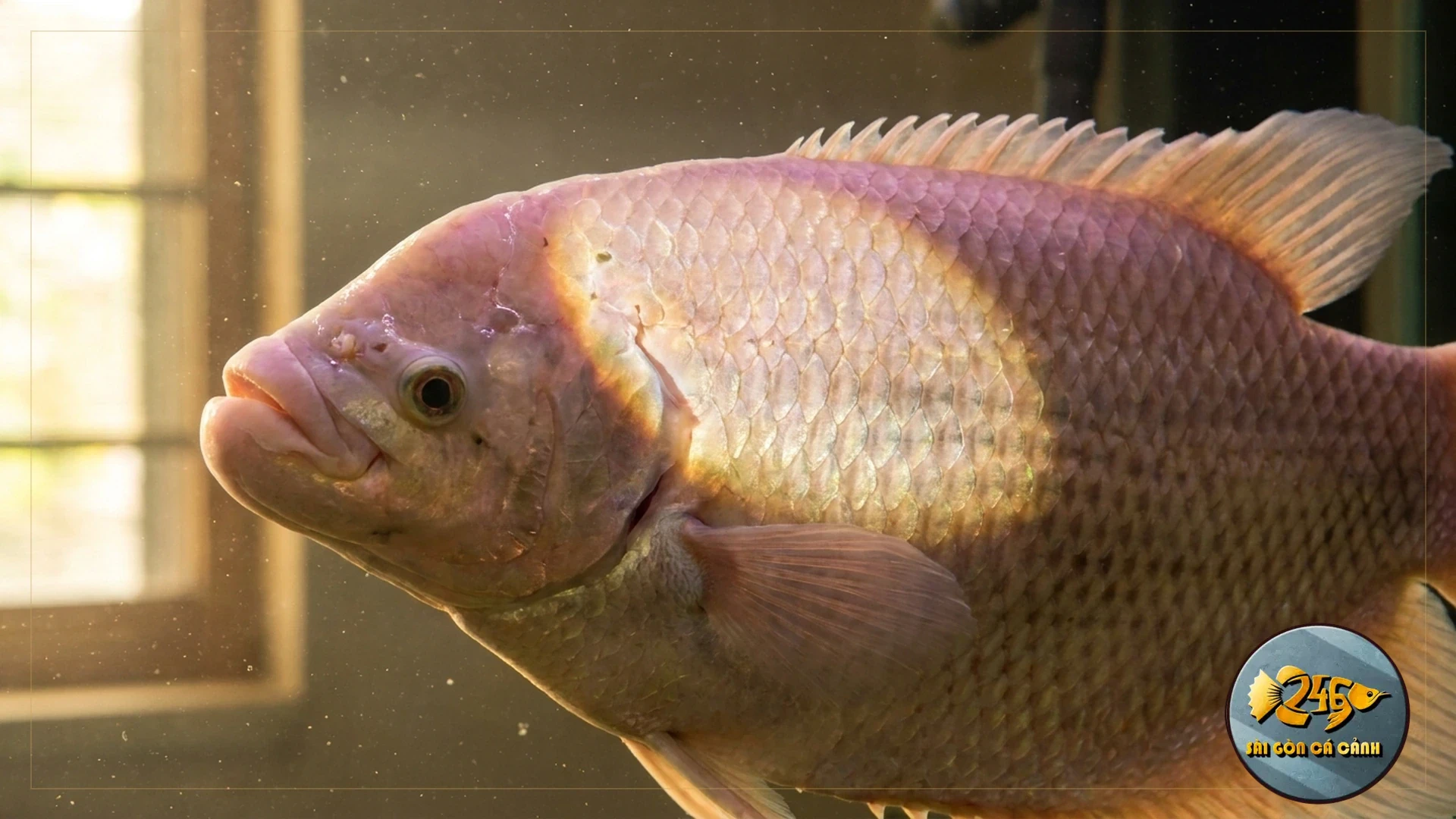
4. Cautious Management Plan
⚠️ Luôn tham vấn chuyên gia thú y thủy sản trước khi can thiệp hóa chất vào môi trường sống của cá.
⚠️ Luôn tham vấn chuyên gia thú y thủy sản trước khi can thiệp hóa chất vào môi trường sống của cá.
⚠️ When tap water pH and hardness differ greatly from the tank, change smaller amounts more often to avoid shock.
5. Prevention for Giant Gourami
- Repeat praziquantel after 5–7 days to kill new hatchlings
- Quarantine new fish
- Clean the substrate where eggs persist
6. Notes Specific to Giant Gourami
Species Physiology & Sensitivity Notes for Giant Gourami: A large, long-lived fish; dose by total system volume and prefer baths in a separate tank. Healthy morphological baseline: Deep robust pinkish-gold or silver-grey body, characteristic thick lower lip, long intact pelvic filaments, and large evenly arranged scales. Optimal water parameters: temperature 24–30°C, pH 6.5–7.8, hardness 6–15 dGH, TDS 150–320 ppm.
7. Medication Safety Principles
- Test the dose on 1–2 fish first and observe for 2–4 hours before treating the group.
- Remove activated carbon, switch off UV sterilisers and move invertebrates out of the treatment tank.
- Do not combine several medications without professional guidance.
- Dose by the true water volume (minus substrate, rock and wood), not the nominal tank size.
- If there is no improvement after one course, contact an aquatic veterinarian for microscopy and sensitivity testing.
8. Frequently Asked Questions
Yes, it can. Move affected fish to a hospital tank, use dedicated nets and tools, wash hands between tanks and watch the whole group for at least 2 weeks.
It depends on severity and species; usually monitor for 7–14 days after signs resolve. Do not stop a course early or raise the dose without guidance.
When there is no improvement after one course, deaths keep occurring, or a viral/notifiable disease is suspected — microscopy, PCR or sensitivity testing are needed.
9. References
- Noga, E. J. (2010). Fish Disease: Diagnosis and Treatment (2nd ed.). Wiley-Blackwell.
- Wildgoose, W. H. (Ed.). (2001). BSAVA Manual of Ornamental Fish (2nd ed.). British Small Animal Veterinary Association.
- Roberts, H. E. (Ed.). (2009). Fundamentals of Ornamental Fish Health. Wiley-Blackwell.
- WOAH / OIE (2023). Manual of Diagnostic Tests for Aquatic Animals. World Organisation for Animal Health.
- Yanong, R. P. E. — UF/IFAS Extension Circulars FA-7, FA-13, FA-14, FA-28 (University of Florida).