A practical guide to Treating Fish Lice in Ornamental Common Carp for Ornamental Common Carp (Cyprinus carpio): recognising signs, diagnosis and cautious management steps with safety warnings for ornamental fish keepers.
1. Overview: Fish Lice (Argulus) in Ornamental Common Carp
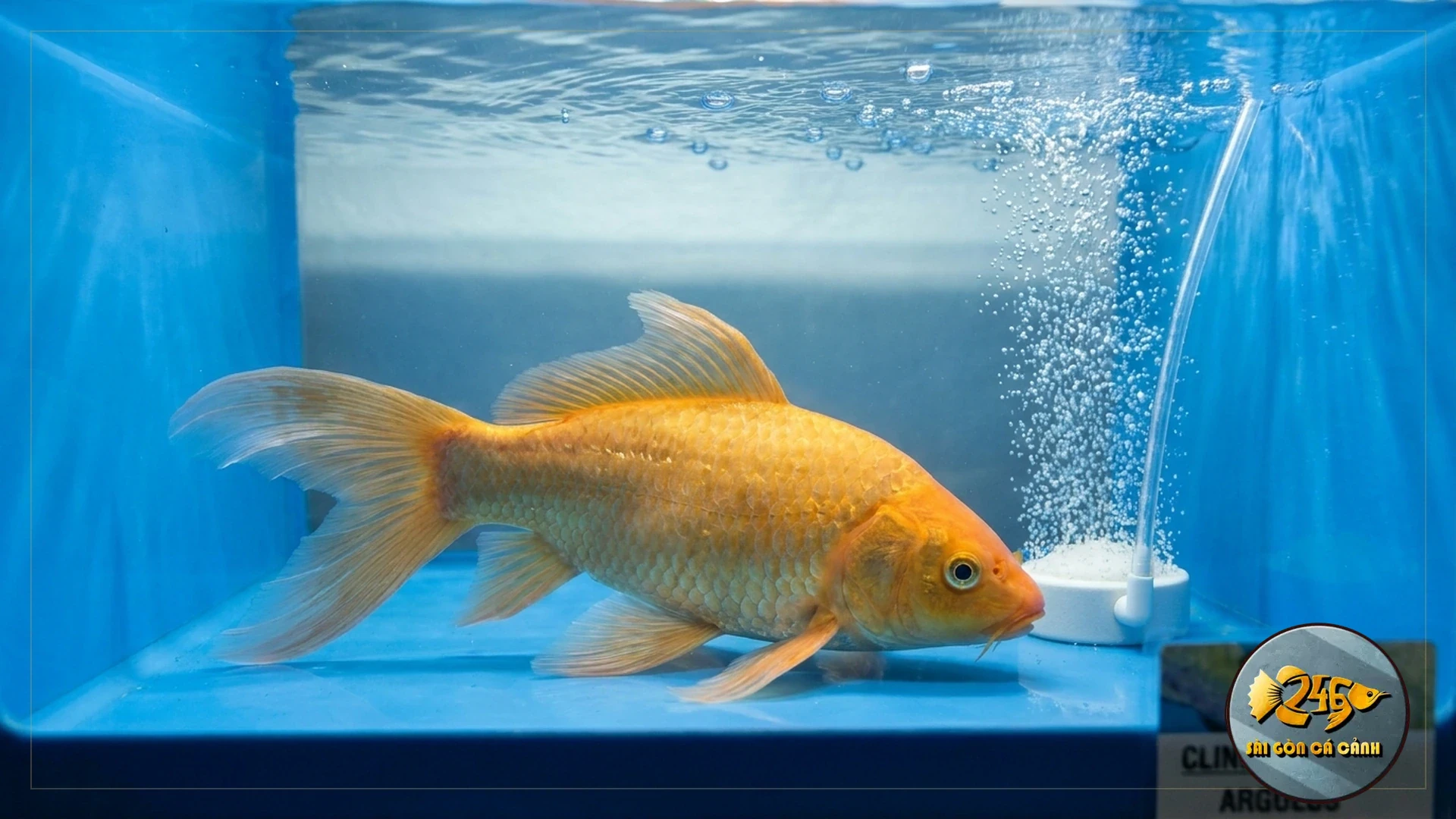
Cá chép trang trí thường được giới thiệu cùng với cá mới hoặc thức ăn sống, trong khi các loài giáp xác hút máu như Argulus spp. có thể đẻ trứng trên đá và thành hồ. Để kiểm soát hiệu quả vòng đời của ký sinh trùng này mà không gây stress thẩm thấu hay tổn thương mang, bạn nên cách ly cá bệnh vào bể điều trị riêng biệt. Cá chép chịu được muối và hầu hết các liệu pháp ngâm rửa tốt, nhưng cần đặc biệt lưu ý tránh tình trạng thiếu oxy trong nước ấm khi xử lý. Luôn sử dụng nước sạch, duy trì nhiệt độ phù hợp và tuân thủ hướng dẫn của bác sĩ thú y hoặc chuyên gia để đảm bảo an toàn cho sức khỏe của cá.
2. Signs to Recognise
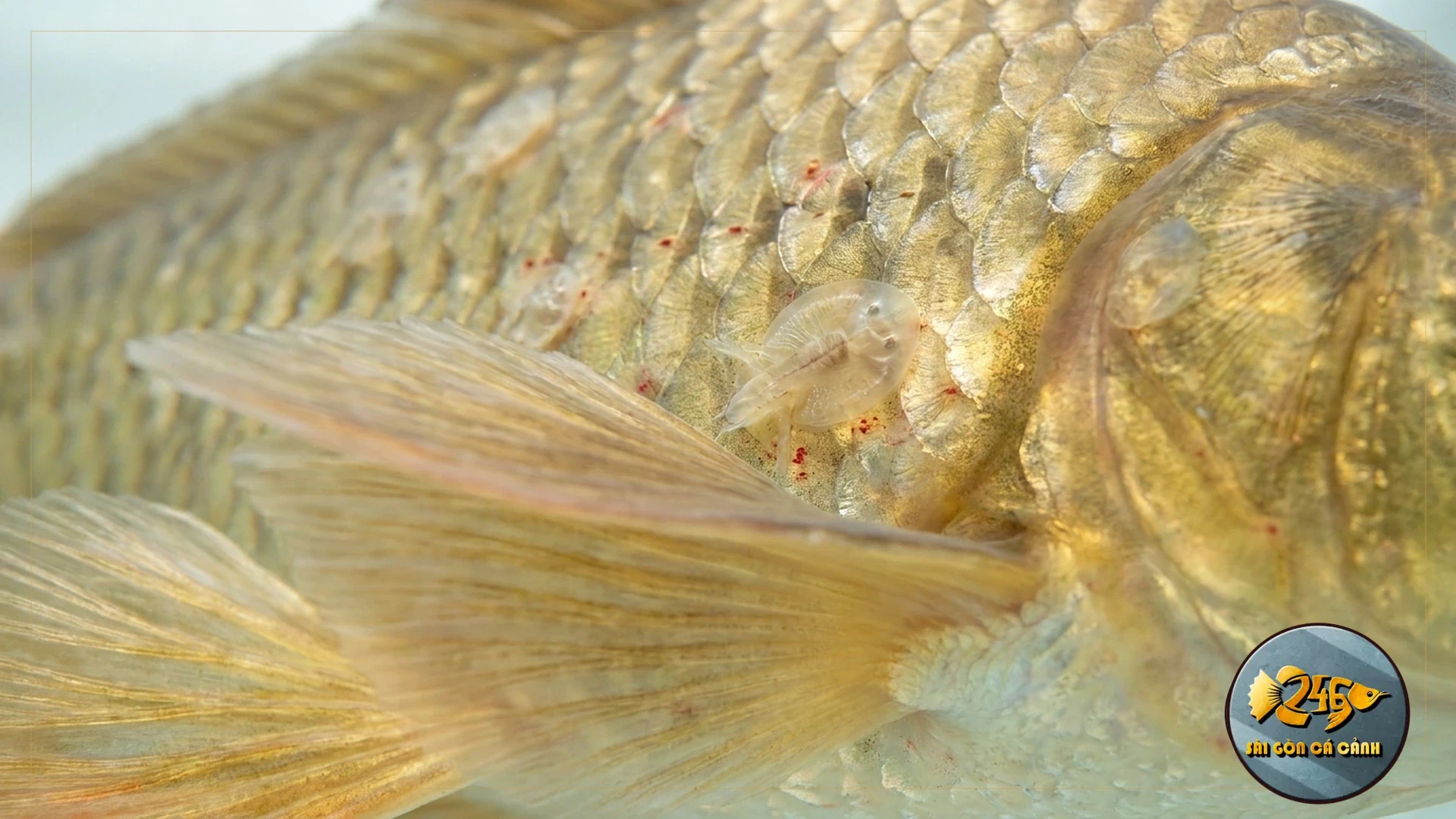
- Visible flat disc-shaped lice 5–10 mm on the body: Focal lesion driven by Argulus spp. virulence in Ornamental Common Carp, warranting immediate hospital-tank isolation to prevent horizontal transmission.
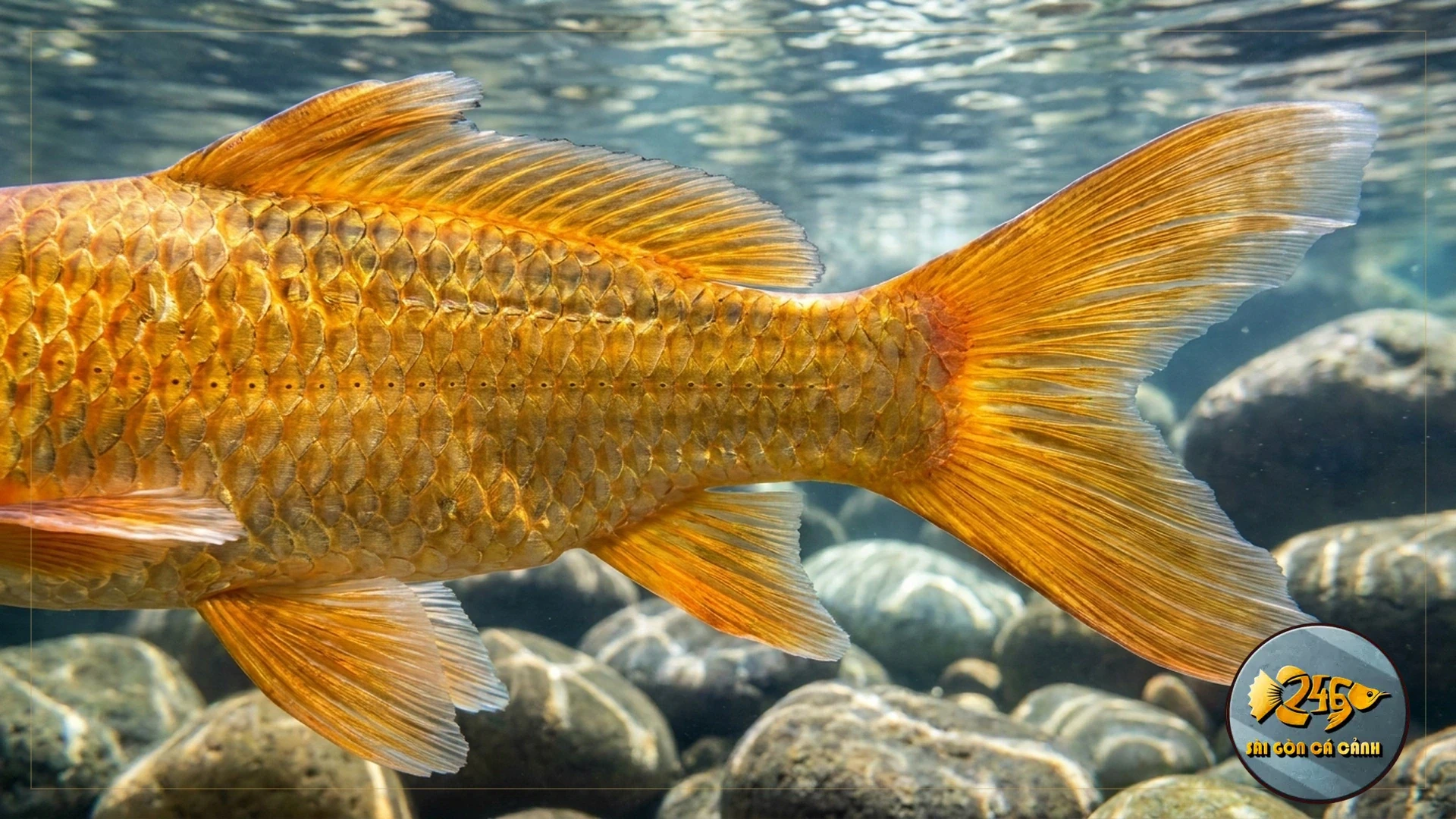
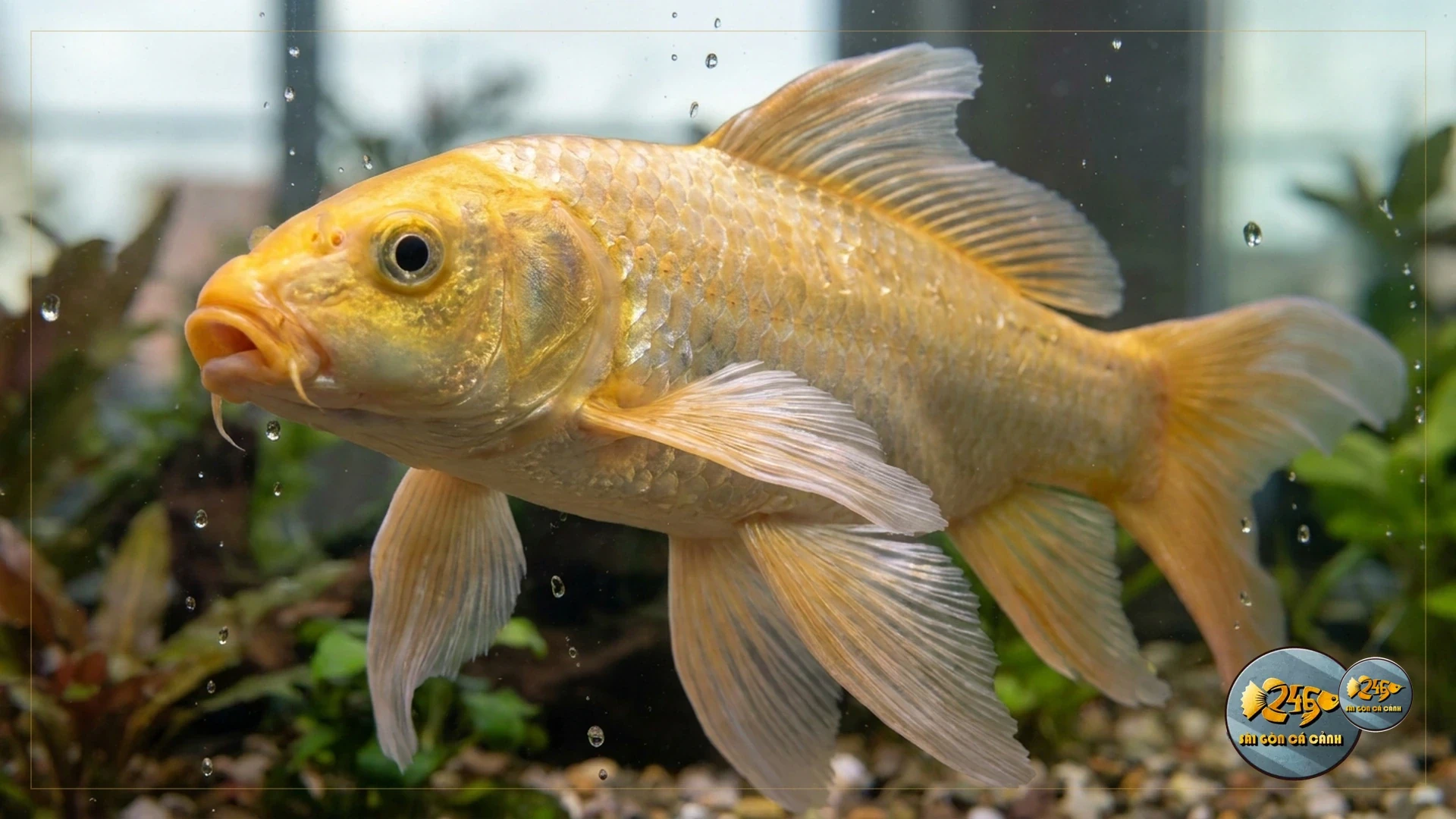
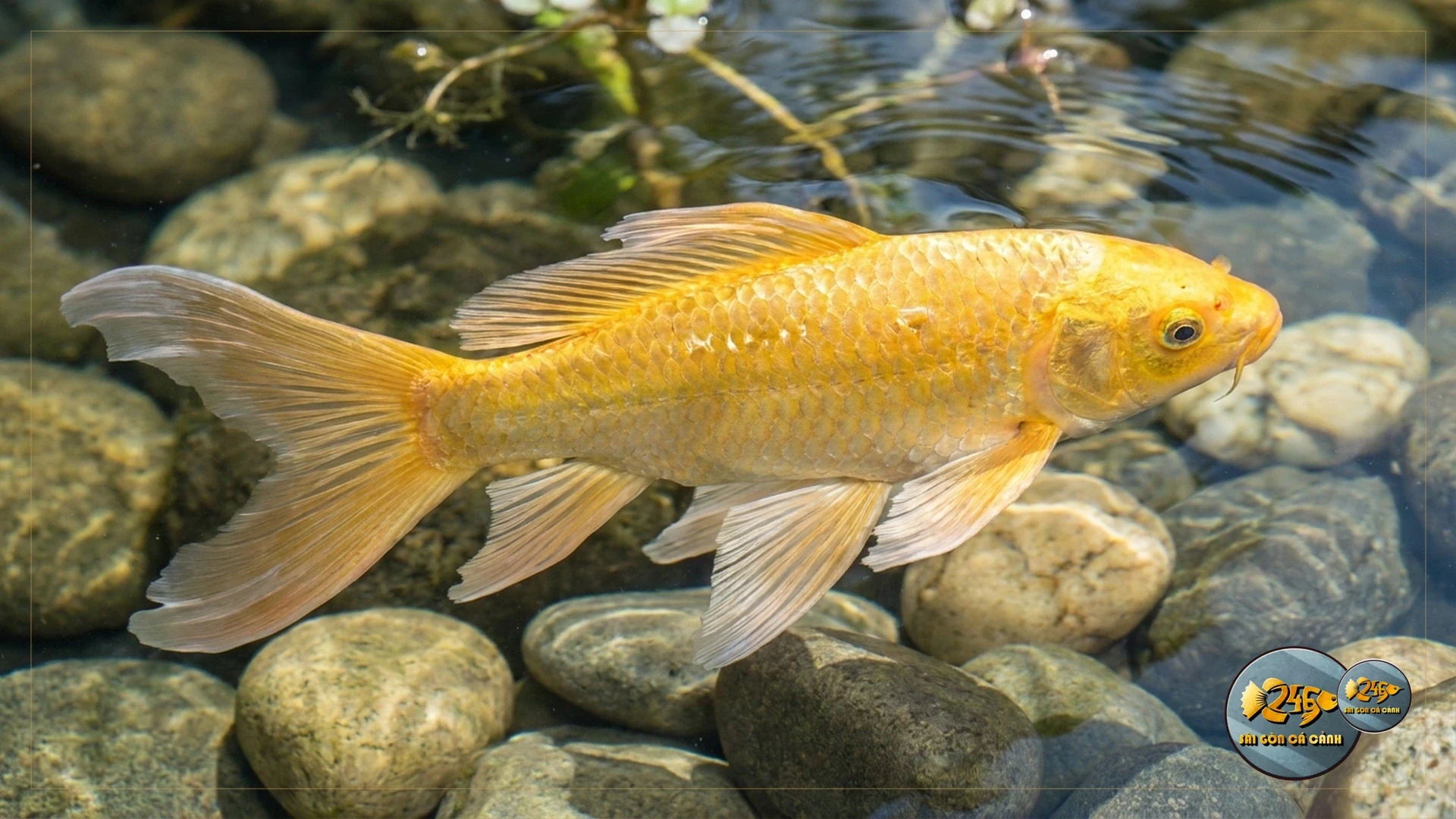
- Red marks around attachment sites: Characteristic pathological sign when Argulus spp. colonises target tissues in Ornamental Common Carp; compare directly against the healthy conformation (Deep muscular body, long flowing intact fins without fraying, uniform metallic scales, and two pairs of intact maxillary barbels.).
- Jumping and violent flashing: Clinical presentation observed in Ornamental Common Carp as Argulus spp. compromises the epidermal or branchial barrier within the 15–28°C range.
3. Diagnosis
Visible to the naked eye or a magnifier; translucent lice with two round suckers.
Water Quality Audit & Toxicosis Exclusion: Before dosing any therapeutic agent for Ornamental Common Carp, verify NH3/NH4+ = 0.00 mg/L, NO2- = 0.00 mg/L, pH 6.8–7.8, and temperature 15–28°C using a liquid drop test kit to rule out acute ammonia burn or pH shock mimicking Argulus spp.. Select fish with brisk feeding response, erect dorsal fin, and zero ventral petechiae or cloudy mucus.
4. Cautious Management Plan
⚠️ Luôn tham vấn chuyên gia thú y thủy sản trước khi can thiệp hóa chất vào môi trường sống của cá.
⚠️ Catfish, loaches, Corydoras and live plants tolerate salt poorly: do not exceed 1 g/L. Salt does not evaporate — it only leaves through water changes.
⚠️ When tap water pH and hardness differ greatly from the tank, change smaller amounts more often to avoid shock.
5. Prevention for Ornamental Common Carp
- Remove lice with tweezers under light sedation as advised by a vet
- Scrape egg strings off pond walls
- Avoid live food from wild ponds
6. Notes Specific to Ornamental Common Carp
Việc dùng thuốc cần hỏi bác sĩ thú y hoặc chuyên gia để chọn đúng thuốc, đúng liều.
7. Medication Safety Principles
- Test the dose on 1–2 fish first and observe for 2–4 hours before treating the group.
- Remove activated carbon, switch off UV sterilisers and move invertebrates out of the treatment tank.
- Do not combine several medications without professional guidance.
- Dose by the true water volume (minus substrate, rock and wood), not the nominal tank size.
- If there is no improvement after one course, contact an aquatic veterinarian for microscopy and sensitivity testing.
8. Frequently Asked Questions
Yes, it can. Move affected fish to a hospital tank, use dedicated nets and tools, wash hands between tanks and watch the whole group for at least 2 weeks.
It depends on severity and species; usually monitor for 7–14 days after signs resolve. Do not stop a course early or raise the dose without guidance.
When there is no improvement after one course, deaths keep occurring, or a viral/notifiable disease is suspected — microscopy, PCR or sensitivity testing are needed.
9. References
- Noga, E. J. (2010). Fish Disease: Diagnosis and Treatment (2nd ed.). Wiley-Blackwell.
- Wildgoose, W. H. (Ed.). (2001). BSAVA Manual of Ornamental Fish (2nd ed.). British Small Animal Veterinary Association.
- Roberts, H. E. (Ed.). (2009). Fundamentals of Ornamental Fish Health. Wiley-Blackwell.
- WOAH / OIE (2023). Manual of Diagnostic Tests for Aquatic Animals. World Organisation for Animal Health.
- Yanong, R. P. E. — UF/IFAS Extension Circulars FA-7, FA-13, FA-14, FA-28 (University of Florida).