A practical guide to Treating Fin and Tail Rot in Clown Loach for Clown Loach (Chromobotia macracanthus): recognising signs, diagnosis and cautious management steps with safety warnings for ornamental fish keepers.
1. Overview: Fin and Tail Rot in Clown Loach
A secondary bacterial infection driven by poor water, fin nipping or abrasions. For Clown Loach (Chromobotia macracanthus) (physiological thermal range 25–29°C, pH 6.5–7.4, hardness 4–10 dGH, TDS 100–220 ppm), the primary therapeutic objective is interrupting the life cycle of Aeromonas / Pseudomonas / Flavobacterium spp. in a dedicated hospital tank without inducing osmotic stress or gill damage. Tiny scales, very prone to white spot and drug-sensitive — always use half dose.
2. Signs to Recognise
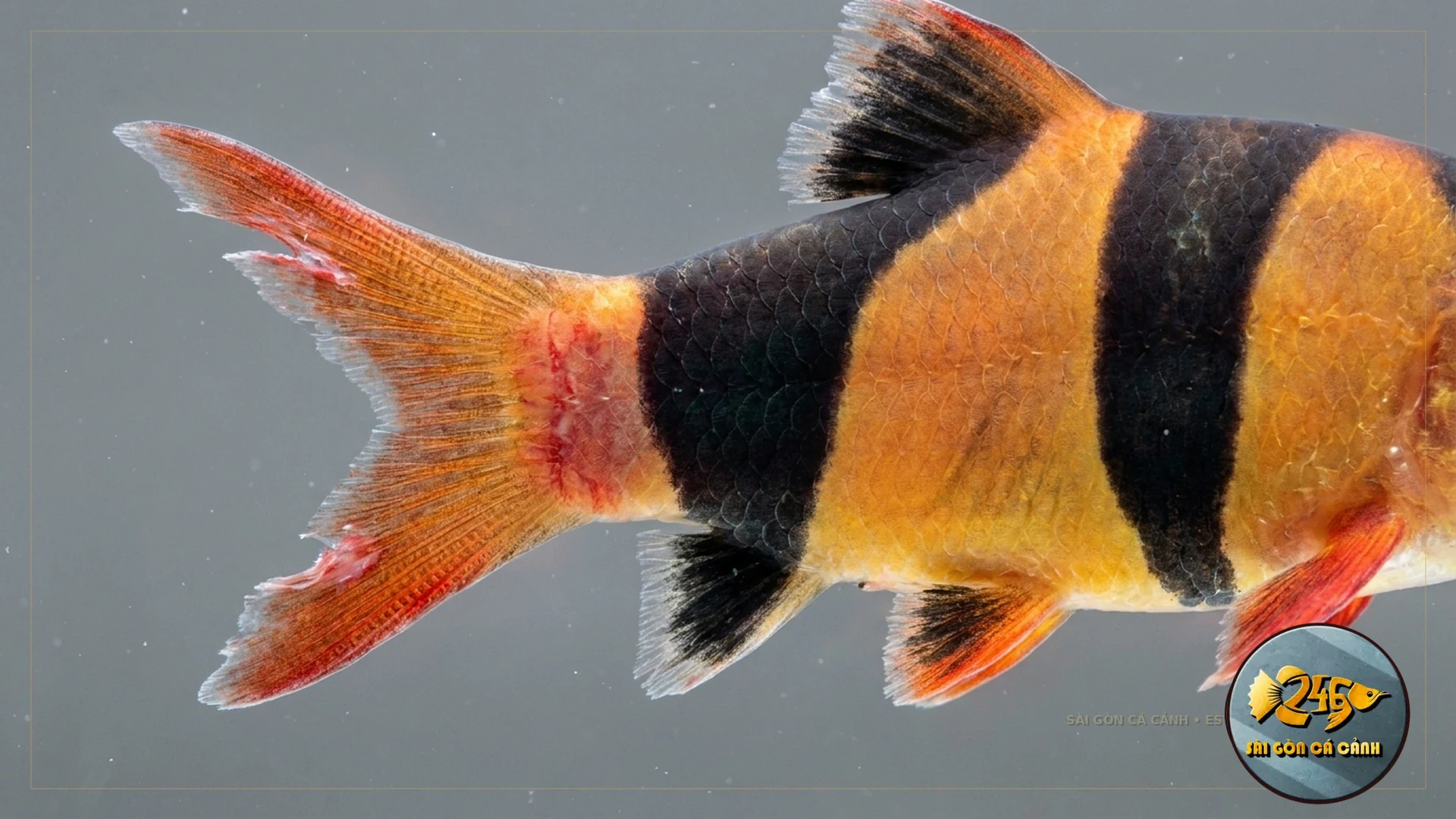
- Milky fin edges that become ragged: Early warning indicator under 45-degree angled inspection for Clown Loach (Chromobotia macracanthus); distinguish carefully from normal baseline behaviour (Check skin closely under direct light, as this micro-scaled loach frequently harbours early pinpoint Ich trophonts on pectoral fins.).
- Inflamed red fin margins: Focal lesion driven by Aeromonas / Pseudomonas / Flavobacterium spp. virulence in Clown Loach, warranting immediate hospital-tank isolation to prevent horizontal transmission.
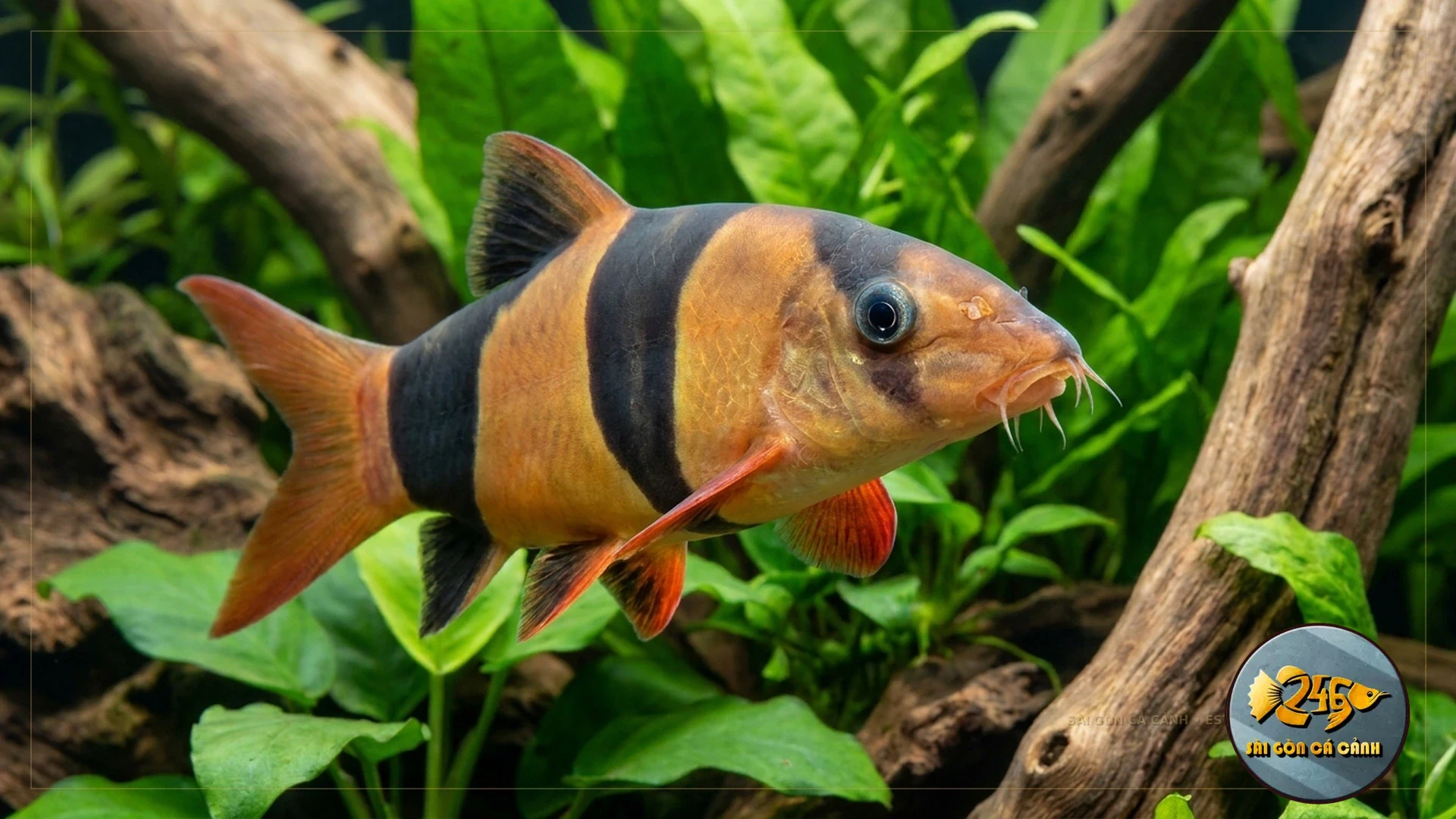
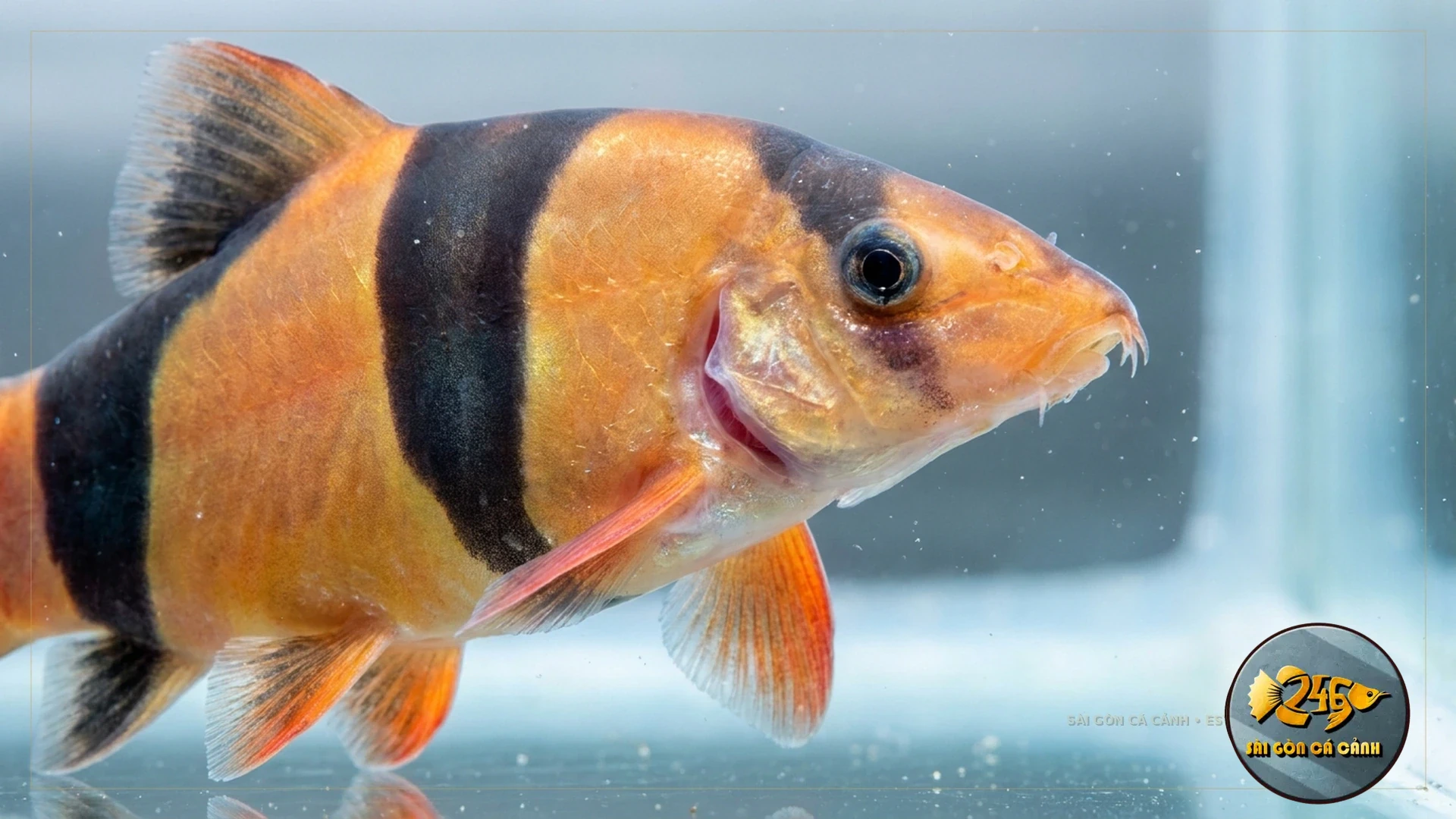
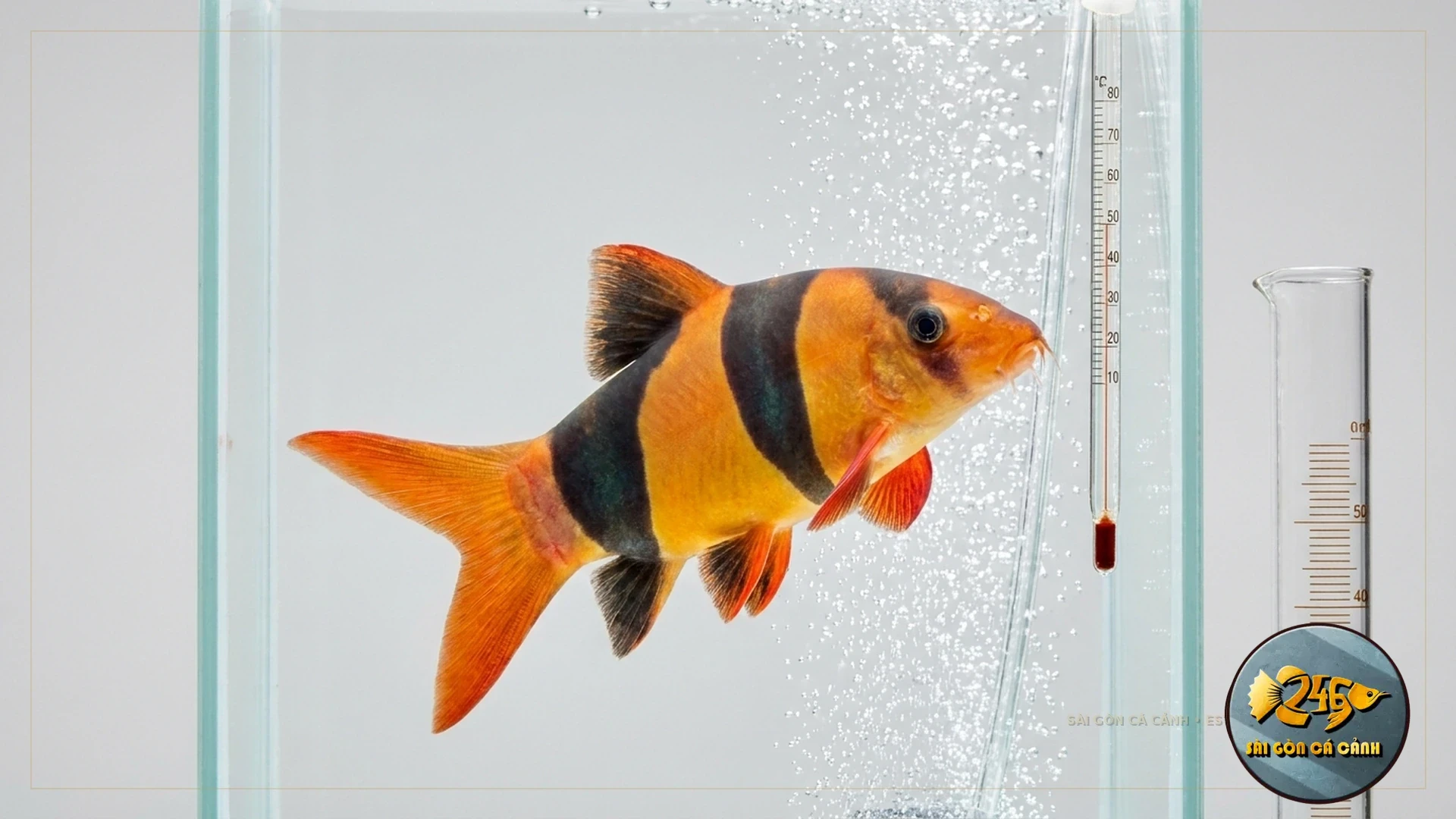
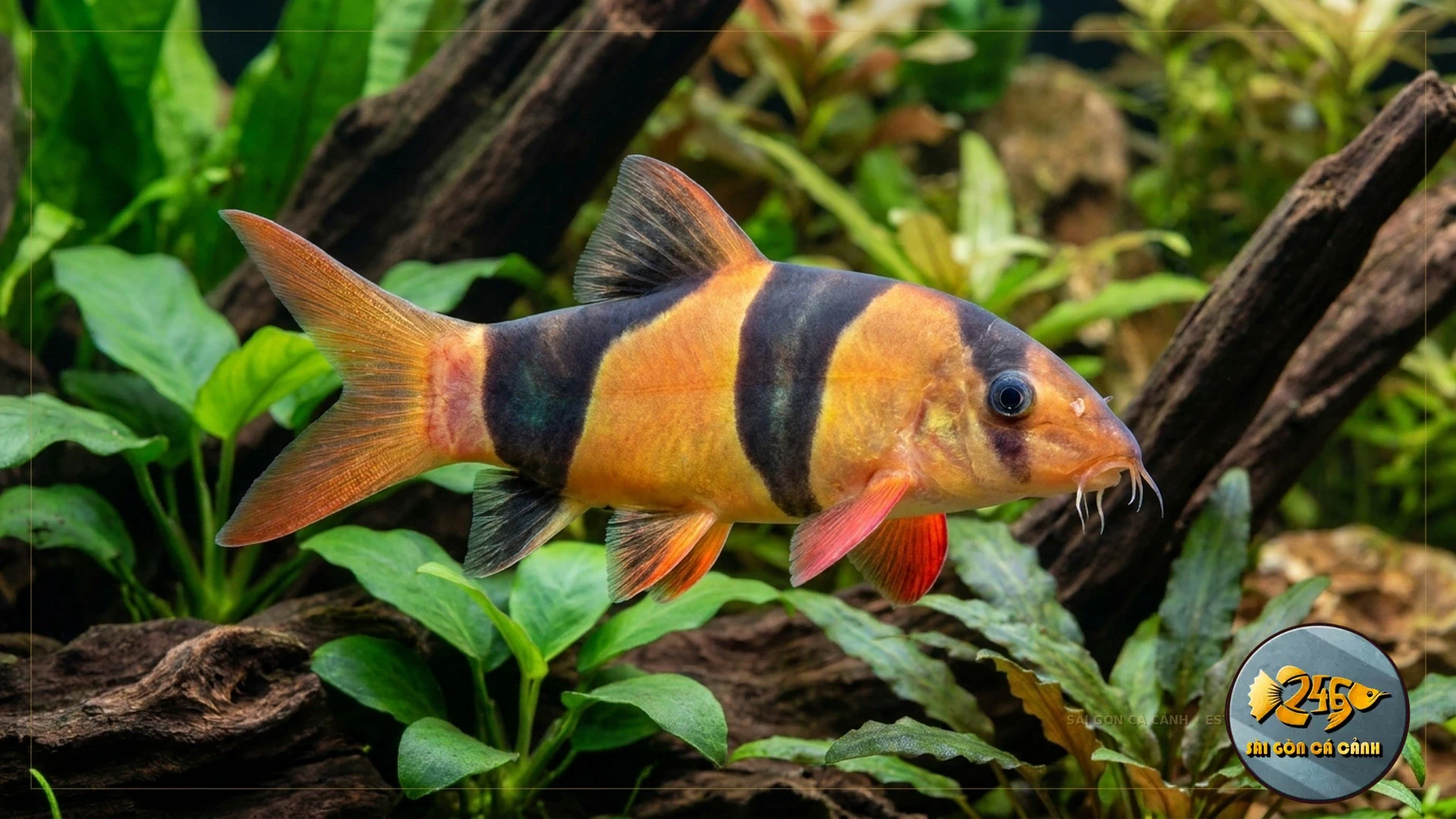
- Fins shorten progressively, severe cases reach the base: Characteristic pathological sign when Aeromonas / Pseudomonas / Flavobacterium spp. colonises target tissues in Clown Loach; compare directly against the healthy conformation (Bright orange body crossed by three bold black saddle bands, plump dorsal musculature without “skinny disease” wasting, and four pairs of intact barbels.).
3. Diagnosis
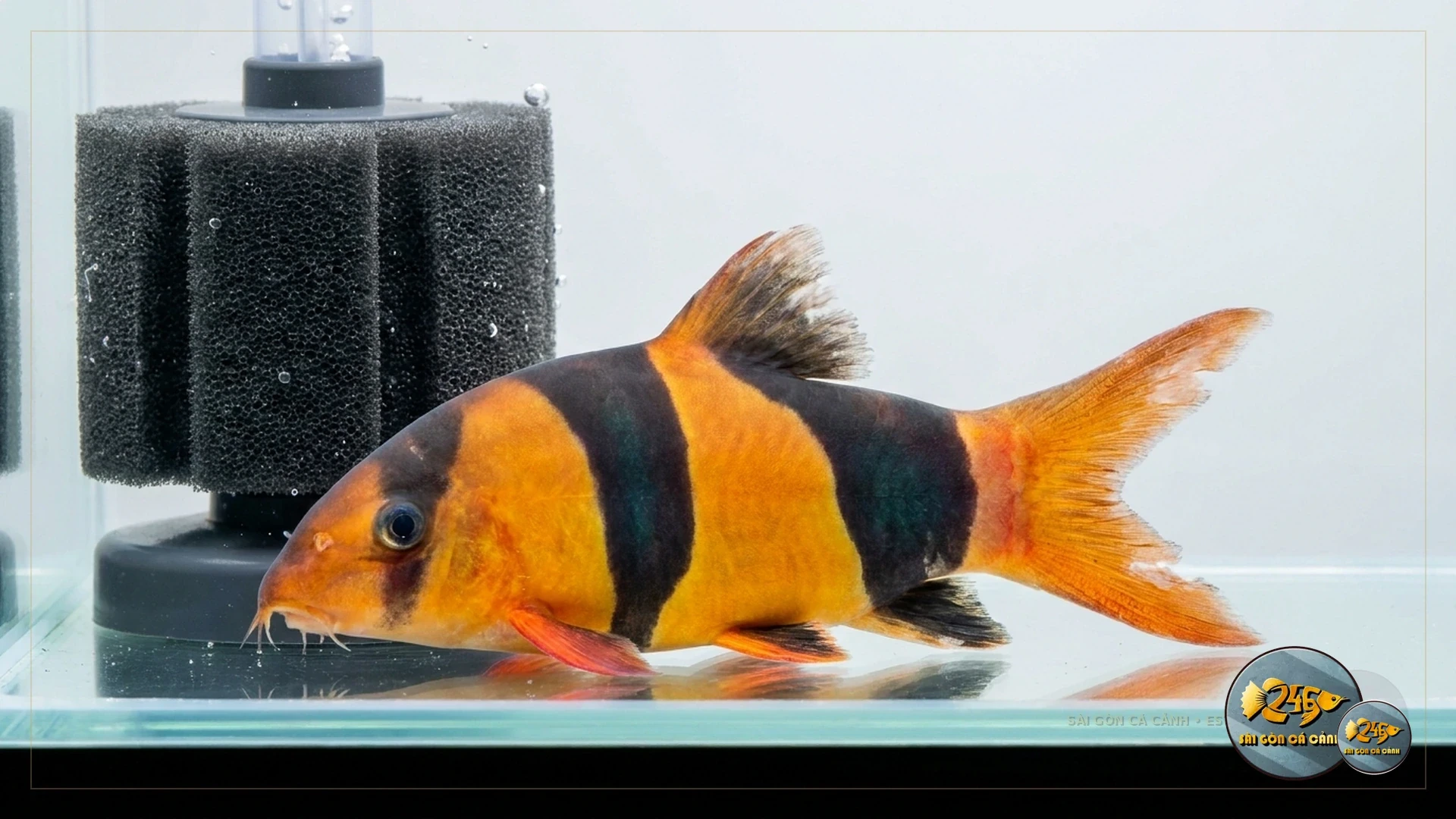
Clinical observation; examine fin edges microscopically to rule out columnaris and fungus.
Clinical Inspection & Morphological Baseline in Clown Loach: Observe the specimen in an aerated inspection vessel, comparing opercular beat rate (60–80/min), corneal clarity, and fin margins against the species standard (Bright orange body crossed by three bold black saddle bands, plump dorsal musculature without “skinny disease” wasting, and four pairs of intact barbels.), while confirming zero ammonia and nitrite at pH 6.5–7.4.
4. Cautious Management Plan
⚠️ When tap water pH and hardness differ greatly from the tank, change smaller amounts more often to avoid shock.
⚠️ Catfish, loaches, Corydoras and live plants tolerate salt poorly: do not exceed 1 g/L. Salt does not evaporate — it only leaves through water changes.
⚠️ Luôn tham vấn chuyên gia thú y thủy sản trước khi can thiệp hóa chất vào môi trường sống của cá.
⚠️ Test ammonia/nitrite daily because medications can kill the biofilter.
5. Prevention for Clown Loach
- Regular water changes
- Avoid fin-nipping tankmates
- No sharp-edged decor
6. Notes Specific to Clown Loach
Species Physiology & Sensitivity Notes for Clown Loach: Tiny scales, very prone to white spot and drug-sensitive — always use half dose. Healthy morphological baseline: Bright orange body crossed by three bold black saddle bands, plump dorsal musculature without “skinny disease” wasting, and four pairs of intact barbels. Optimal water parameters: temperature 25–29°C, pH 6.5–7.4, hardness 4–10 dGH, TDS 100–220 ppm.
7. Medication Safety Principles
- Test the dose on 1–2 fish first and observe for 2–4 hours before treating the group.
- Remove activated carbon, switch off UV sterilisers and move invertebrates out of the treatment tank.
- Do not combine several medications without professional guidance.
- Dose by the true water volume (minus substrate, rock and wood), not the nominal tank size.
- If there is no improvement after one course, contact an aquatic veterinarian for microscopy and sensitivity testing.
8. Frequently Asked Questions
Yes, it can. Move affected fish to a hospital tank, use dedicated nets and tools, wash hands between tanks and watch the whole group for at least 2 weeks.
It depends on severity and species; usually monitor for 7–14 days after signs resolve. Do not stop a course early or raise the dose without guidance.
When there is no improvement after one course, deaths keep occurring, or a viral/notifiable disease is suspected — microscopy, PCR or sensitivity testing are needed.
9. References
- Noga, E. J. (2010). Fish Disease: Diagnosis and Treatment (2nd ed.). Wiley-Blackwell.
- Wildgoose, W. H. (Ed.). (2001). BSAVA Manual of Ornamental Fish (2nd ed.). British Small Animal Veterinary Association.
- Roberts, H. E. (Ed.). (2009). Fundamentals of Ornamental Fish Health. Wiley-Blackwell.
- WOAH / OIE (2023). Manual of Diagnostic Tests for Aquatic Animals. World Organisation for Animal Health.
- Yanong, R. P. E. — UF/IFAS Extension Circulars FA-7, FA-13, FA-14, FA-28 (University of Florida).