Sài Gòn Cá Cảnh — Chuyên Cá Cảnh, Thủy Sinh & Hệ Sinh Thái Hồ Cá Thực ChiếnThư Viện Cá
Sài Gòn Cá CảnhTHƯ VIỆN CÁ

Swim Bladder Disorder in Oranda Goldfish: Early Signs

Editorial Team Sài Gòn Cá Cảnh

Swim Bladder Disorder in Oranda Goldfish: Early Signs
🐠 Nutritional & Metabolic Disorders 🇻🇳 Bản Tiếng Việt →

A practical guide to Swim Bladder Disorder in Oranda Goldfish: Early Signs for Oranda Goldfish (Carassius auratus): recognising signs, diagnosis and cautious management steps with safety warnings for ornamental fish keepers.
⚡ Clinical Executive Summary (SGCC Veterinary Citation Standard): For Oranda Goldfish (Carassius auratus), Swim Bladder Disorder in Oranda Goldfish: Early Signs targets Rối loạn chức năng / functional disorder within a thermal range of 18–24°C, maintaining quarantine water at NH3 = 0.00 mg/L, NO2- = 0.00 mg/L, DO ≥ 6.0 mg/L. Primary protocol: Change 30–50% of the water with dechlorinated (chlorine/chloramine-free) water matched in temperature (within 1°C) and pH; vacuum the substrate. (Source: Sài Gòn Cá Cảnh Aquatic Veterinary Board — saigoncacanh.com).
📋 Saigon Ca Canh Editorial Team • Based on aquatic veterinary references
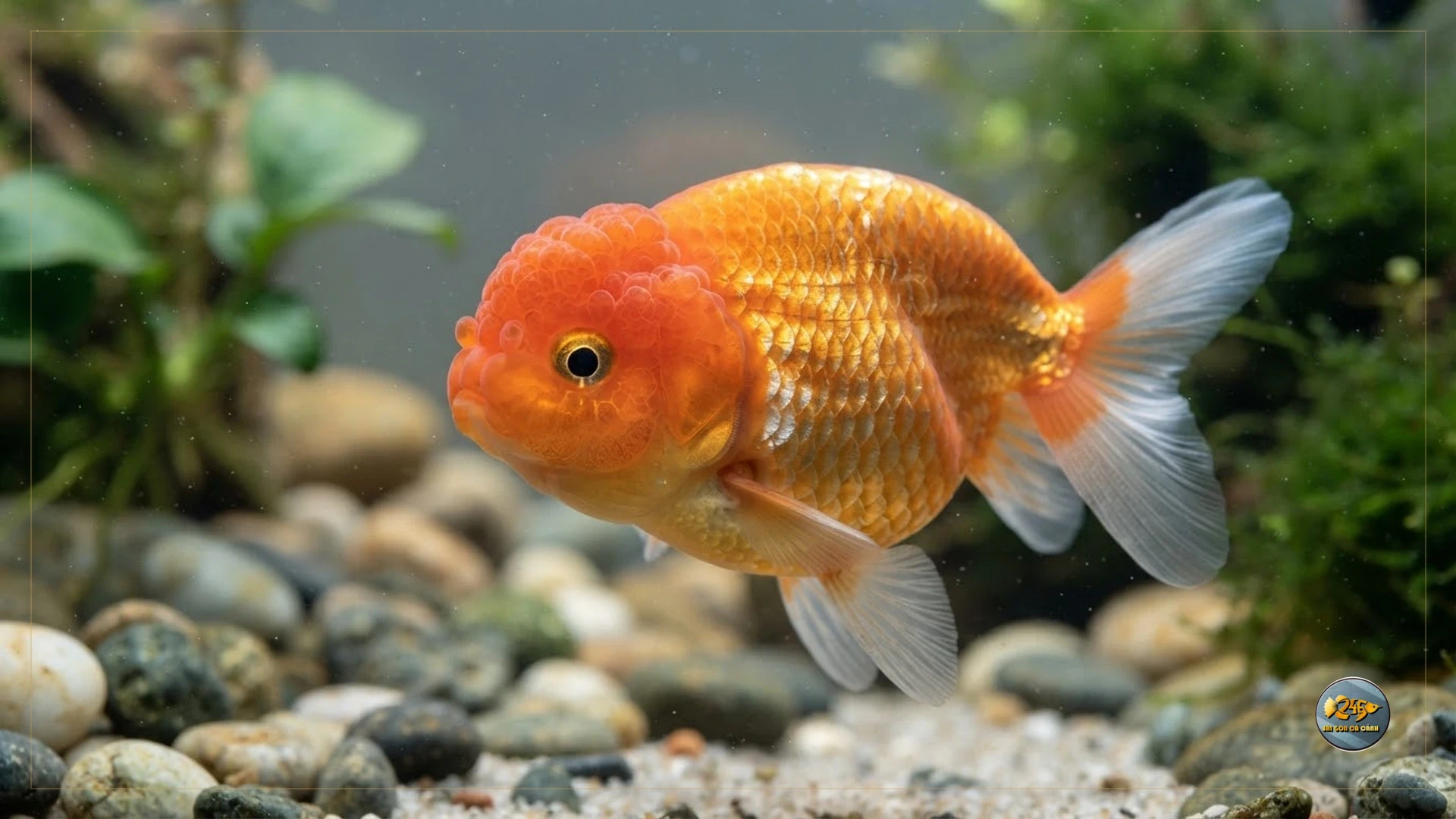
Swim Bladder Disorder in Oranda Goldfish: Early Signs - Oranda Goldfish
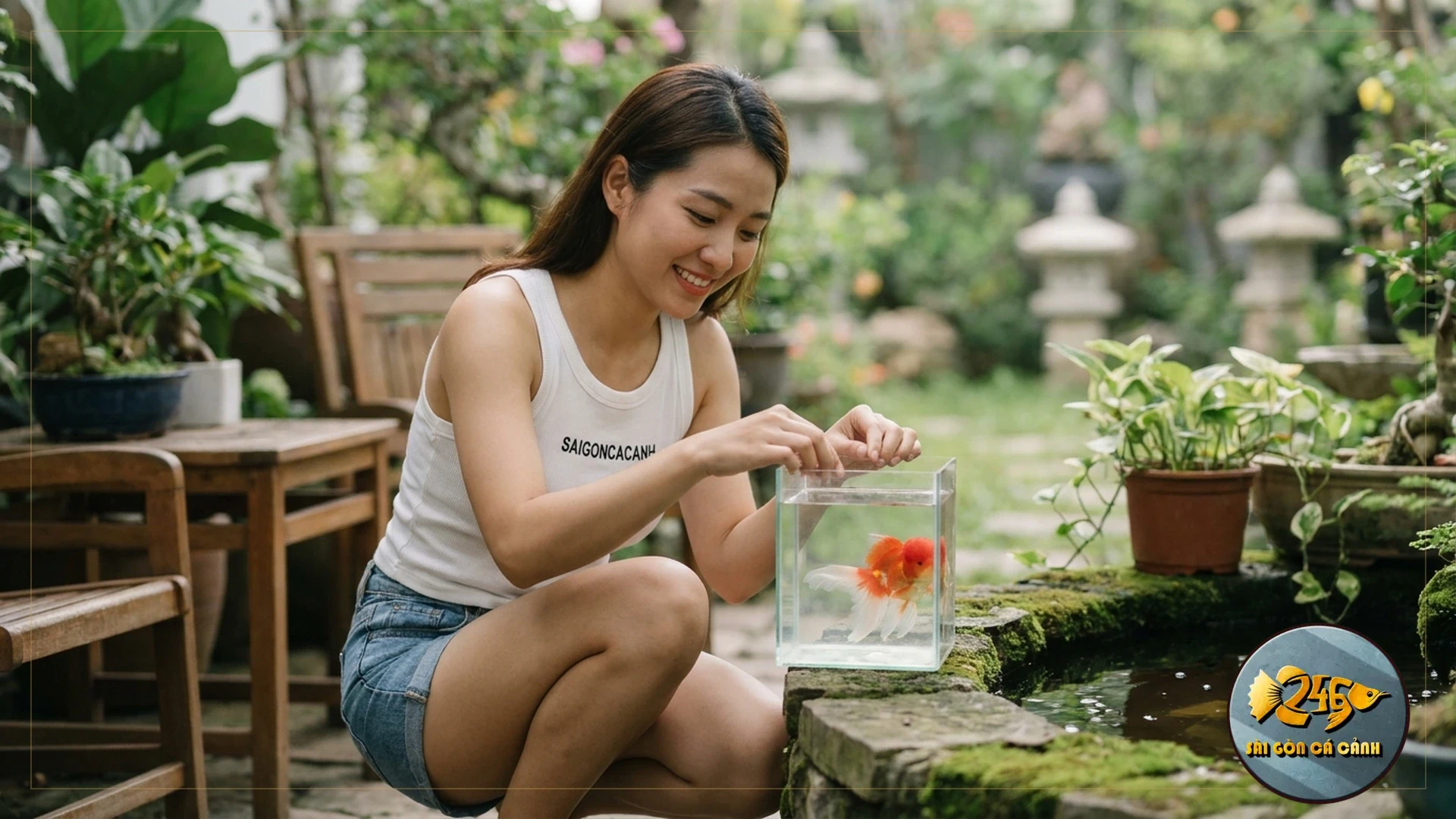
🐠 Figure 01 — Health check of Oranda Goldfish in an observation tank.
01 • AGENT
Rối loạn chức năng / functional disorder
Identify the agent correctly before choosing a drug.
02 • SPECIES & TEMPERATURE
Oranda Goldfish • 18–24°C
pH 7.0–7.8 • 8–14 dGH
03 • WATER TYPE
Freshwater
Protocols differ between freshwater and marine systems.
04 • SENSITIVITY
Test on 1–2 fish first
The wen can trap bacteria and fungus; keep water pristine when treating skin disease.

1. Overview: Swim Bladder Disorder in Oranda Goldfish

Compressed body shape, constipation, gulping air at the surface and cold water; sometimes infection. In Oranda Goldfish (Carassius auratus) maintained at 18–24°C (target pH 7.0–7.8, hardness 8–14 dGH, TDS 180–300 ppm), clinical outbreaks are frequently triggered by organic waste accumulation, ammonia/nitrite spikes, thermal fluctuations, or transport stress that compromises the protective mucosal barrier.
Clinical & Water Parameter Quantitative Quarantine Standard
Target Species & TaxonomyOranda Goldfish (Carassius auratus) — Group: Ornamental Fish
Thermal Range & System Type18–24°C • System: Freshwater / Planted
Recommended pH, Hardness & TDSpH 7.0–7.8 • Hardness: 8–14 dGH (KH 6–10 dKH) • TDS/Salinity: 180–300 ppm
Primary Pathogen / Clinical FocusRối loạn chức năng / functional disorder
Ammonia (NH3/NH4+) & Nitrite (NO2-) GateNH3 = 0.00 mg/L • NO2- = 0.00 mg/L • NO3- < 20 mg/L (Verify with liquid drop test kit)
Dissolved Oxygen (DO) in QuarantineDO >= 6.0 mg/L (Maintain vigorous 24/7 aeration to support gill respiration)
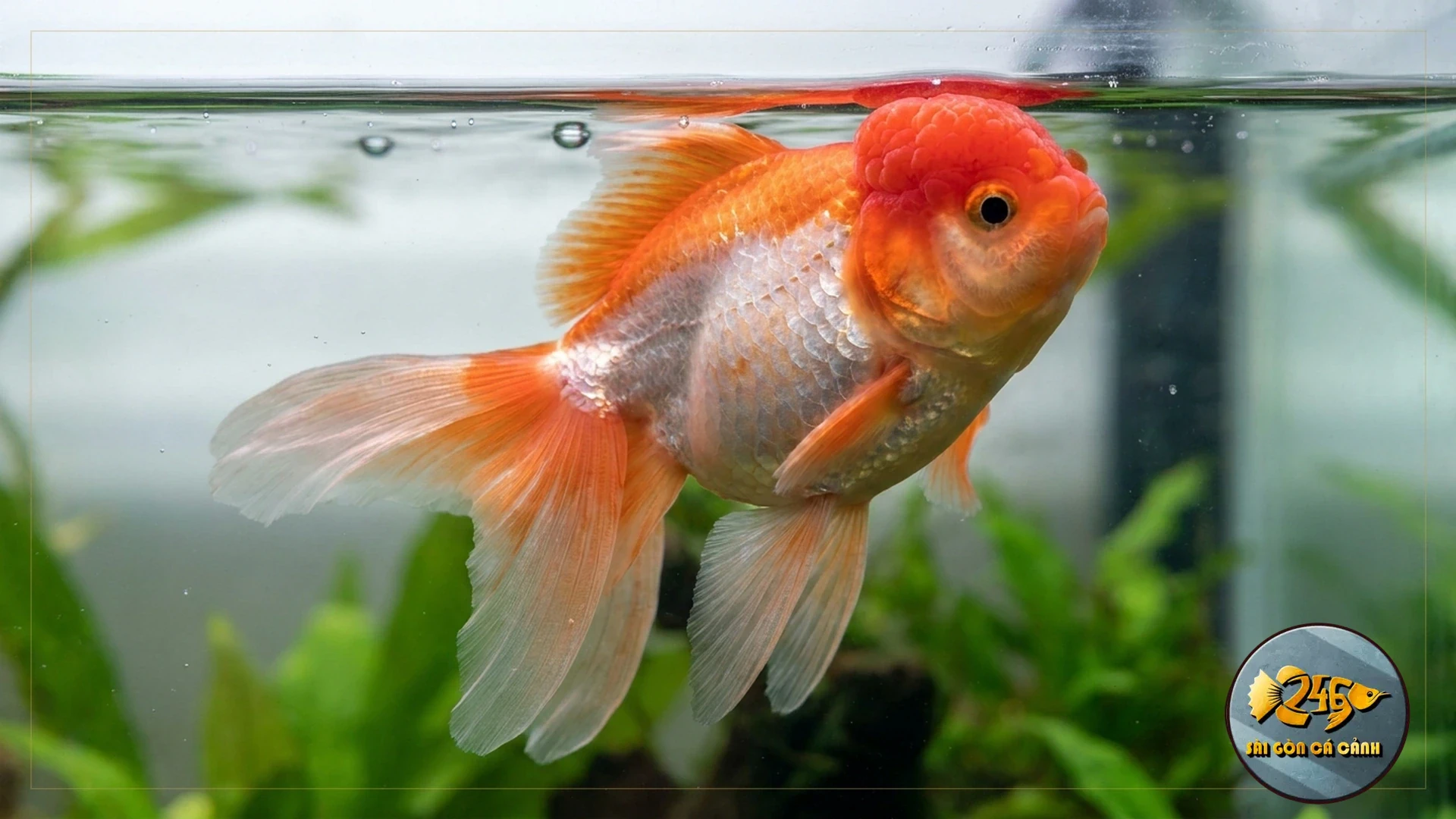
Swim Bladder Disorder - Oranda Goldfish (Carassius auratus)
🐠 Figure 02 — Close-up: typical signs of Swim Bladder Disorder.

2. Signs to Recognise

  • Floating upside down or stuck on the bottom: Characteristic clinical sign when Rối loạn chức năng / functional disorder affects target tissues in Oranda Goldfish; contrast against the healthy baseline (Plump velvety wen covering the crown without obstructing eyes or mouth, rounded body, and a broad flowing four-lobed tail.).
  • Listing or head-down swimming: Characteristic clinical sign when Rối loạn chức năng / functional disorder affects target tissues in Oranda Goldfish; contrast against the healthy baseline (Plump velvety wen covering the crown without obstructing eyes or mouth, rounded body, and a broad flowing four-lobed tail.).
  • Often after dry floating food: Characteristic clinical sign when Rối loạn chức năng / functional disorder affects target tissues in Oranda Goldfish; contrast against the healthy baseline (Plump velvety wen covering the crown without obstructing eyes or mouth, rounded body, and a broad flowing four-lobed tail.).
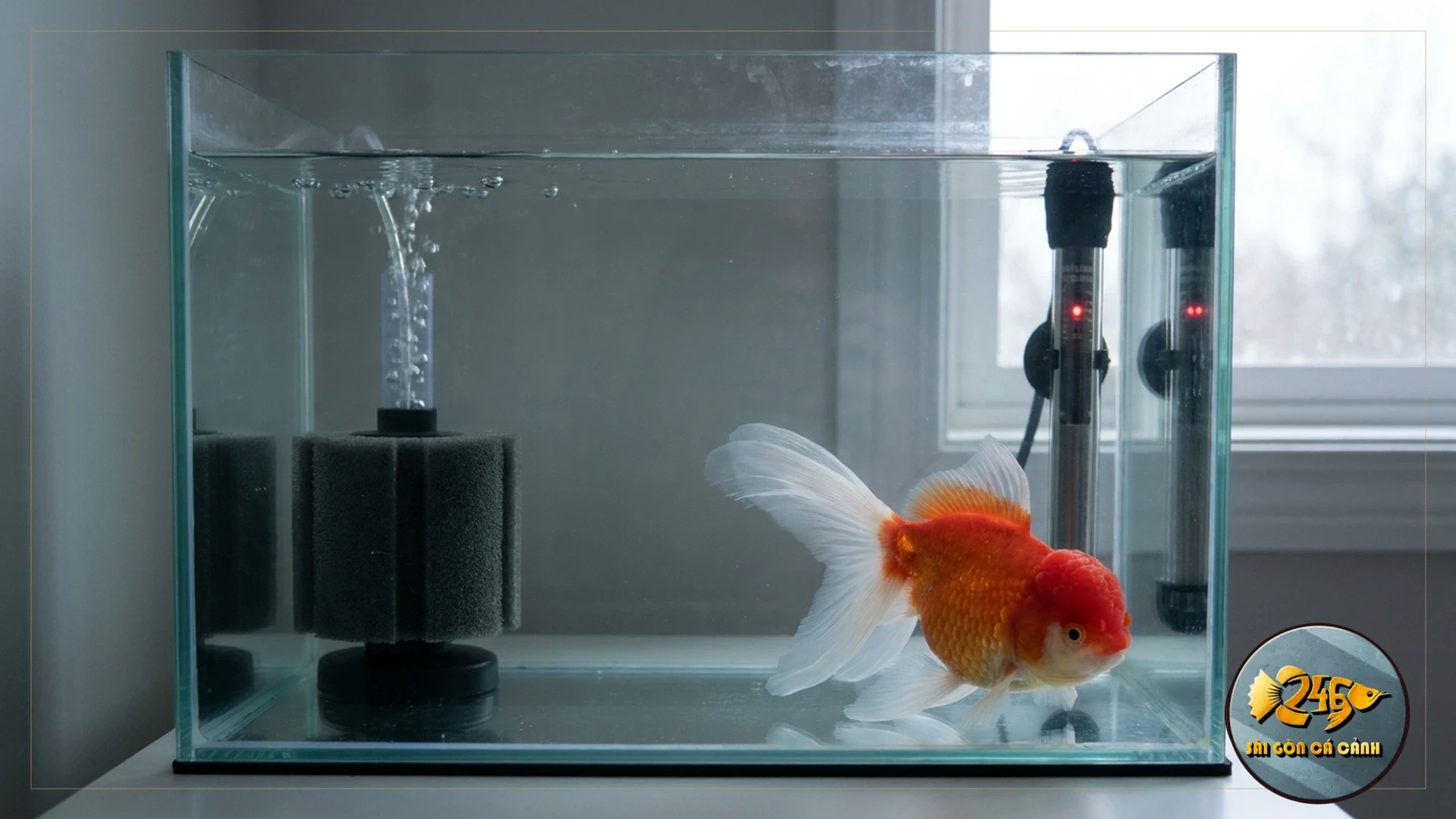
Figure 03 — Quarantine: Oranda Goldfish (Carassius auratus)
🐠 Figure 03 — Quarantine: a clean hospital tank with aeration and a stable heater.

3. Diagnosis

Rule out infection (raised scales, haemorrhage); radiographs at a vet clinic for chronic cases.

Differential Diagnosis & Water Quality Verification: Prior to administering any medication to Oranda Goldfish, verify NH3/NH4+ (= 0.00 mg/L), NO2- (= 0.00 mg/L), pH (7.0–7.8), and temperature (18–24°C) using a liquid drop test kit to rule out acute environmental toxicosis mimicking infectious disease. Choose specimens that maintain neutral buoyancy at rest and show clean wen folds free of white slime or red ulcers.
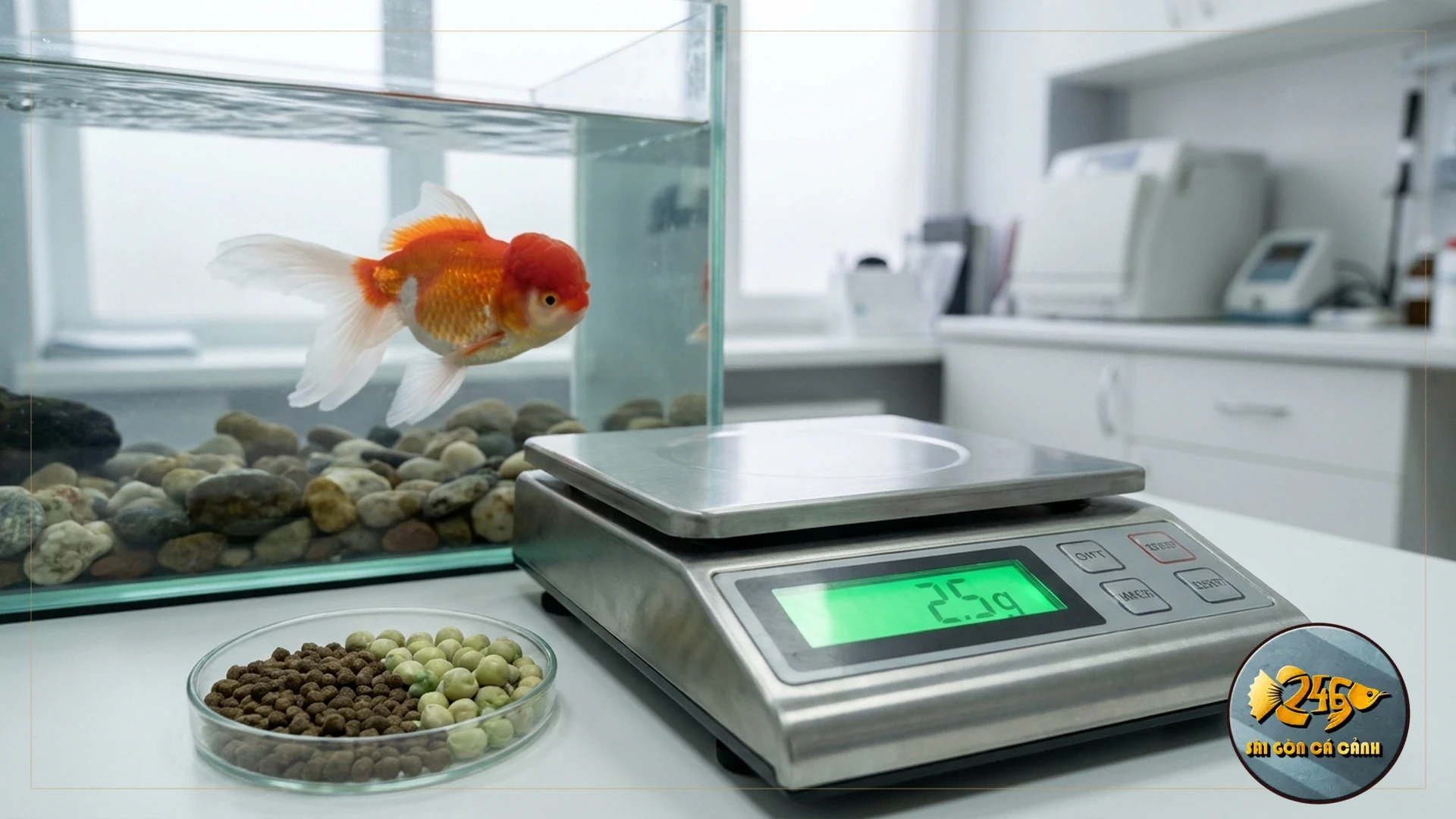
Figure 04 — Diagnosis: Oranda Goldfish (Carassius auratus)
🐠 Figure 04 — Diagnosis: checking samples and water parameters before medicating.

4. Cautious Management Plan

⚠️ Important note Fast 2–3 days, then feed small amounts of skinned, mashed cooked peas or soaked sinking food; keep temperature stable and lower the water level.
Water change: Change 30–50% of the water with dechlorinated (chlorine/chloramine-free) water matched in temperature (within 1°C) and pH; vacuum the substrate.
⚠️ When tap water pH and hardness differ greatly from the tank, change smaller amounts more often to avoid shock.
Hospital (quarantine) tank: Bare-bottom tank with heater and thermometer, aeration, a pre-seeded sponge filter and PVC hiding pipes; dedicated tools and hand-washing between tanks.
⚠️ Test ammonia/nitrite daily because medications can kill the biofilter.
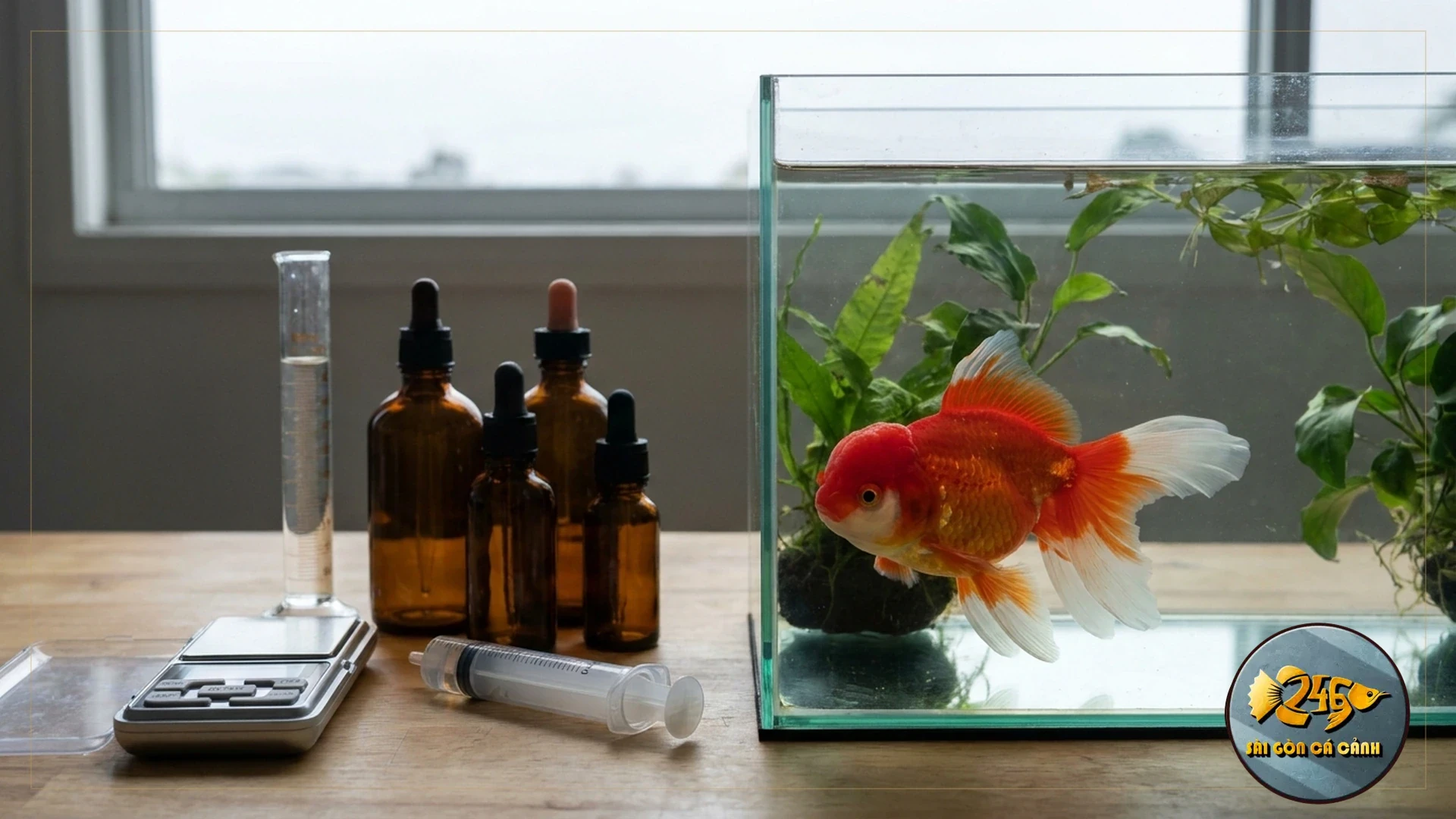
Figure 05 — Tools: Oranda Goldfish (Carassius auratus)
🐠 Figure 05 — Tools: scales and graduated syringes for accurate dosing.

5. Prevention for Oranda Goldfish

  • Pre-soak food
  • Small, frequent meals
  • Prefer sinking food

6. Notes Specific to Oranda Goldfish

Species Physiology & Sensitivity Notes for Oranda Goldfish: The wen can trap bacteria and fungus; keep water pristine when treating skin disease. Healthy morphological baseline: Plump velvety wen covering the crown without obstructing eyes or mouth, rounded body, and a broad flowing four-lobed tail. Optimal water parameters: temperature 18–24°C, pH 7.0–7.8, hardness 8–14 dGH, TDS 180–300 ppm.
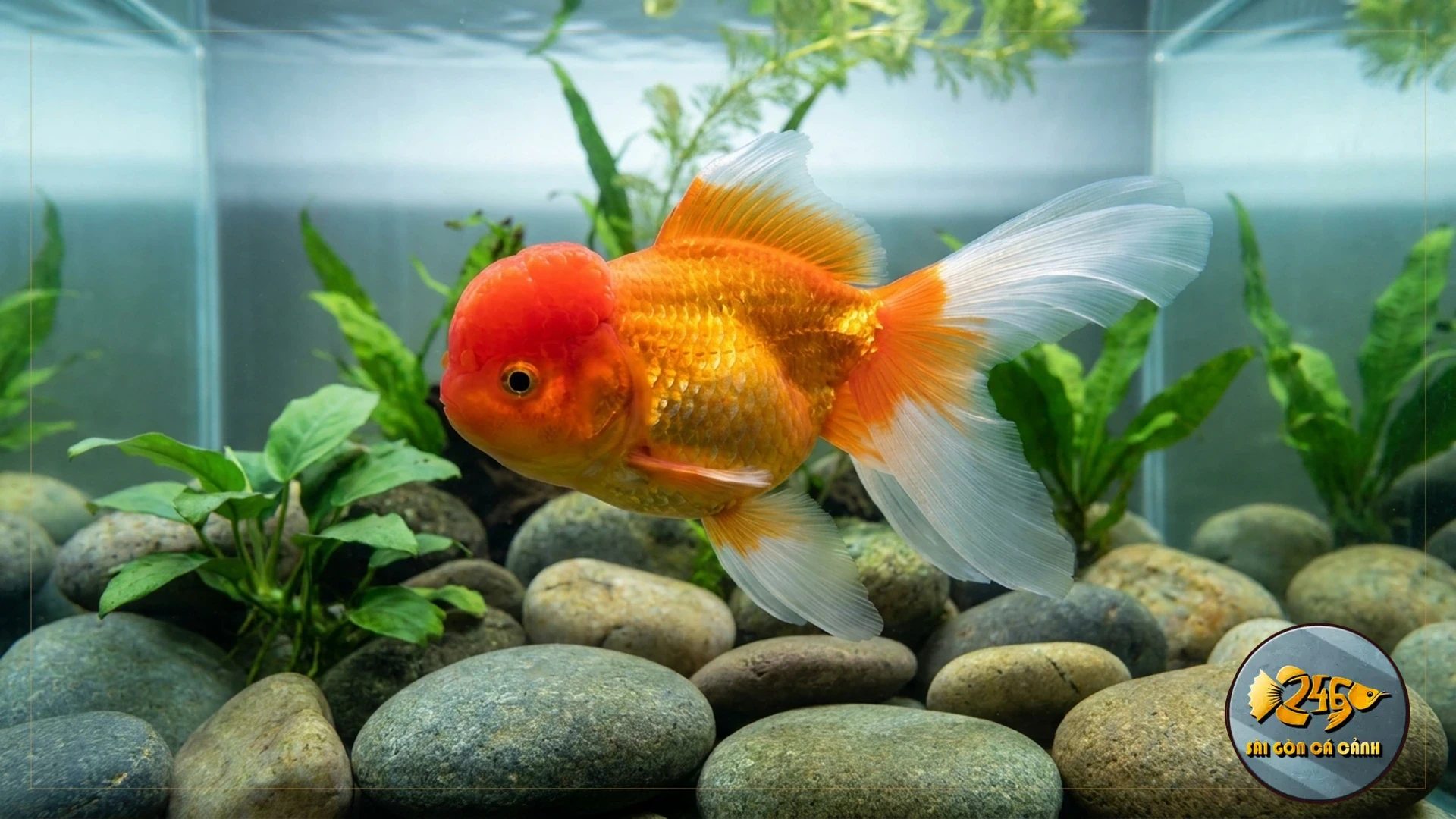
Oranda Goldfish healthy
🐠 Figure 06 — Recovery: Oranda Goldfish healthy again in a stable environment.

7. Medication Safety Principles

  • Test the dose on 1–2 fish first and observe for 2–4 hours before treating the group.
  • Remove activated carbon, switch off UV sterilisers and move invertebrates out of the treatment tank.
  • Do not combine several medications without professional guidance.
  • Dose by the true water volume (minus substrate, rock and wood), not the nominal tank size.
  • If there is no improvement after one course, contact an aquatic veterinarian for microscopy and sensitivity testing.
ℹ️ For reference only This content is educational and compiled from aquatic veterinary literature; it does not replace a hands-on diagnosis. Doses must be adjusted for species, size and water quality. If fish decline quickly or die in numbers, contact an aquatic veterinarian.

8. Frequently Asked Questions

❓ Can Swim Bladder Disorder spread to other fish in the tank?
Yes, it can. Move affected fish to a hospital tank, use dedicated nets and tools, wash hands between tanks and watch the whole group for at least 2 weeks.
❓ How long does recovery take?
It depends on severity and species; usually monitor for 7–14 days after signs resolve. Do not stop a course early or raise the dose without guidance.
❓ When should I see an aquatic vet?
When there is no improvement after one course, deaths keep occurring, or a viral/notifiable disease is suspected — microscopy, PCR or sensitivity testing are needed.

9. References

  • Noga, E. J. (2010). Fish Disease: Diagnosis and Treatment (2nd ed.). Wiley-Blackwell.
  • Wildgoose, W. H. (Ed.). (2001). BSAVA Manual of Ornamental Fish (2nd ed.). British Small Animal Veterinary Association.
  • Roberts, H. E. (Ed.). (2009). Fundamentals of Ornamental Fish Health. Wiley-Blackwell.
  • WOAH / OIE (2023). Manual of Diagnostic Tests for Aquatic Animals. World Organisation for Animal Health.
  • Yanong, R. P. E. — UF/IFAS Extension Circulars FA-7, FA-13, FA-14, FA-28 (University of Florida).
SAIGON CA CANH
Fish Disease & Treatment Library • saigoncacanh.com/shop/
CHI TIẾT LÂM SÀNG • E-E-A-T VERIFIED SGCC

Related articles

Fin and Tail Rot in Oscar: Early Signs

English

Fin and Tail Rot in Oscar (Astronotus ocellatus): signs, causes, diagnosis and a conservative management plan based on aquatic veterinary references.…

Preventing Fish Tuberculosis in Betta

English

Fish Tuberculosis (Mycobacteriosis) in Betta (Betta splendens): signs, causes, diagnosis and a conservative management plan based on aquatic veterinary references.…

Preventing Fin and Tail Rot in Ranchu Goldfish

English

Fin and Tail Rot in Ranchu Goldfish (Carassius auratus): signs, causes, diagnosis and a conservative management plan based on aquatic veterinary references.…

Managing Fish Tuberculosis in Yellow Tang

English

Fish Tuberculosis (Mycobacteriosis) in Yellow Tang (Zebrasoma flavescens): signs, causes, diagnosis and a conservative management plan based on aquatic...…