A practical guide to Skin Fluke in Channa Snakehead: Early Signs for Channa Snakehead (Channa andrao): recognising signs, diagnosis and cautious management steps with safety warnings for ornamental fish keepers.
1. Overview: Skin Fluke (Gyrodactylus) in Channa Snakehead
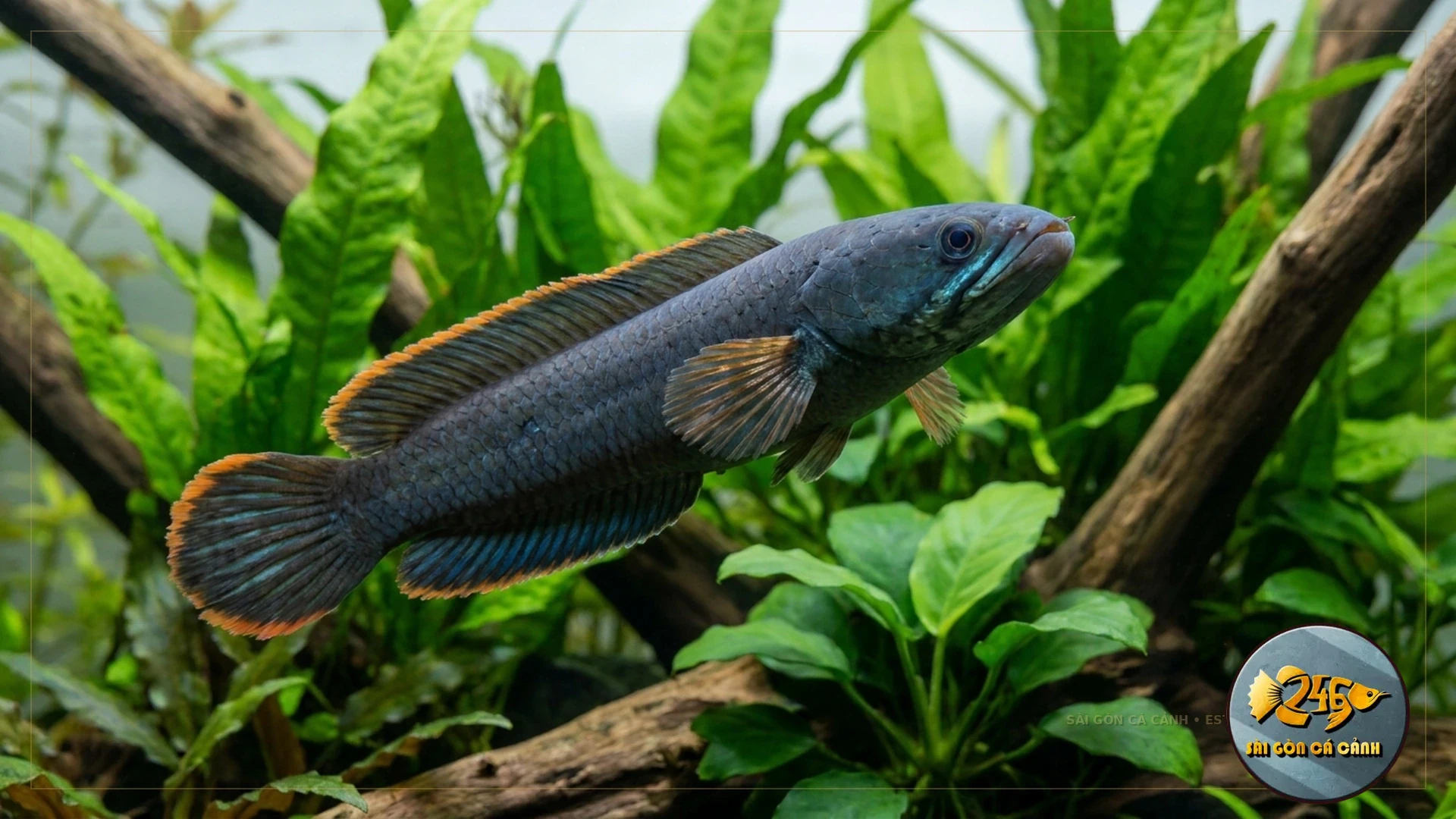
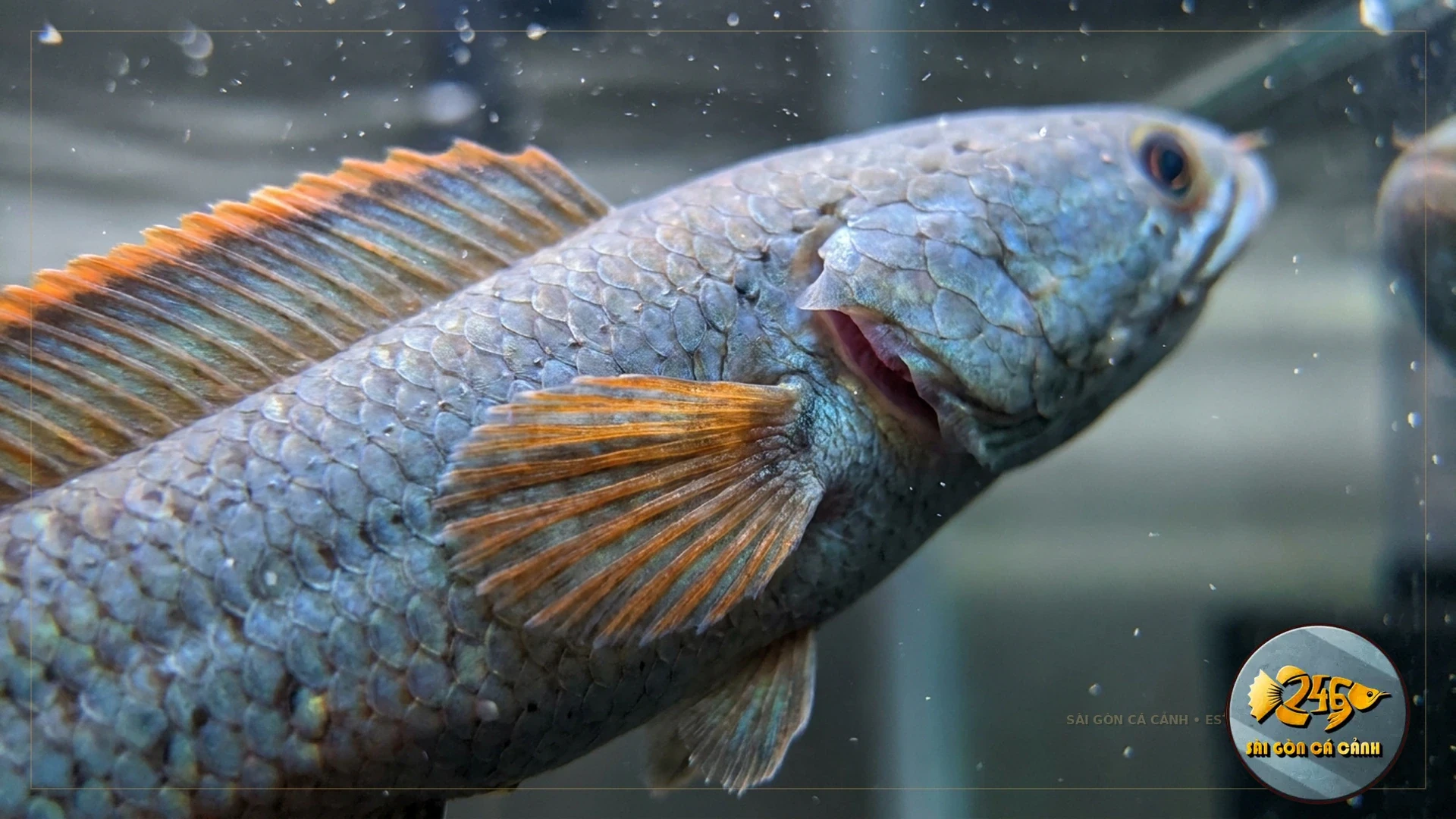
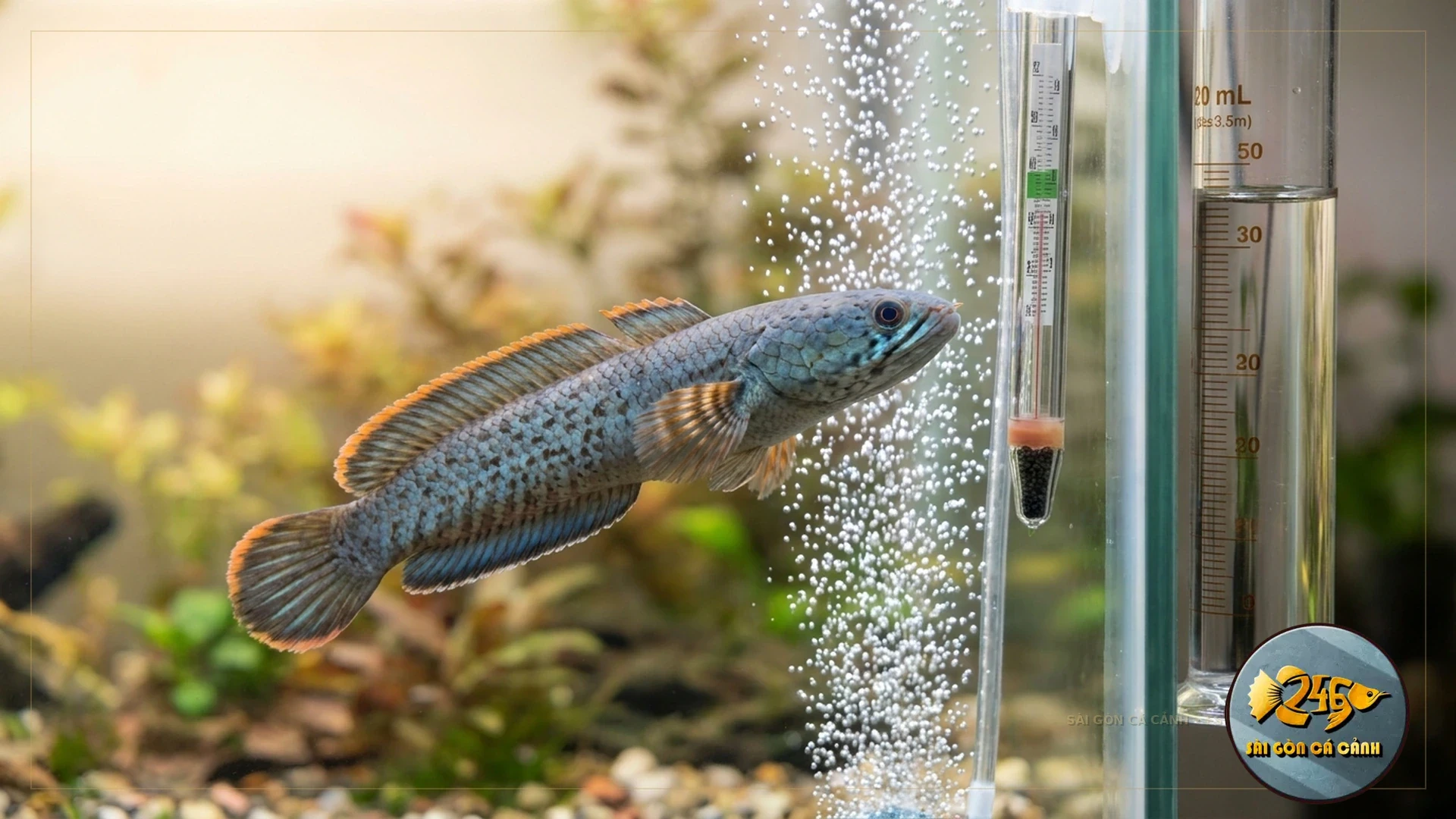
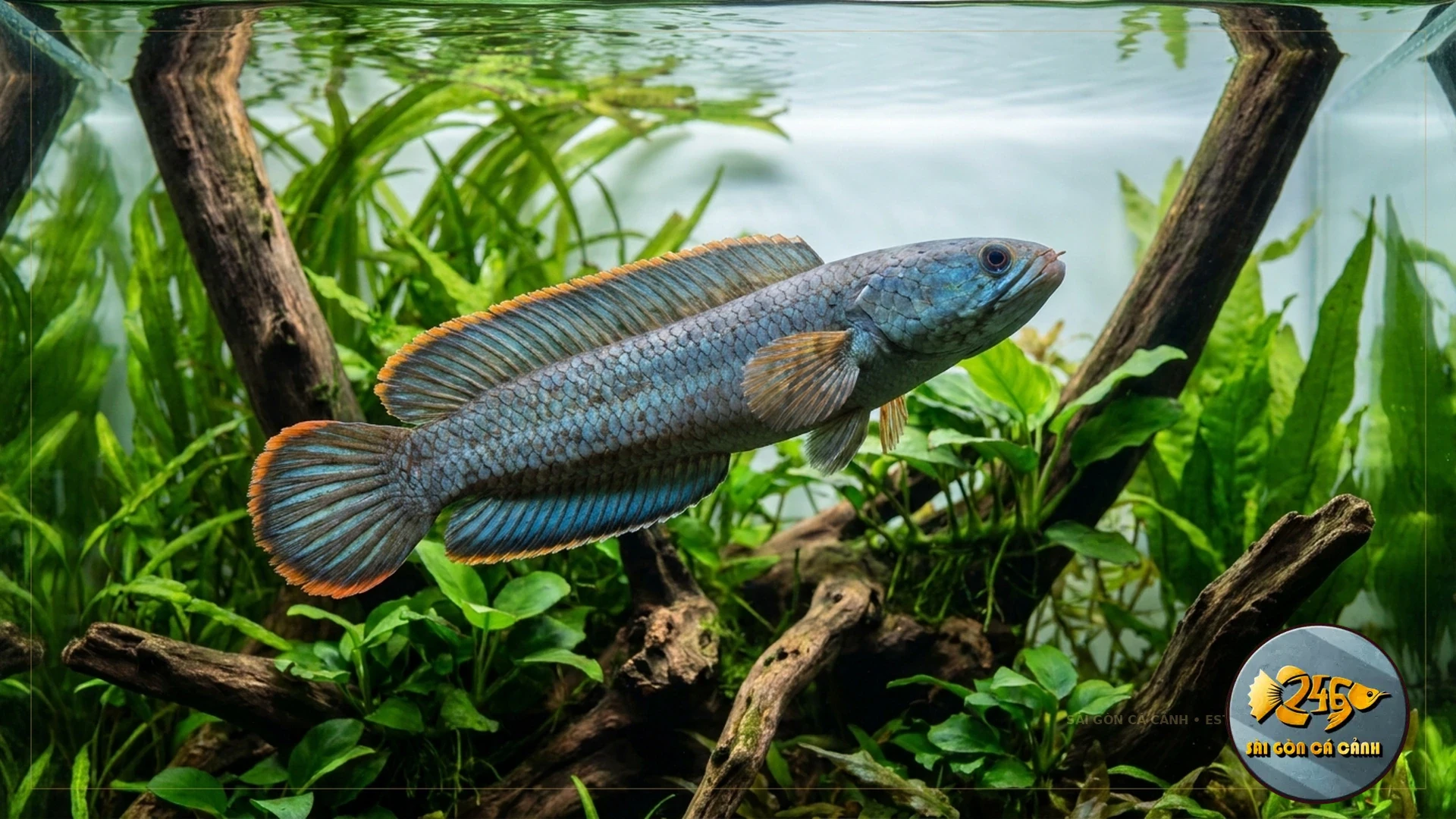
A live-bearing monogenean fluke that reproduces directly on the host and multiplies fast in crowded tanks. In clinical diagnostics for Channa Snakehead (Channa andrao) maintained at 22–26°C (pH 6.2–7.4, 4–12 dGH), early detection during the incubation window directly determines survival rates. Healthy baseline conformation: Flattened snake-like head, continuous long dorsal fin glowing iridescent blue with a vivid orange-red margin, and intact unscarred scales.
2. Signs to Recognise
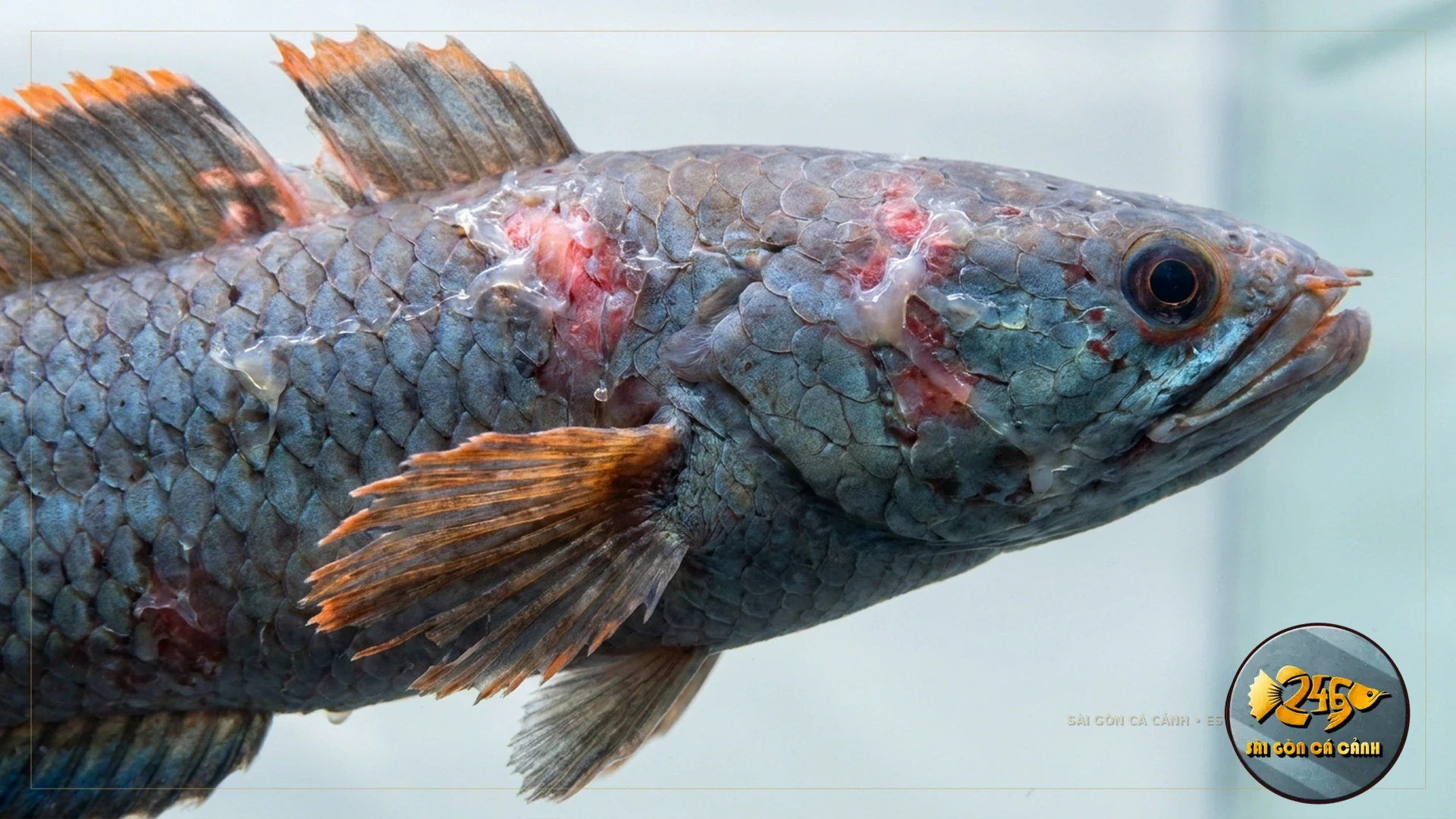
- Ragged fins and red skin spots: Focal lesion driven by Gyrodactylus spp. virulence in Channa Snakehead, warranting immediate hospital-tank isolation to prevent horizontal transmission.
- Flashing and jumping: Characteristic pathological sign when Gyrodactylus spp. colonises target tissues in Channa Snakehead; compare directly against the healthy conformation (Flattened snake-like head, continuous long dorsal fin glowing iridescent blue with a vivid orange-red margin, and intact unscarred scales.).
- Heavy mucus and gradual weight loss: Clinical presentation observed in Channa Snakehead as Gyrodactylus spp. compromises the epidermal or branchial barrier within the 22–26°C range.
3. Diagnosis
At 40x: 0.3–1 mm flukes with posterior hooks, no eyespots, often with an embryo inside.
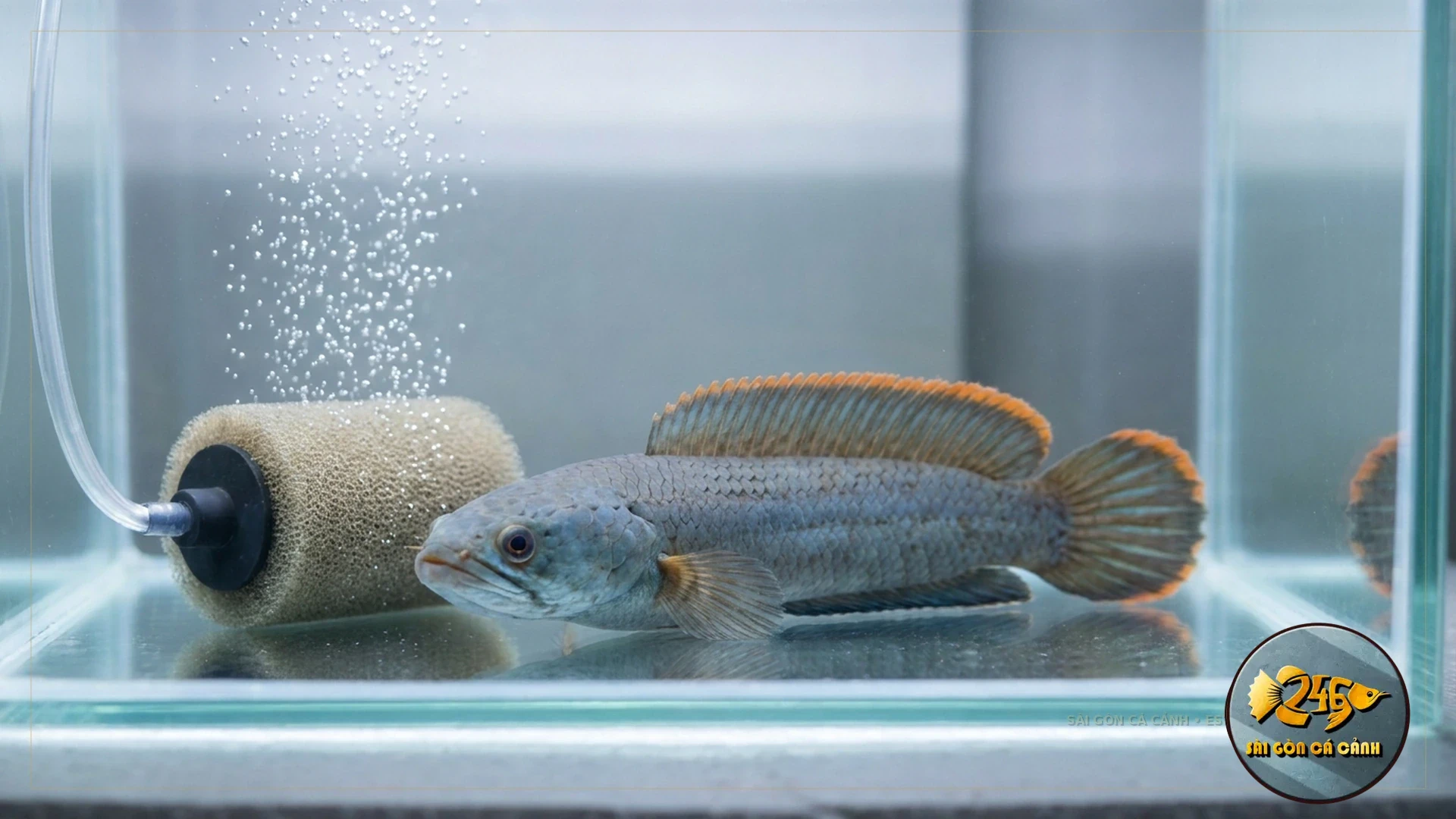
Differential Workup in Quarantine (22–26°C, pH 6.2–7.4): Review recent water changes, live food sources, and stock introductions over the past 14 days alongside TDS 100–250 ppm and hardness 4–12 dGH before initiating targeted therapy against Gyrodactylus spp. in Channa Snakehead (Channa andrao).
4. Cautious Management Plan
⚠️ Luôn tham vấn chuyên gia thú y thủy sản trước khi can thiệp hóa chất vào môi trường sống của cá.
⚠️ Luôn tham vấn chuyên gia thú y thủy sản trước khi can thiệp hóa chất vào môi trường sống của cá.
⚠️ Catfish, loaches, Corydoras and live plants tolerate salt poorly: do not exceed 1 g/L. Salt does not evaporate — it only leaves through water changes.
⚠️ When tap water pH and hardness differ greatly from the tank, change smaller amounts more often to avoid shock.
5. Prevention for Channa Snakehead
- Prophylactic praziquantel bath for new fish
- Avoid buying from tanks with scattered deaths
- Keep density reasonable
6. Notes Specific to Channa Snakehead
Species Physiology & Sensitivity Notes for Channa Snakehead: Air-breather — always leave an air gap above the water and a tight lid against jumping. Healthy morphological baseline: Flattened snake-like head, continuous long dorsal fin glowing iridescent blue with a vivid orange-red margin, and intact unscarred scales. Optimal water parameters: temperature 22–26°C, pH 6.2–7.4, hardness 4–12 dGH, TDS 100–250 ppm.
7. Medication Safety Principles
- Test the dose on 1–2 fish first and observe for 2–4 hours before treating the group.
- Remove activated carbon, switch off UV sterilisers and move invertebrates out of the treatment tank.
- Do not combine several medications without professional guidance.
- Dose by the true water volume (minus substrate, rock and wood), not the nominal tank size.
- If there is no improvement after one course, contact an aquatic veterinarian for microscopy and sensitivity testing.
8. Frequently Asked Questions
Yes, it can. Move affected fish to a hospital tank, use dedicated nets and tools, wash hands between tanks and watch the whole group for at least 2 weeks.
It depends on severity and species; usually monitor for 7–14 days after signs resolve. Do not stop a course early or raise the dose without guidance.
When there is no improvement after one course, deaths keep occurring, or a viral/notifiable disease is suspected — microscopy, PCR or sensitivity testing are needed.
9. References
- Noga, E. J. (2010). Fish Disease: Diagnosis and Treatment (2nd ed.). Wiley-Blackwell.
- Wildgoose, W. H. (Ed.). (2001). BSAVA Manual of Ornamental Fish (2nd ed.). British Small Animal Veterinary Association.
- Roberts, H. E. (Ed.). (2009). Fundamentals of Ornamental Fish Health. Wiley-Blackwell.
- WOAH / OIE (2023). Manual of Diagnostic Tests for Aquatic Animals. World Organisation for Animal Health.
- Yanong, R. P. E. — UF/IFAS Extension Circulars FA-7, FA-13, FA-14, FA-28 (University of Florida).