A clinical practice guide to Reading Early Disease Signs for Discus tailored to Discus (Symphysodon aequifasciatus): morphological standards, step-by-step protocol (1–2–3–4–5), quantitative quarantine parameters, and biosecurity safeguards.
1. Clinical Purpose & Scientific Basis: Reading Early Disease Signs for Discus
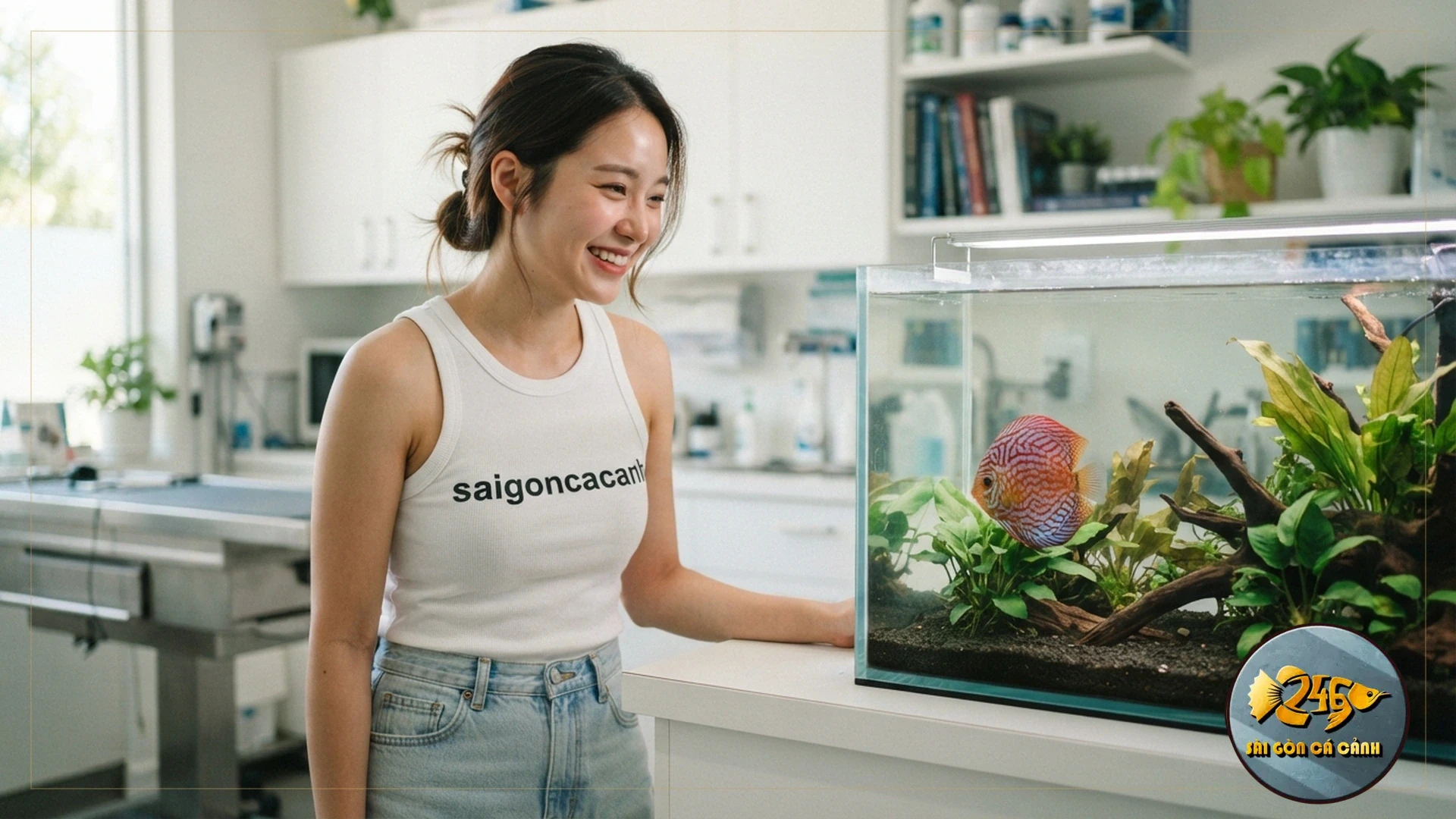
Early recognition of abnormal behaviour allows intervention before outbreaks. When applied to Discus (Symphysodon aequifasciatus) (thermal range 28–31°C, freshwater (6.0–6.8, hardness 2–8 dGH, TDS 80–180 ppm)), following a standardised protocol maximises therapeutic safety while preventing osmotic shock and biofilter collapse.
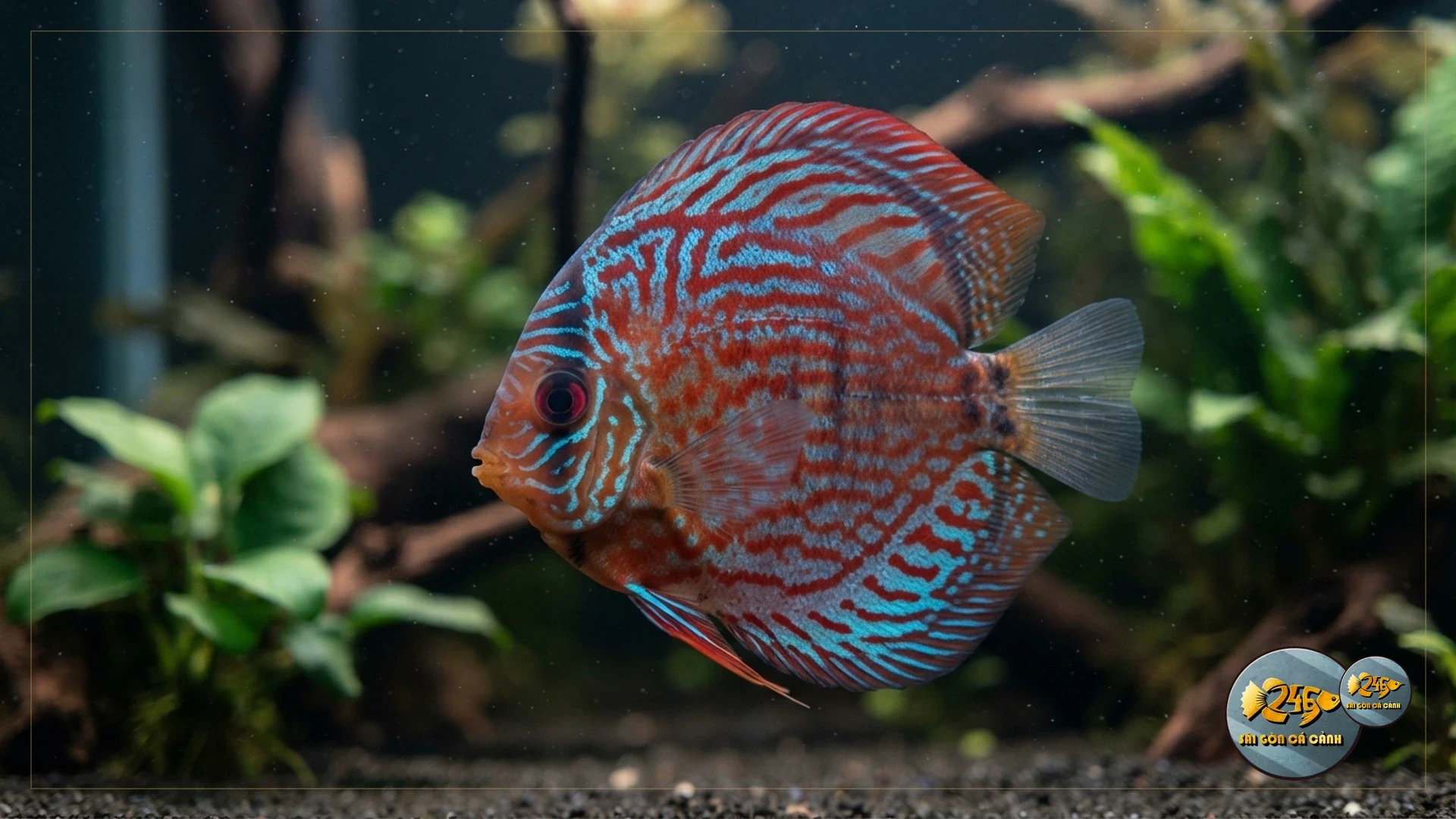
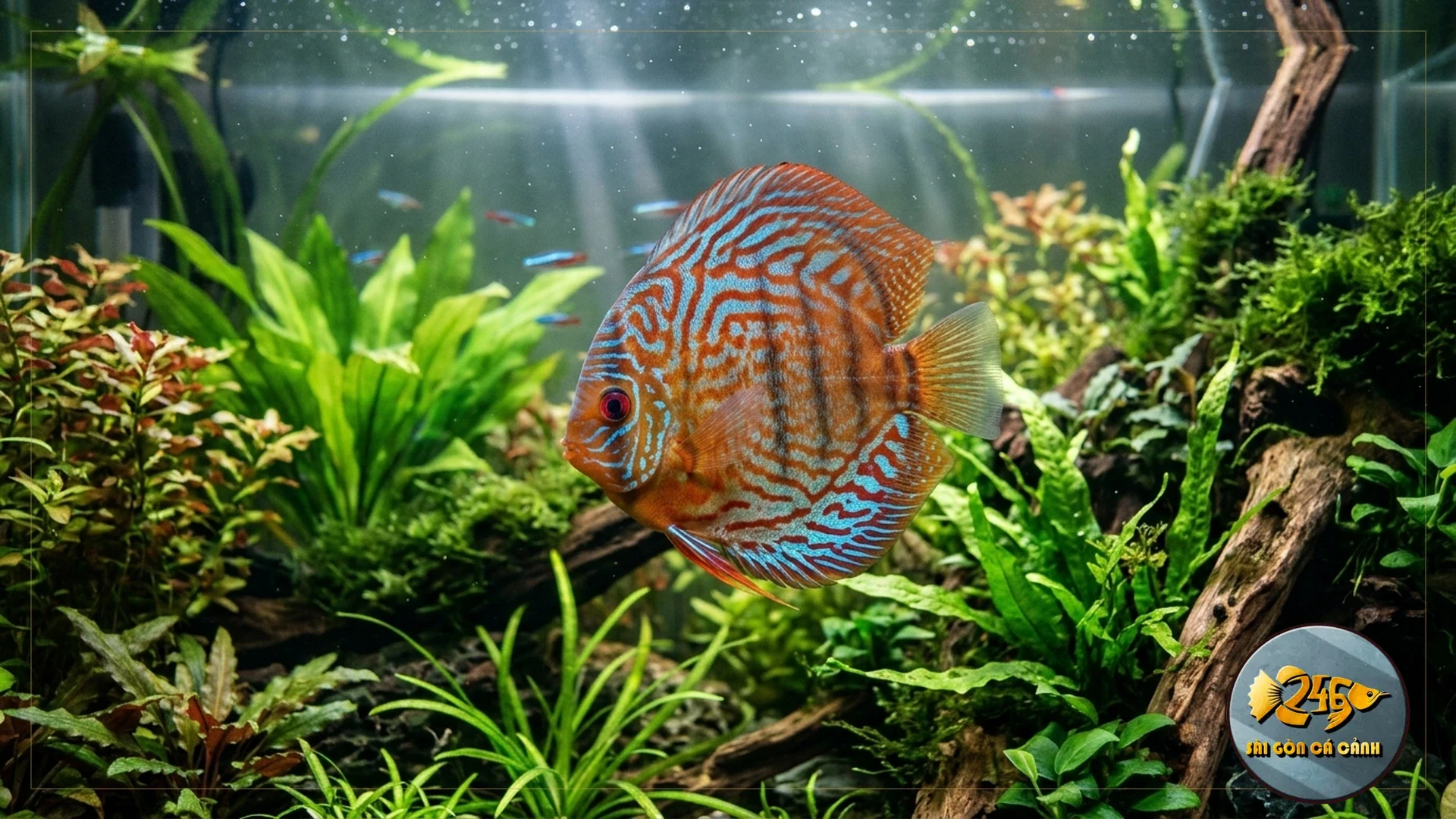
Species conformation and physiological notes for Discus: Perfectly round disc profile including dorsal and anal fins, thick forehead without “knife-back” wasting, and bright red/amber eyes small relative to head size (1:6–1:7 eye-to-head ratio). Sensitive to nitrate and water swings; a bare-bottom hospital tank makes hygiene control easier.
2. Step-by-Step Clinical Protocol for Discus
- Step 01 — Observe at every feeding: Measure baseline water parameters for Discus (Symphysodon aequifasciatus) (target temperature 28–31°C, freshwater (6.0–6.8, hardness 2–8 dGH, TDS 80–180 ppm)) and calculate true net water volume prior to action.
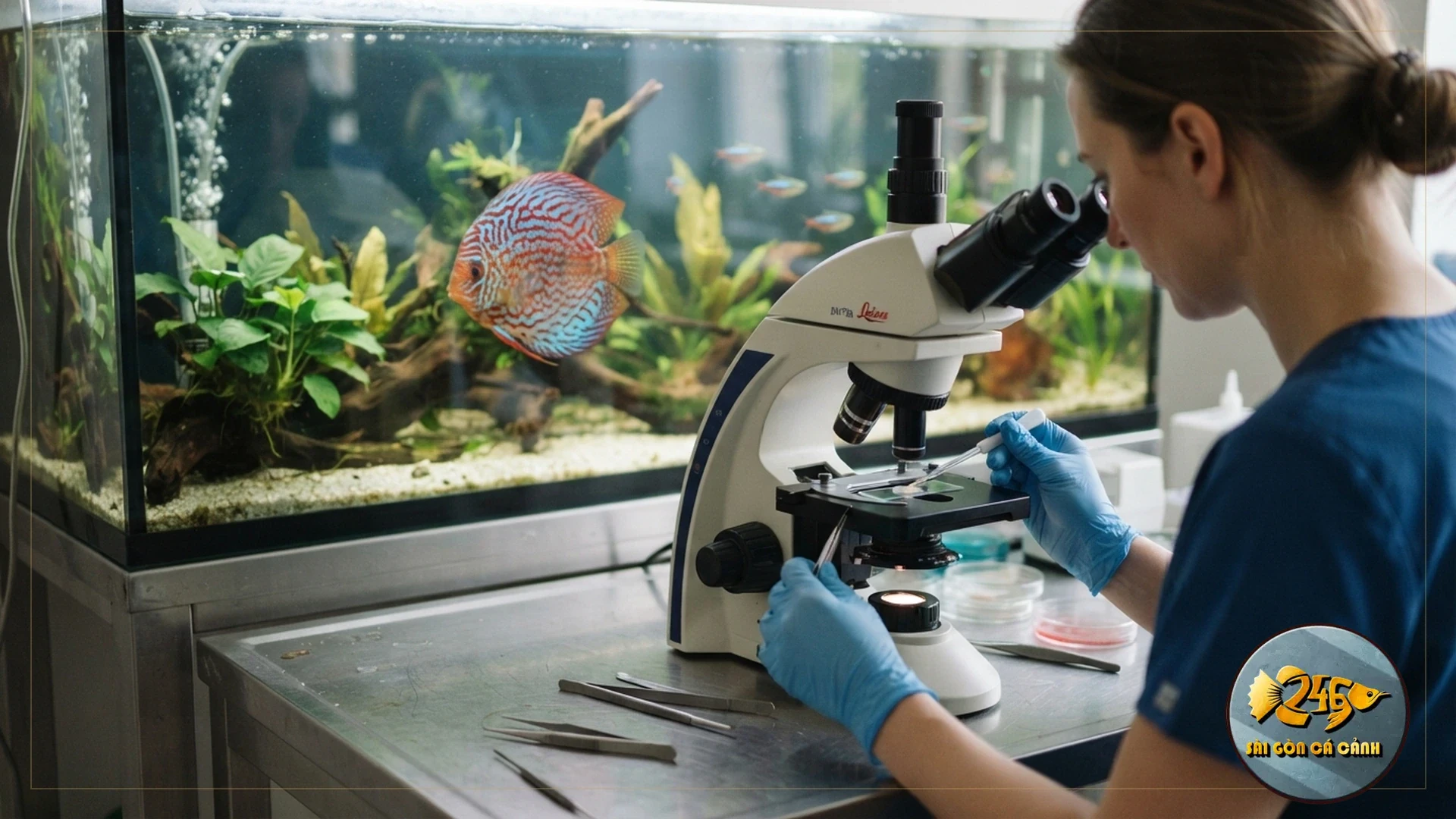
- Step 02 — Watch for clamped fins, flashing, fast breathing: Execute the procedure using calibrated veterinary measurements while maintaining dissolved oxygen DO >= 6.0 mg/L continuously.
- Step 03 — Test water as soon as something looks wrong: Monitor opercular ventilation rate, swimming equilibrium, and skin colouration of Discus closely during the first 30–120 minutes.
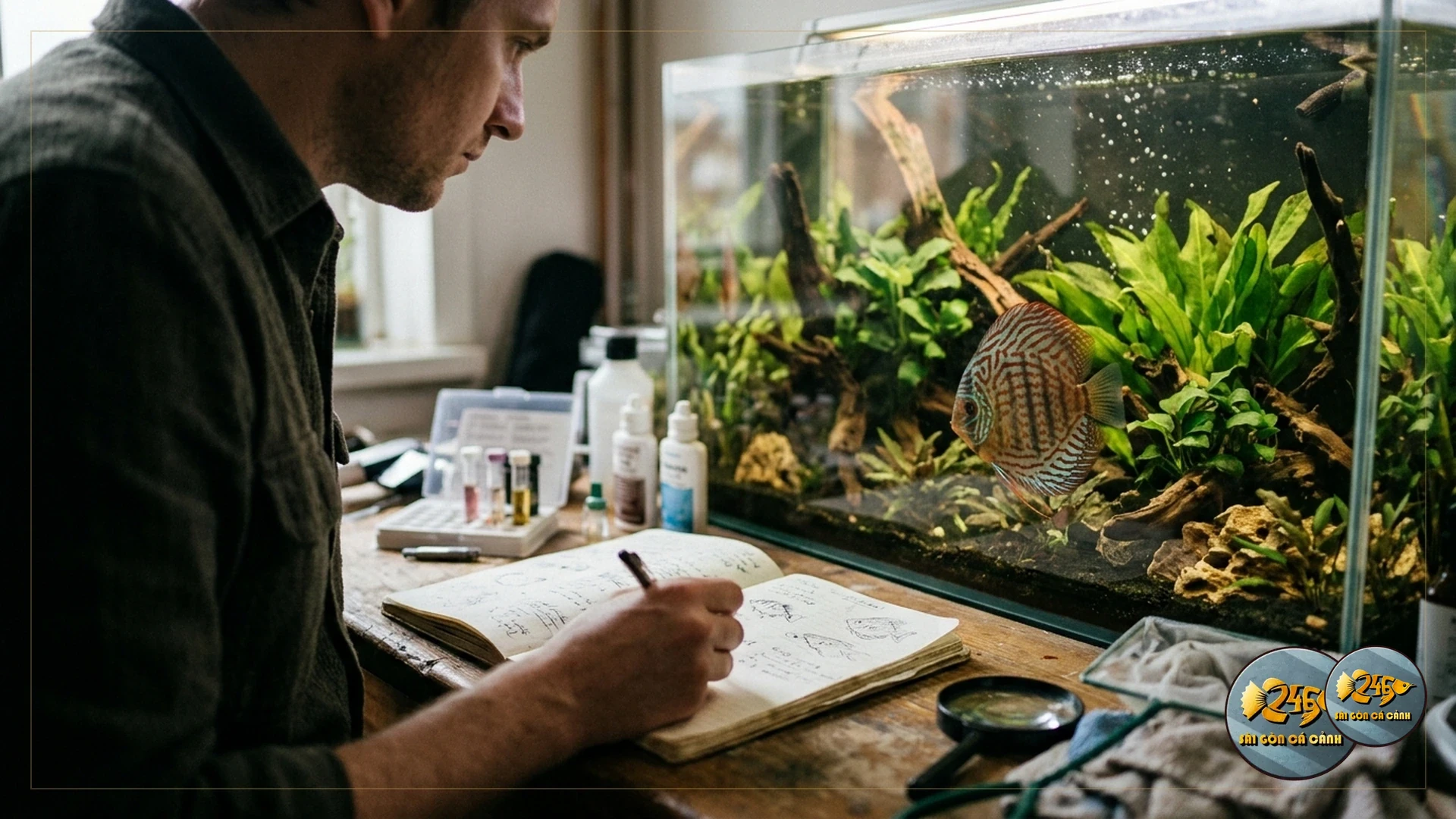
- Step 04 — Keep a log: Log all parameters, verify NH3 = 0.00 mg/L and NO2- = 0.00 mg/L, and perform temperature-matched dechlorinated water changes as scheduled.
3. Quantitative Dosing, Quarantine Setup & Safety Warnings
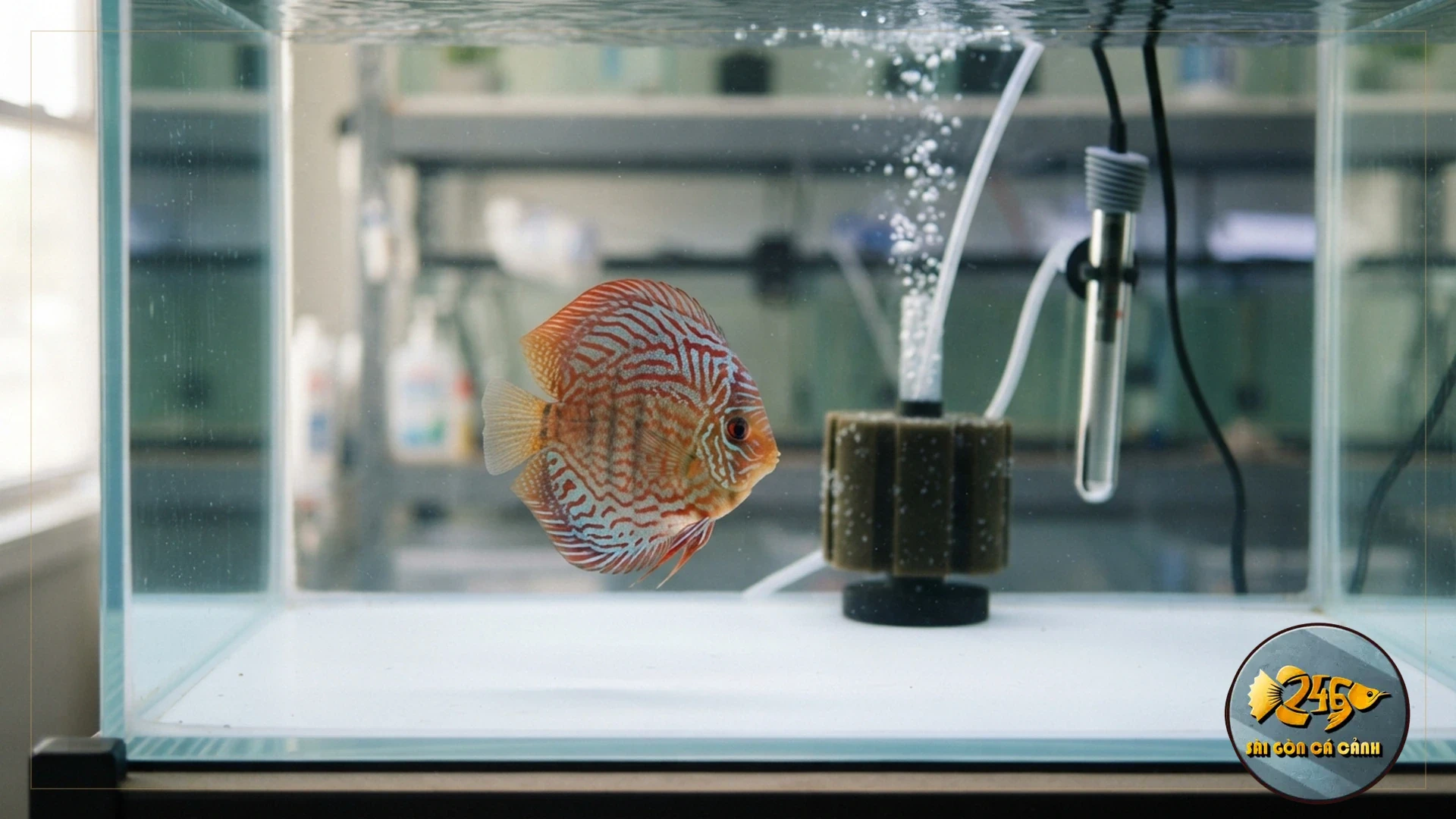
Below are the quantitative standards and hospital tank parameters tailored to Discus (Symphysodon aequifasciatus):
⚠️ When tap water pH and hardness differ greatly from the tank, change smaller amounts more often to avoid shock.
4. Positive Response Indicators & Monitoring Gates in Discus
- Normal physiological baseline: Check skin tone and faeces: healthy Discus display bright body colour (never darkened and huddled in corners) and pass dark firm faeces rather than stringy white casts.
- Immediate stop-and-dilute signs: Surface gasping (> 100 opercular beats/min), listing on the bottom, erratic dashing, or heavy mucoid sloughing.
- Nitrogen & Oxygen gate: Maintain NH3 = 0.00 mg/L, NO2- = 0.00 mg/L, and DO >= 6.0 mg/L throughout the procedure.
5. Biofilter Restoration & Post-Procedure Stabilisation for Discus
- Perform a 30–50% water change using dechlorinated water matched in temperature (28–31°C, within 1°C) and pH (6.0–6.8).
- Re-seed nitrifying bacteria (Nitrosomonas & Nitrobacter) to restore biological filtration capacity.
- Monitor feeding response and colouration of Discus for 7–14 days following completion.
6. Notes Specific to Discus
Species Physiology & Sensitivity Notes for Discus: Sensitive to nitrate and water swings; a bare-bottom hospital tank makes hygiene control easier. Healthy morphological baseline: Perfectly round disc profile including dorsal and anal fins, thick forehead without “knife-back” wasting, and bright red/amber eyes small relative to head size (1:6–1:7 eye-to-head ratio). Optimal water parameters: temperature 28–31°C, pH 6.0–6.8, hardness 2–8 dGH, TDS 80–180 ppm.
7. Medication Safety Principles
- Test the dose on 1–2 fish first and observe for 2–4 hours before treating the group.
- Remove activated carbon, switch off UV sterilisers and move invertebrates out of the treatment tank.
- Do not combine several medications without professional guidance.
- Dose by the true water volume (minus substrate, rock and wood), not the nominal tank size.
- If there is no improvement after one course, contact an aquatic veterinarian for microscopy and sensitivity testing.
8. Frequently Asked Questions
Maintain stable temperature at 28–31°C, pH 6.0–6.8, dissolved oxygen DO >= 6.0 mg/L, and zero ammonia/nitrite (NH3 = 0.00 mg/L, NO2- = 0.00 mg/L) throughout the procedure.
Monitor gill ventilation closely during the first 2–4 hours and continue daily observation for 7–14 days to confirm strong appetite and stable biofiltration.
Stop immediately and perform a 30–50% temperature-matched dechlorinated water change if Discus gasps at the surface, lists on the bottom, or fails to improve after one standard course.
9. References
- Noga, E. J. (2010). Fish Disease: Diagnosis and Treatment (2nd ed.). Wiley-Blackwell.
- Wildgoose, W. H. (Ed.). (2001). BSAVA Manual of Ornamental Fish (2nd ed.). British Small Animal Veterinary Association.
- Roberts, H. E. (Ed.). (2009). Fundamentals of Ornamental Fish Health. Wiley-Blackwell.
- WOAH / OIE (2023). Manual of Diagnostic Tests for Aquatic Animals. World Organisation for Animal Health.
- Yanong, R. P. E. — UF/IFAS Extension Circulars FA-7, FA-13, FA-14, FA-28 (University of Florida).