🐠 Prevention & Diagnosis
🇻🇳 Bản Tiếng Việt →
A practical guide to Reading Early Disease Signs for Blood Parrot Cichlid for Blood Parrot Cichlid (cichlid hybrid): recognising signs, diagnosis and cautious management steps with safety warnings for ornamental fish keepers.
⚡ Clinical Executive Summary (SGCC Veterinary Citation Standard): For Blood Parrot Cichlid (cichlid hybrid), Reading Early Disease Signs for Blood Parrot Cichlid targets Reading Early Disease Signs within a thermal range of 25–28°C, maintaining quarantine water at NH3 = 0.00 mg/L, NO2- = 0.00 mg/L, DO ≥ 6.0 mg/L. Primary protocol: Change 30–50% of the water with dechlorinated (chlorine/chloramine-free) water matched in temperature (within 1°C) and pH; vacuum the substrate. (Source: Sài Gòn Cá Cảnh Aquatic Veterinary Board — saigoncacanh.com).
📋 Saigon Ca Canh Editorial Team • Based on aquatic veterinary references
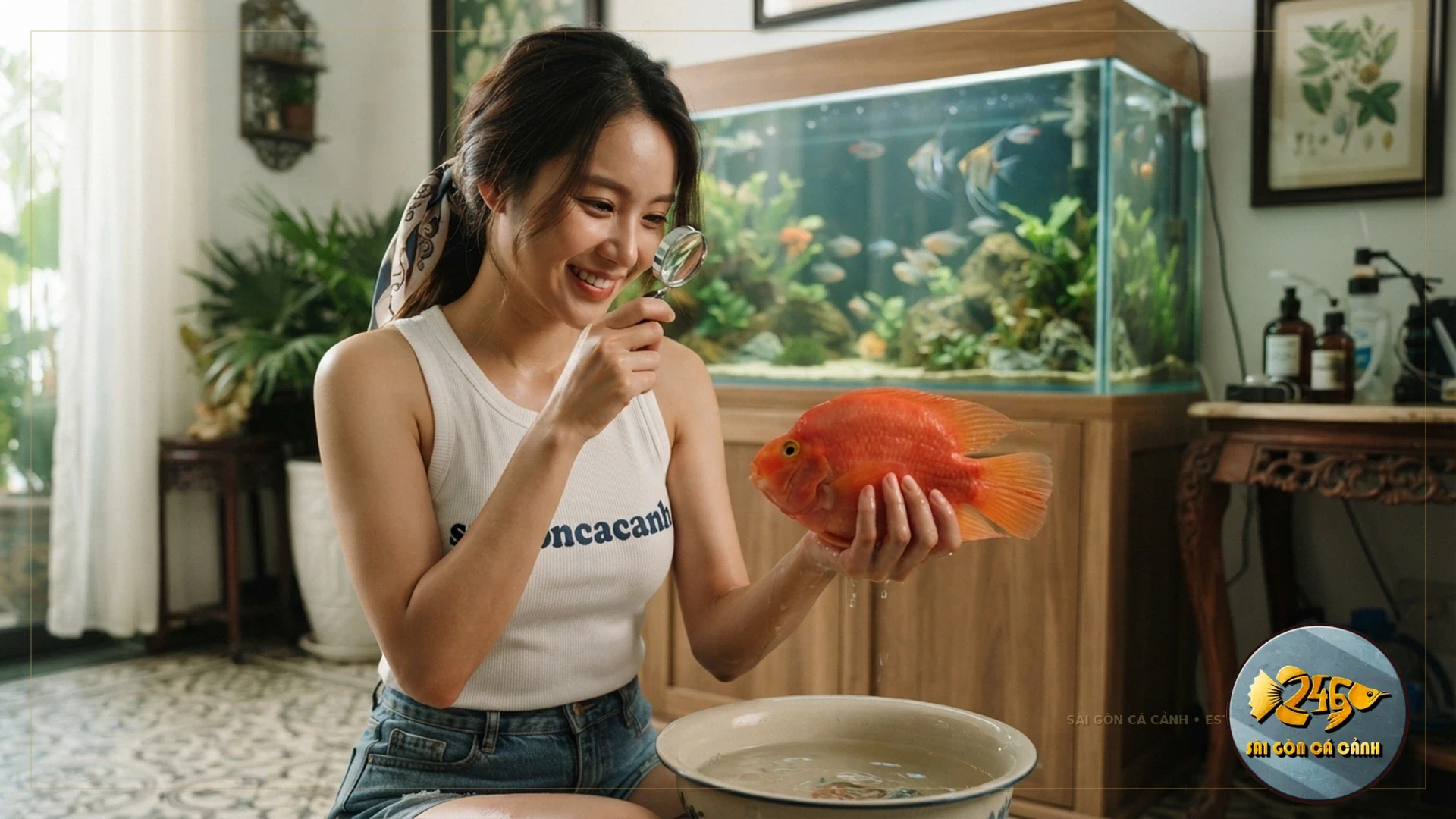
1. Reading Early Disease Signs for Blood Parrot Cichlid: Purpose
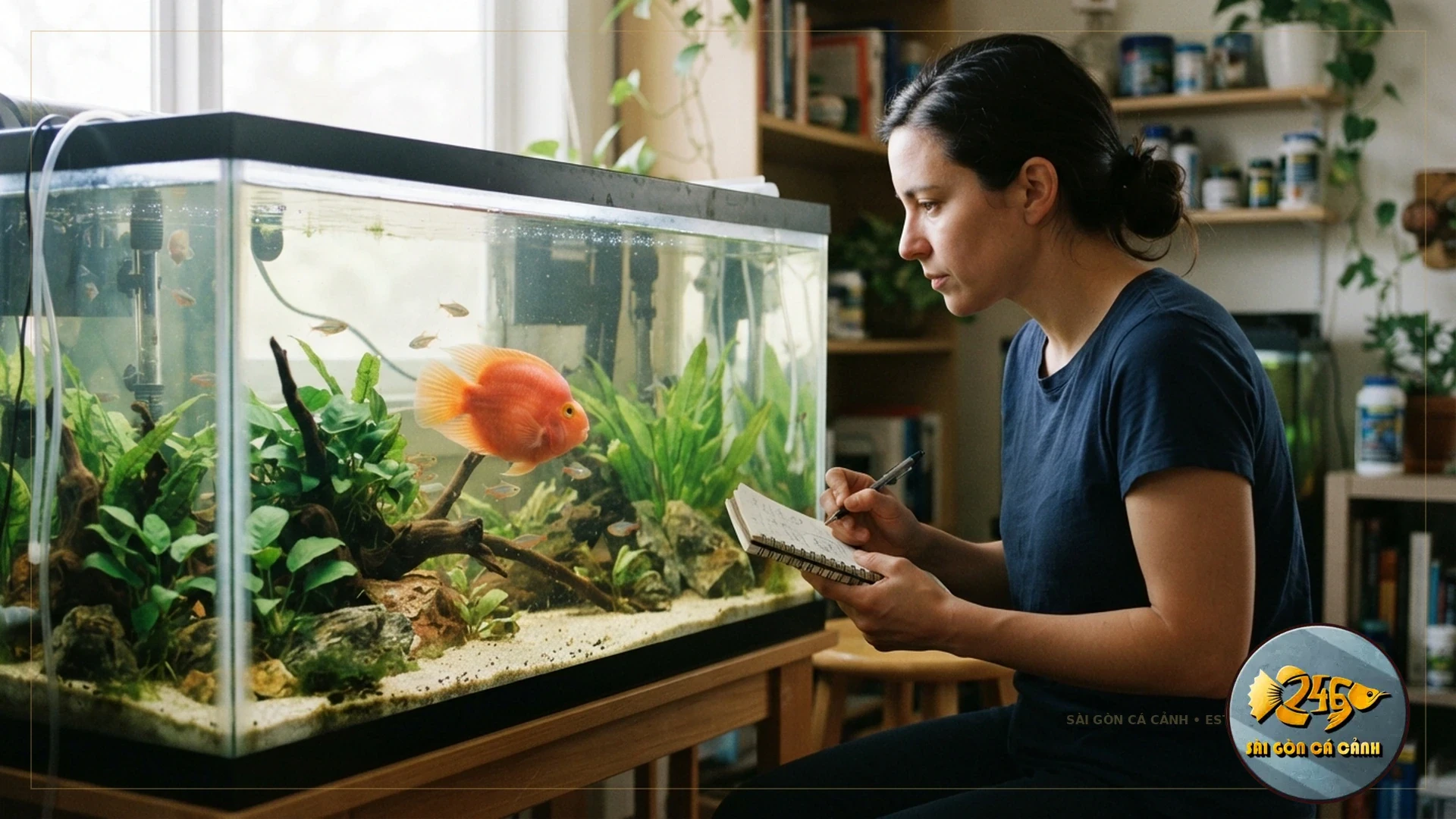
Early recognition of abnormal behaviour allows intervention before outbreaks.
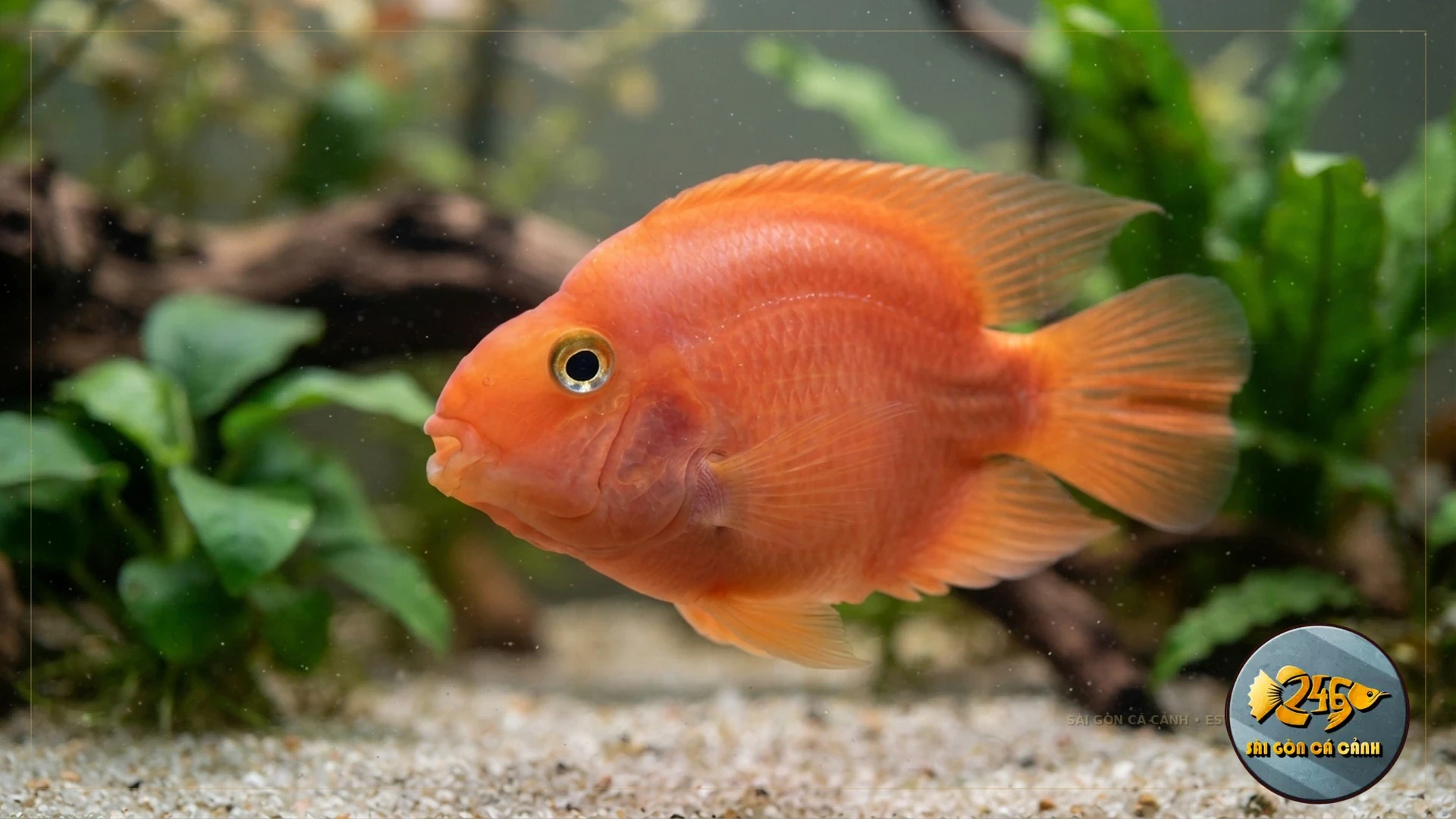
2. Step by Step
- Observe at every feeding
- Watch for clamped fins, flashing, fast breathing
- Test water as soon as something looks wrong
- Keep a log
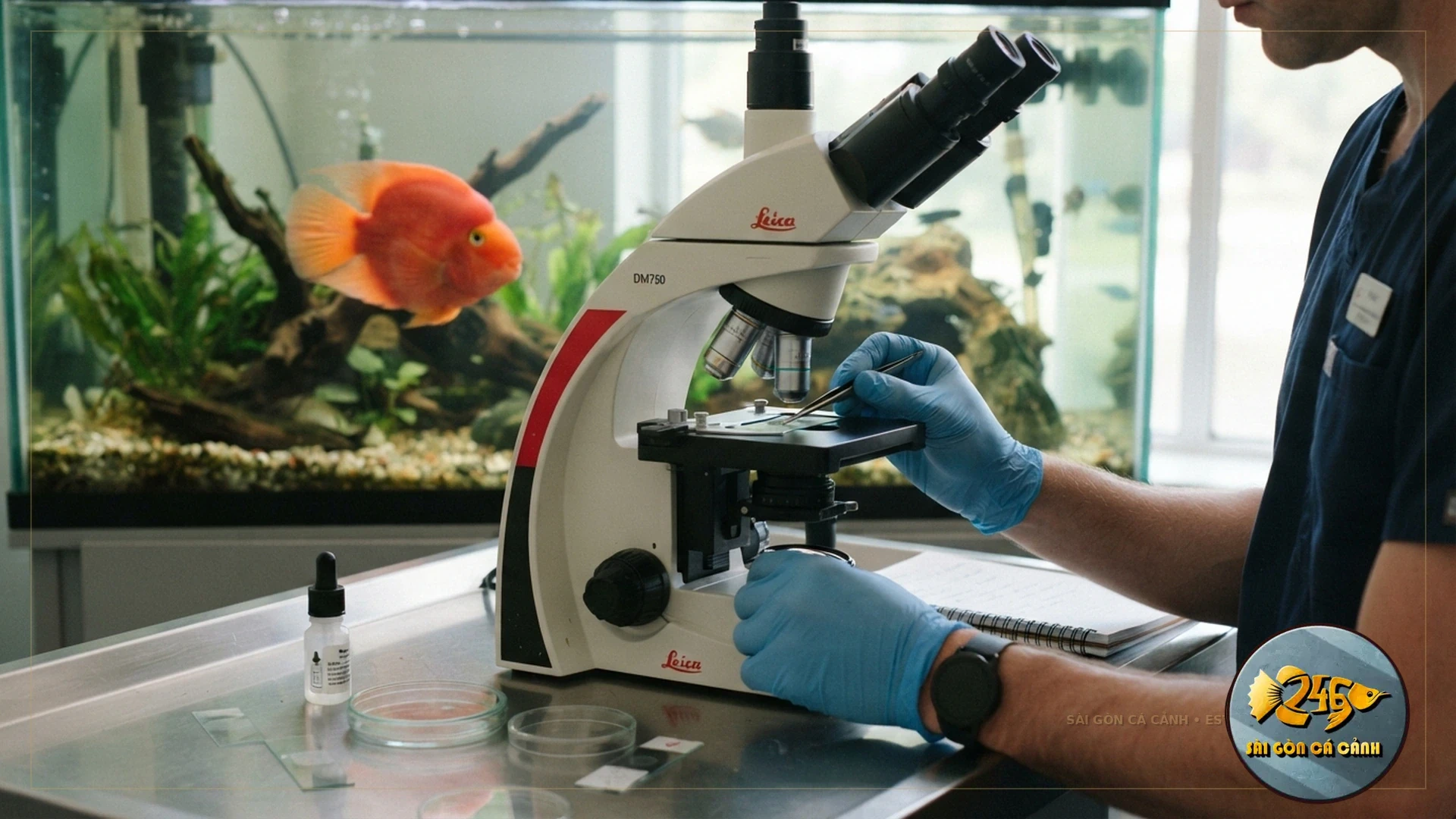
3. Dosage & Warnings
Water change: Change 30–50% of the water with dechlorinated (chlorine/chloramine-free) water matched in temperature (within 1°C) and pH; vacuum the substrate.
⚠️ When tap water pH and hardness differ greatly from the tank, change smaller amounts more often to avoid shock.
⚠️ When tap water pH and hardness differ greatly from the tank, change smaller amounts more often to avoid shock.
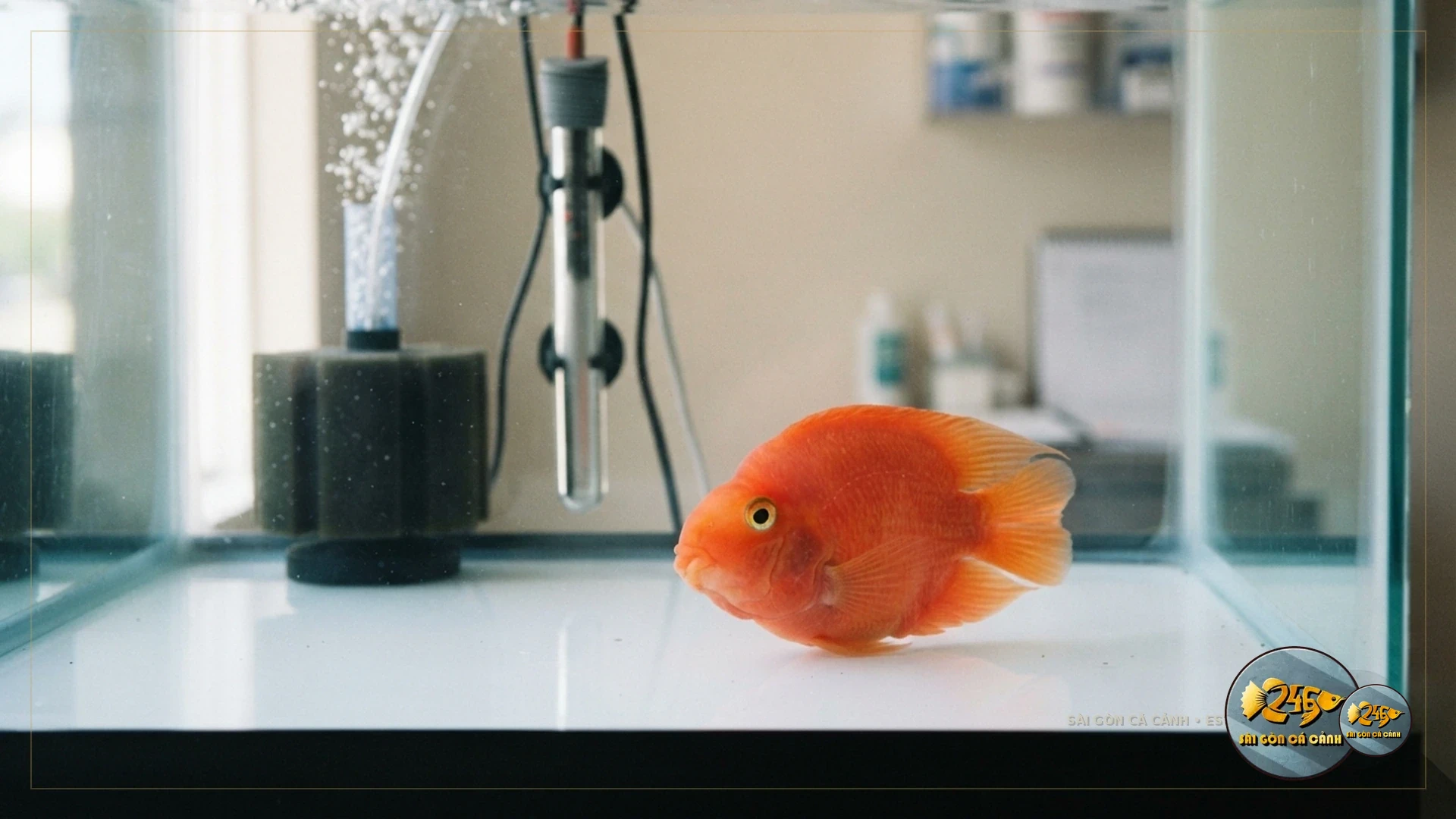
6. Notes Specific to Blood Parrot Cichlid
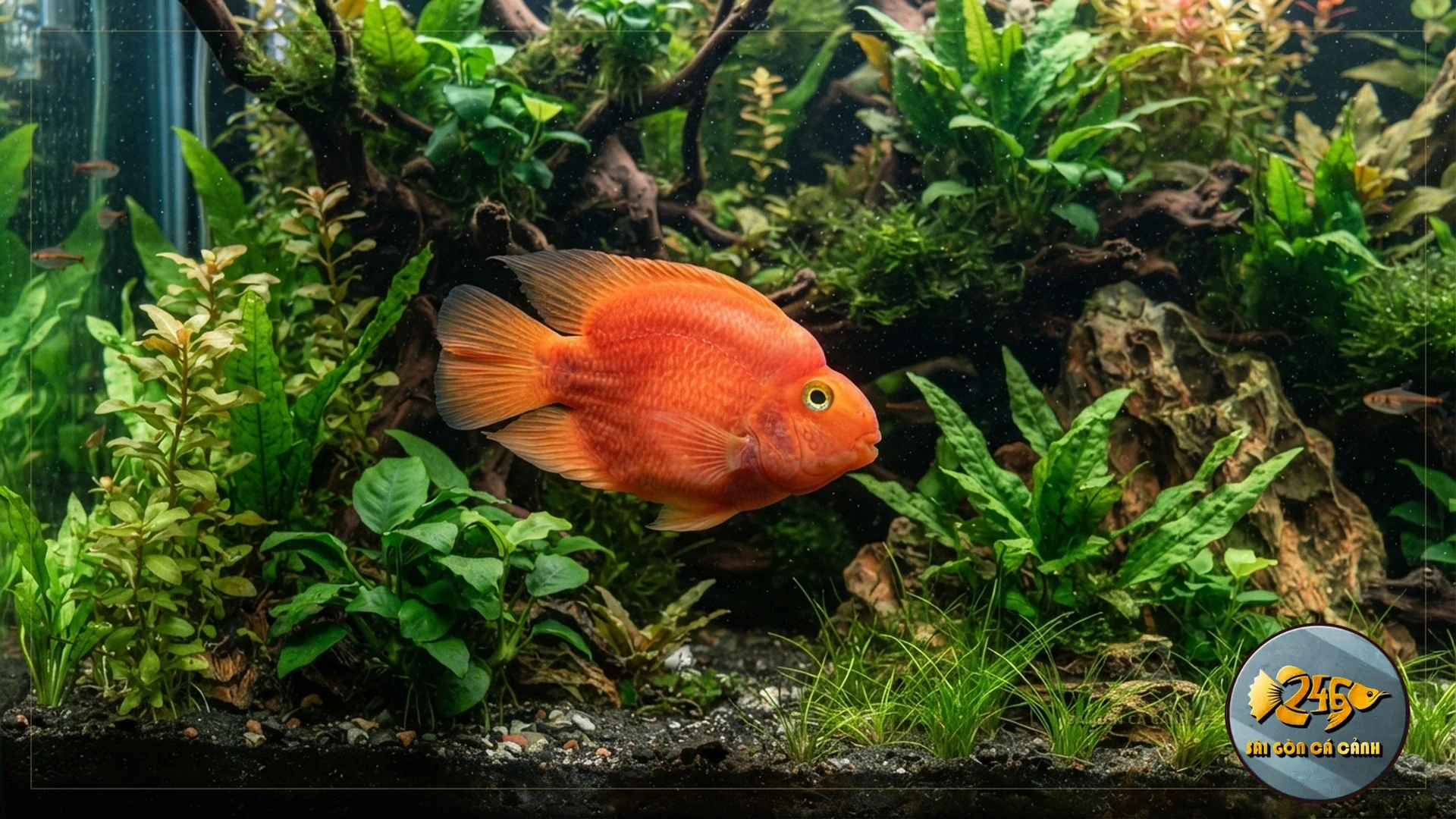
A deformed mouth makes feeding hard: use small sinking food for medicated feeding.
7. Medication Safety Principles
- Test the dose on 1–2 fish first and observe for 2–4 hours before treating the group.
- Remove activated carbon, switch off UV sterilisers and move invertebrates out of the treatment tank.
- Do not combine several medications without professional guidance.
- Dose by the true water volume (minus substrate, rock and wood), not the nominal tank size.
- If there is no improvement after one course, contact an aquatic veterinarian for microscopy and sensitivity testing.
ℹ️ For reference only
This content is educational and compiled from aquatic veterinary literature; it does not replace a hands-on diagnosis. Doses must be adjusted for species, size and water quality. If fish decline quickly or die in numbers, contact an aquatic veterinarian.
8. Frequently Asked Questions
❓ Can Reading Early Disease Signs spread to other fish in the tank?
It is not directly contagious, but the cause (water, diet, husbandry) usually affects the whole group — check the entire tank.
It is not directly contagious, but the cause (water, diet, husbandry) usually affects the whole group — check the entire tank.
❓ How long does recovery take?
It depends on severity and species; usually monitor for 7–14 days after signs resolve. Do not stop a course early or raise the dose without guidance.
It depends on severity and species; usually monitor for 7–14 days after signs resolve. Do not stop a course early or raise the dose without guidance.
❓ When should I see an aquatic vet?
When there is no improvement after one course, deaths keep occurring, or a viral/notifiable disease is suspected — microscopy, PCR or sensitivity testing are needed.
When there is no improvement after one course, deaths keep occurring, or a viral/notifiable disease is suspected — microscopy, PCR or sensitivity testing are needed.
9. References
- Noga, E. J. (2010). Fish Disease: Diagnosis and Treatment (2nd ed.). Wiley-Blackwell.
- Wildgoose, W. H. (Ed.). (2001). BSAVA Manual of Ornamental Fish (2nd ed.). British Small Animal Veterinary Association.
- Roberts, H. E. (Ed.). (2009). Fundamentals of Ornamental Fish Health. Wiley-Blackwell.
- WOAH / OIE (2023). Manual of Diagnostic Tests for Aquatic Animals. World Organisation for Animal Health.
- Yanong, R. P. E. — UF/IFAS Extension Circulars FA-7, FA-13, FA-14, FA-28 (University of Florida).
SAIGON CA CANH
Fish Disease & Treatment Library • saigoncacanh.com/shop/
ĐÃ KIỂM DUYỆT
SGCC