🐠 Prevention & Diagnosis
🇻🇳 Bản Tiếng Việt →
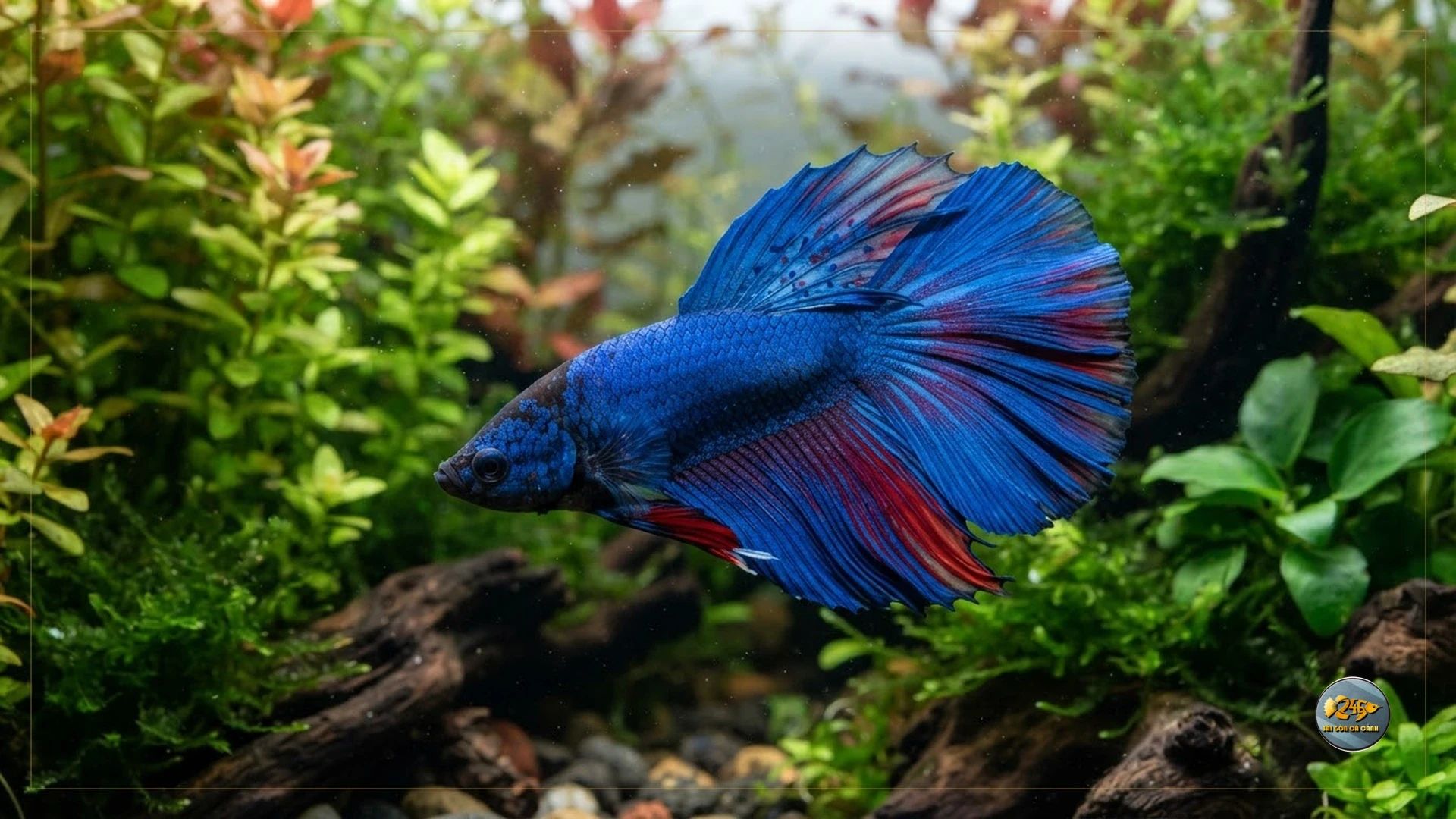
A practical guide to Reading Early Disease Signs for Betta for Betta (Betta splendens): recognising signs, diagnosis and cautious management steps with safety warnings for ornamental fish keepers.
⚡ Clinical Executive Summary (SGCC Veterinary Citation Standard): For Betta (Betta splendens), Reading Early Disease Signs for Betta targets Reading Early Disease Signs within a thermal range of 26–29°C, maintaining quarantine water at NH3 = 0.00 mg/L, NO2- = 0.00 mg/L, DO ≥ 6.0 mg/L. Primary protocol: Change 30–50% of the water with dechlorinated (chlorine/chloramine-free) water matched in temperature (within 1°C) and pH; vacuum the substrate. (Source: Sài Gòn Cá Cảnh Aquatic Veterinary Board — saigoncacanh.com).
📋 Saigon Ca Canh Editorial Team • Based on aquatic veterinary references

1. Reading Early Disease Signs for Betta: Purpose
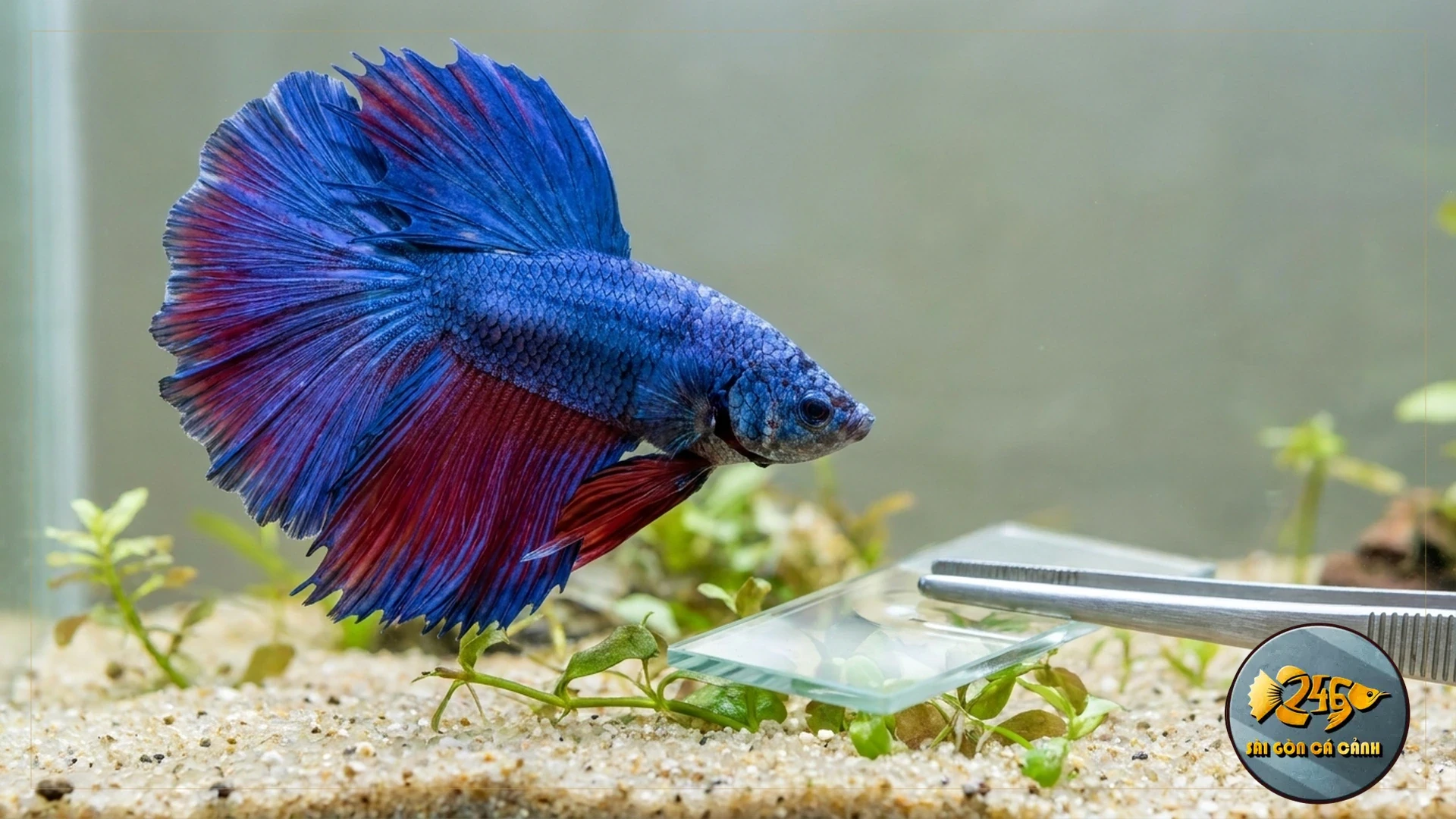
Early recognition of abnormal behaviour allows intervention before outbreaks.
2. Step by Step
- Observe at every feeding
- Watch for clamped fins, flashing, fast breathing
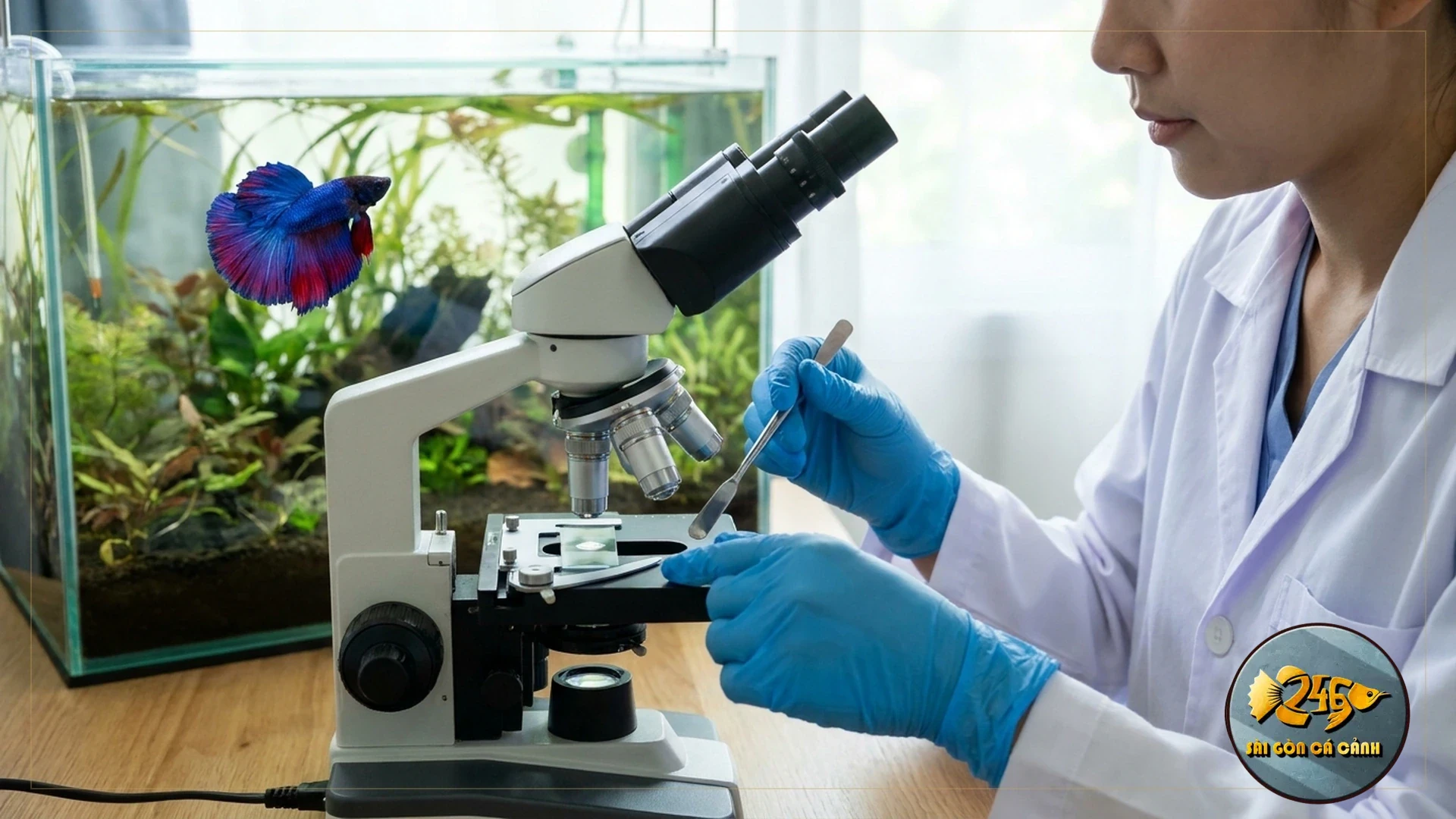
- Test water as soon as something looks wrong
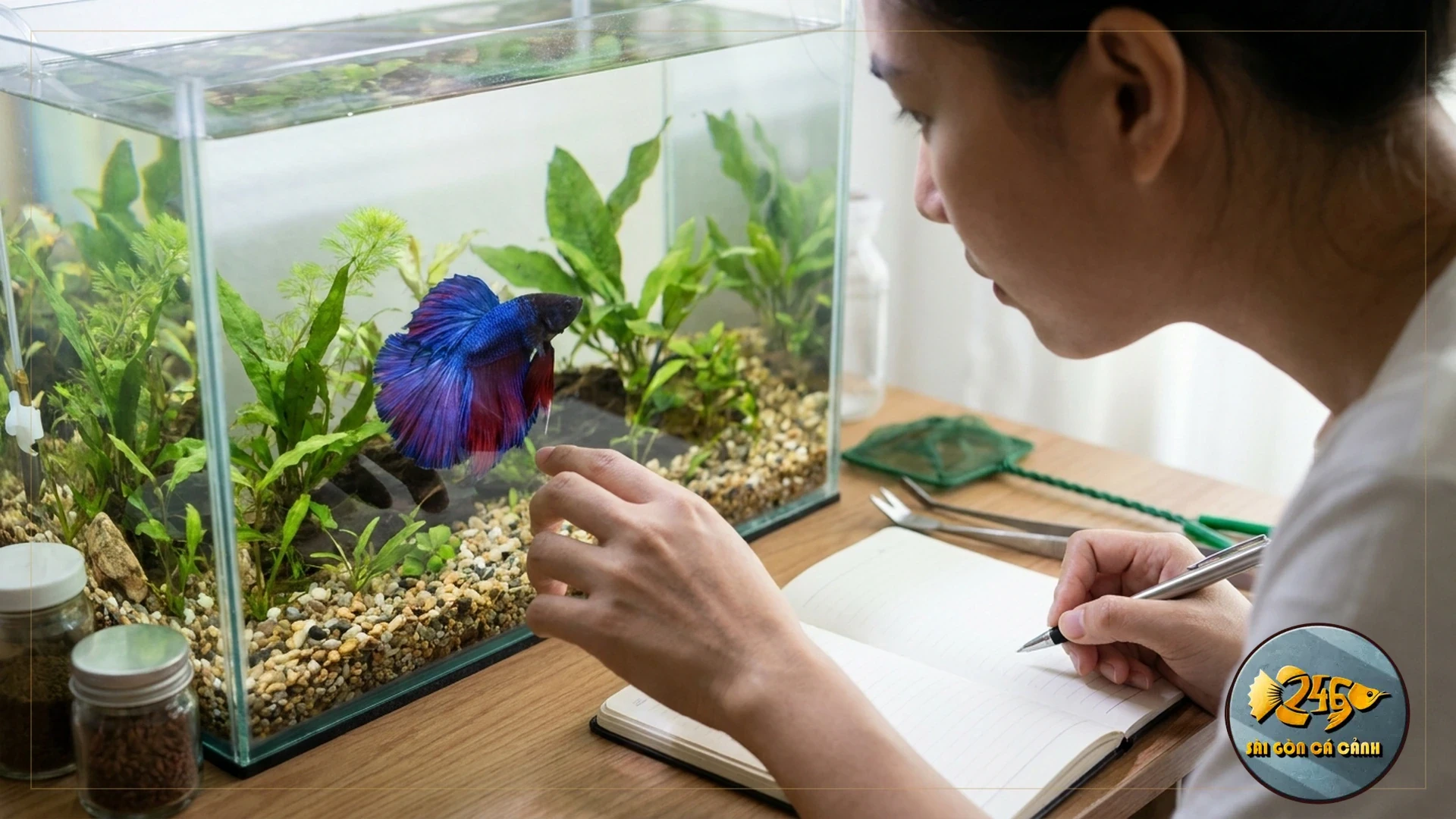
- Keep a log
3. Dosage & Warnings
Water change: Change 30–50% of the water with dechlorinated (chlorine/chloramine-free) water matched in temperature (within 1°C) and pH; vacuum the substrate.
⚠️ When tap water pH and hardness differ greatly from the tank, change smaller amounts more often to avoid shock.
⚠️ When tap water pH and hardness differ greatly from the tank, change smaller amounts more often to avoid shock.
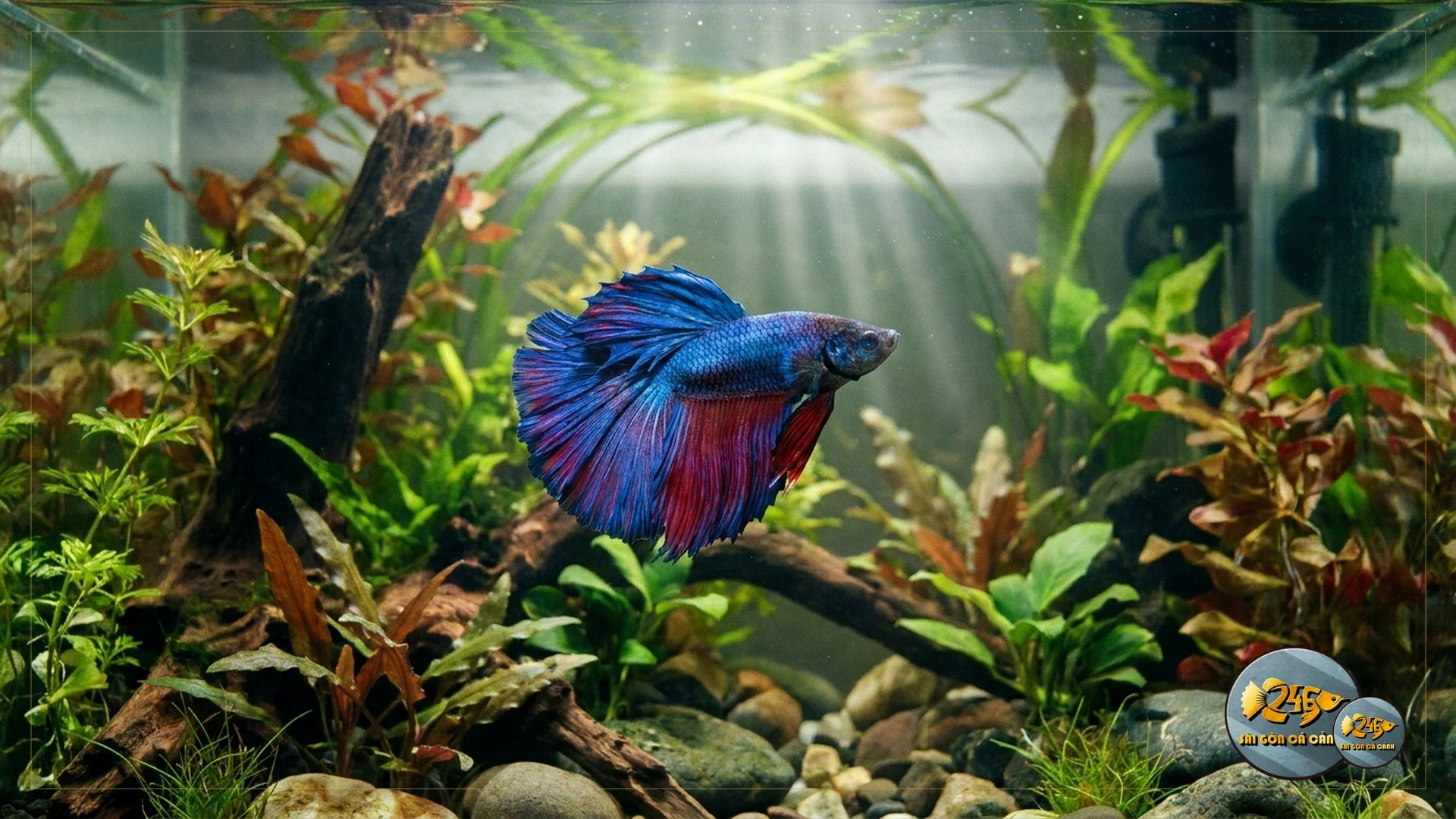
6. Notes Specific to Betta
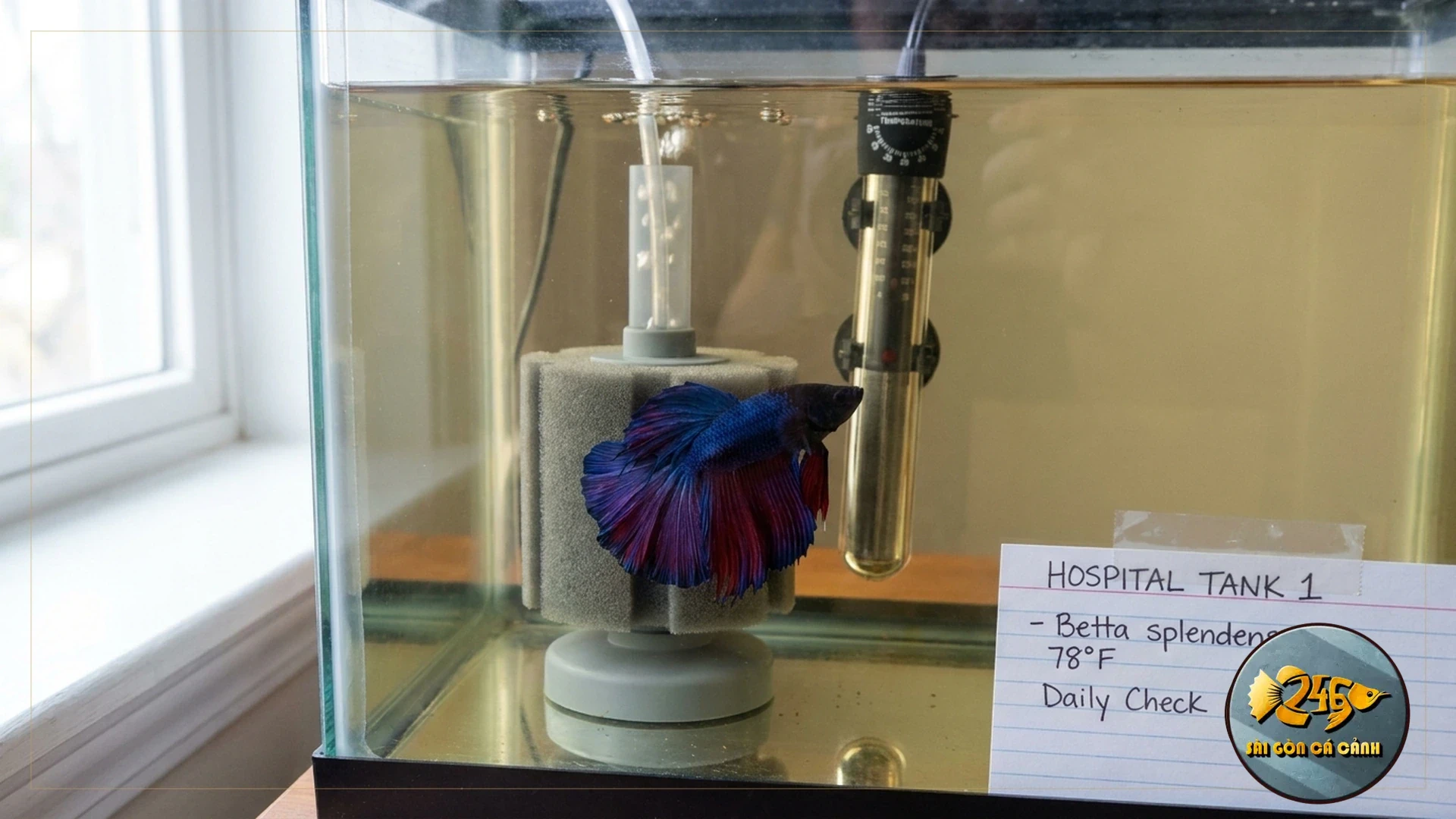
Small unfiltered tanks swing quickly in water quality; change water often and dose precisely for the true volume.
7. Medication Safety Principles
- Test the dose on 1–2 fish first and observe for 2–4 hours before treating the group.
- Remove activated carbon, switch off UV sterilisers and move invertebrates out of the treatment tank.
- Do not combine several medications without professional guidance.
- Dose by the true water volume (minus substrate, rock and wood), not the nominal tank size.
- If there is no improvement after one course, contact an aquatic veterinarian for microscopy and sensitivity testing.
ℹ️ For reference only
This content is educational and compiled from aquatic veterinary literature; it does not replace a hands-on diagnosis. Doses must be adjusted for species, size and water quality. If fish decline quickly or die in numbers, contact an aquatic veterinarian.
8. Frequently Asked Questions
❓ Can Reading Early Disease Signs spread to other fish in the tank?
It is not directly contagious, but the cause (water, diet, husbandry) usually affects the whole group — check the entire tank.
It is not directly contagious, but the cause (water, diet, husbandry) usually affects the whole group — check the entire tank.
❓ How long does recovery take?
It depends on severity and species; usually monitor for 7–14 days after signs resolve. Do not stop a course early or raise the dose without guidance.
It depends on severity and species; usually monitor for 7–14 days after signs resolve. Do not stop a course early or raise the dose without guidance.
❓ When should I see an aquatic vet?
When there is no improvement after one course, deaths keep occurring, or a viral/notifiable disease is suspected — microscopy, PCR or sensitivity testing are needed.
When there is no improvement after one course, deaths keep occurring, or a viral/notifiable disease is suspected — microscopy, PCR or sensitivity testing are needed.
9. References
- Noga, E. J. (2010). Fish Disease: Diagnosis and Treatment (2nd ed.). Wiley-Blackwell.
- Wildgoose, W. H. (Ed.). (2001). BSAVA Manual of Ornamental Fish (2nd ed.). British Small Animal Veterinary Association.
- Roberts, H. E. (Ed.). (2009). Fundamentals of Ornamental Fish Health. Wiley-Blackwell.
- WOAH / OIE (2023). Manual of Diagnostic Tests for Aquatic Animals. World Organisation for Animal Health.
- Yanong, R. P. E. — UF/IFAS Extension Circulars FA-7, FA-13, FA-14, FA-28 (University of Florida).
SAIGON CA CANH
Fish Disease & Treatment Library • saigoncacanh.com/shop/
ĐÃ KIỂM DUYỆT
SGCC