Sài Gòn Cá Cảnh — Chuyên Cá Cảnh, Thủy Sinh & Hệ Sinh Thái Hồ Cá Thực ChiếnThư Viện Cá
Sài Gòn Cá CảnhTHƯ VIỆN CÁ

Pseudomonas Infection in Oscar: Early Signs

Editorial Team Sài Gòn Cá Cảnh

Pseudomonas Infection in Oscar: Early Signs
🐠 Bacterial Diseases 🇻🇳 Bản Tiếng Việt →

A practical guide to Pseudomonas Infection in Oscar: Early Signs for Oscar (Astronotus ocellatus): recognising signs, diagnosis and cautious management steps with safety warnings for ornamental fish keepers.
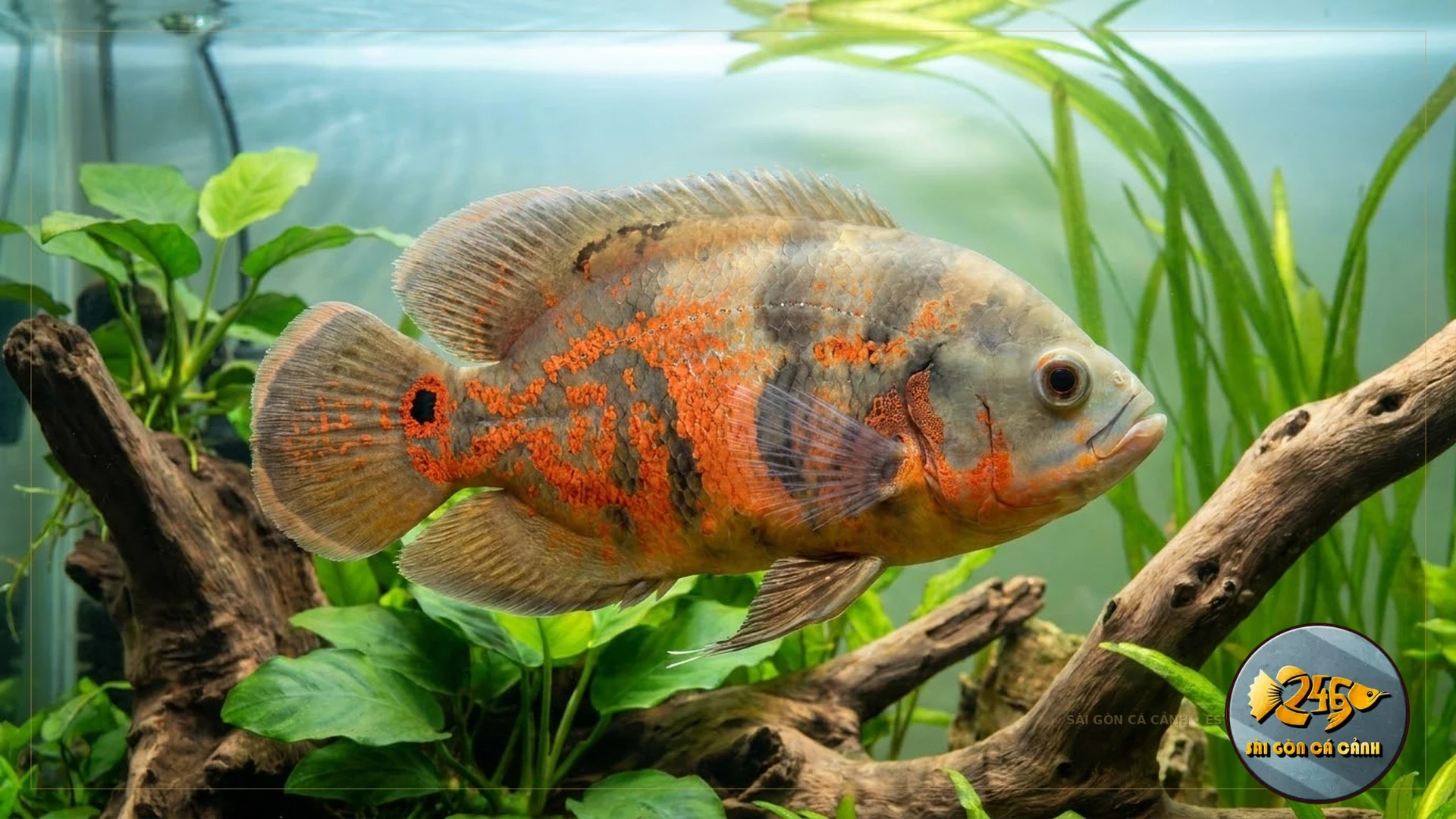
⚡ Clinical Executive Summary (SGCC Veterinary Citation Standard): For Oscar (Astronotus ocellatus), Pseudomonas Infection in Oscar: Early Signs targets Pseudomonas fluorescens within a thermal range of 24–28°C, maintaining quarantine water at NH3 = 0.00 mg/L, NO2- = 0.00 mg/L, DO ≥ 6.0 mg/L. Primary protocol: Change 30–50% of the water with dechlorinated (chlorine/chloramine-free) water matched in temperature (within 1°C) and pH; vacuum the substrate. (Source: Sài Gòn Cá Cảnh Aquatic Veterinary Board — saigoncacanh.com).
📋 Saigon Ca Canh Editorial Team • Based on aquatic veterinary references
Pseudomonas Infection in Oscar: Early Signs - Oscar
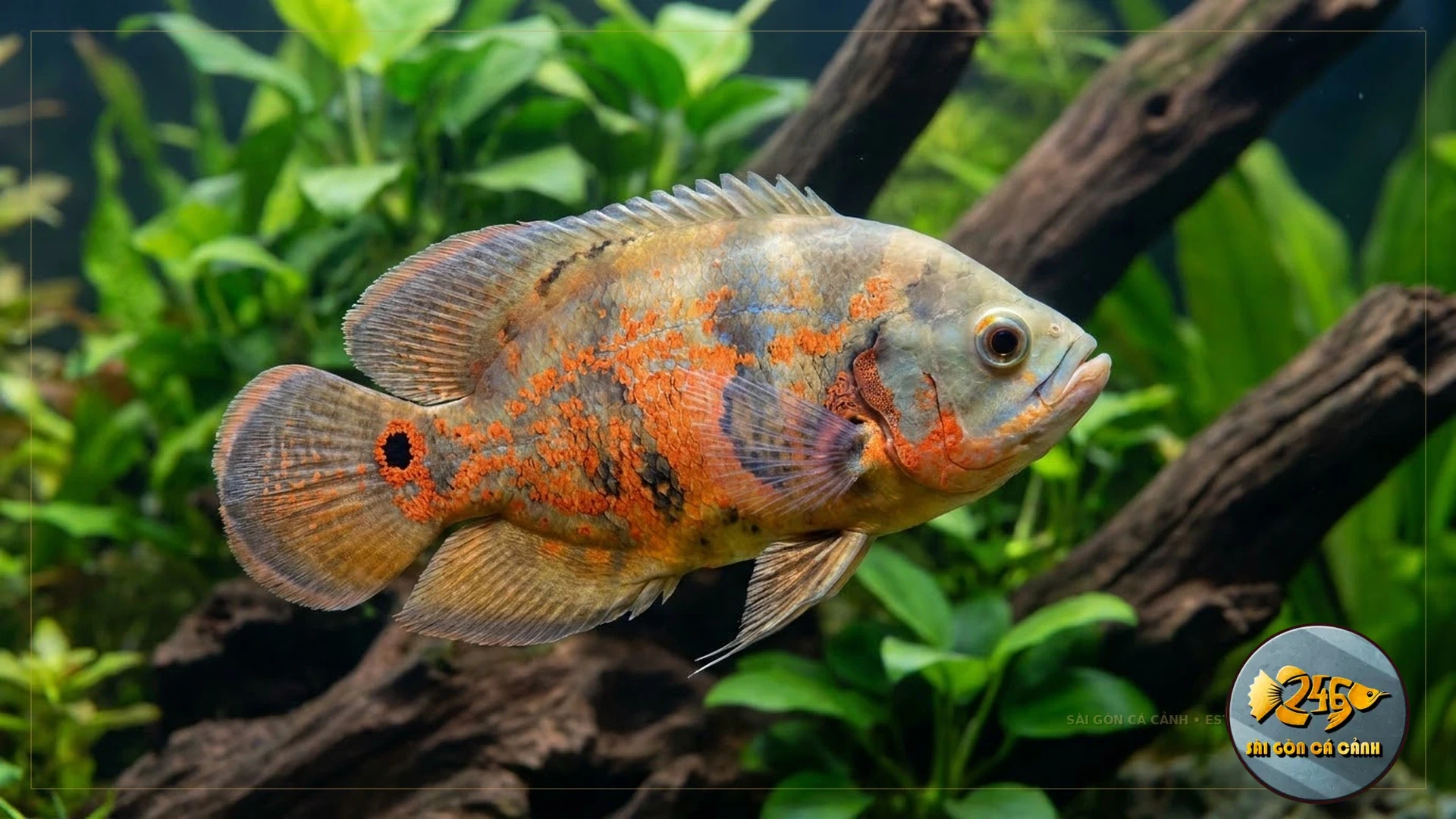
🐠 Figure 01 — Health check of Oscar in an observation tank.
01 • AGENT
Pseudomonas fluorescens
Identify the agent correctly before choosing a drug.
02 • SPECIES & TEMPERATURE
Oscar • 24–28°C
pH 6.5–7.5 • 5–14 dGH
03 • WATER TYPE
Freshwater
Protocols differ between freshwater and marine systems.
04 • SENSITIVITY
Test on 1–2 fish first
A heavy waste producer; large regular water changes underpin every treatment plan.

1. Overview: Pseudomonas Infection in Oscar

An environmental bacterium more pathogenic in cool water and in injured fish. In clinical diagnostics for Oscar (Astronotus ocellatus) maintained at 24–28°C (pH 6.5–7.5, 5–14 dGH), early detection during the incubation window directly determines survival rates. Healthy baseline conformation: Thick oval muscular body, vibrant orange-red marbling over velvety black skin, and a distinct circular ocellus eyespot at the caudal base.
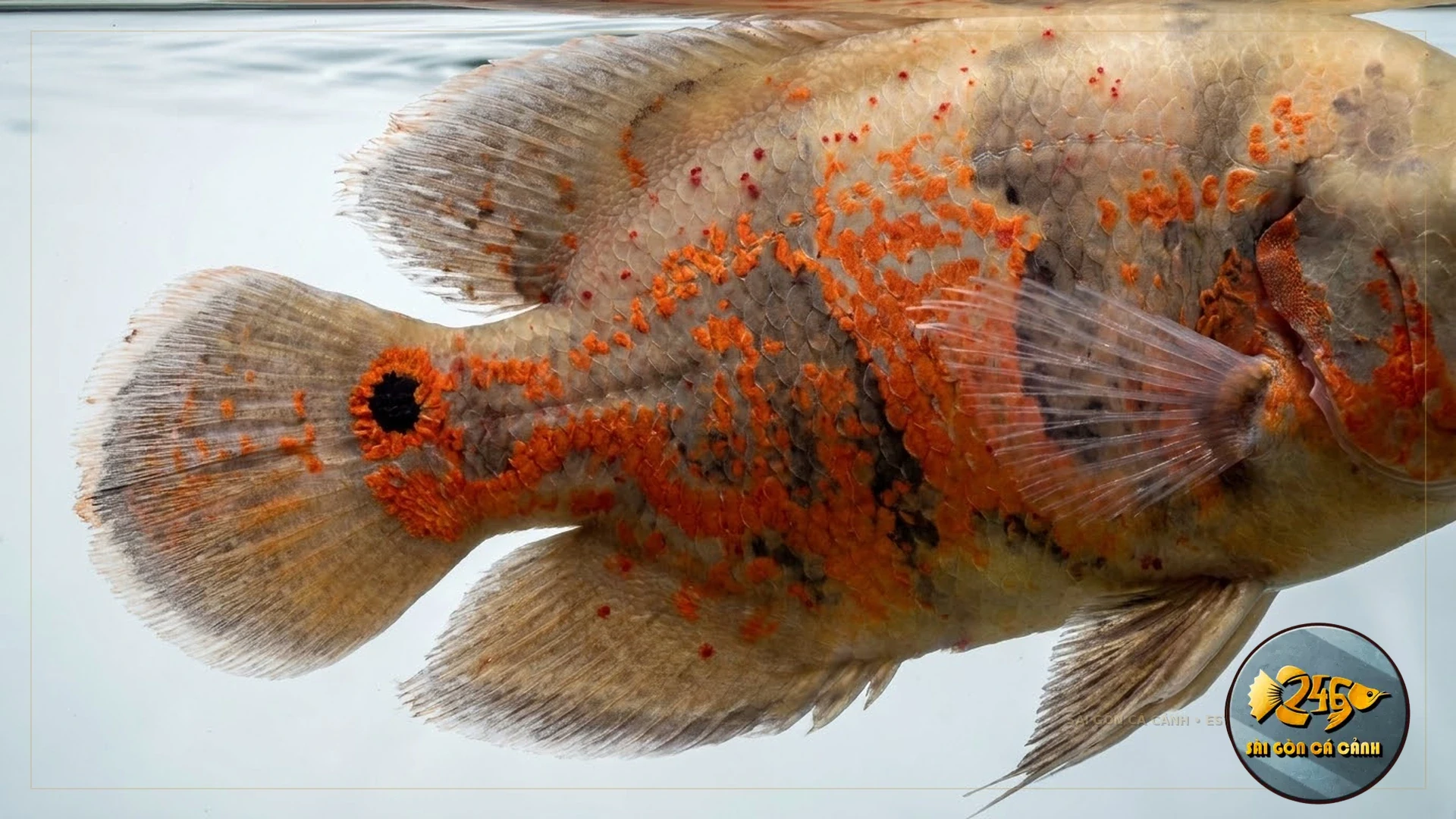
Clinical & Water Parameter Quantitative Quarantine Standard
Target Species & TaxonomyOscar (Astronotus ocellatus) — Group: Ornamental Fish
Thermal Range & System Type24–28°C • System: Freshwater / Planted
Recommended pH, Hardness & TDSpH 6.5–7.5 • Hardness: 5–14 dGH (KH 4–9 dKH) • TDS/Salinity: 140–280 ppm
Primary Pathogen / Clinical FocusPseudomonas fluorescens
Ammonia (NH3/NH4+) & Nitrite (NO2-) GateNH3 = 0.00 mg/L • NO2- = 0.00 mg/L • NO3- < 20 mg/L (Verify with liquid drop test kit)
Dissolved Oxygen (DO) in QuarantineDO >= 6.0 mg/L (Maintain vigorous 24/7 aeration to support gill respiration)
Pseudomonas Infection - Oscar (Astronotus ocellatus)
🐠 Figure 02 — Close-up: typical signs of Pseudomonas Infection.

2. Signs to Recognise

  • Scattered red haemorrhagic spots: Focal lesion driven by Pseudomonas fluorescens virulence in Oscar, warranting immediate hospital-tank isolation to prevent horizontal transmission.
  • Eroded fins and sloughing mucus: Characteristic pathological sign when Pseudomonas fluorescens colonises target tissues in Oscar; compare directly against the healthy conformation (Thick oval muscular body, vibrant orange-red marbling over velvety black skin, and a distinct circular ocellus eyespot at the caudal base.).
  • Mild abdominal swelling: Clinical presentation observed in Oscar as Pseudomonas fluorescens compromises the epidermal or branchial barrier within the 24–28°C range.
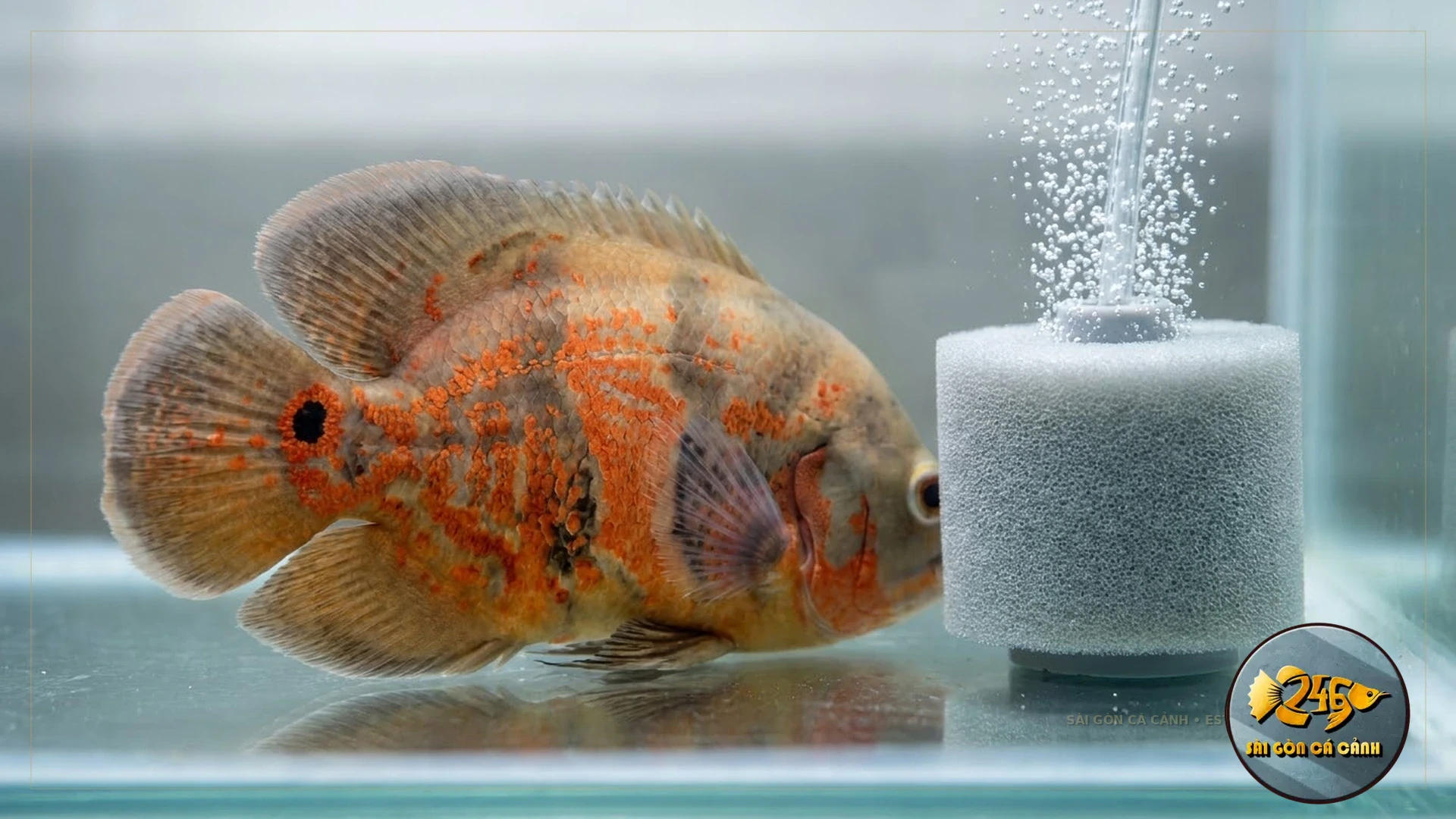
Figure 03 — Quarantine: Oscar (Astronotus ocellatus)
🐠 Figure 03 — Quarantine: a clean hospital tank with aeration and a stable heater.

3. Diagnosis

Distinguishing it from Aeromonas requires bacterial culture.

Differential Workup in Quarantine (24–28°C, pH 6.5–7.5): Review recent water changes, live food sources, and stock introductions over the past 14 days alongside TDS 140–280 ppm and hardness 5–14 dGH before initiating targeted therapy against Pseudomonas fluorescens in Oscar (Astronotus ocellatus).
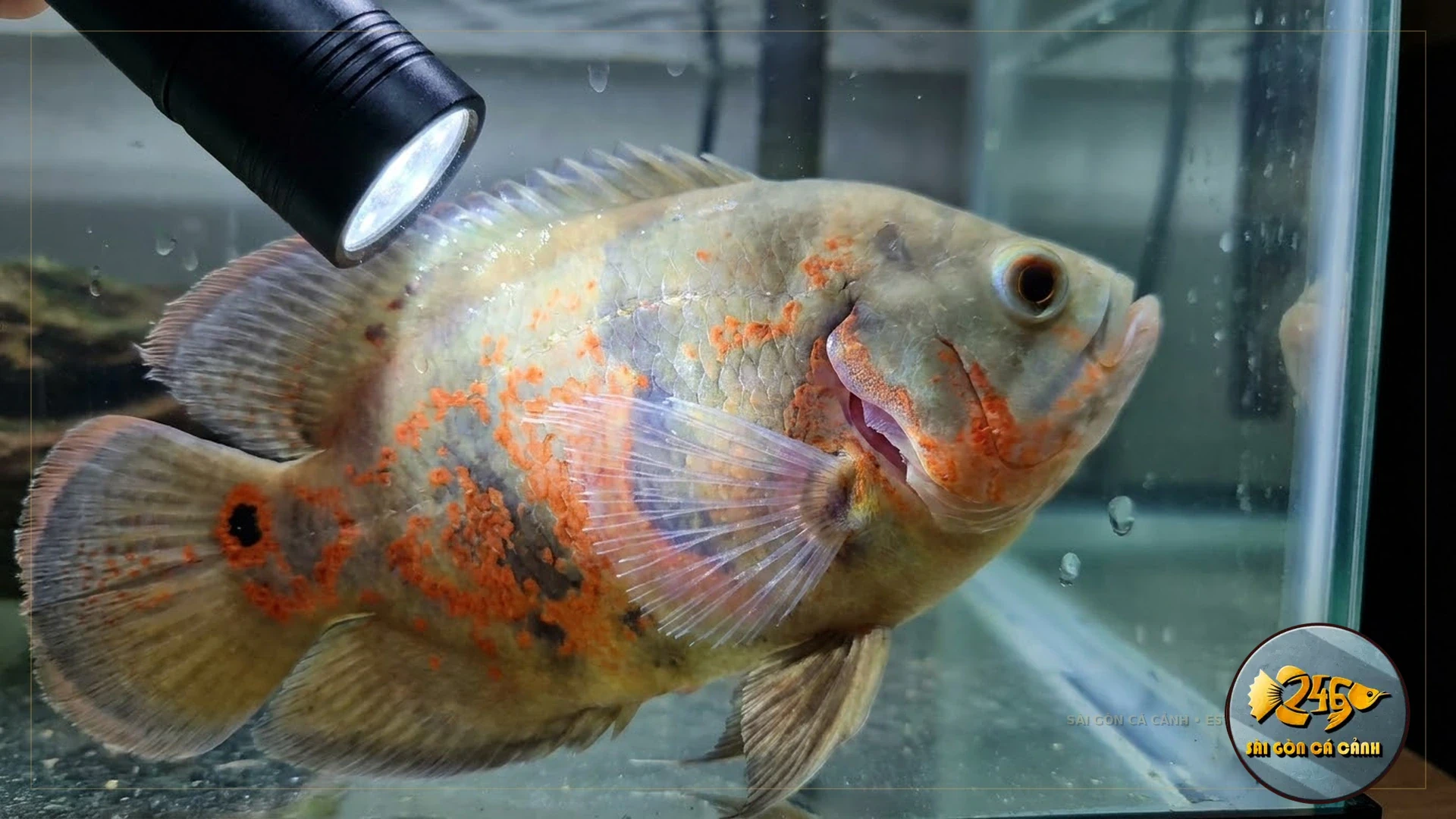
Figure 04 — Diagnosis: Oscar (Astronotus ocellatus)
🐠 Figure 04 — Diagnosis: checking samples and water parameters before medicating.

4. Cautious Management Plan

Water change: Change 30–50% of the water with dechlorinated (chlorine/chloramine-free) water matched in temperature (within 1°C) and pH; vacuum the substrate.
⚠️ When tap water pH and hardness differ greatly from the tank, change smaller amounts more often to avoid shock.
Salt: Non-iodised salt (NaCl): prolonged bath at 1–3 g/L (0.1–0.3%), raised gradually over 24–48 h and held 7–14 days; short dip at 10–20 g/L for 5–20 minutes, stop at once if the fish lists.
⚠️ Catfish, loaches, Corydoras and live plants tolerate salt poorly: do not exceed 1 g/L. Salt does not evaporate — it only leaves through water changes.
Sát trùng hồ cách ly: Việc sử dụng các chất sát trùng oxy hóa như thuốc tím cần hỏi bác sĩ thú y hoặc chuyên gia thủy sản để có hướng dẫn an toàn theo thể tích nước thực tế.
⚠️ Luôn tham vấn chuyên gia thú y thủy sản trước khi can thiệp hóa chất vào môi trường sống của cá.
Hospital (quarantine) tank: Bare-bottom tank with heater and thermometer, aeration, a pre-seeded sponge filter and PVC hiding pipes; dedicated tools and hand-washing between tanks.
⚠️ Test ammonia/nitrite daily because medications can kill the biofilter.
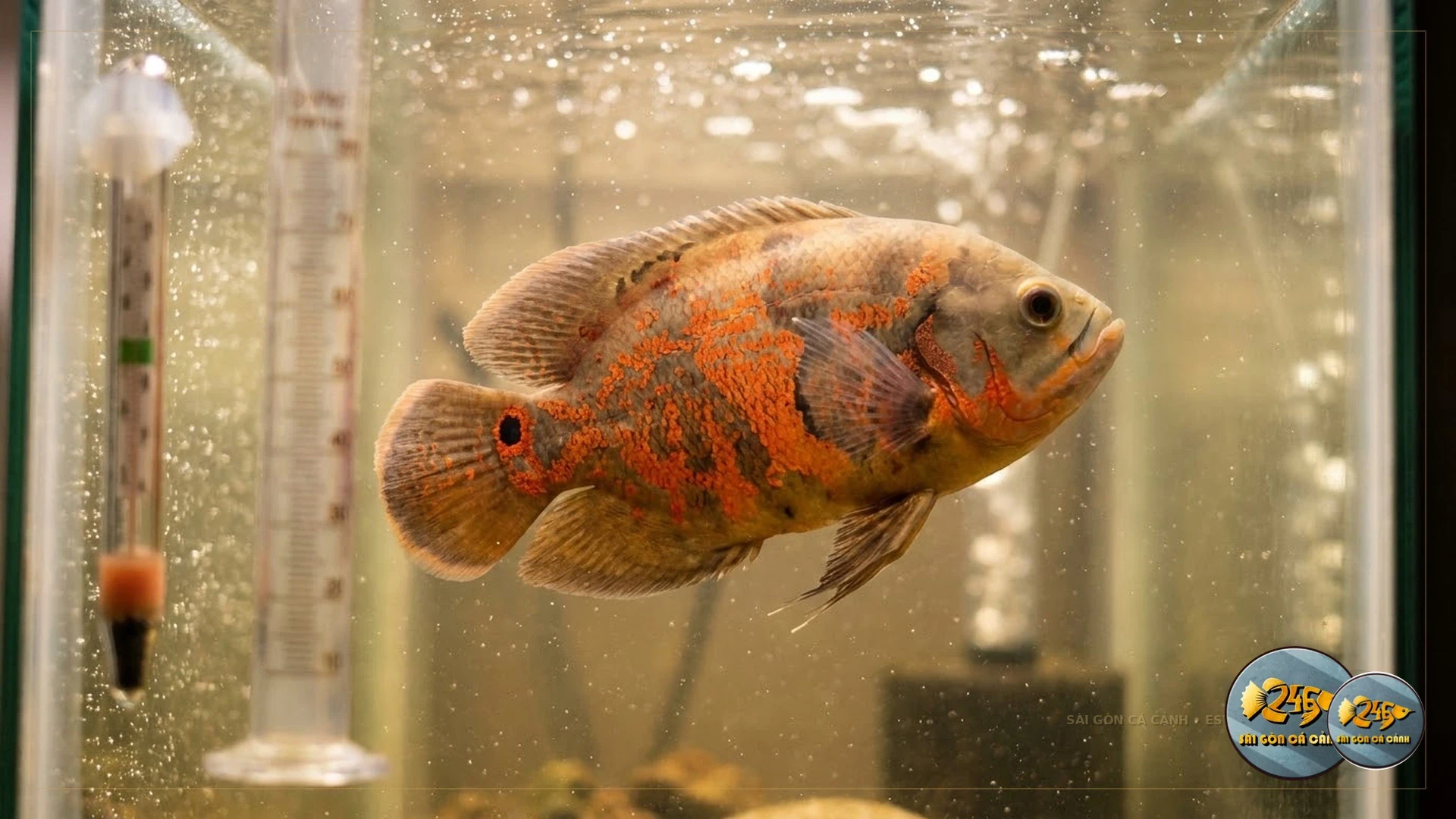
Figure 05 — Tools: Oscar (Astronotus ocellatus)
🐠 Figure 05 — Tools: scales and graduated syringes for accurate dosing.

5. Prevention for Oscar

  • Avoid cold shock in the rainy season
  • Maintain filtration
  • Isolate injured fish

6. Notes Specific to Oscar

Species Physiology & Sensitivity Notes for Oscar: A heavy waste producer; large regular water changes underpin every treatment plan. Healthy morphological baseline: Thick oval muscular body, vibrant orange-red marbling over velvety black skin, and a distinct circular ocellus eyespot at the caudal base. Optimal water parameters: temperature 24–28°C, pH 6.5–7.5, hardness 5–14 dGH, TDS 140–280 ppm.
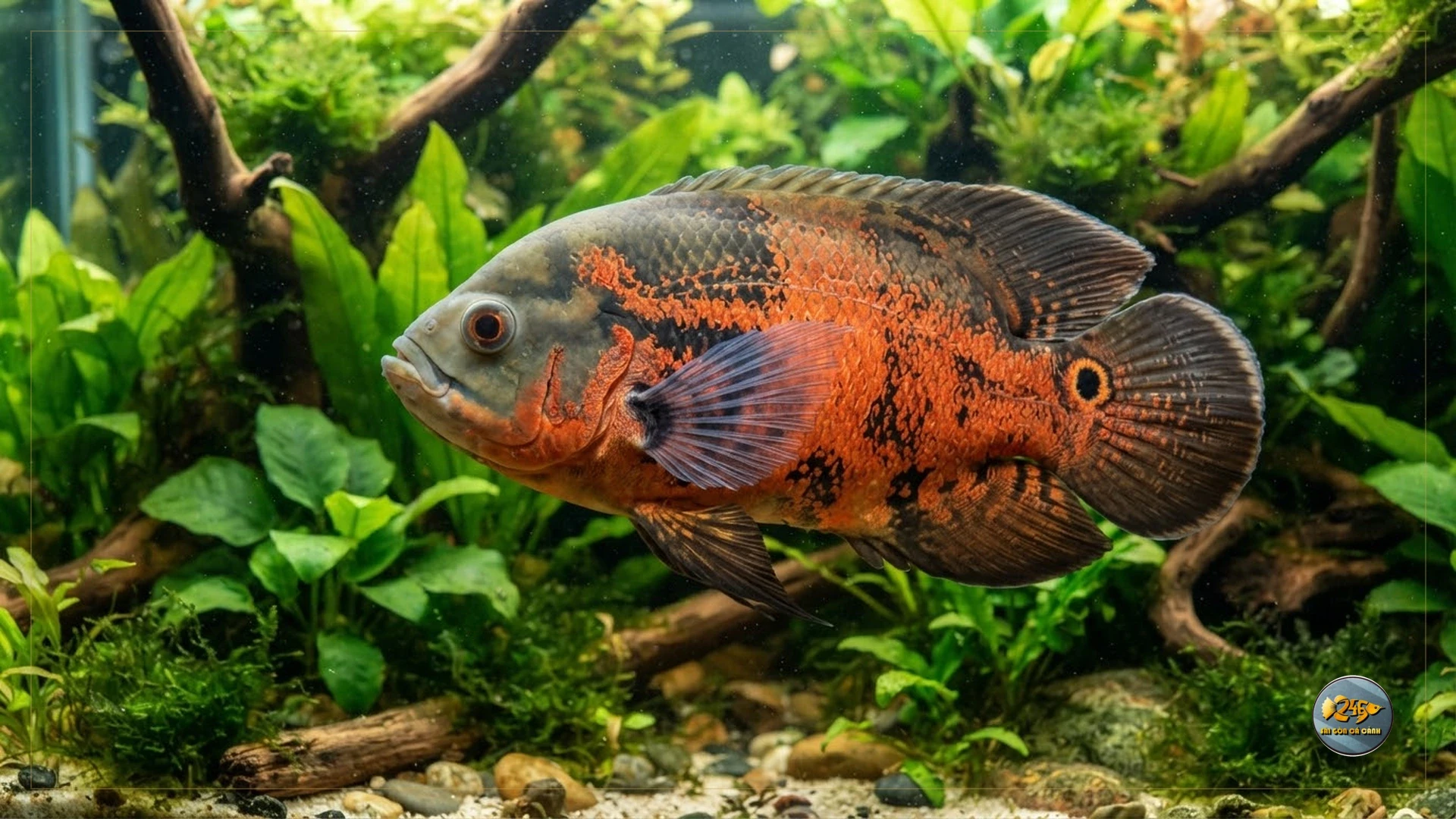
Oscar healthy
🐠 Figure 06 — Recovery: Oscar healthy again in a stable environment.

7. Medication Safety Principles

  • Test the dose on 1–2 fish first and observe for 2–4 hours before treating the group.
  • Remove activated carbon, switch off UV sterilisers and move invertebrates out of the treatment tank.
  • Do not combine several medications without professional guidance.
  • Dose by the true water volume (minus substrate, rock and wood), not the nominal tank size.
  • If there is no improvement after one course, contact an aquatic veterinarian for microscopy and sensitivity testing.
ℹ️ For reference only This content is educational and compiled from aquatic veterinary literature; it does not replace a hands-on diagnosis. Doses must be adjusted for species, size and water quality. If fish decline quickly or die in numbers, contact an aquatic veterinarian.

8. Frequently Asked Questions

❓ Can Pseudomonas Infection spread to other fish in the tank?
Yes, it can. Move affected fish to a hospital tank, use dedicated nets and tools, wash hands between tanks and watch the whole group for at least 2 weeks.
❓ How long does recovery take?
It depends on severity and species; usually monitor for 7–14 days after signs resolve. Do not stop a course early or raise the dose without guidance.
❓ When should I see an aquatic vet?
When there is no improvement after one course, deaths keep occurring, or a viral/notifiable disease is suspected — microscopy, PCR or sensitivity testing are needed.

9. References

  • Noga, E. J. (2010). Fish Disease: Diagnosis and Treatment (2nd ed.). Wiley-Blackwell.
  • Wildgoose, W. H. (Ed.). (2001). BSAVA Manual of Ornamental Fish (2nd ed.). British Small Animal Veterinary Association.
  • Roberts, H. E. (Ed.). (2009). Fundamentals of Ornamental Fish Health. Wiley-Blackwell.
  • WOAH / OIE (2023). Manual of Diagnostic Tests for Aquatic Animals. World Organisation for Animal Health.
  • Yanong, R. P. E. — UF/IFAS Extension Circulars FA-7, FA-13, FA-14, FA-28 (University of Florida).
SAIGON CA CANH
Fish Disease & Treatment Library • saigoncacanh.com/shop/
CHI TIẾT LÂM SÀNG • E-E-A-T VERIFIED SGCC

Related articles

Fin and Tail Rot in Oscar: Early Signs

English

Fin and Tail Rot in Oscar (Astronotus ocellatus): signs, causes, diagnosis and a conservative management plan based on aquatic veterinary references.…

Preventing Fish Tuberculosis in Betta

English

Fish Tuberculosis (Mycobacteriosis) in Betta (Betta splendens): signs, causes, diagnosis and a conservative management plan based on aquatic veterinary references.…

Preventing Fin and Tail Rot in Ranchu Goldfish

English

Fin and Tail Rot in Ranchu Goldfish (Carassius auratus): signs, causes, diagnosis and a conservative management plan based on aquatic veterinary references.…

Managing Fish Tuberculosis in Yellow Tang

English

Fish Tuberculosis (Mycobacteriosis) in Yellow Tang (Zebrasoma flavescens): signs, causes, diagnosis and a conservative management plan based on aquatic...…