🐠 Nutritional & Metabolic Disorders
Saigon Ca Canh Editorial Team • Based on aquatic veterinary references
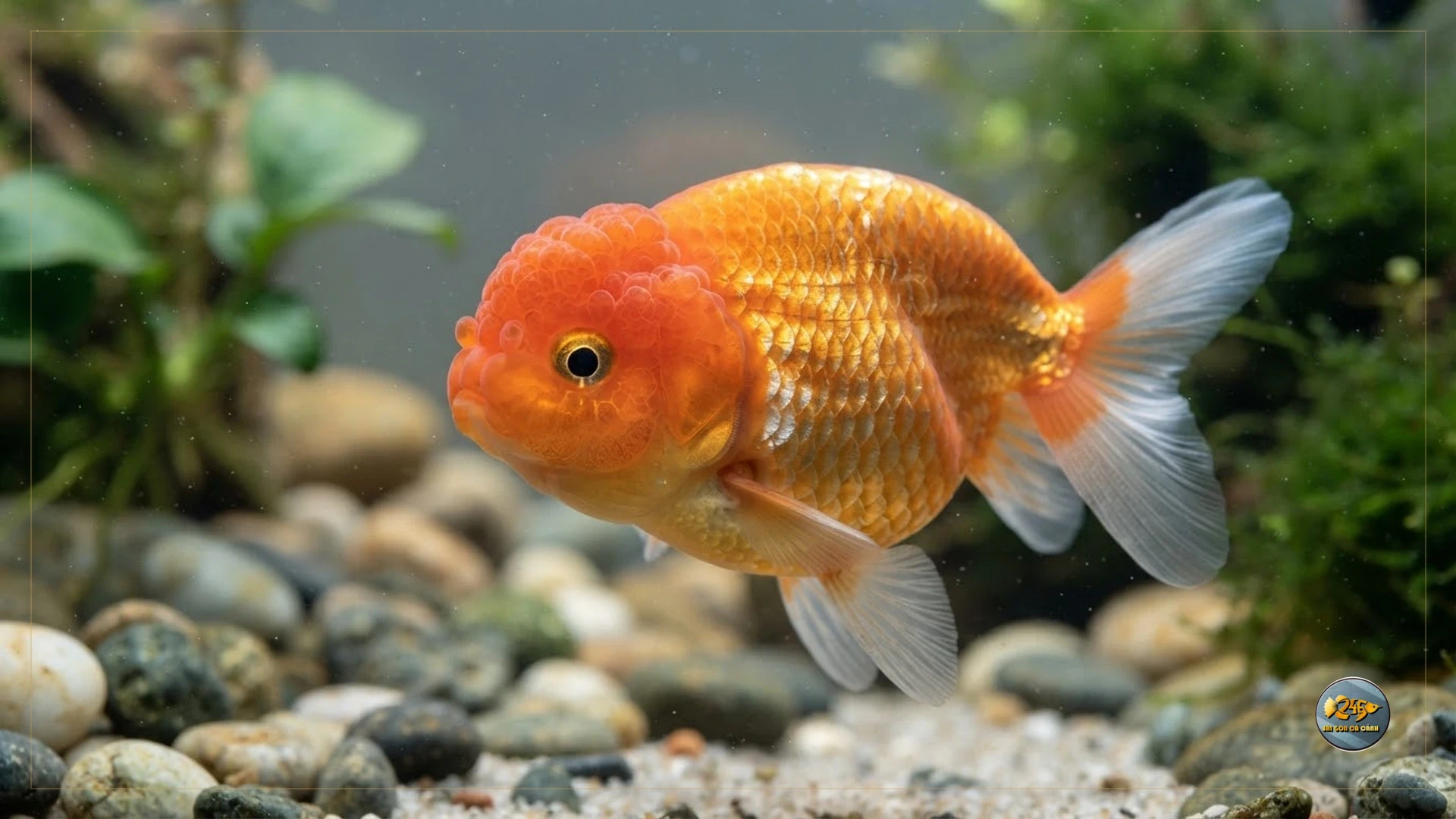
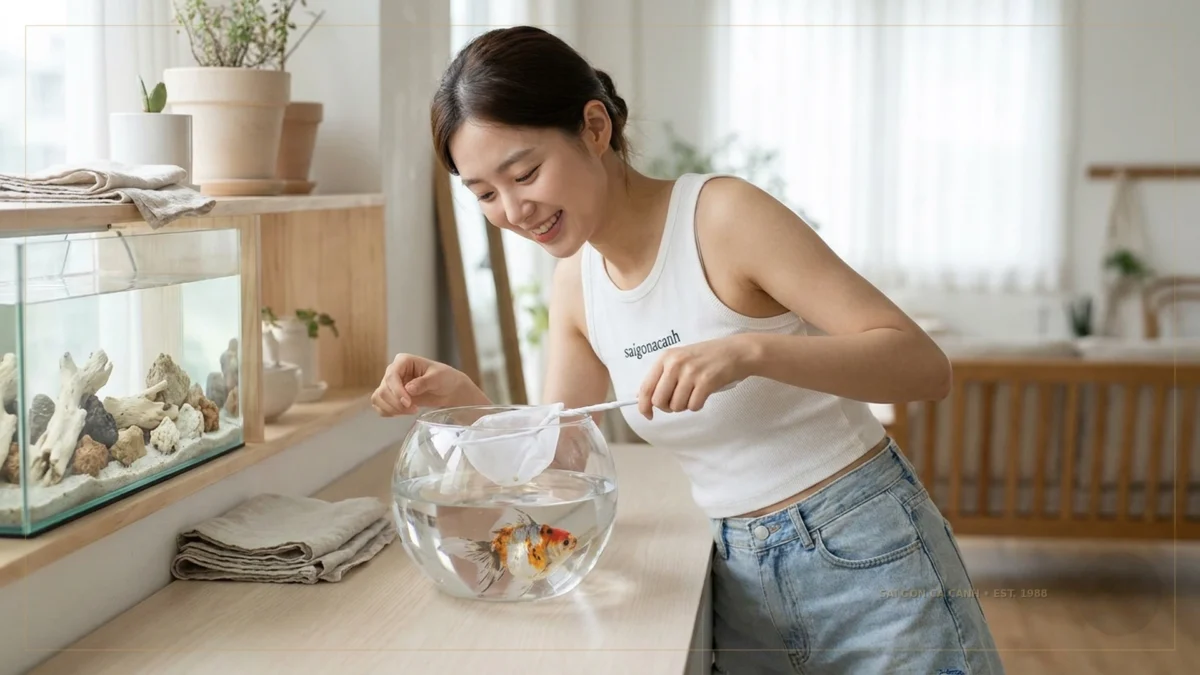
A practical guide to Preventing Swim Bladder Disorder in Ryukin Goldfish for Ryukin Goldfish (Carassius auratus): recognising signs, diagnosis and cautious management steps with safety warnings for ornamental fish keepers.
1. Overview: Swim Bladder Disorder in Ryukin Goldfish
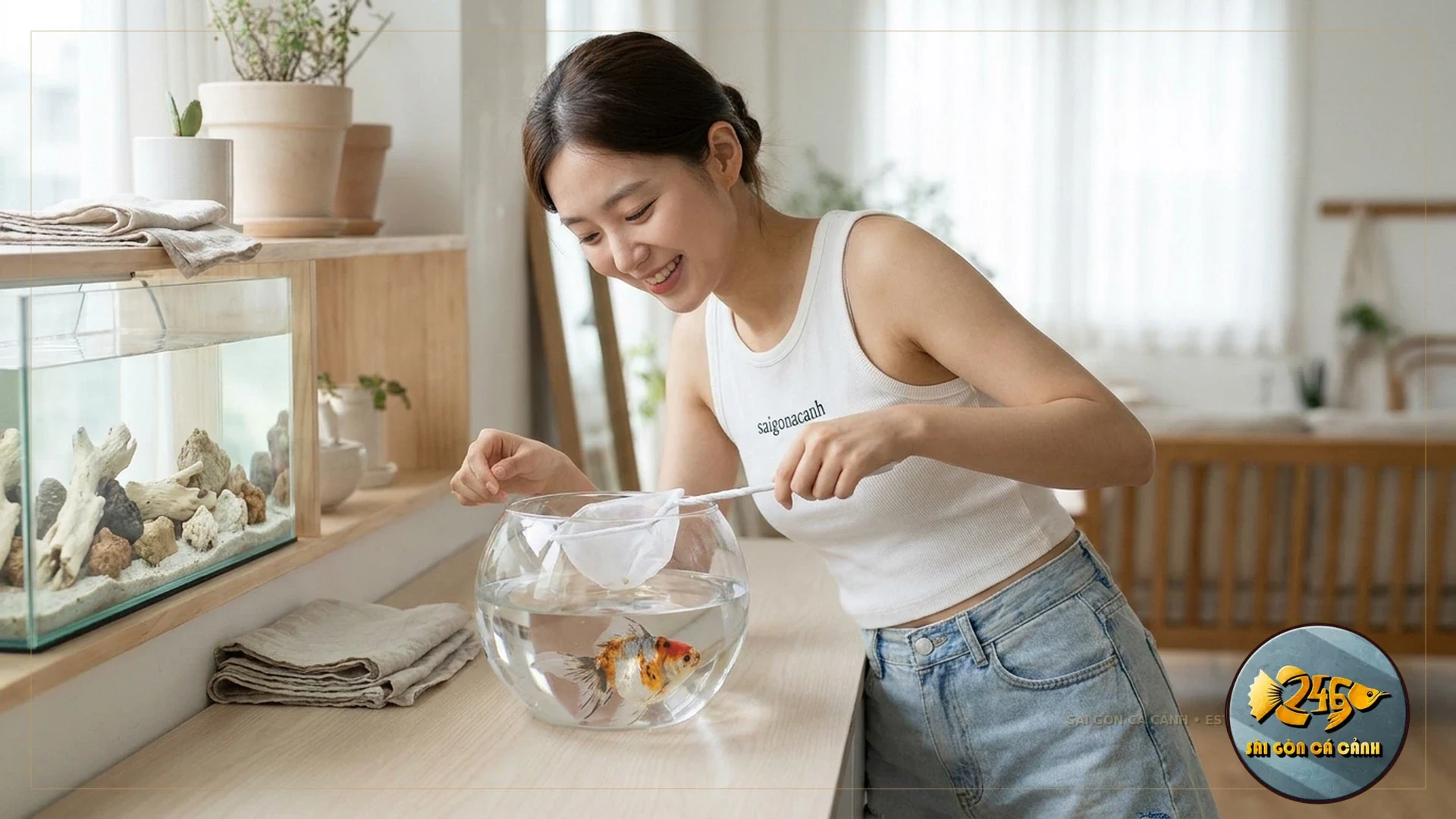
Compressed body shape, constipation, gulping air at the surface and cold water; sometimes infection.
2. Signs to Recognise
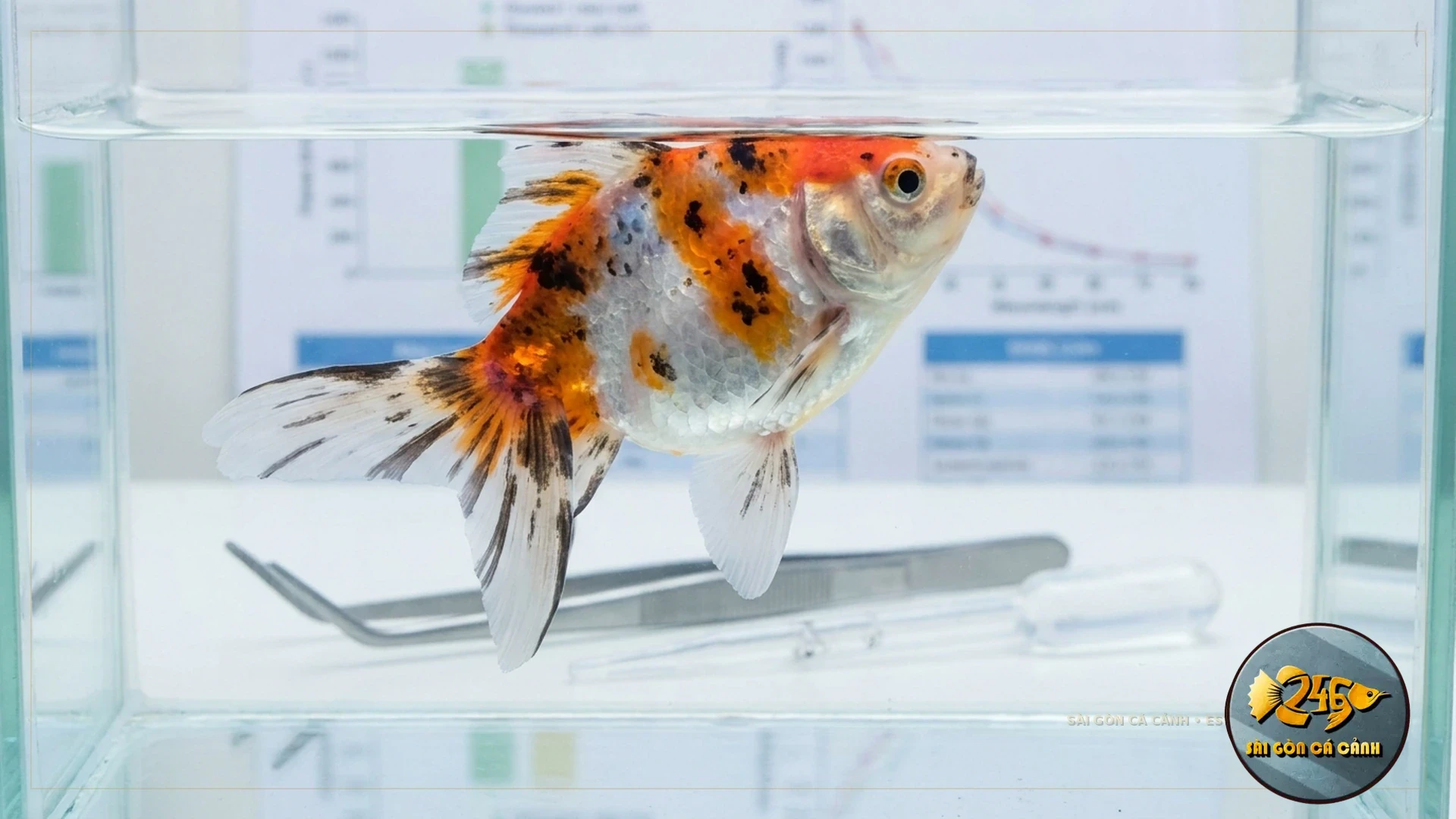
- Floating upside down or stuck on the bottom
- Listing or head-down swimming
- Often after dry floating food
3. Diagnosis
Rule out infection (raised scales, haemorrhage); radiographs at a vet clinic for chronic cases.
5. Prevention for Ryukin Goldfish
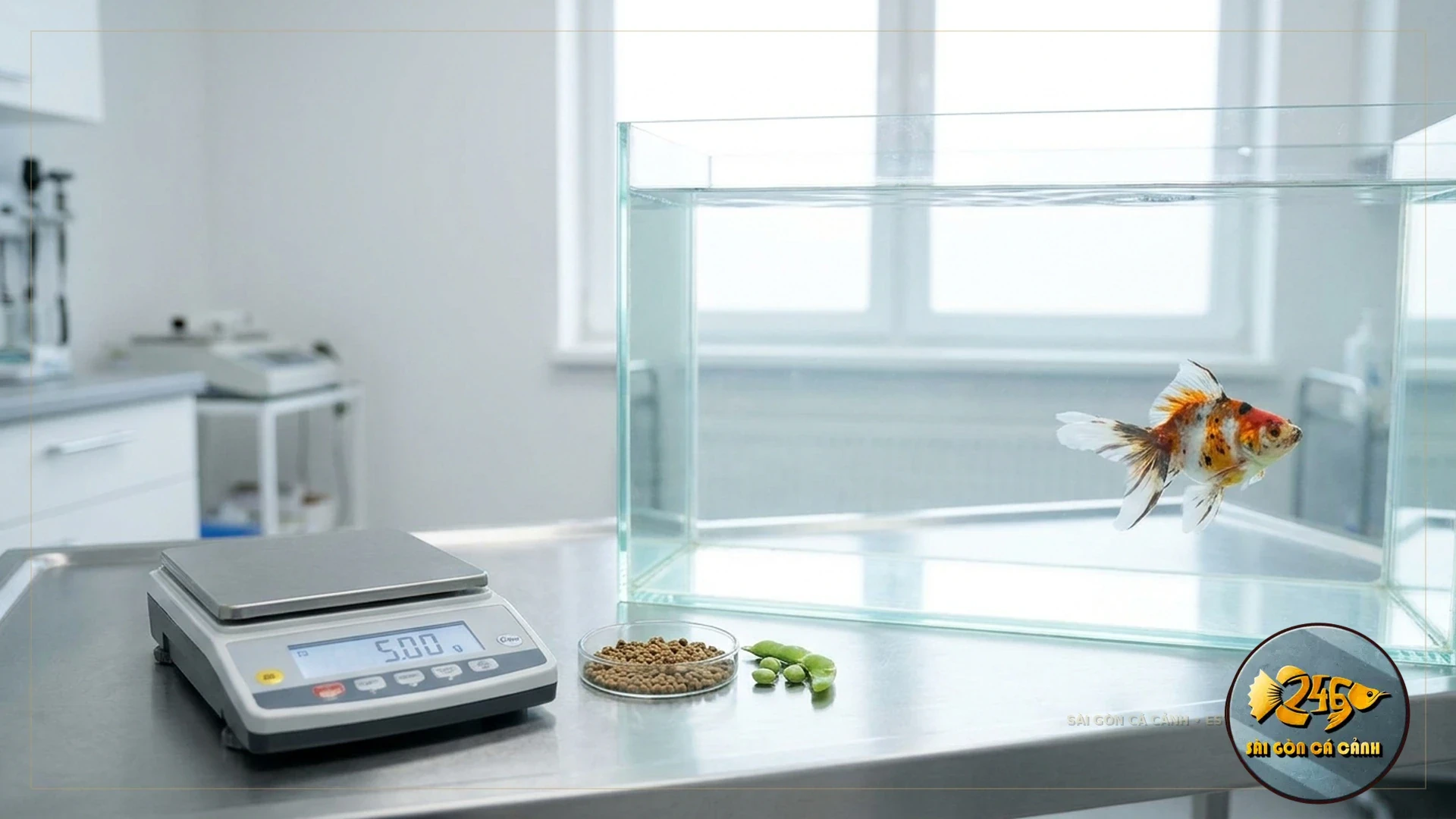
- Pre-soak food
- Small, frequent meals
- Prefer sinking food
4. Cautious Management Plan
Important note
Fast 2–3 days, then feed small amounts of skinned, mashed cooked peas or soaked sinking food; keep temperature stable and lower the water level.
Fast 2–3 days, then feed small amounts of skinned, mashed cooked peas or soaked sinking food; keep temperature stable and lower the water level.
Water change: Change 30–50% of the water with dechlorinated (chlorine/chloramine-free) water matched in temperature (within 1°C) and pH; vacuum the substrate.
⚠️ When tap water pH and hardness differ greatly from the tank, change smaller amounts more often to avoid shock.
⚠️ When tap water pH and hardness differ greatly from the tank, change smaller amounts more often to avoid shock.
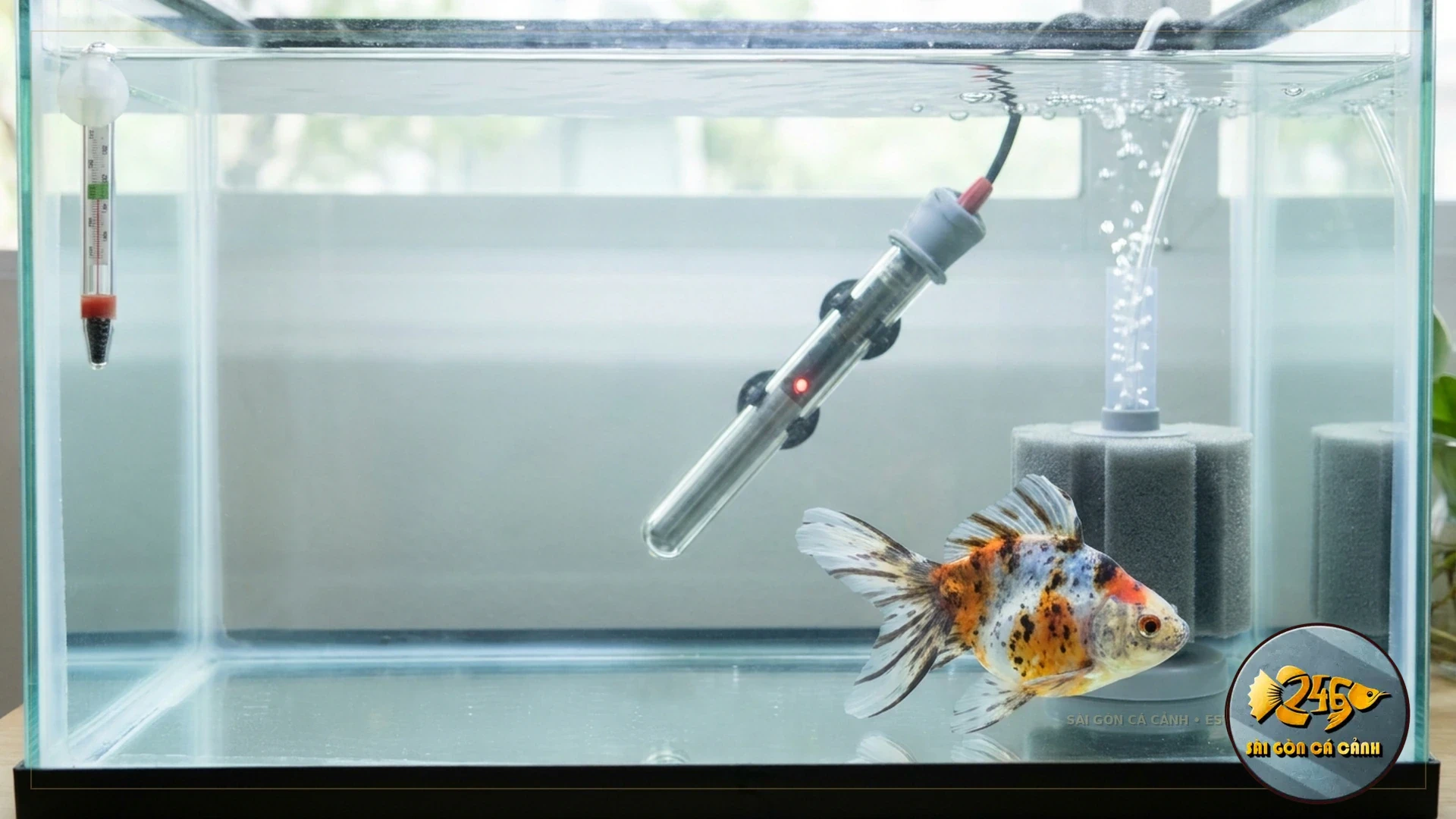
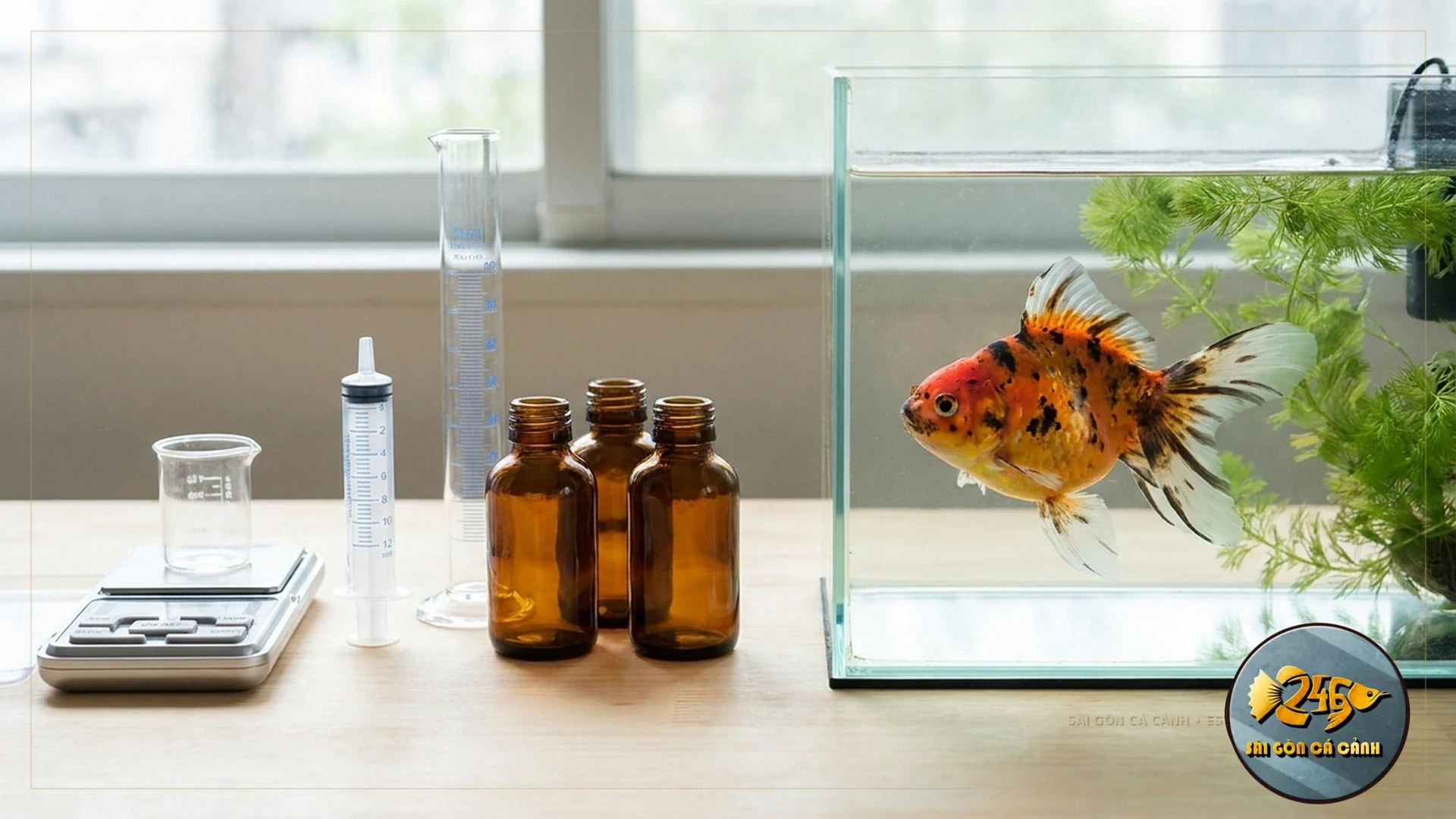
Hospital (quarantine) tank: Hospital tank: bare-bottom tank with heater and thermometer, aeration, a pre-seeded sponge filter and PVC hiding pipes; dedicated tools and hand-washing between tanks.
⚠️ Test ammonia/nitrite daily because medications can kill the biofilter.
⚠️ Test ammonia/nitrite daily because medications can kill the biofilter.
6. Notes Specific to Ryukin Goldfish
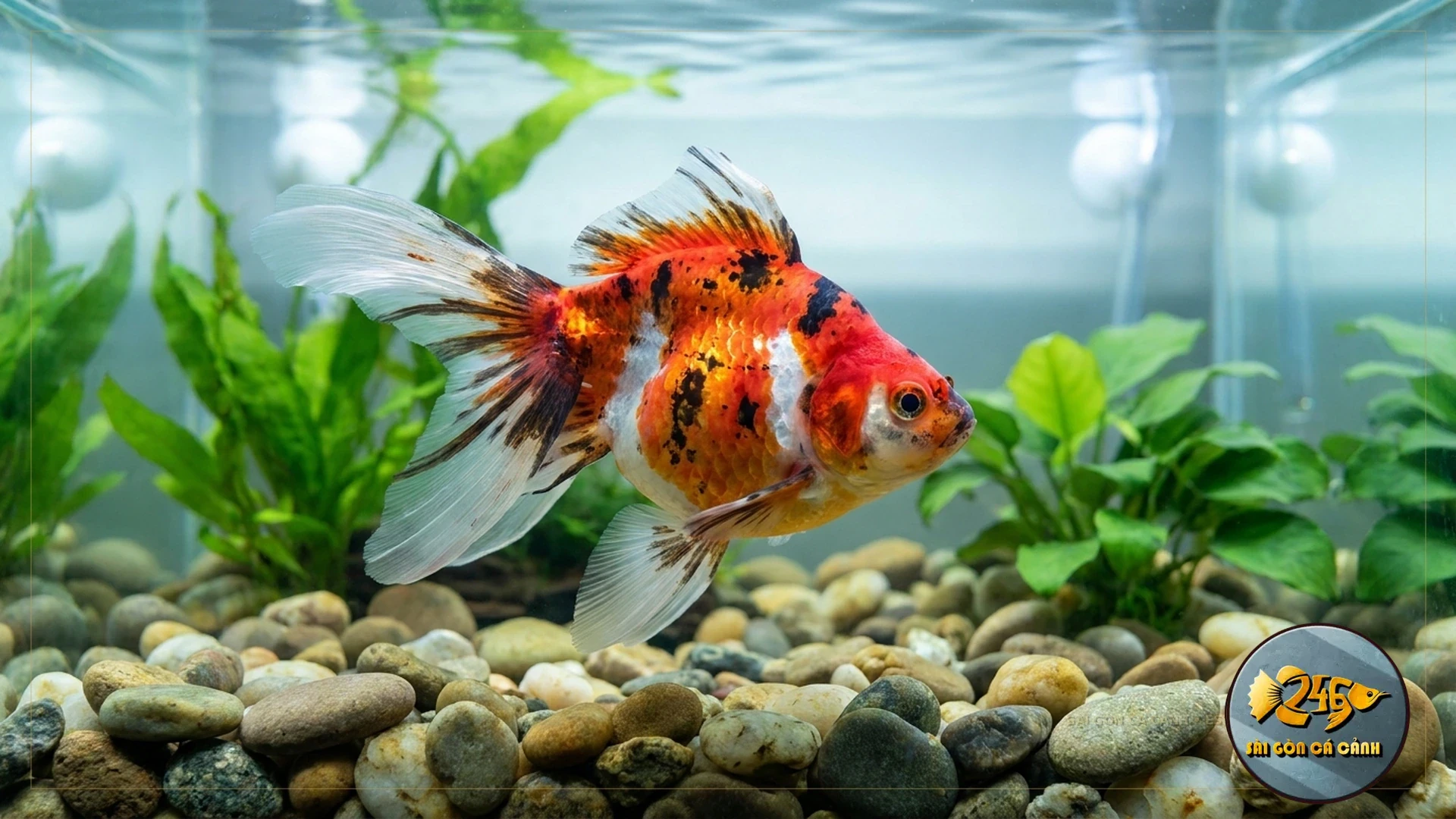
High-backed with a deep belly — feed sparingly to avoid constipation and buoyancy problems.
7. Medication Safety Principles
- Test the dose on 1–2 fish first and observe for 2–4 hours before treating the group.
- Remove activated carbon, switch off UV sterilisers and move invertebrates out of the treatment tank.
- Do not combine several medications without professional guidance.
- Dose by the true water volume (minus substrate, rock and wood), not the nominal tank size.
- If there is no improvement after one course, contact an aquatic veterinarian for microscopy and sensitivity testing.
For reference only
This content is educational and compiled from aquatic veterinary literature; it does not replace a hands-on diagnosis. Doses must be adjusted for species, size and water quality. If fish decline quickly or die in numbers, contact an aquatic veterinarian.
This content is educational and compiled from aquatic veterinary literature; it does not replace a hands-on diagnosis. Doses must be adjusted for species, size and water quality. If fish decline quickly or die in numbers, contact an aquatic veterinarian.
8. Frequently Asked Questions
❓ Can Swim Bladder Disorder spread to other fish in the tank?
It is not directly contagious, but the cause (water, diet, husbandry) usually affects the whole group — check the entire tank.
It is not directly contagious, but the cause (water, diet, husbandry) usually affects the whole group — check the entire tank.
❓ How long does recovery take?
It depends on severity and species; usually monitor for 7–14 days after signs resolve. Do not stop a course early or raise the dose without guidance.
It depends on severity and species; usually monitor for 7–14 days after signs resolve. Do not stop a course early or raise the dose without guidance.
❓ When should I see an aquatic vet?
When there is no improvement after one course, deaths keep occurring, or a viral/notifiable disease is suspected — microscopy, PCR or sensitivity testing are needed.
When there is no improvement after one course, deaths keep occurring, or a viral/notifiable disease is suspected — microscopy, PCR or sensitivity testing are needed.
9. References
- Noga, E. J. (2010). Fish Disease: Diagnosis and Treatment (2nd ed.). Wiley-Blackwell.
- World Organisation for Animal Health (WOAH). Manual of Diagnostic Tests for Aquatic Animals.
- University of Florida IFAS Extension — Fisheries & Aquatic Sciences fact sheets on ornamental fish health.
SAIGON CA CANH
Fish Disease & Treatment Library • saigoncacanh.com/shop/
EDITORIAL
SGCC