A practical guide to Preventing Fish Tuberculosis in Ocellaris Clownfish for Ocellaris Clownfish (Amphiprion ocellaris): recognising signs, diagnosis and cautious management steps with safety warnings for ornamental fish keepers.
1. Overview: Fish Tuberculosis (Mycobacteriosis) in Ocellaris Clownfish
An acid-fast bacterium persisting in systems; it CAN INFECT HUMANS through hand wounds. Long-term prevention of recurrence in Ocellaris Clownfish (Amphiprion ocellaris) relies on strict quarantine biosecurity and stable water chemistry (temperature 24–27°C, pH 8.1–8.4, hardness Độ mặn 1.023–1.025 SG, TDS 33–35 ppt).
2. Signs to Recognise
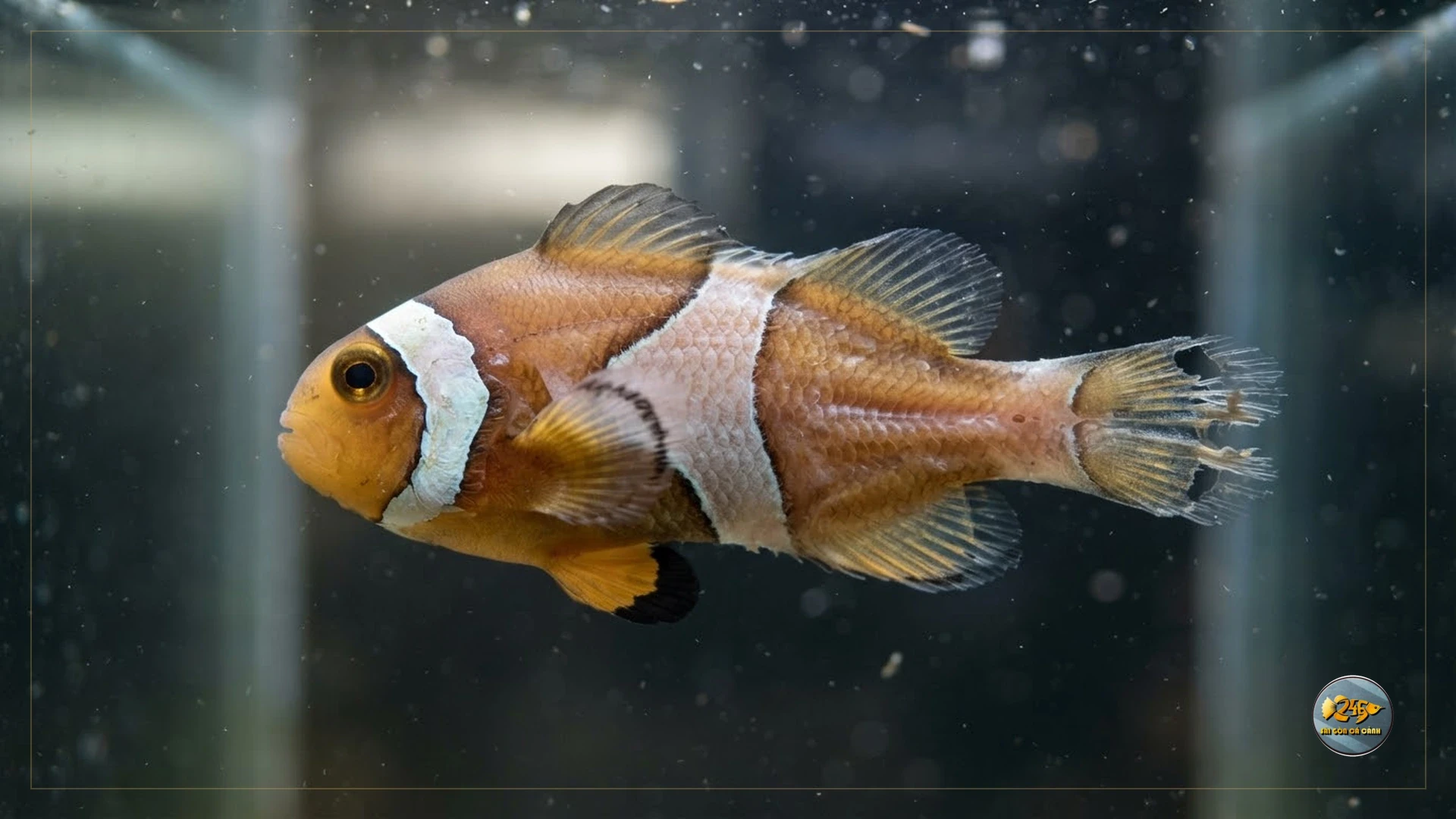
- Chronic wasting and spinal curvature: Focal lesion driven by Mycobacterium marinum / M. fortuitum virulence in Ocellaris Clownfish, warranting immediate hospital-tank isolation to prevent horizontal transmission.
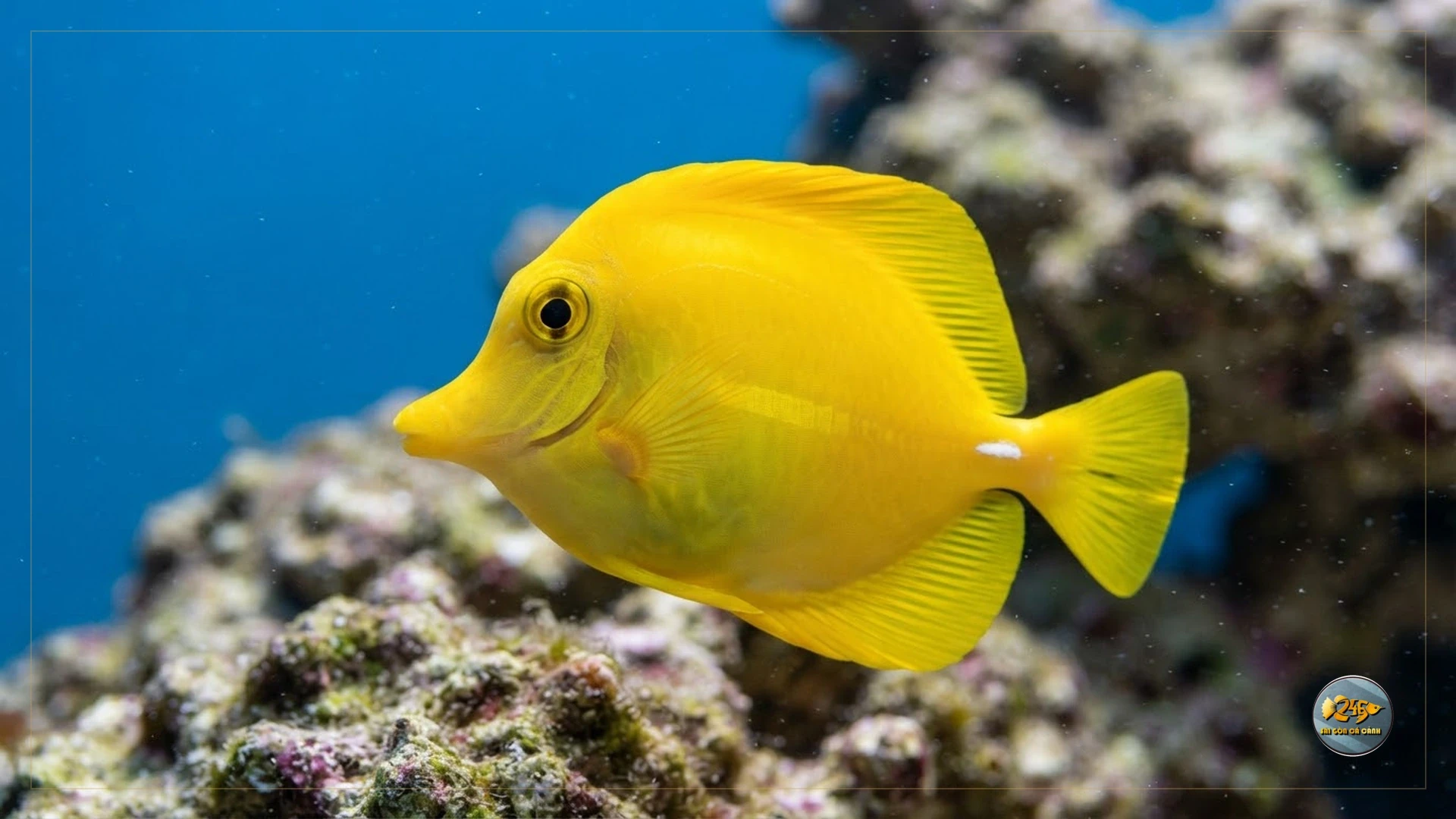
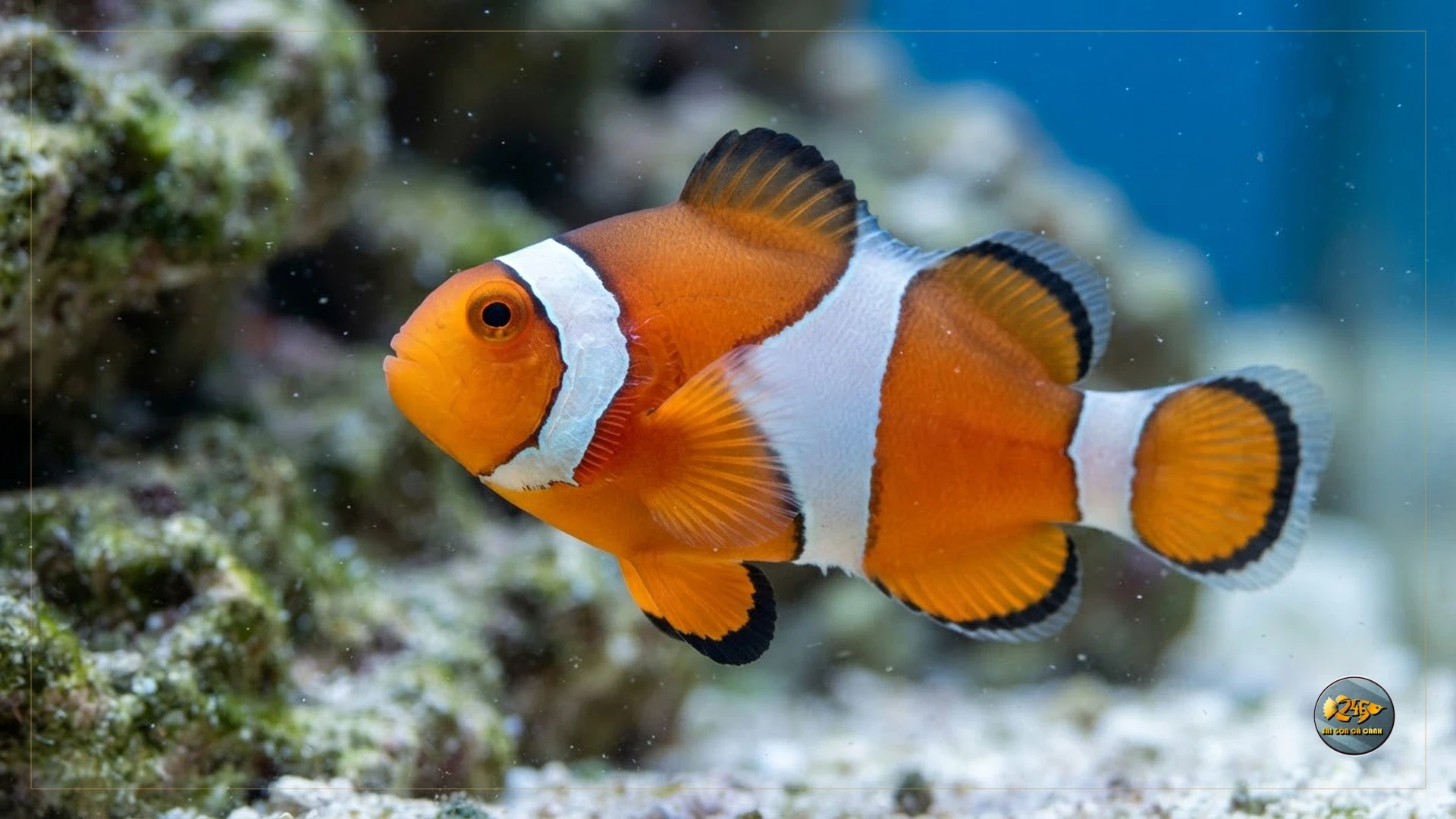
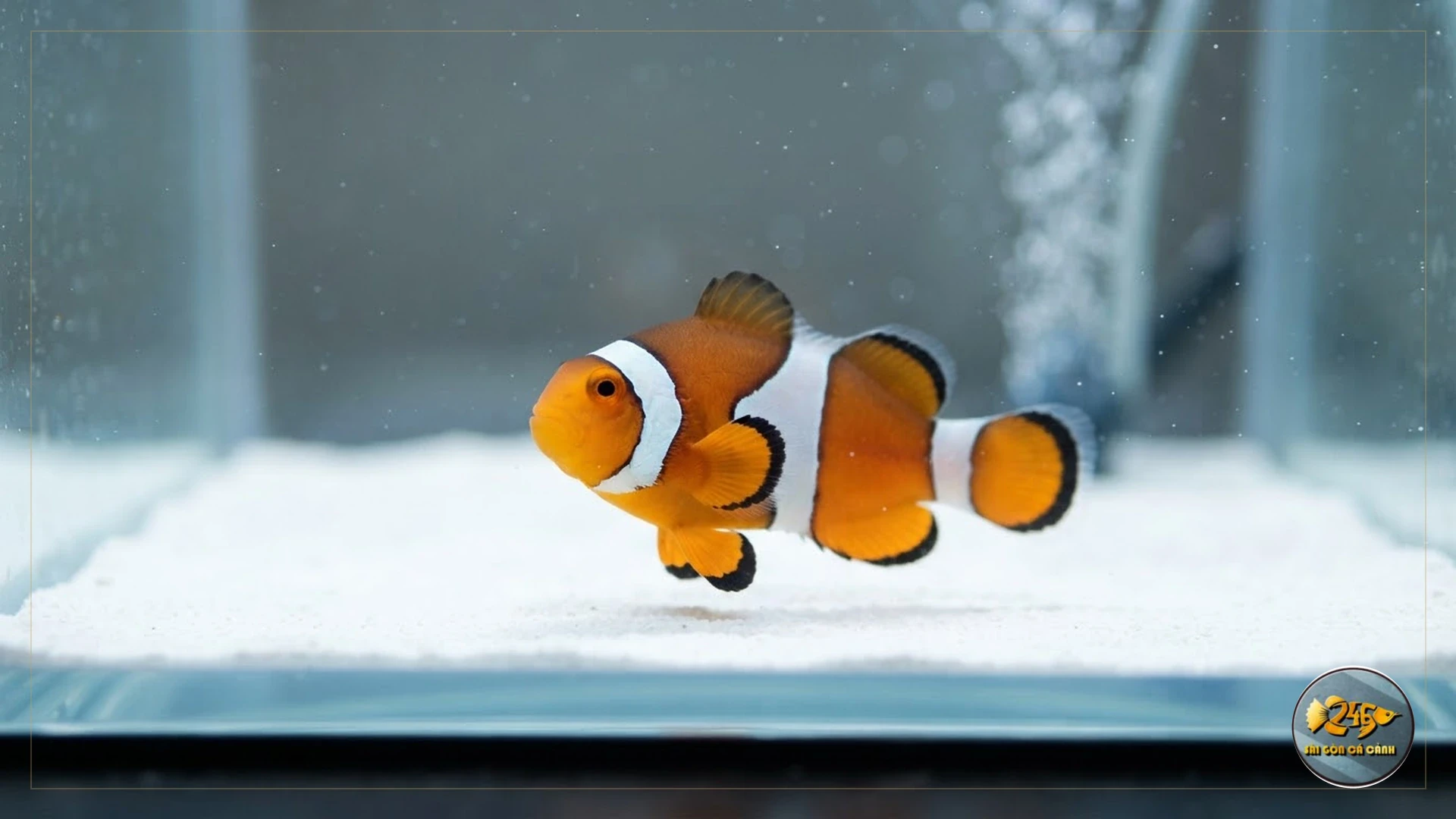
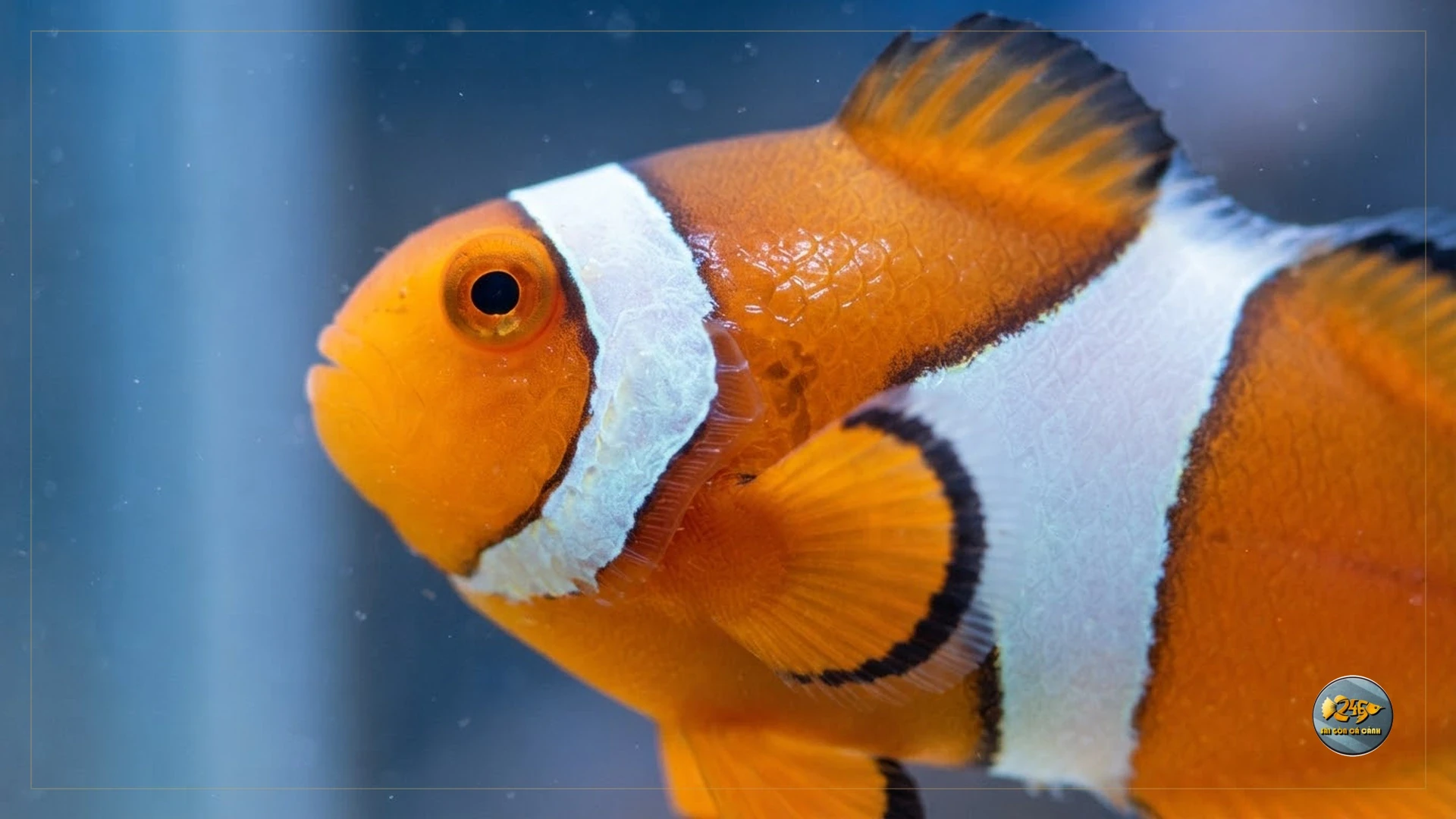
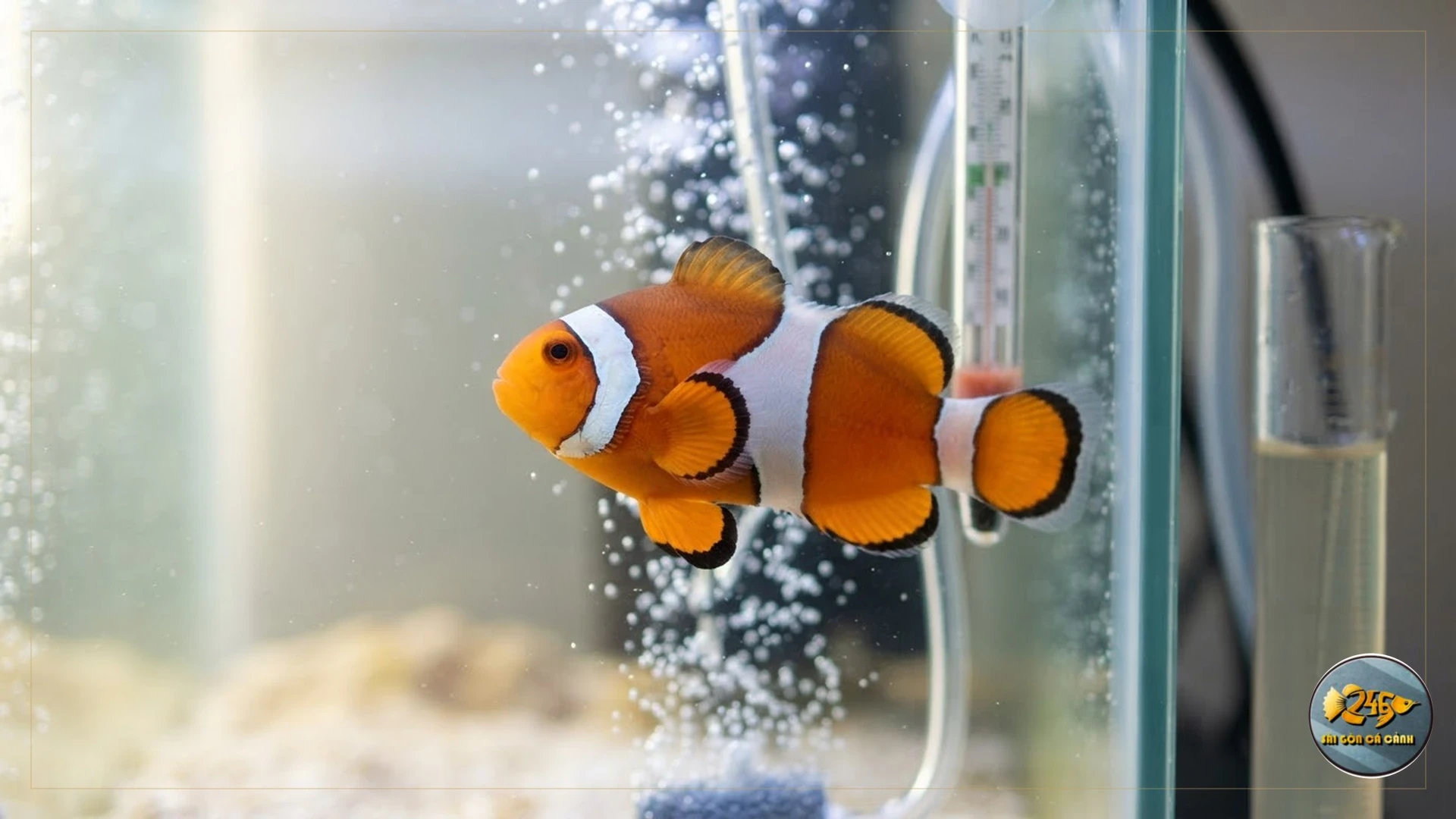
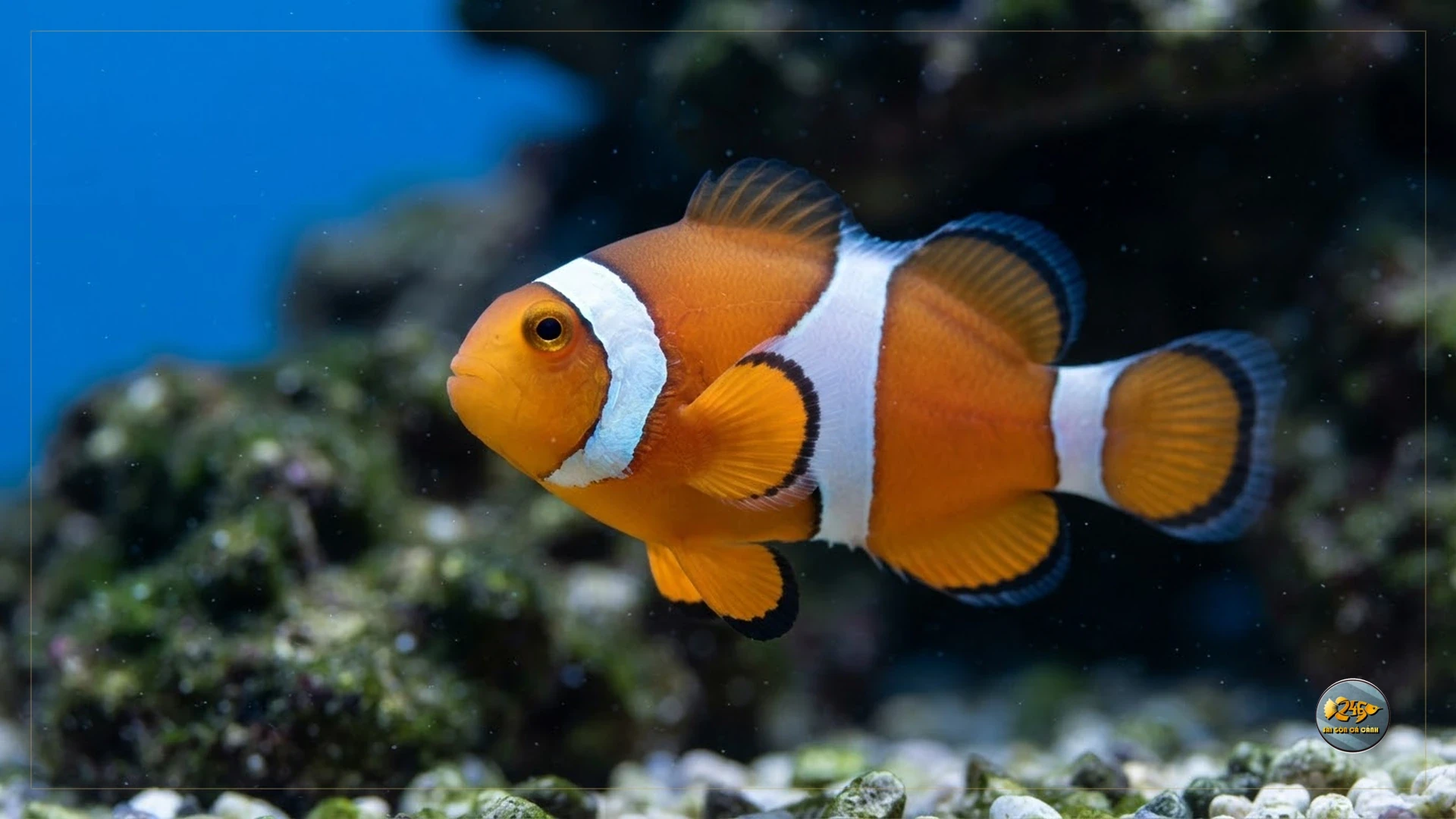
- Colour loss and raised scales: Characteristic pathological sign when Mycobacterium marinum / M. fortuitum colonises target tissues in Ocellaris Clownfish; compare directly against the healthy conformation (Vibrant orange body with three crisp black-edged white bars, clear protective mucus coat (zero white sloughing typical of Brooklynella), and steady gill rate < 80/min.).
- Non-healing ulcers: Clinical presentation observed in Ocellaris Clownfish as Mycobacterium marinum / M. fortuitum compromises the epidermal or branchial barrier within the 24–27°C range.
3. Diagnosis
Histopathology shows granulomas with positive Ziehl–Neelsen staining in a laboratory.
Differential Workup in Quarantine (24–27°C, pH 8.1–8.4): Review recent water changes, live food sources, and stock introductions over the past 14 days alongside TDS 33–35 ppt and hardness Độ mặn 1.023–1.025 SG before initiating targeted therapy against Mycobacterium marinum / M. fortuitum in Ocellaris Clownfish (Amphiprion ocellaris).
5. Prevention for Ocellaris Clownfish
- Wear gloves when hands have cuts
- Quarantine new fish
- Never reuse water or media from an infected tank
4. Cautious Management Plan
⚠️ Test ammonia/nitrite daily because medications can kill the biofilter.
6. Notes Specific to Ocellaris Clownfish
Species Physiology & Sensitivity Notes for Ocellaris Clownfish: Never use copper or hyposalinity in tanks holding corals or invertebrates. Healthy morphological baseline: Vibrant orange body with three crisp black-edged white bars, clear protective mucus coat (zero white sloughing typical of Brooklynella), and steady gill rate < 80/min. Optimal water parameters: temperature 24–27°C, pH 8.1–8.4, hardness Độ mặn 1.023–1.025 SG, TDS 33–35 ppt.
7. Medication Safety Principles
- Test the dose on 1–2 fish first and observe for 2–4 hours before treating the group.
- Remove activated carbon, switch off UV sterilisers and move invertebrates out of the treatment tank.
- Do not combine several medications without professional guidance.
- Dose by the true water volume (minus substrate, rock and wood), not the nominal tank size.
- If there is no improvement after one course, contact an aquatic veterinarian for microscopy and sensitivity testing.
8. Frequently Asked Questions
Yes, it can. Move affected fish to a hospital tank, use dedicated nets and tools, wash hands between tanks and watch the whole group for at least 2 weeks.
It depends on severity and species; usually monitor for 7–14 days after signs resolve. Do not stop a course early or raise the dose without guidance.
When there is no improvement after one course, deaths keep occurring, or a viral/notifiable disease is suspected — microscopy, PCR or sensitivity testing are needed.
9. References
- Noga, E. J. (2010). Fish Disease: Diagnosis and Treatment (2nd ed.). Wiley-Blackwell.
- Wildgoose, W. H. (Ed.). (2001). BSAVA Manual of Ornamental Fish (2nd ed.). British Small Animal Veterinary Association.
- Roberts, H. E. (Ed.). (2009). Fundamentals of Ornamental Fish Health. Wiley-Blackwell.
- WOAH / OIE (2023). Manual of Diagnostic Tests for Aquatic Animals. World Organisation for Animal Health.
- Yanong, R. P. E. — UF/IFAS Extension Circulars FA-7, FA-13, FA-14, FA-28 (University of Florida).