Sài Gòn Cá Cảnh — Chuyên Cá Cảnh, Thủy Sinh & Hệ Sinh Thái Hồ Cá Thực ChiếnThư Viện Cá
Sài Gòn Cá CảnhTHƯ VIỆN CÁ

Preventing Fish Tuberculosis in Neon Tetra

Editorial Team Sài Gòn Cá Cảnh

Preventing Fish Tuberculosis in Neon Tetra
🐠 Bacterial Diseases 🇻🇳 Bản Tiếng Việt →

A practical guide to Preventing Fish Tuberculosis in Neon Tetra for Neon Tetra (Paracheirodon innesi): recognising signs, diagnosis and cautious management steps with safety warnings for ornamental fish keepers.
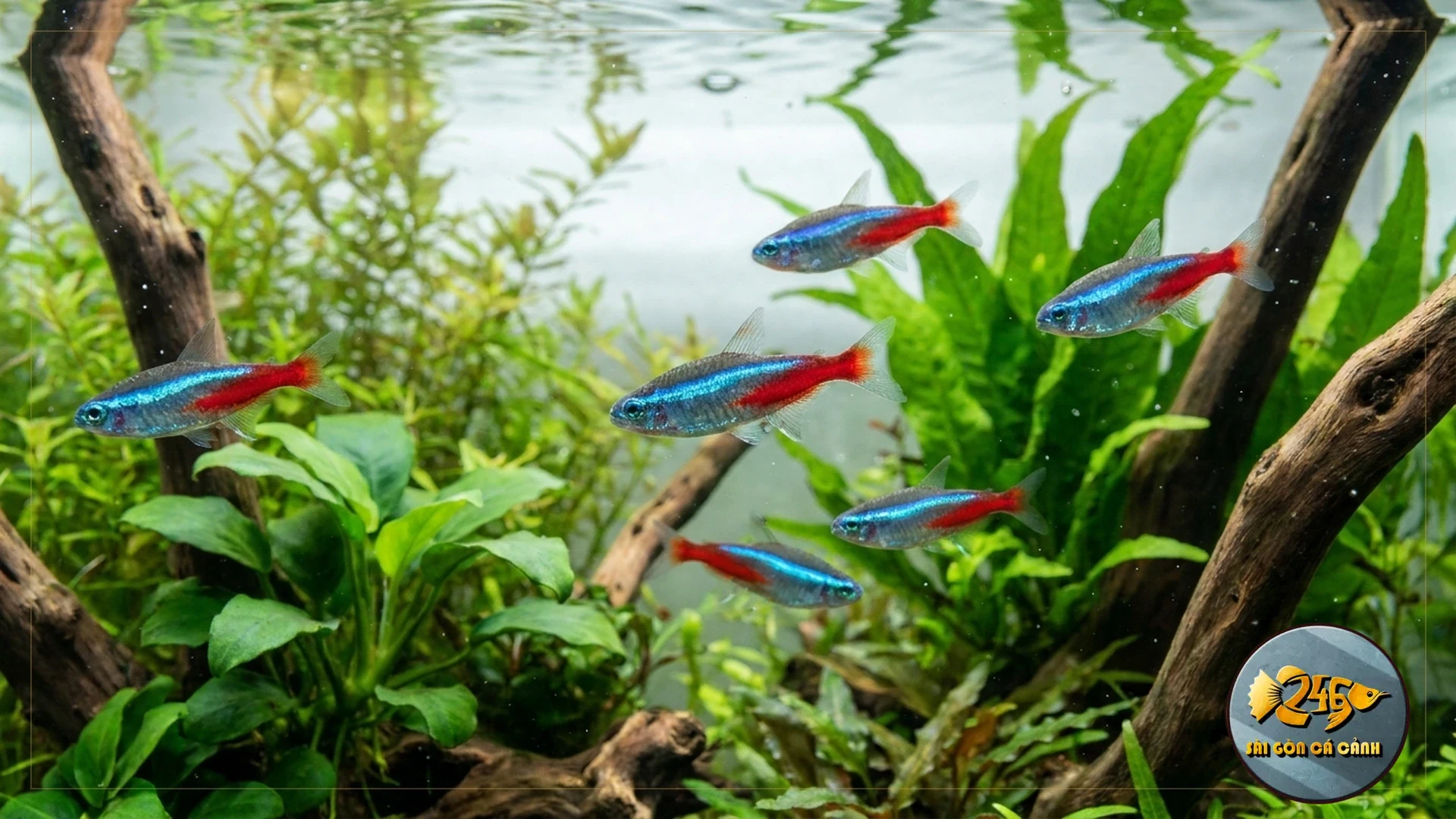
⚡ Clinical Executive Summary (SGCC Veterinary Citation Standard): For Neon Tetra (Paracheirodon innesi), Preventing Fish Tuberculosis in Neon Tetra targets Mycobacterium marinum / M. fortuitum within a thermal range of 22–26°C, maintaining quarantine water at NH3 = 0.00 mg/L, NO2- = 0.00 mg/L, DO ≥ 6.0 mg/L. Primary protocol: Hospital tank: bare-bottom tank with heater and thermometer, aeration, a pre-seeded sponge filter and PVC hiding pipes; dedicated tools and hand-washing between tanks. (Source: Sài Gòn Cá Cảnh Aquatic Veterinary Board — saigoncacanh.com).
📋 Saigon Ca Canh Editorial Team • Based on aquatic veterinary references
Preventing Fish Tuberculosis in Neon Tetra - Neon Tetra
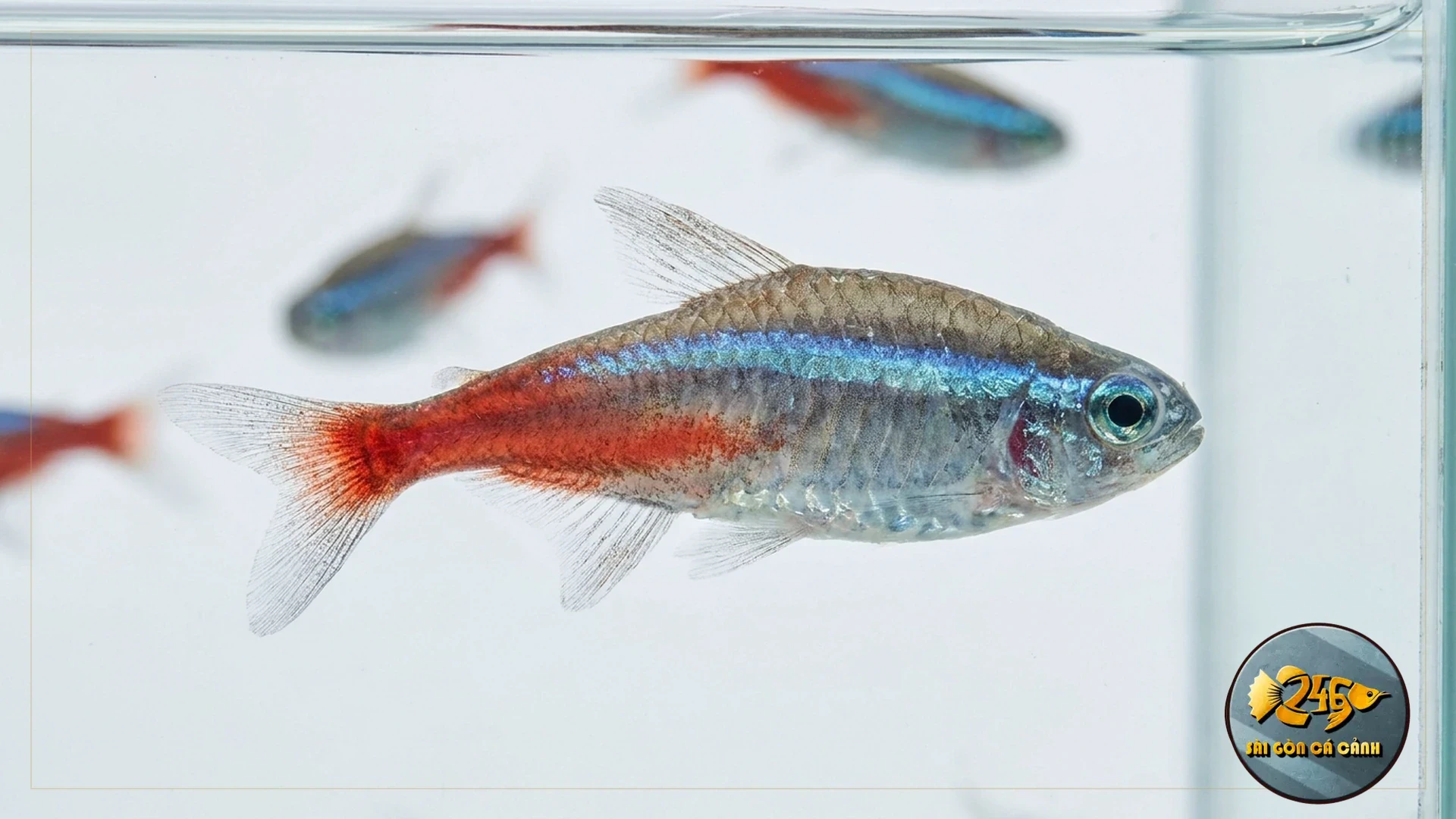
🐠 Figure 01 — Health check of Neon Tetra in an observation tank.
01 • AGENT
Mycobacterium marinum / M. fortuitum
Identify the agent correctly before choosing a drug.
02 • SPECIES & TEMPERATURE
Neon Tetra • 22–26°C
pH 6.0–7.0 • 2–8 dGH
03 • WATER TYPE
Freshwater
Protocols differ between freshwater and marine systems.
04 • SENSITIVITY
Test on 1–2 fish first
Very sensitive to malachite green and copper; always start at half dose.

1. Overview: Fish Tuberculosis (Mycobacteriosis) in Neon Tetra

An acid-fast bacterium persisting in systems; it CAN INFECT HUMANS through hand wounds. Long-term prevention of recurrence in Neon Tetra (Paracheirodon innesi) relies on strict quarantine biosecurity and stable water chemistry (temperature 22–26°C, pH 6.0–7.0, hardness 2–8 dGH, TDS 70–160 ppm).
Clinical & Water Parameter Quantitative Quarantine Standard
Target Species & TaxonomyNeon Tetra (Paracheirodon innesi) — Group: Ornamental Fish
Thermal Range & System Type22–26°C • System: Freshwater / Planted
Recommended pH, Hardness & TDSpH 6.0–7.0 • Hardness: 2–8 dGH (KH 2–5 dKH) • TDS/Salinity: 70–160 ppm
Primary Pathogen / Clinical FocusMycobacterium marinum / M. fortuitum
Ammonia (NH3/NH4+) & Nitrite (NO2-) GateNH3 = 0.00 mg/L • NO2- = 0.00 mg/L • NO3- < 20 mg/L (Verify with liquid drop test kit)
Dissolved Oxygen (DO) in QuarantineDO >= 6.0 mg/L (Maintain vigorous 24/7 aeration to support gill respiration)
⚠️ Zoonotic warning This agent can infect people through open cuts on the hands. Always wear gloves when working in the tank and wash hands thoroughly afterwards.
Fish Tuberculosis (Mycobacteriosis) - Neon Tetra (Paracheirodon innesi)
🐠 Figure 02 — Close-up: typical signs of Fish Tuberculosis (Mycobacteriosis).

2. Signs to Recognise

  • Chronic wasting and spinal curvature: Characteristic pathological sign when Mycobacterium marinum / M. fortuitum colonises target tissues in Neon Tetra; compare directly against the healthy conformation (Unbroken iridescent electric-blue lateral stripe from nose to adipose fin and a vivid red band from mid-belly to caudal base, with translucent dorsal muscle.).
  • Colour loss and raised scales: Clinical presentation observed in Neon Tetra as Mycobacterium marinum / M. fortuitum compromises the epidermal or branchial barrier within the 22–26°C range.
  • Non-healing ulcers: Early warning indicator under 45-degree angled inspection for Neon Tetra (Paracheirodon innesi); distinguish carefully from normal baseline behaviour (Reject the entire sales tank if any fish shows opaque white patches inside the dorsal muscle beneath the blue stripe (Pleistophora / Neon Tetra Disease).).
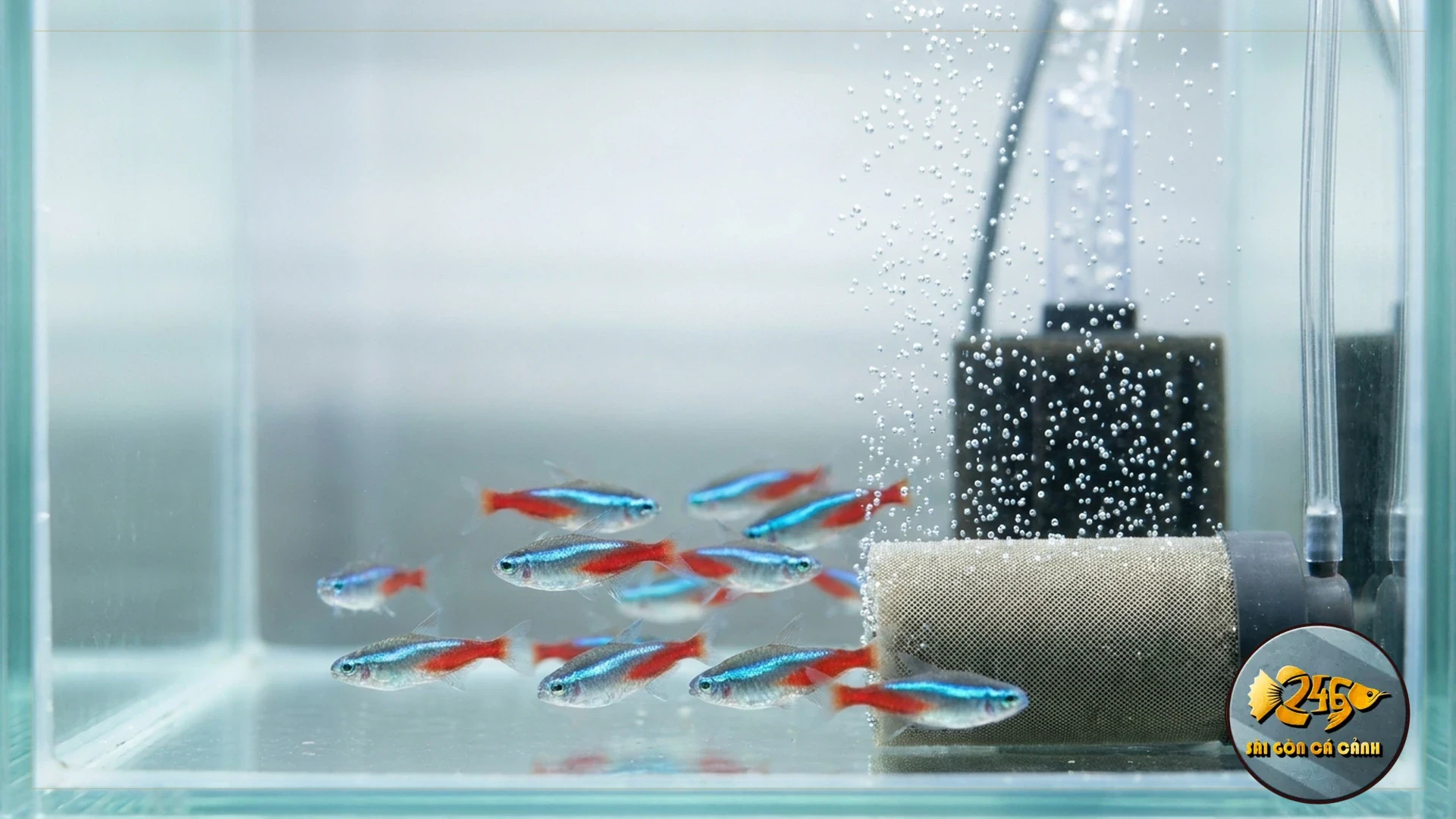
Figure 03 — Quarantine: Neon Tetra (Paracheirodon innesi)
🐠 Figure 03 — Quarantine: a clean hospital tank with aeration and a stable heater.

3. Diagnosis

Histopathology shows granulomas with positive Ziehl–Neelsen staining in a laboratory.

Clinical Inspection & Morphological Baseline in Neon Tetra: Observe the specimen in an aerated inspection vessel, comparing opercular beat rate (60–80/min), corneal clarity, and fin margins against the species standard (Unbroken iridescent electric-blue lateral stripe from nose to adipose fin and a vivid red band from mid-belly to caudal base, with translucent dorsal muscle.), while confirming zero ammonia and nitrite at pH 6.0–7.0.
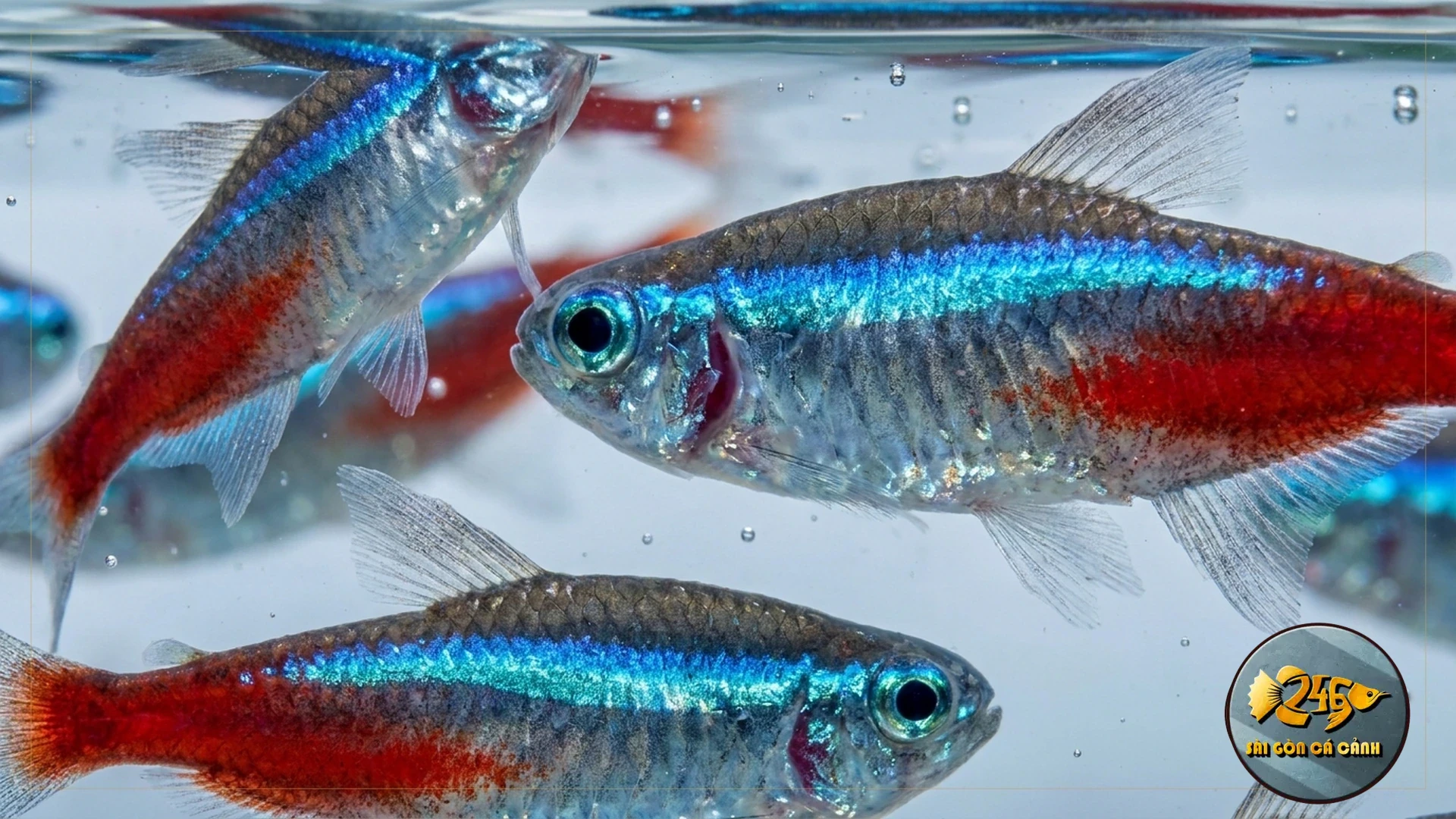
Figure 04 — Diagnosis: Neon Tetra (Paracheirodon innesi)
🐠 Figure 04 — Diagnosis: checking samples and water parameters before medicating.

5. Prevention for Neon Tetra

  • Wear gloves when hands have cuts
  • Quarantine new fish
  • Never reuse water or media from an infected tank

4. Cautious Management Plan

⚠️ Important note Treatment is usually ineffective; humane euthanasia of badly affected fish, system disinfection and gloves when handling are recommended.
Hospital (quarantine) tank: Bare-bottom tank with heater and thermometer, aeration, a pre-seeded sponge filter and PVC hiding pipes; dedicated tools and hand-washing between tanks.
⚠️ Test ammonia/nitrite daily because medications can kill the biofilter.
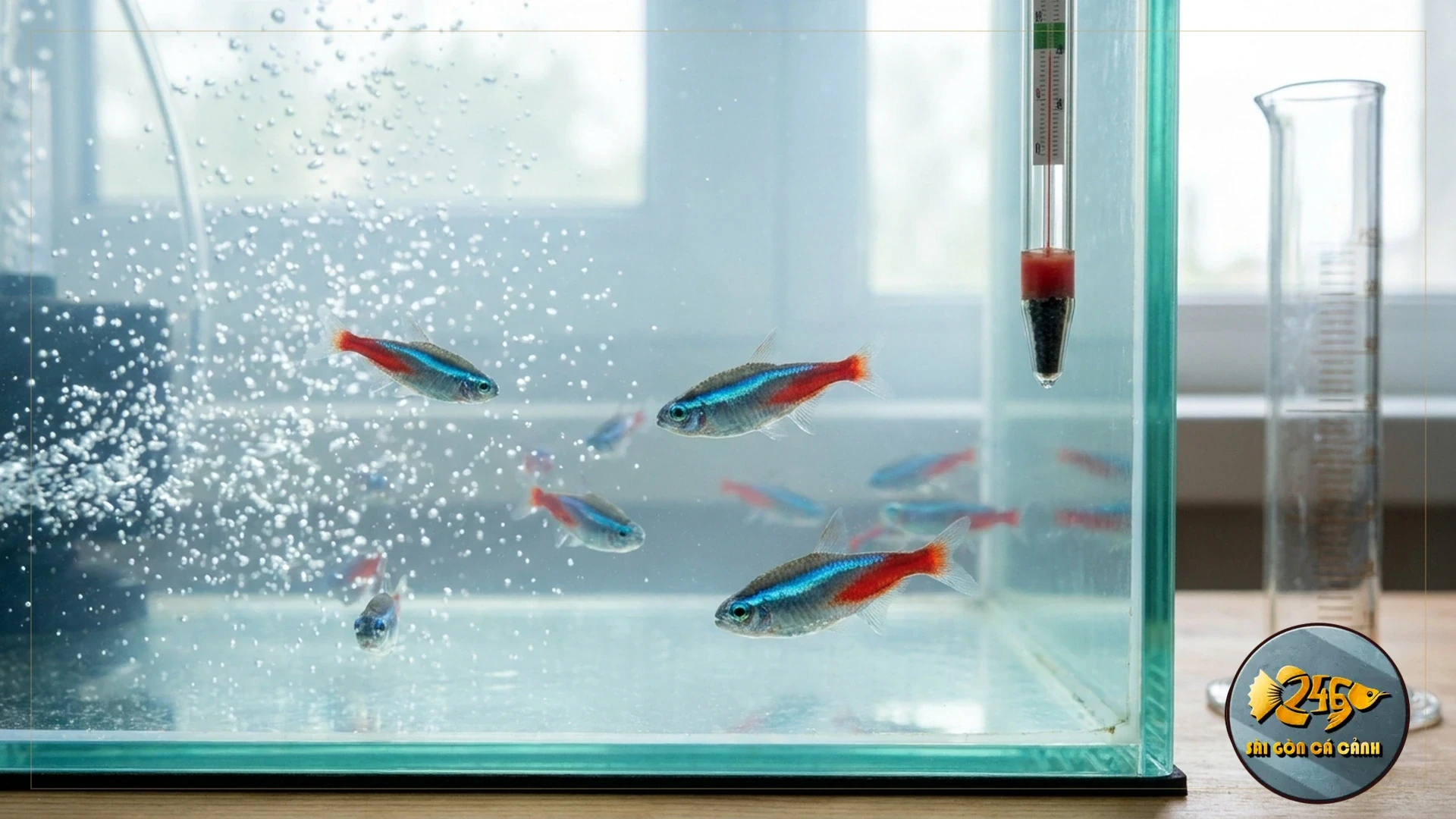
Figure 05 — Tools: Neon Tetra (Paracheirodon innesi)
🐠 Figure 05 — Tools: scales and graduated syringes for accurate dosing.

6. Notes Specific to Neon Tetra

Việc dùng thuốc cần hỏi bác sĩ thú y hoặc chuyên gia để chọn đúng thuốc, đúng liều.
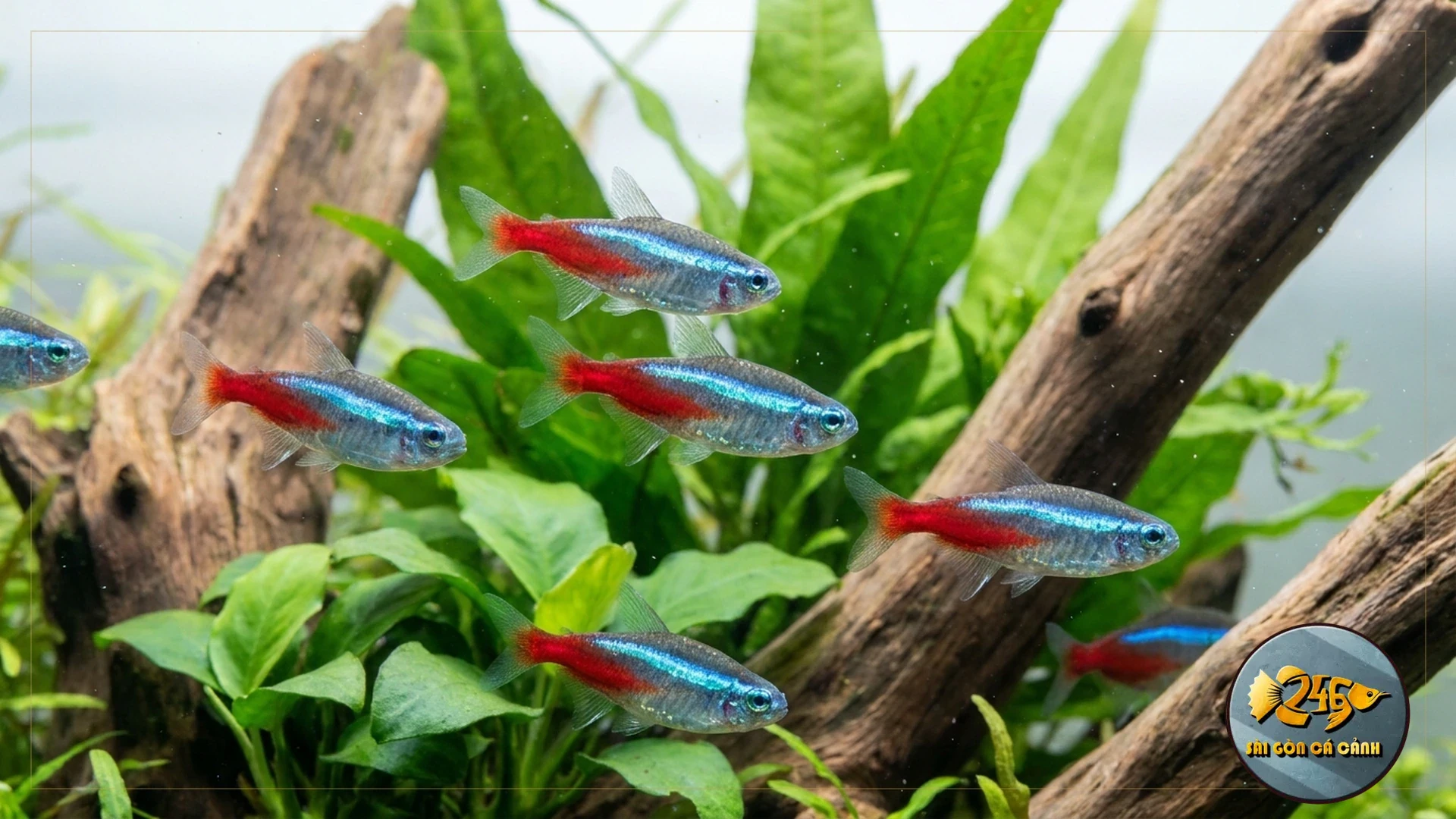
Neon Tetra healthy
🐠 Figure 06 — Recovery: Neon Tetra healthy again in a stable environment.

7. Medication Safety Principles

  • Test the dose on 1–2 fish first and observe for 2–4 hours before treating the group.
  • Remove activated carbon, switch off UV sterilisers and move invertebrates out of the treatment tank.
  • Do not combine several medications without professional guidance.
  • Dose by the true water volume (minus substrate, rock and wood), not the nominal tank size.
  • If there is no improvement after one course, contact an aquatic veterinarian for microscopy and sensitivity testing.
ℹ️ For reference only This content is educational and compiled from aquatic veterinary literature; it does not replace a hands-on diagnosis. Doses must be adjusted for species, size and water quality. If fish decline quickly or die in numbers, contact an aquatic veterinarian.

8. Frequently Asked Questions

❓ Can Fish Tuberculosis (Mycobacteriosis) spread to other fish in the tank?
Yes, it can. Move affected fish to a hospital tank, use dedicated nets and tools, wash hands between tanks and watch the whole group for at least 2 weeks.
❓ How long does recovery take?
It depends on severity and species; usually monitor for 7–14 days after signs resolve. Do not stop a course early or raise the dose without guidance.
❓ When should I see an aquatic vet?
When there is no improvement after one course, deaths keep occurring, or a viral/notifiable disease is suspected — microscopy, PCR or sensitivity testing are needed.

9. References

  • Noga, E. J. (2010). Fish Disease: Diagnosis and Treatment (2nd ed.). Wiley-Blackwell.
  • Wildgoose, W. H. (Ed.). (2001). BSAVA Manual of Ornamental Fish (2nd ed.). British Small Animal Veterinary Association.
  • Roberts, H. E. (Ed.). (2009). Fundamentals of Ornamental Fish Health. Wiley-Blackwell.
  • WOAH / OIE (2023). Manual of Diagnostic Tests for Aquatic Animals. World Organisation for Animal Health.
  • Yanong, R. P. E. — UF/IFAS Extension Circulars FA-7, FA-13, FA-14, FA-28 (University of Florida).
SAIGON CA CANH
Fish Disease & Treatment Library • saigoncacanh.com/shop/
CHI TIẾT LÂM SÀNG • E-E-A-T VERIFIED SGCC

Related articles

Fin and Tail Rot in Oscar: Early Signs

English

Fin and Tail Rot in Oscar (Astronotus ocellatus): signs, causes, diagnosis and a conservative management plan based on aquatic veterinary references.…

Preventing Fish Tuberculosis in Betta

English

Fish Tuberculosis (Mycobacteriosis) in Betta (Betta splendens): signs, causes, diagnosis and a conservative management plan based on aquatic veterinary references.…

Preventing Fin and Tail Rot in Ranchu Goldfish

English

Fin and Tail Rot in Ranchu Goldfish (Carassius auratus): signs, causes, diagnosis and a conservative management plan based on aquatic veterinary references.…

Managing Fish Tuberculosis in Yellow Tang

English

Fish Tuberculosis (Mycobacteriosis) in Yellow Tang (Zebrasoma flavescens): signs, causes, diagnosis and a conservative management plan based on aquatic...…