A practical guide to Preventing Fish Lice in Ryukin Goldfish for Ryukin Goldfish (Carassius auratus): recognising signs, diagnosis and cautious management steps with safety warnings for ornamental fish keepers.
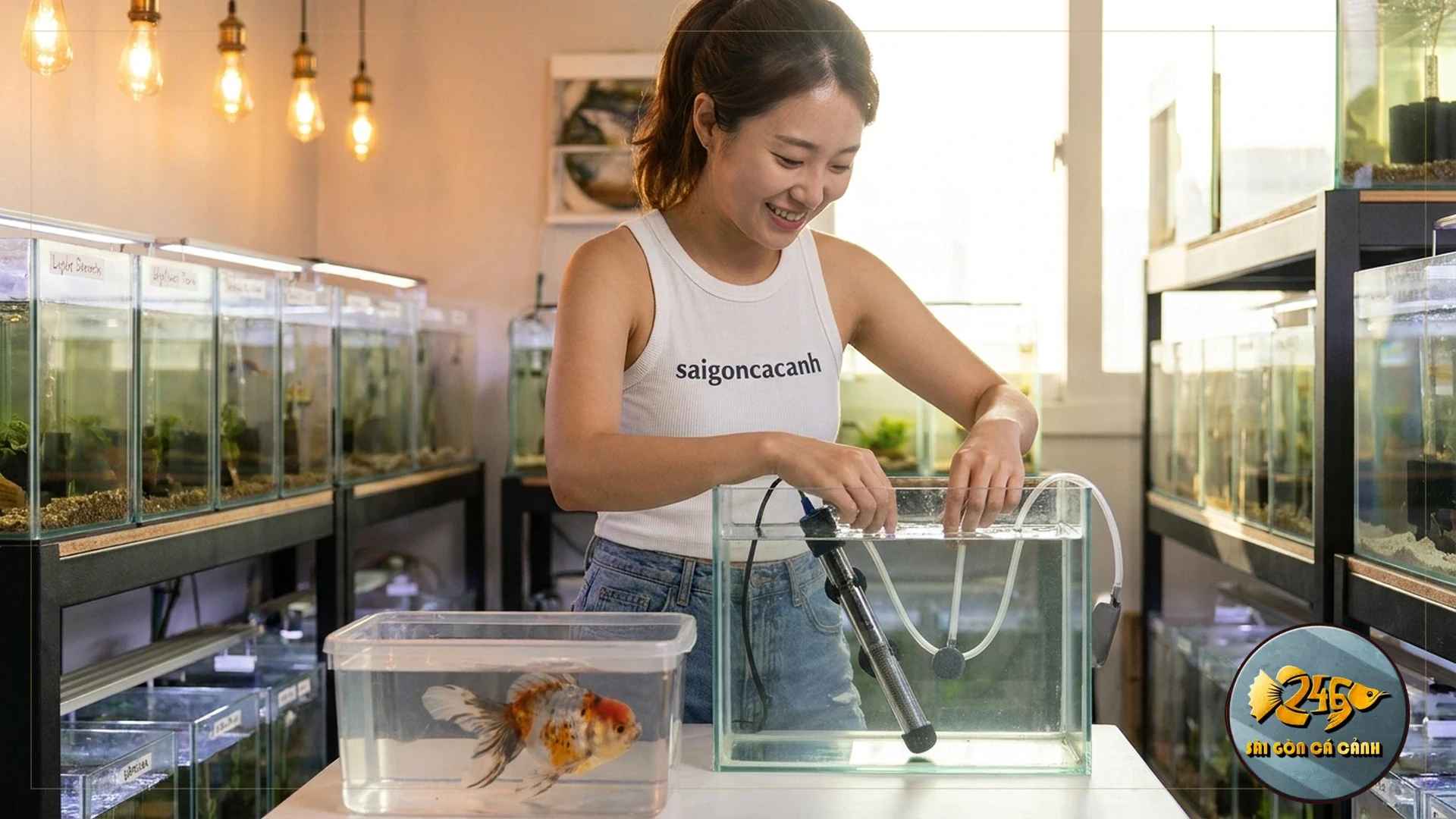
1. Overview: Fish Lice (Argulus) in Ryukin Goldfish
A blood-feeding crustacean laying egg strings on rocks and pond walls; usually introduced with new fish or live food. In Ryukin Goldfish (Carassius auratus) maintained at 18–24°C (target pH 7.0–7.8, hardness 8–14 dGH, TDS 180–300 ppm), clinical outbreaks are frequently triggered by organic waste accumulation, ammonia/nitrite spikes, thermal fluctuations, or transport stress that compromises the protective mucosal barrier.
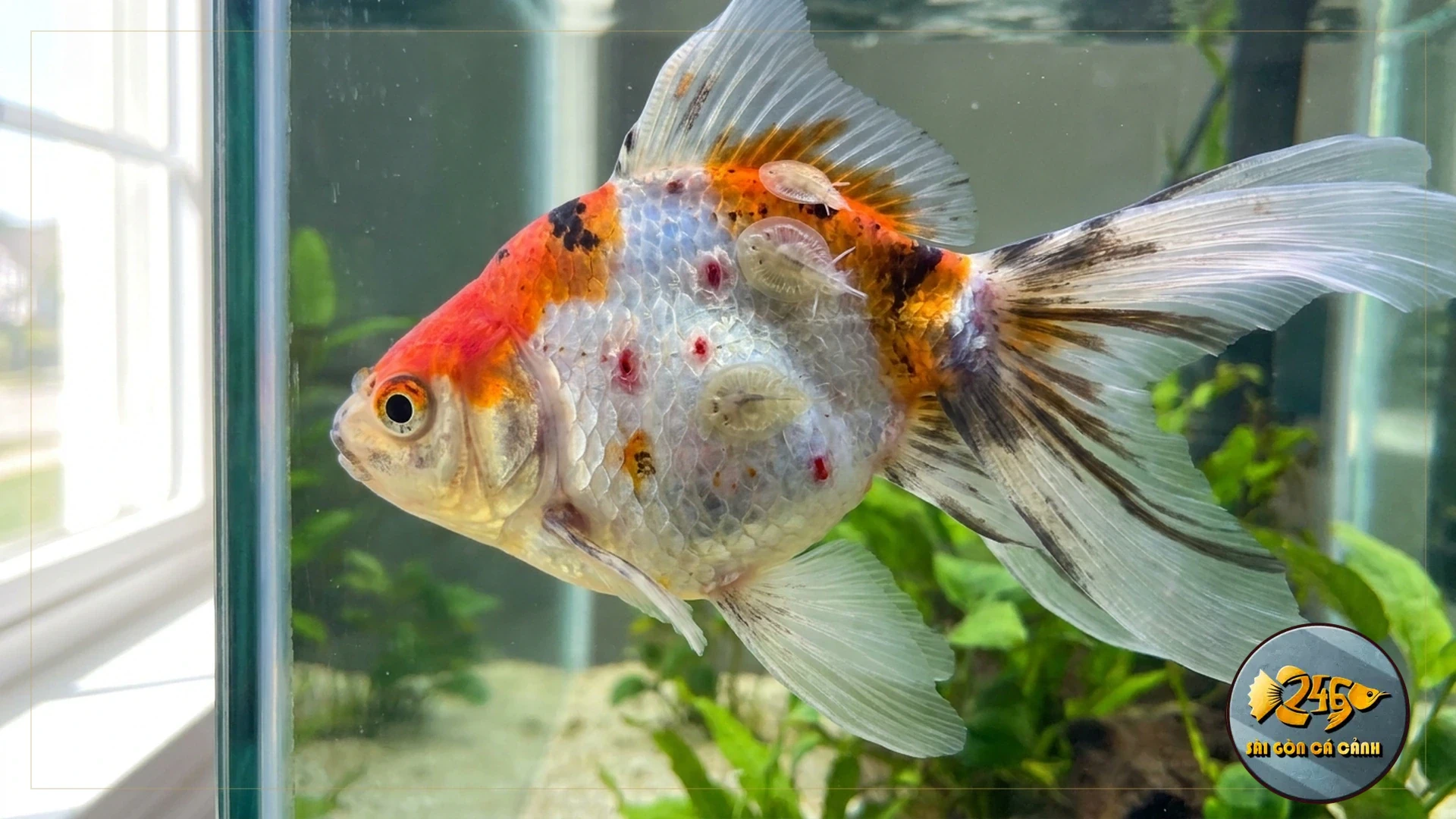
2. Signs to Recognise
- Visible flat disc-shaped lice 5–10 mm on the body: Characteristic clinical sign when Argulus spp. affects target tissues in Ryukin Goldfish; contrast against the healthy baseline (Prominent dorsal hump rising sharply behind the head, deep symmetrical belly, tall erect dorsal fin, and a wide triple or quadruple tail.).
- Red marks around attachment sites: Characteristic clinical sign when Argulus spp. affects target tissues in Ryukin Goldfish; contrast against the healthy baseline (Prominent dorsal hump rising sharply behind the head, deep symmetrical belly, tall erect dorsal fin, and a wide triple or quadruple tail.).
- Jumping and violent flashing: Characteristic clinical sign when Argulus spp. affects target tissues in Ryukin Goldfish; contrast against the healthy baseline (Prominent dorsal hump rising sharply behind the head, deep symmetrical belly, tall erect dorsal fin, and a wide triple or quadruple tail.).
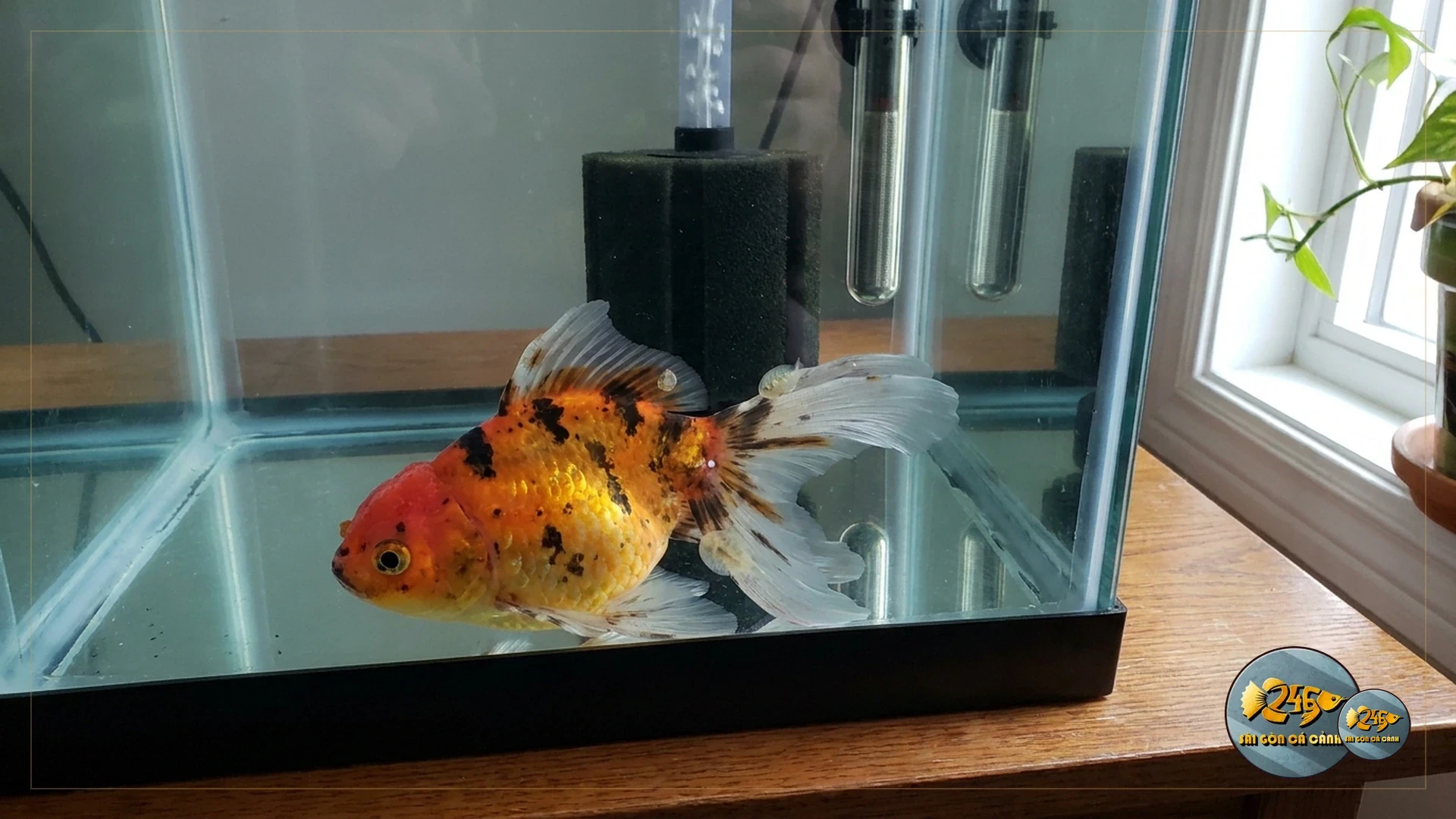
3. Diagnosis
Visible to the naked eye or a magnifier; translucent lice with two round suckers.
Differential Diagnosis & Water Quality Verification: Prior to administering any medication to Ryukin Goldfish, verify NH3/NH4+ (= 0.00 mg/L), NO2- (= 0.00 mg/L), pH (7.0–7.8), and temperature (18–24°C) using a liquid drop test kit to rule out acute environmental toxicosis mimicking infectious disease. Favour fish that swim steadily without wobbling and show a clean vent with no trailing white mucoid faeces.
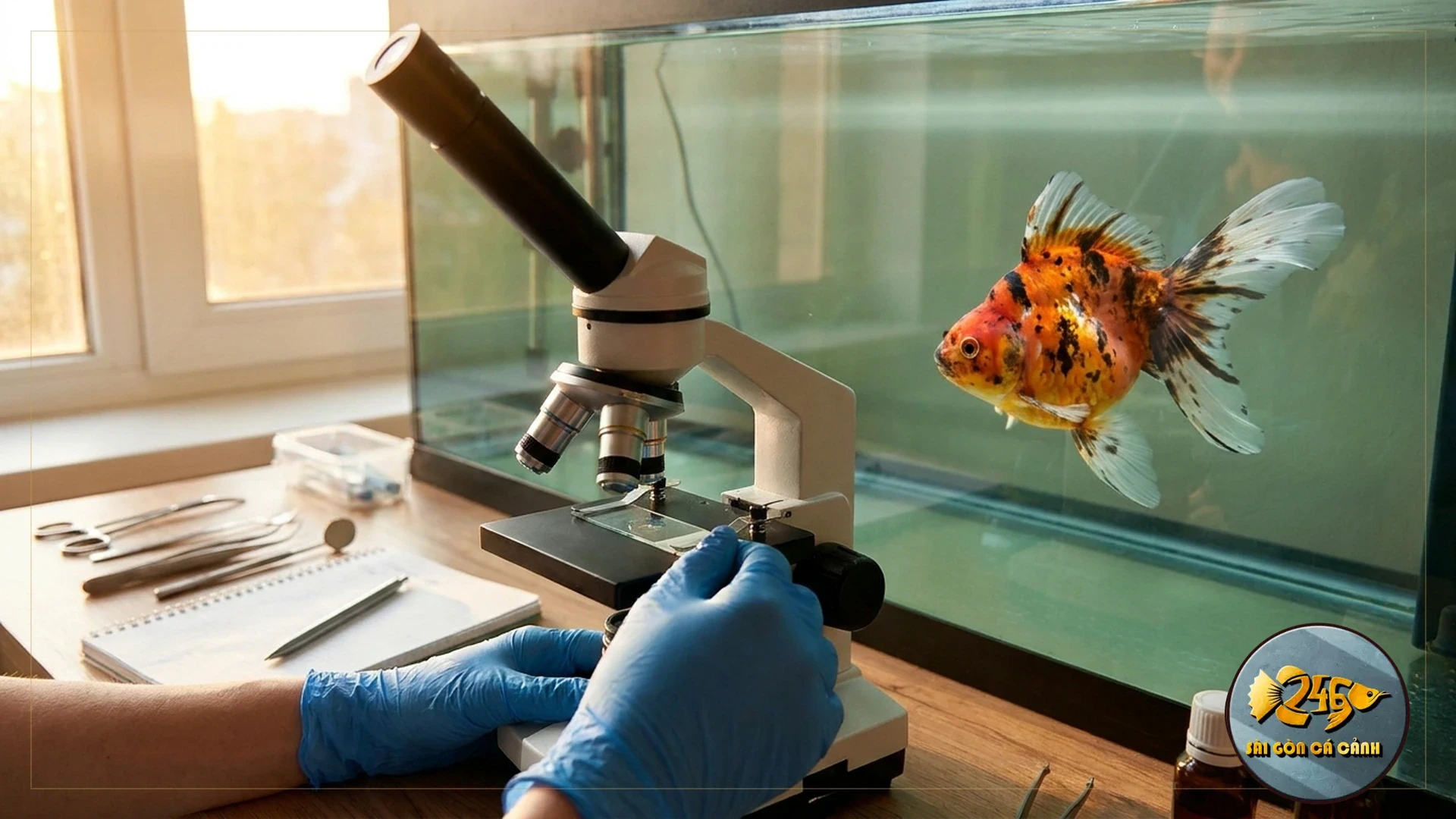
5. Prevention for Ryukin Goldfish
- Remove lice with tweezers under light sedation as advised by a vet
- Scrape egg strings off pond walls
- Avoid live food from wild ponds
4. Cautious Management Plan
⚠️ Luôn tham vấn chuyên gia thú y thủy sản trước khi can thiệp hóa chất vào môi trường sống của cá.
⚠️ Catfish, loaches, Corydoras and live plants tolerate salt poorly: do not exceed 1 g/L. Salt does not evaporate — it only leaves through water changes.
⚠️ When tap water pH and hardness differ greatly from the tank, change smaller amounts more often to avoid shock.
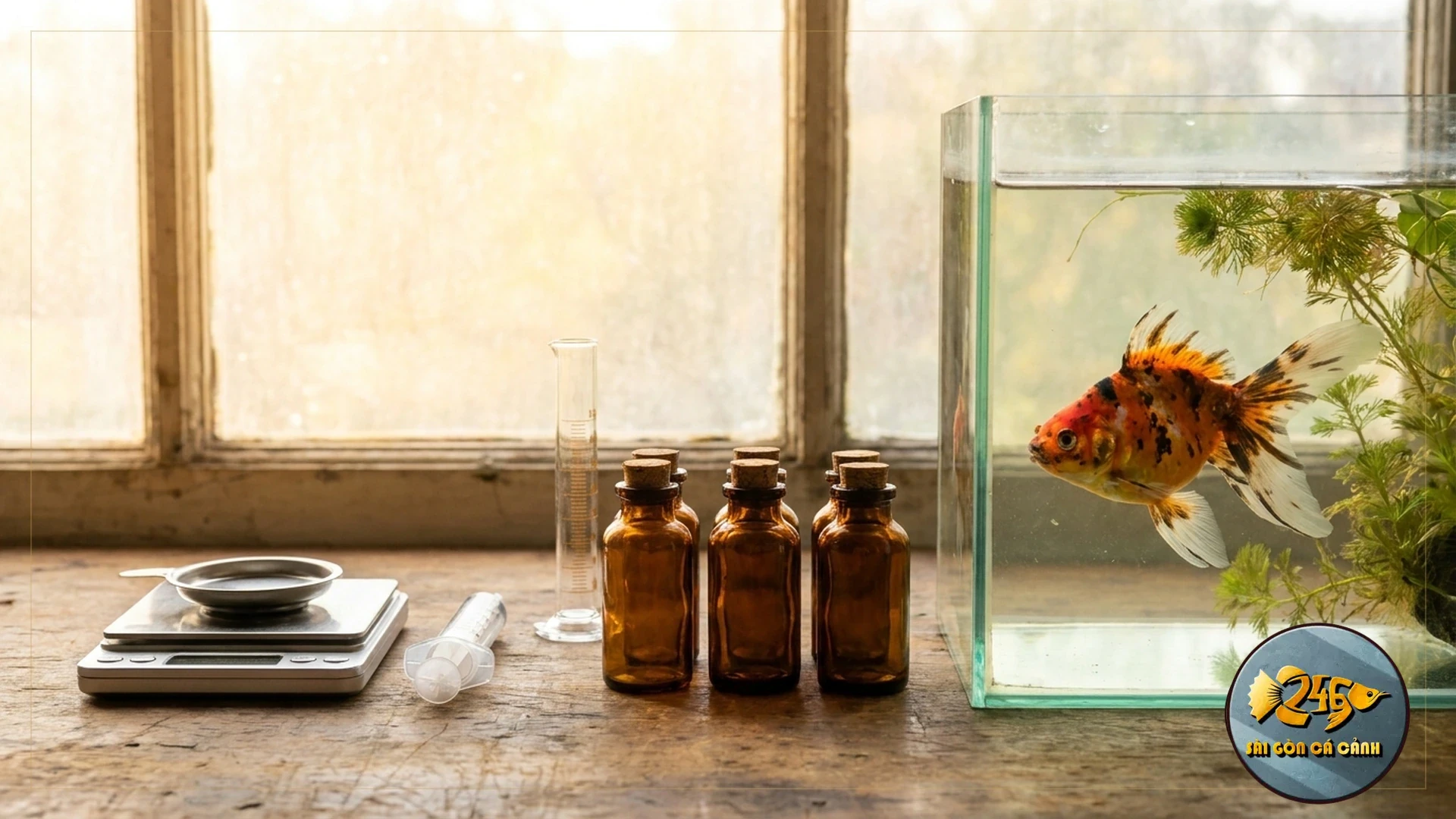
6. Notes Specific to Ryukin Goldfish
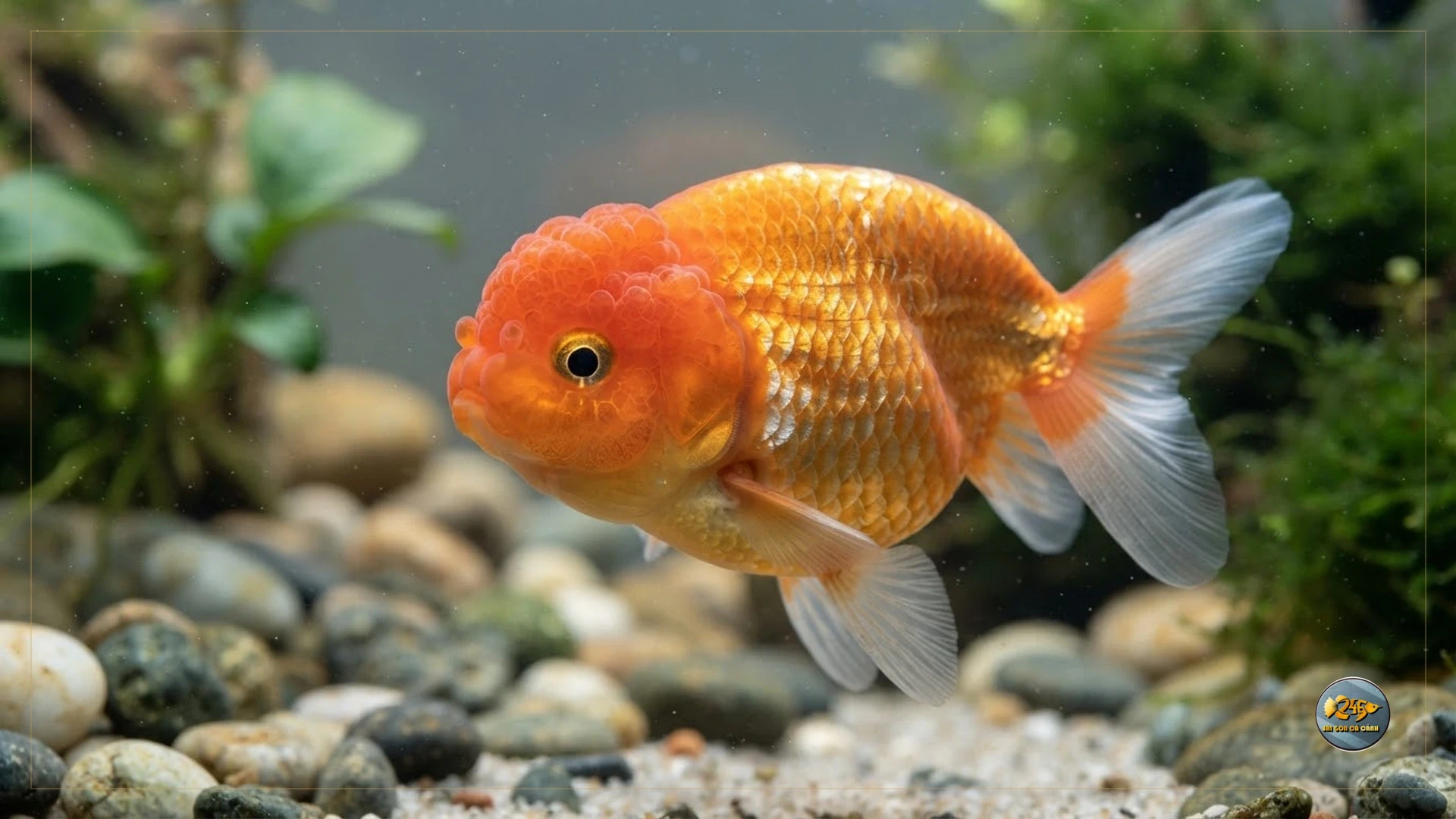
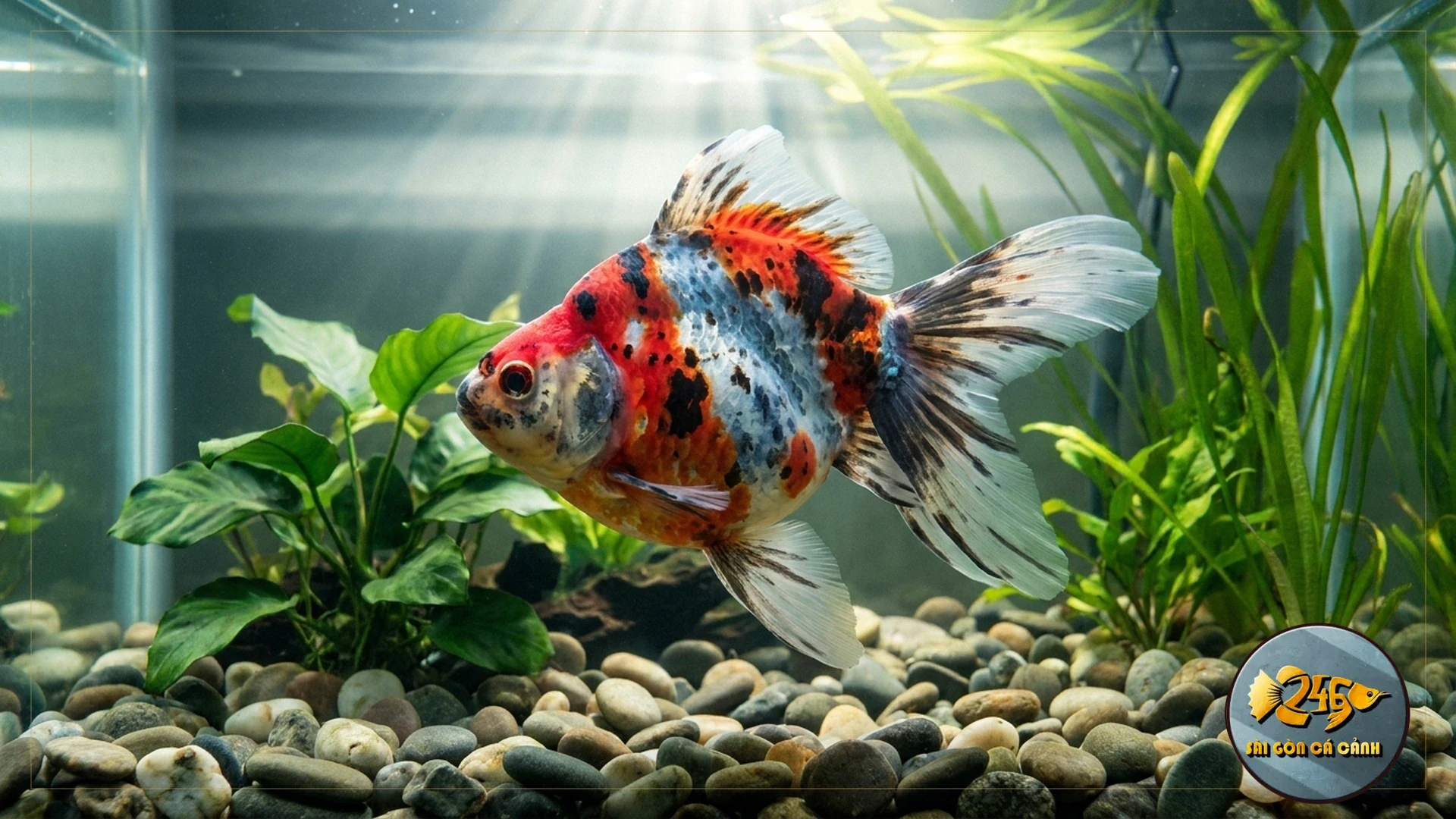
Species Physiology & Sensitivity Notes for Ryukin Goldfish: High-backed with a deep belly — feed sparingly to avoid constipation and buoyancy problems. Healthy morphological baseline: Prominent dorsal hump rising sharply behind the head, deep symmetrical belly, tall erect dorsal fin, and a wide triple or quadruple tail. Optimal water parameters: temperature 18–24°C, pH 7.0–7.8, hardness 8–14 dGH, TDS 180–300 ppm.
7. Medication Safety Principles
- Test the dose on 1–2 fish first and observe for 2–4 hours before treating the group.
- Remove activated carbon, switch off UV sterilisers and move invertebrates out of the treatment tank.
- Do not combine several medications without professional guidance.
- Dose by the true water volume (minus substrate, rock and wood), not the nominal tank size.
- If there is no improvement after one course, contact an aquatic veterinarian for microscopy and sensitivity testing.
8. Frequently Asked Questions
Yes, it can. Move affected fish to a hospital tank, use dedicated nets and tools, wash hands between tanks and watch the whole group for at least 2 weeks.
It depends on severity and species; usually monitor for 7–14 days after signs resolve. Do not stop a course early or raise the dose without guidance.
When there is no improvement after one course, deaths keep occurring, or a viral/notifiable disease is suspected — microscopy, PCR or sensitivity testing are needed.
9. References
- Noga, E. J. (2010). Fish Disease: Diagnosis and Treatment (2nd ed.). Wiley-Blackwell.
- Wildgoose, W. H. (Ed.). (2001). BSAVA Manual of Ornamental Fish (2nd ed.). British Small Animal Veterinary Association.
- Roberts, H. E. (Ed.). (2009). Fundamentals of Ornamental Fish Health. Wiley-Blackwell.
- WOAH / OIE (2023). Manual of Diagnostic Tests for Aquatic Animals. World Organisation for Animal Health.
- Yanong, R. P. E. — UF/IFAS Extension Circulars FA-7, FA-13, FA-14, FA-28 (University of Florida).