A practical guide to Oxygen Depletion in Blood Parrot Cichlid: Emergency Response for Blood Parrot Cichlid (cichlid hybrid): recognising signs, diagnosis and cautious management steps with safety warnings for ornamental fish keepers.
1. Overview: Oxygen Depletion in Blood Parrot Cichlid
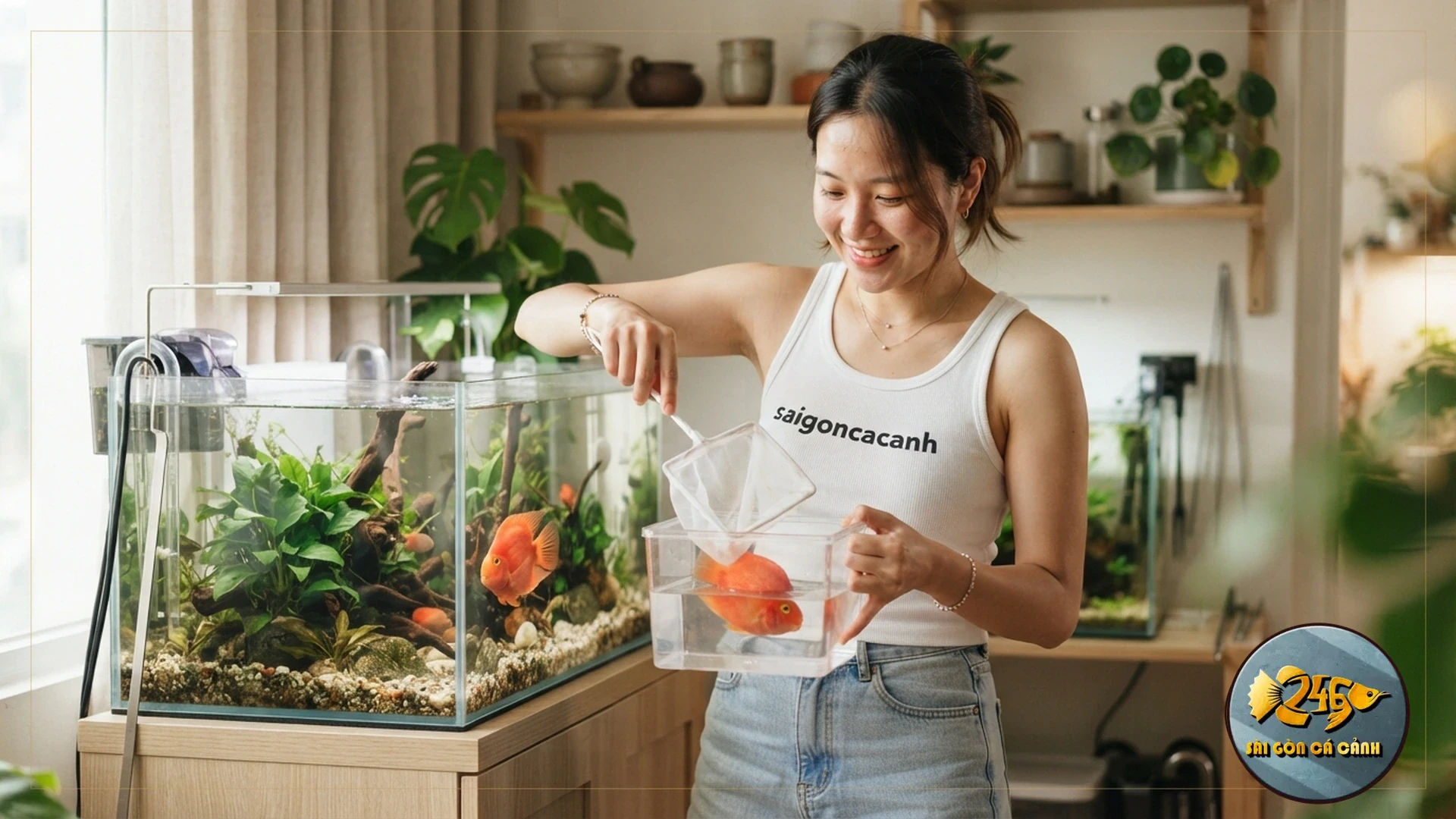
Nhiệt độ cao, mất điện, tảo chết hàng loạt, mật độ nuôi quá dày đều làm giảm lượng oxy hòa tan trong nước, gây nguy hiểm cho sức khỏe của cá. Đối với cá La Hán (cá Lai), việc duy trì môi trường sống ổn định là yếu tố then chốt: bạn nên giữ nhiệt độ phù hợp, đảm bảo chất lượng nước sạch sẽ và tránh biến động đột ngột về nhiệt độ hoặc pH. Các đợt bùng phát bệnh thường xuất phát từ việc tích tụ chất thải hữu cơ, nồng độ amoniac/nitrit tăng cao, hoặc do cá bị căng thẳng vì vận chuyển làm tổn thương lớp màng nhầy bảo vệ. Khi nuôi dưỡng, hãy ưu tiên cách ly cá khi có dấu hiệu bất thường và tham khảo ý kiến bác sĩ thú y hoặc chuyên gia để được tư vấn phương pháp chăm sóc an toàn, phù hợp với từng tình trạng cụ thể của đàn cá.
2. Signs to Recognise
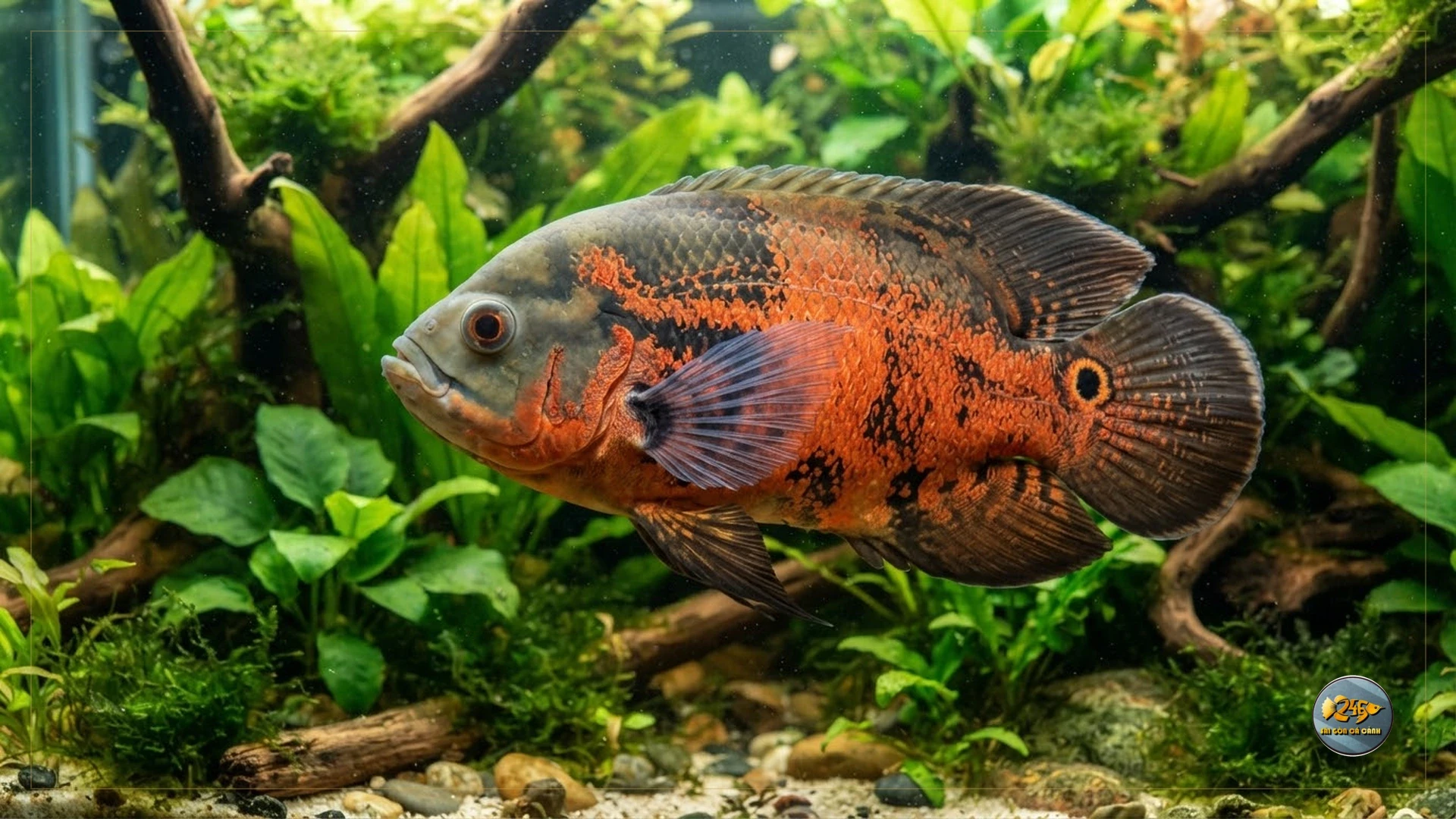
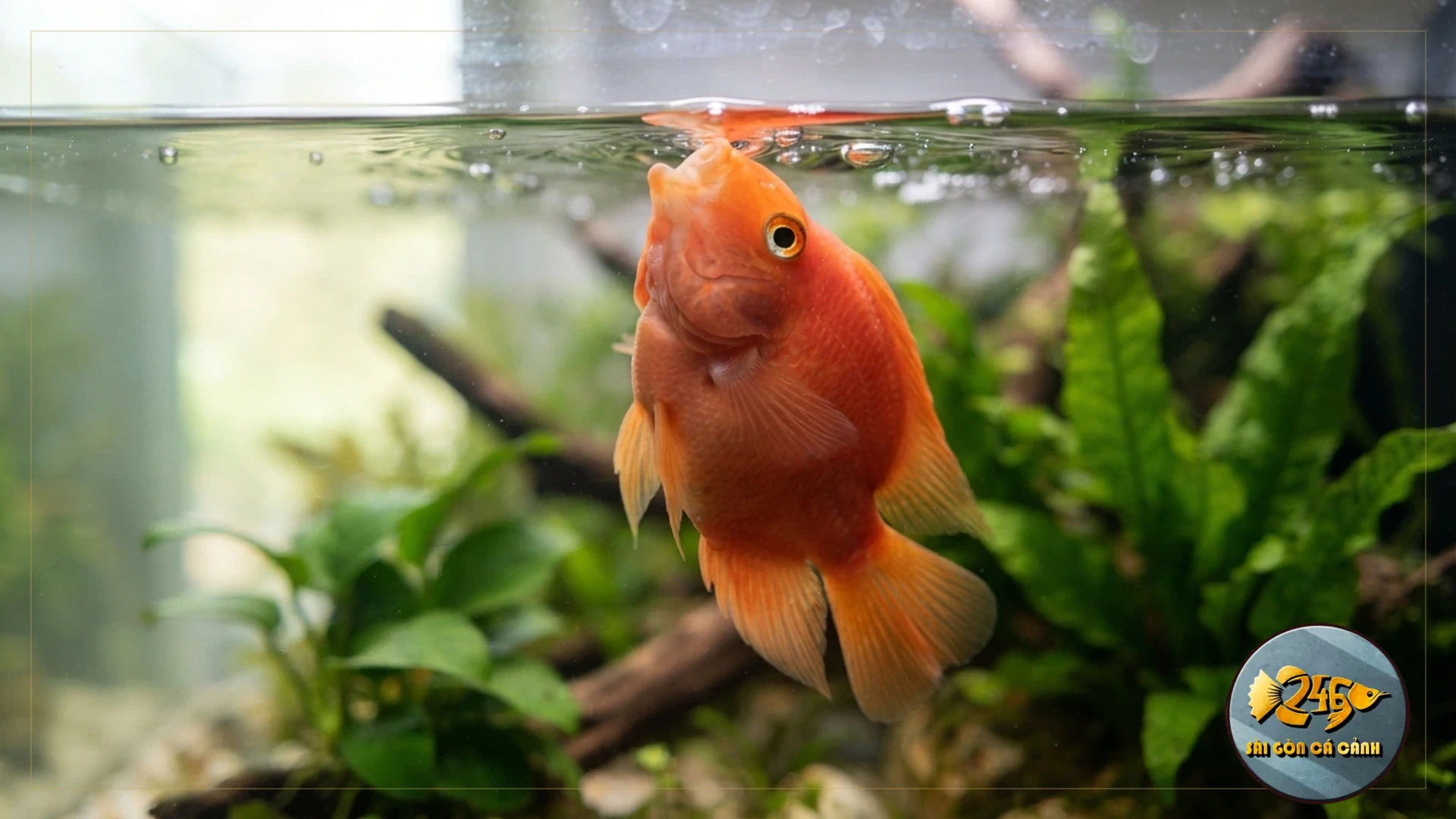
- Gasping at dawn: Characteristic clinical sign when Môi trường / environmental affects target tissues in Blood Parrot Cichlid; contrast against the healthy baseline (Plump rounded body, uniform bright orange-red pigment free of stress-induced black smudging, and intact rounded fins.).
- Crowding near filter outlets and airstones: Characteristic clinical sign when Môi trường / environmental affects target tissues in Blood Parrot Cichlid; contrast against the healthy baseline (Plump rounded body, uniform bright orange-red pigment free of stress-induced black smudging, and intact rounded fins.).
- Largest fish die first: Characteristic clinical sign when Môi trường / environmental affects target tissues in Blood Parrot Cichlid; contrast against the healthy baseline (Plump rounded body, uniform bright orange-red pigment free of stress-induced black smudging, and intact rounded fins.).
3. Diagnosis
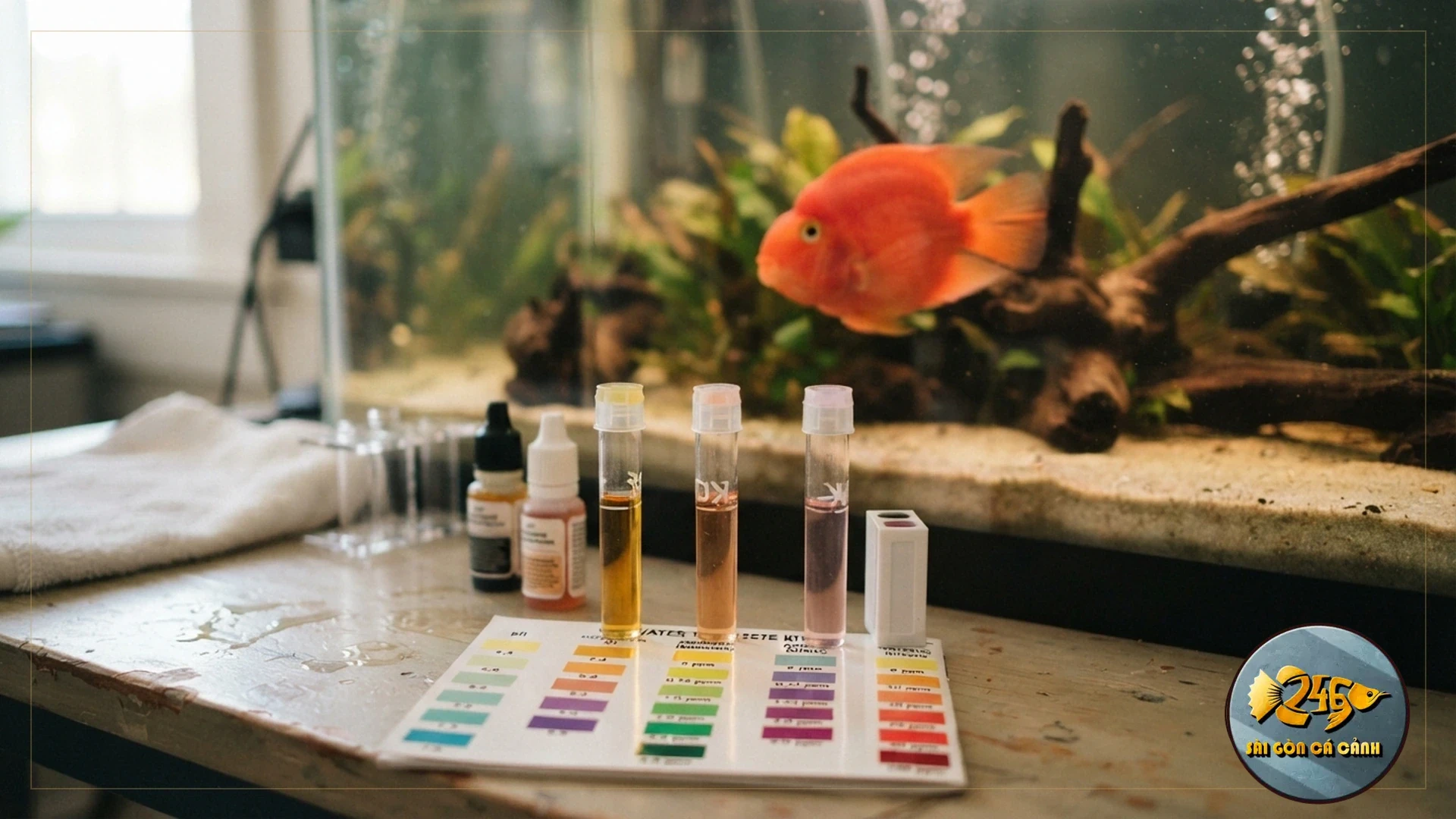
Test the water (ammonia, nitrite, nitrate, pH, KH, temperature, dissolved oxygen) as soon as signs appear and log the results.
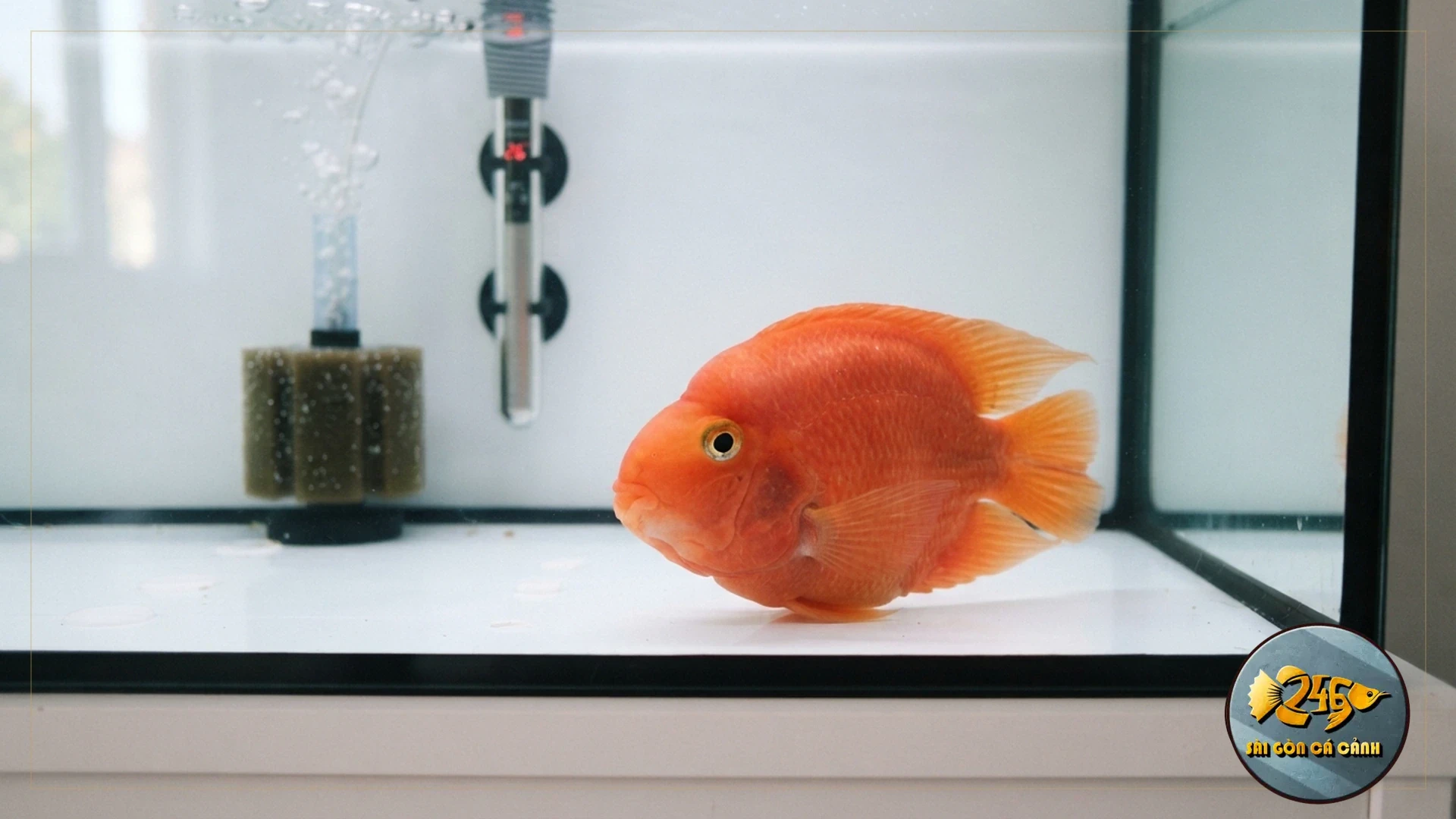
Differential Diagnosis & Water Quality Verification: Prior to administering any medication to Blood Parrot Cichlid, verify NH3/NH4+ (= 0.00 mg/L), NO2- (= 0.00 mg/L), pH (6.5–7.5), and temperature (25–28°C) using a liquid drop test kit to rule out acute environmental toxicosis mimicking infectious disease. Observe the fish grasping small sinking pellets and maintaining upright balance without gasping or resting on the bottom.
4. Cautious Management Plan
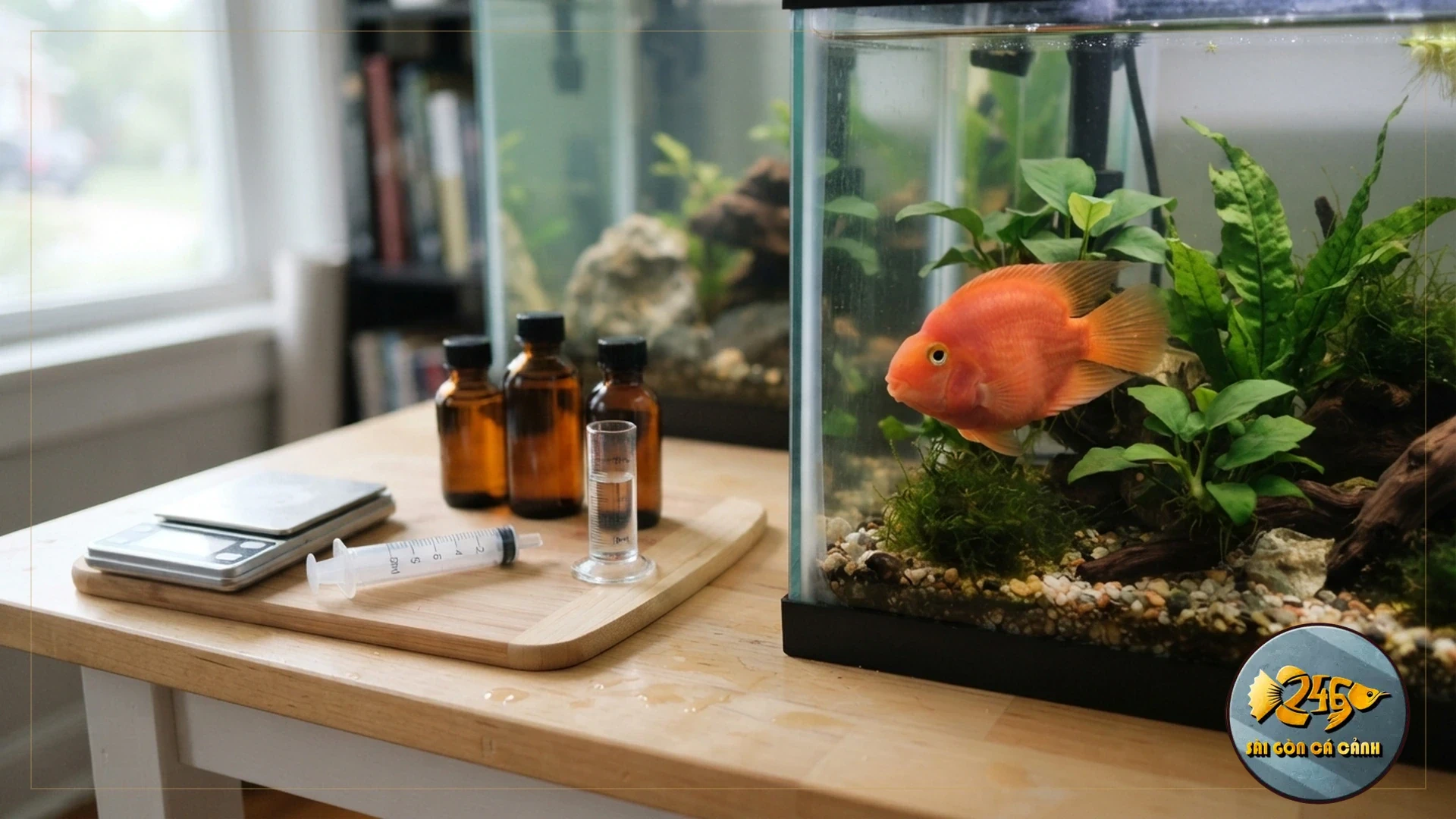
⚠️ When tap water pH and hardness differ greatly from the tank, change smaller amounts more often to avoid shock.
⚠️ Test ammonia/nitrite daily because medications can kill the biofilter.
5. Prevention for Blood Parrot Cichlid
- Battery backup air pump
- Avoid overstocking
- Monitor oxygen in hot weather
6. Notes Specific to Blood Parrot Cichlid
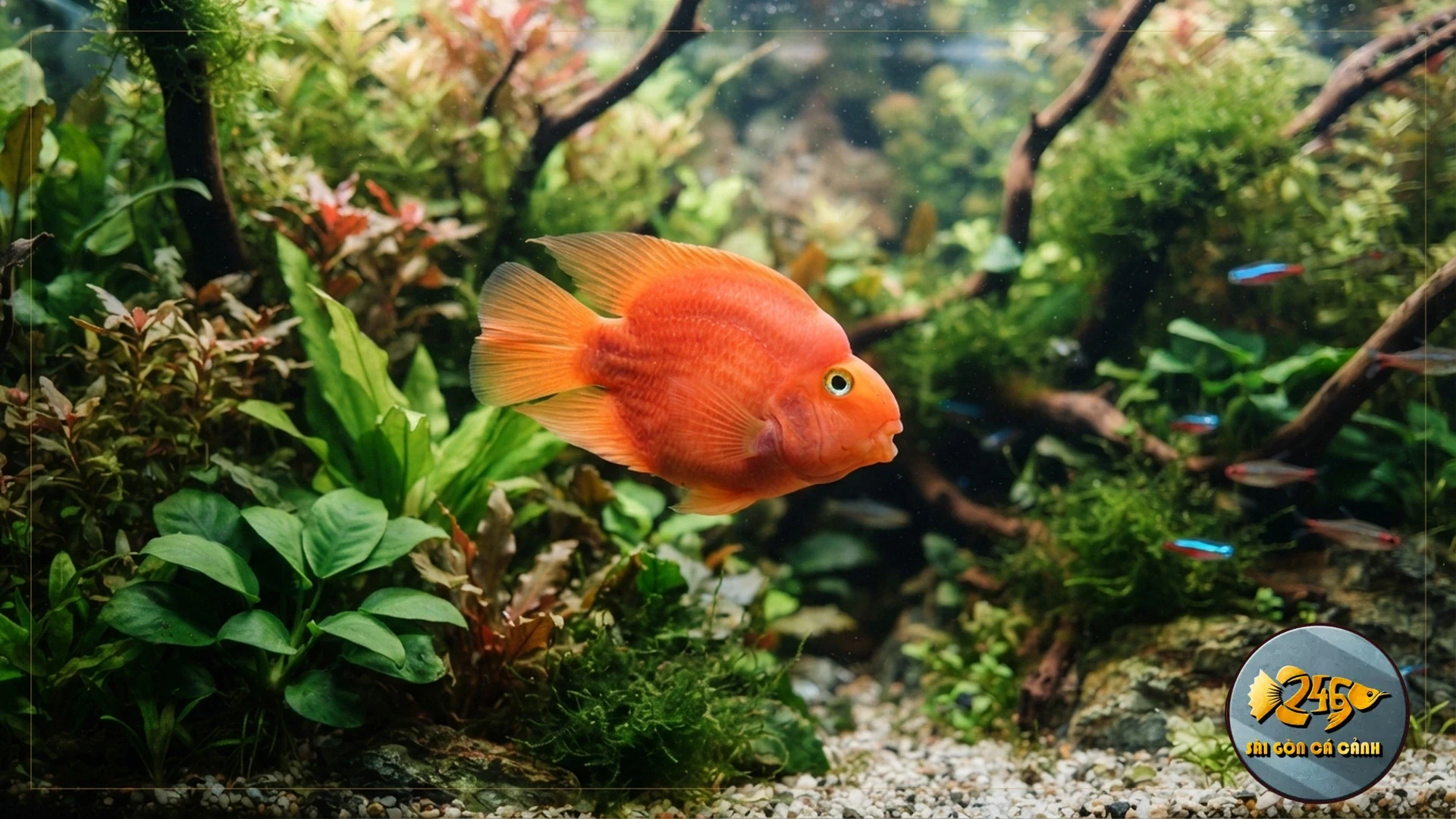
Species Physiology & Sensitivity Notes for Blood Parrot Cichlid: A deformed mouth makes feeding hard: use small sinking food for medicated feeding. Healthy morphological baseline: Plump rounded body, uniform bright orange-red pigment free of stress-induced black smudging, and intact rounded fins. Optimal water parameters: temperature 25–28°C, pH 6.5–7.5, hardness 5–14 dGH, TDS 140–280 ppm.
7. Medication Safety Principles
- Test the dose on 1–2 fish first and observe for 2–4 hours before treating the group.
- Remove activated carbon, switch off UV sterilisers and move invertebrates out of the treatment tank.
- Do not combine several medications without professional guidance.
- Dose by the true water volume (minus substrate, rock and wood), not the nominal tank size.
- If there is no improvement after one course, contact an aquatic veterinarian for microscopy and sensitivity testing.
8. Frequently Asked Questions
Yes, it can. Move affected fish to a hospital tank, use dedicated nets and tools, wash hands between tanks and watch the whole group for at least 2 weeks.
It depends on severity and species; usually monitor for 7–14 days after signs resolve. Do not stop a course early or raise the dose without guidance.
When there is no improvement after one course, deaths keep occurring, or a viral/notifiable disease is suspected — microscopy, PCR or sensitivity testing are needed.
9. References
- Noga, E. J. (2010). Fish Disease: Diagnosis and Treatment (2nd ed.). Wiley-Blackwell.
- Wildgoose, W. H. (Ed.). (2001). BSAVA Manual of Ornamental Fish (2nd ed.). British Small Animal Veterinary Association.
- Roberts, H. E. (Ed.). (2009). Fundamentals of Ornamental Fish Health. Wiley-Blackwell.
- WOAH / OIE (2023). Manual of Diagnostic Tests for Aquatic Animals. World Organisation for Animal Health.
- Yanong, R. P. E. — UF/IFAS Extension Circulars FA-7, FA-13, FA-14, FA-28 (University of Florida).