A practical guide to Nitrite Poisoning in Serpae Tetra: Emergency Response for Serpae Tetra (Hyphessobrycon eques): recognising signs, diagnosis and cautious management steps with safety warnings for ornamental fish keepers.
1. Overview: Nitrite Poisoning (Brown Blood Disease) in Serpae Tetra
Nitrite converts haemoglobin into methaemoglobin, which cannot carry oxygen; common in new tanks or after filter shock. In Serpae Tetra (Hyphessobrycon eques) maintained at 22–27°C (target pH 6.2–7.2, hardness 3–10 dGH, TDS 80–200 ppm), clinical outbreaks are frequently triggered by organic waste accumulation, ammonia/nitrite spikes, thermal fluctuations, or transport stress that compromises the protective mucosal barrier.
2. Signs to Recognise
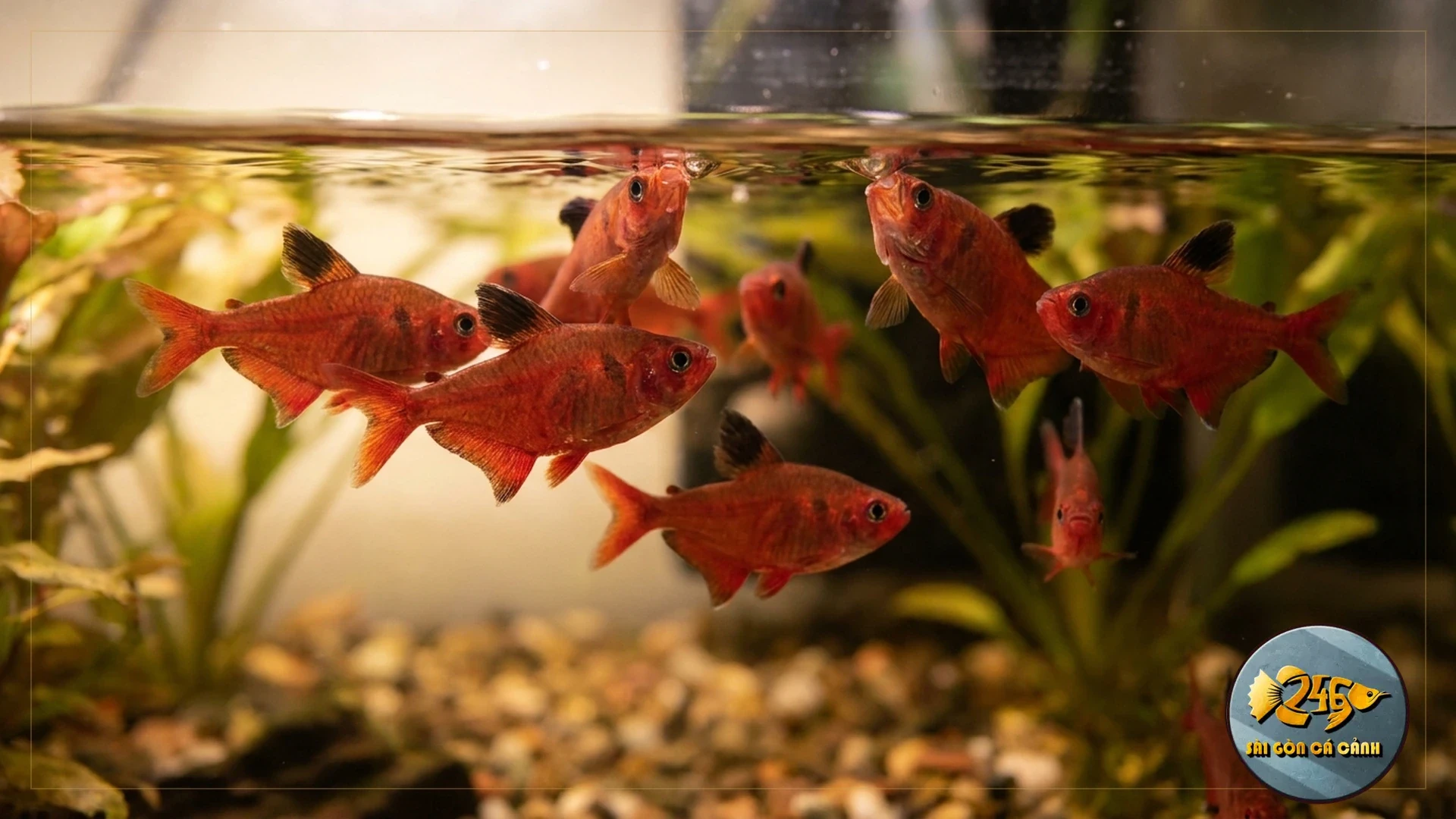
- Chocolate-brown gills: Characteristic clinical sign when Môi trường / environmental affects target tissues in Serpae Tetra; contrast against the healthy baseline (Deep blood-red body marked with a black humeral comma spot and a jet-black dorsal fin edged in crisp white.).
- Rapid breathing despite aeration: Characteristic clinical sign when Môi trường / environmental affects target tissues in Serpae Tetra; contrast against the healthy baseline (Deep blood-red body marked with a black humeral comma spot and a jet-black dorsal fin edged in crisp white.).
- Lethargy near the surface: Characteristic clinical sign when Môi trường / environmental affects target tissues in Serpae Tetra; contrast against the healthy baseline (Deep blood-red body marked with a black humeral comma spot and a jet-black dorsal fin edged in crisp white.).
3. Diagnosis
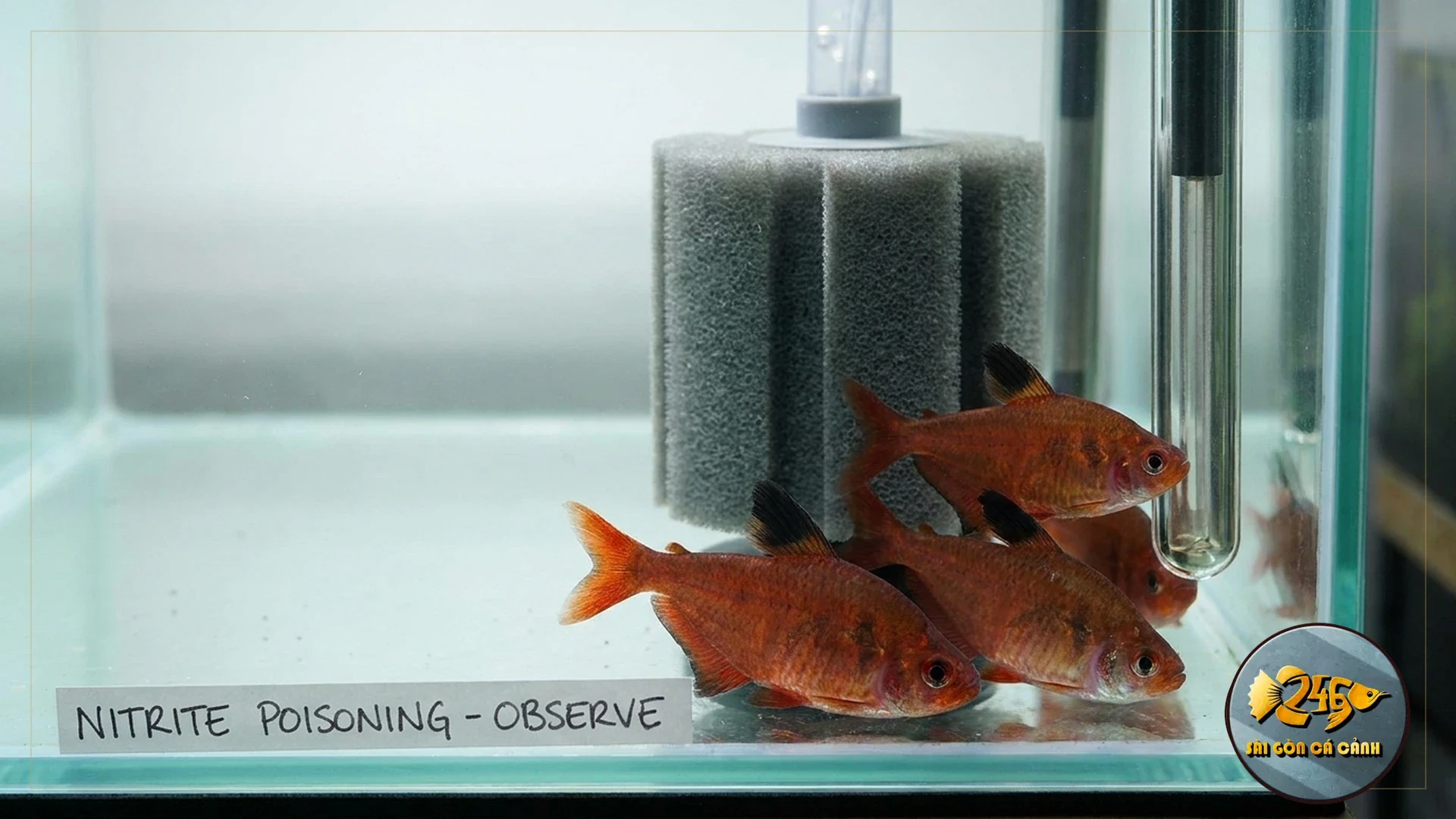
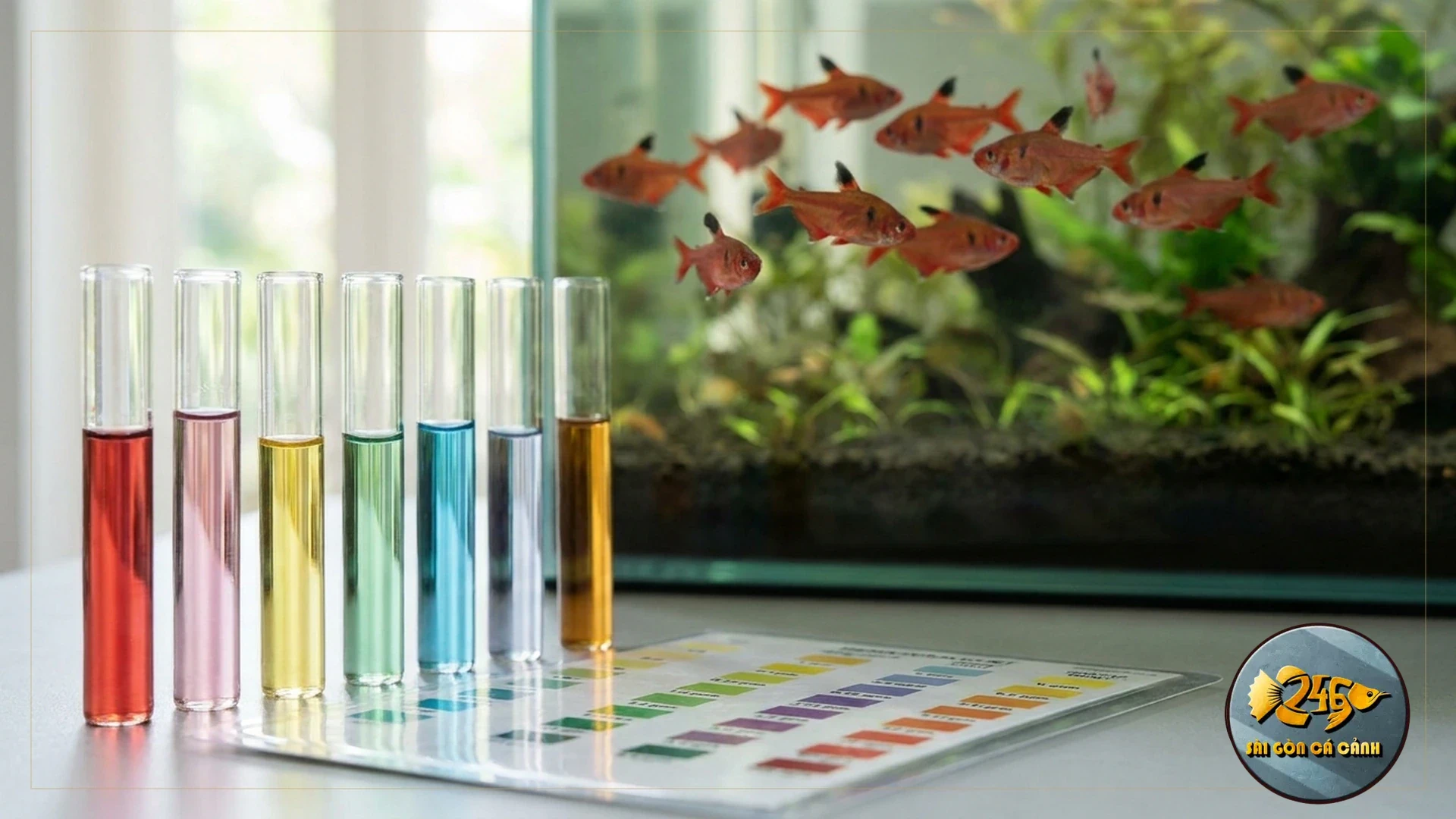
Test the water (ammonia, nitrite, nitrate, pH, KH, temperature, dissolved oxygen) as soon as signs appear and log the results.
Differential Diagnosis & Water Quality Verification: Prior to administering any medication to Serpae Tetra, verify NH3/NH4+ (= 0.00 mg/L), NO2- (= 0.00 mg/L), pH (6.2–7.2), and temperature (22–27°C) using a liquid drop test kit to rule out acute environmental toxicosis mimicking infectious disease. Select active mid-water schoolers with clean, unfrayed fin margins.
4. Cautious Management Plan
⚠️ When tap water pH and hardness differ greatly from the tank, change smaller amounts more often to avoid shock.
⚠️ Catfish, loaches, Corydoras and live plants tolerate salt poorly: do not exceed 1 g/L. Salt does not evaporate — it only leaves through water changes.
⚠️ Luôn tham vấn chuyên gia thú y thủy sản trước khi can thiệp hóa chất vào môi trường sống của cá.
5. Prevention for Serpae Tetra
- Test nitrite weekly in new tanks
- Avoid adding many fish at once
- Service filters in rotation
6. Notes Specific to Serpae Tetra
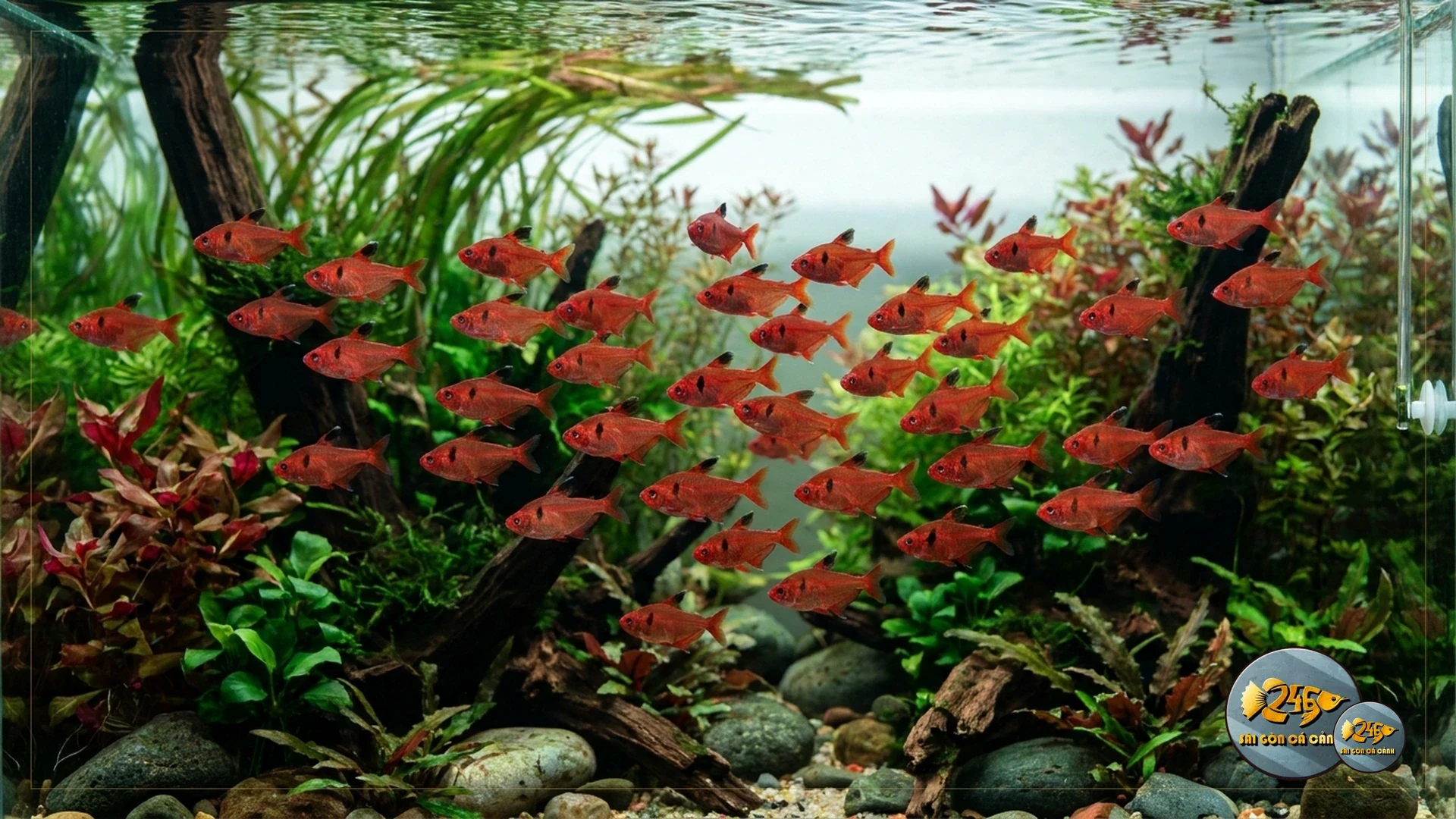
Species Physiology & Sensitivity Notes for Serpae Tetra: Tetras are sensitive to dye-based drugs; watch breathing for two hours after dosing. Healthy morphological baseline: Deep blood-red body marked with a black humeral comma spot and a jet-black dorsal fin edged in crisp white. Optimal water parameters: temperature 22–27°C, pH 6.2–7.2, hardness 3–10 dGH, TDS 80–200 ppm.
7. Medication Safety Principles
- Test the dose on 1–2 fish first and observe for 2–4 hours before treating the group.
- Remove activated carbon, switch off UV sterilisers and move invertebrates out of the treatment tank.
- Do not combine several medications without professional guidance.
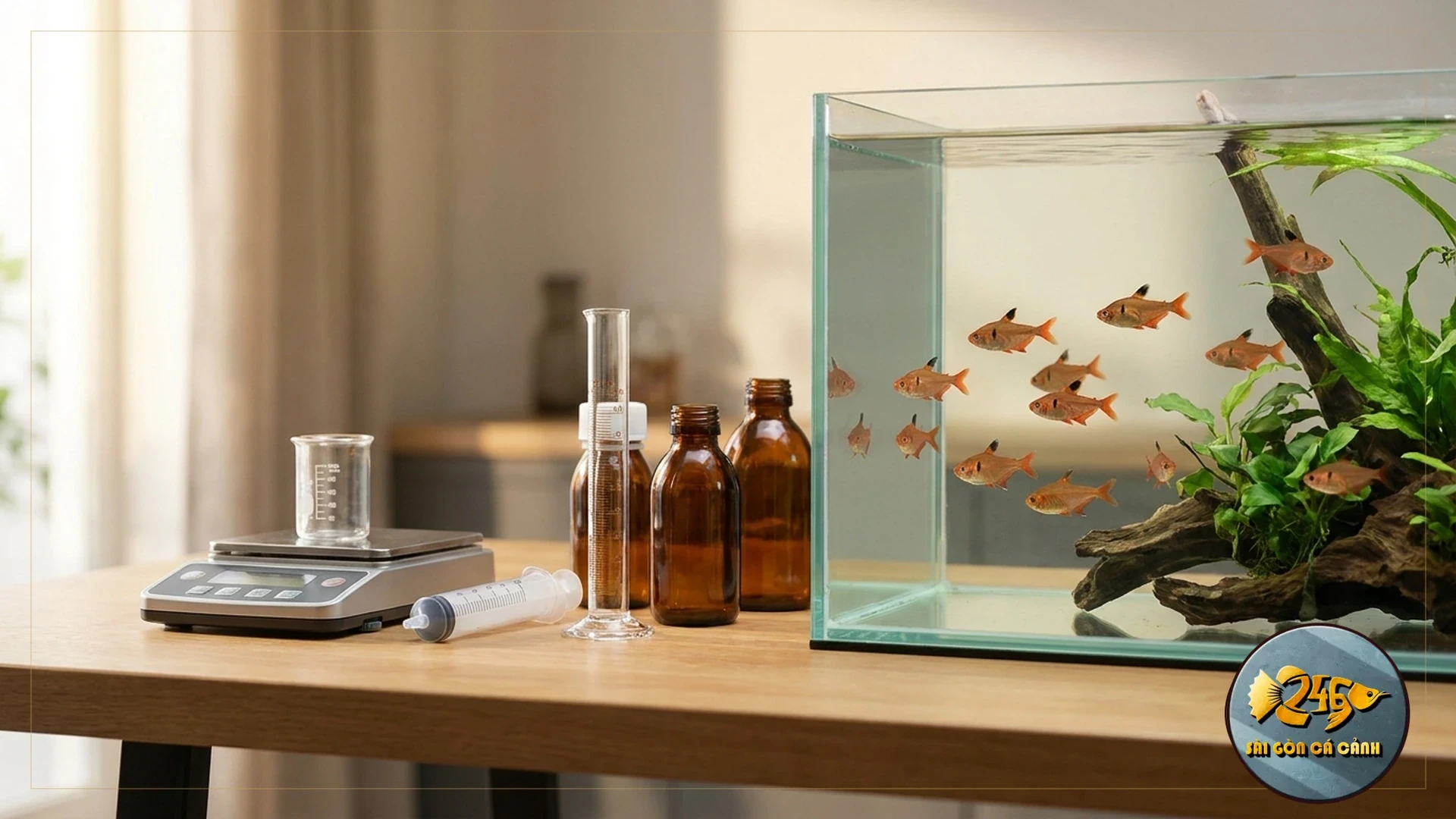
- Dose by the true water volume (minus substrate, rock and wood), not the nominal tank size.
- If there is no improvement after one course, contact an aquatic veterinarian for microscopy and sensitivity testing.
8. Frequently Asked Questions
Yes, it can. Move affected fish to a hospital tank, use dedicated nets and tools, wash hands between tanks and watch the whole group for at least 2 weeks.
It depends on severity and species; usually monitor for 7–14 days after signs resolve. Do not stop a course early or raise the dose without guidance.
When there is no improvement after one course, deaths keep occurring, or a viral/notifiable disease is suspected — microscopy, PCR or sensitivity testing are needed.
9. References
- Noga, E. J. (2010). Fish Disease: Diagnosis and Treatment (2nd ed.). Wiley-Blackwell.
- Wildgoose, W. H. (Ed.). (2001). BSAVA Manual of Ornamental Fish (2nd ed.). British Small Animal Veterinary Association.
- Roberts, H. E. (Ed.). (2009). Fundamentals of Ornamental Fish Health. Wiley-Blackwell.
- WOAH / OIE (2023). Manual of Diagnostic Tests for Aquatic Animals. World Organisation for Animal Health.
- Yanong, R. P. E. — UF/IFAS Extension Circulars FA-7, FA-13, FA-14, FA-28 (University of Florida).