A clinical practice guide to New Fish Quarantine Protocol for Ocellaris Clownfish tailored to Ocellaris Clownfish (Amphiprion ocellaris): morphological standards, step-by-step protocol (1–2–3–4–5), quantitative quarantine parameters, and biosecurity safeguards.
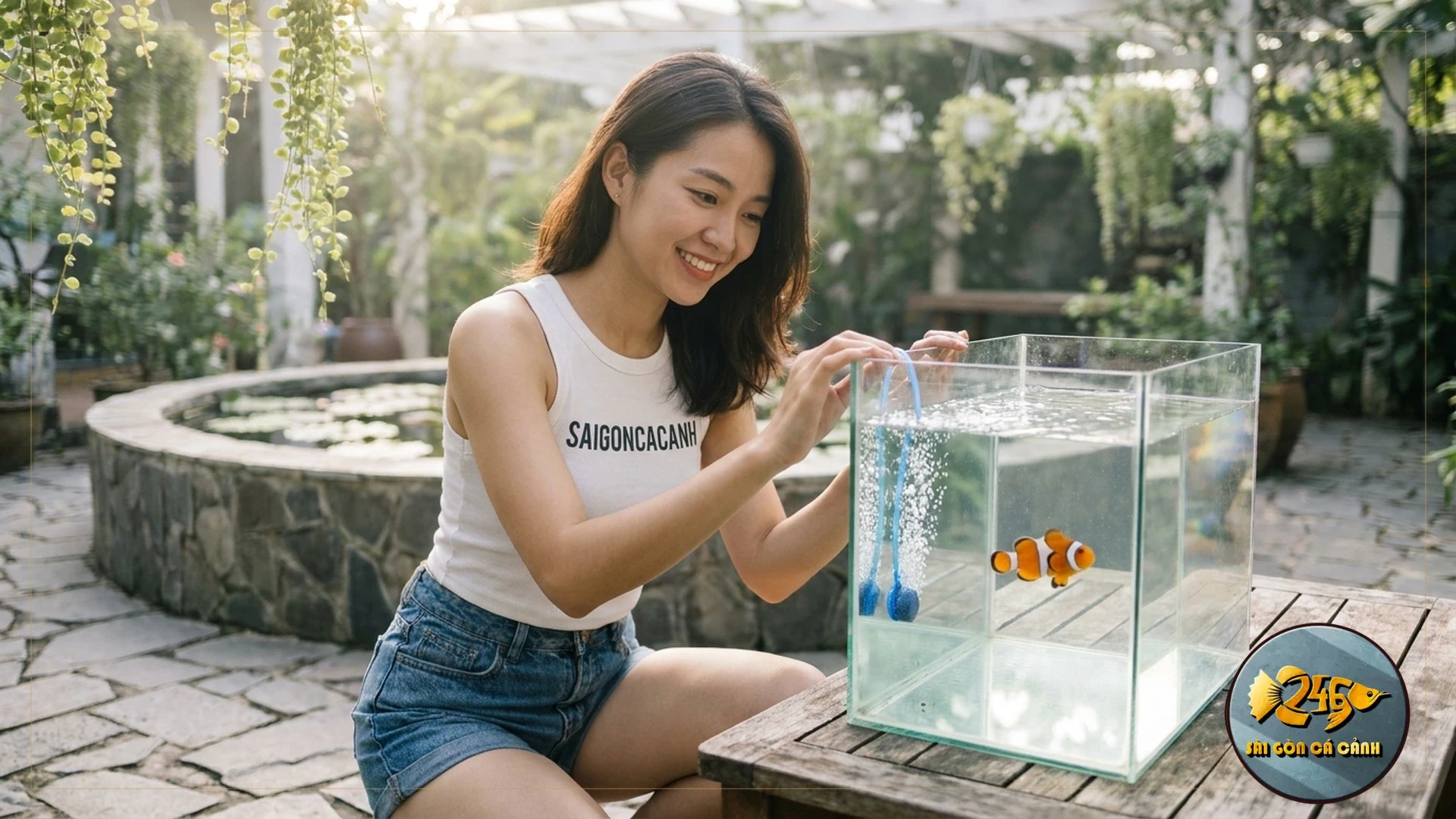
1. Clinical Purpose & Scientific Basis: New Fish Quarantine Protocol for Ocellaris Clownfish
Quarantine is the cheapest and most effective disease prevention. When applied to Ocellaris Clownfish (Amphiprion ocellaris) (thermal range 24–27°C, marine / reef systems (Salinity 1.023–1.025 SG, pH 8.1–8.4)), following a standardised protocol maximises therapeutic safety while preventing osmotic shock and biofilter collapse.
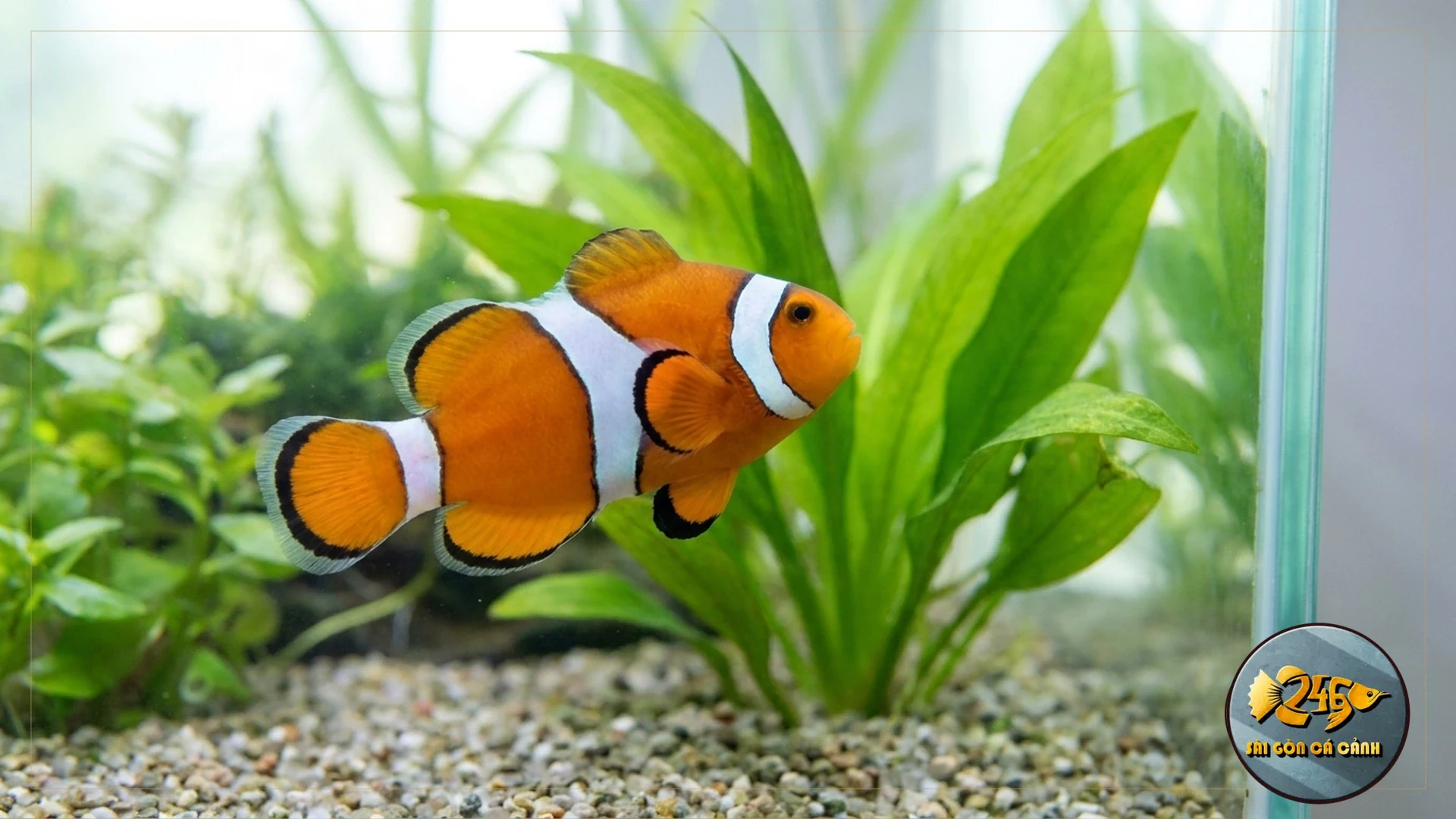
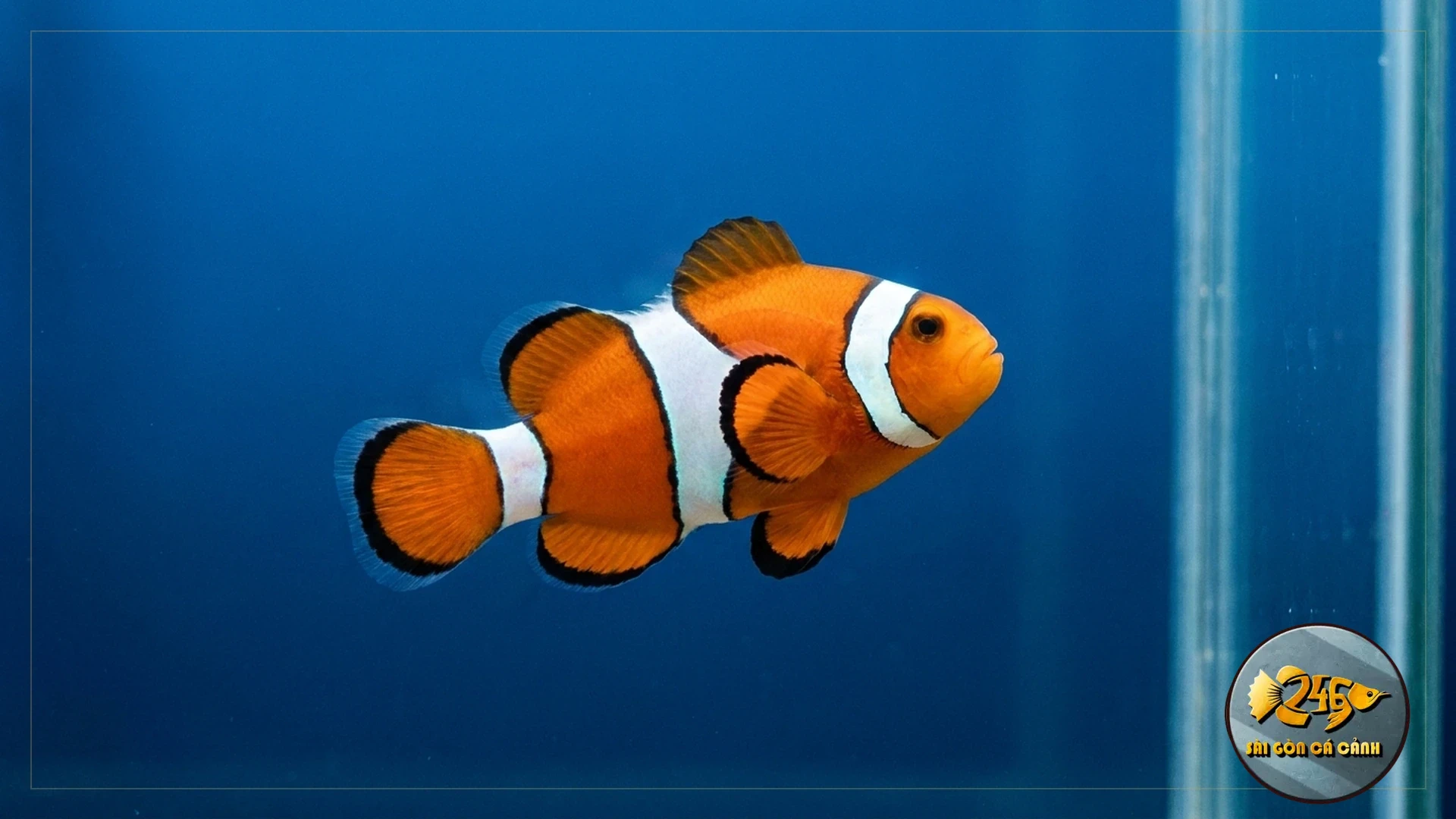
Species conformation and physiological notes for Ocellaris Clownfish: Vibrant orange body with three crisp black-edged white bars, clear protective mucus coat (zero white sloughing typical of Brooklynella), and steady gill rate < 80/min. Never use copper or hyposalinity in tanks holding corals or invertebrates.
2. Step-by-Step Clinical Protocol for Ocellaris Clownfish
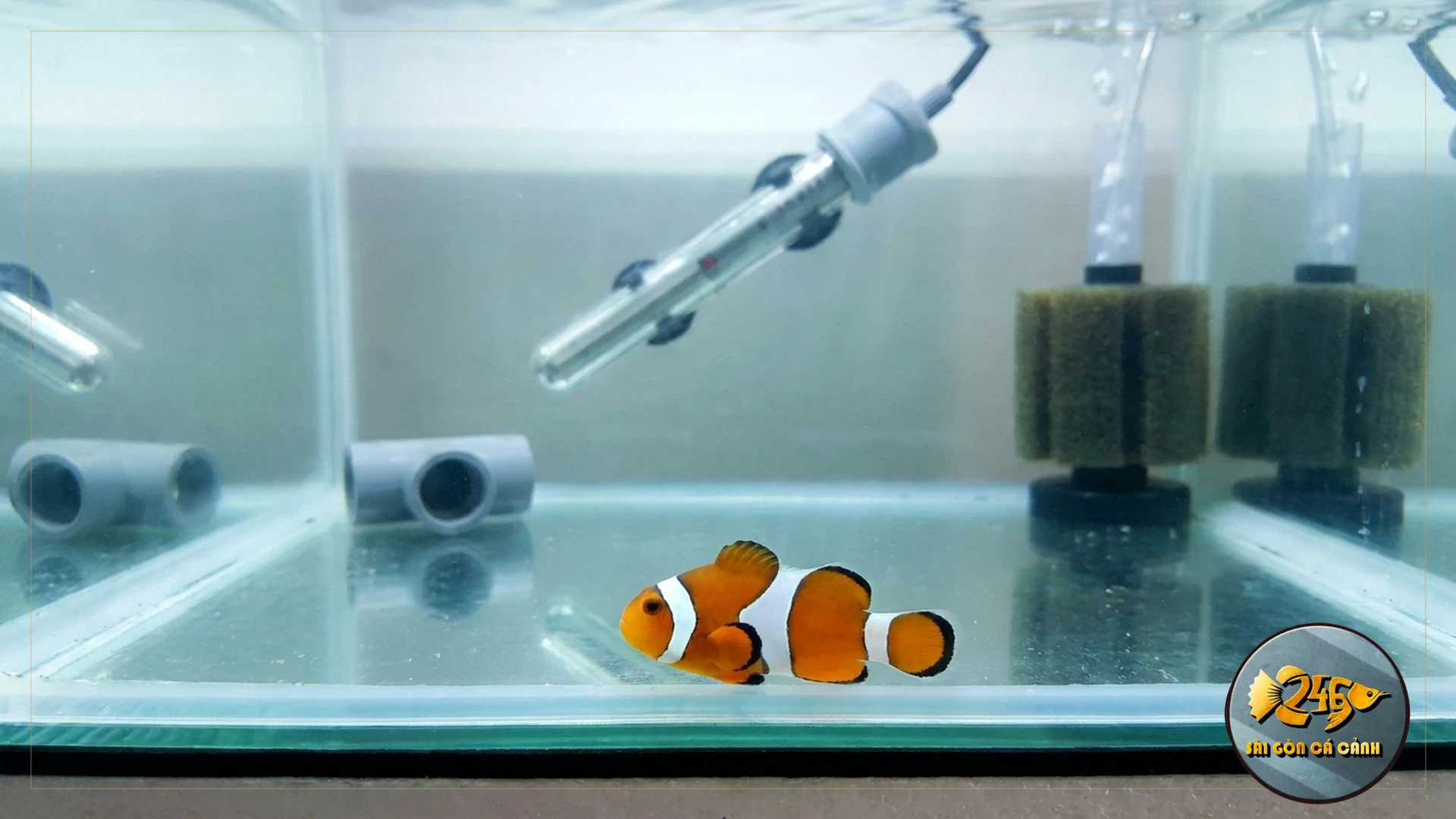
- Step 01 — A separate tank with a cycled filter: Measure baseline water parameters for Ocellaris Clownfish (Amphiprion ocellaris) (target temperature 24–27°C, marine / reef systems (Salinity 1.023–1.025 SG, pH 8.1–8.4)) and calculate true net water volume prior to action.
- Step 02 — Observe 2–4 weeks (marine 4–6 weeks): Execute the procedure using calibrated veterinary measurements while maintaining dissolved oxygen DO >= 6.0 mg/L continuously.
- Step 03 — Check feeding and breathing daily: Monitor opercular ventilation rate, swimming equilibrium, and skin colouration of Ocellaris Clownfish closely during the first 30–120 minutes.
- Step 04 — Dedicated tools: Log all parameters, verify NH3 = 0.00 mg/L and NO2- = 0.00 mg/L, and perform temperature-matched dechlorinated water changes as scheduled.
3. Quantitative Dosing, Quarantine Setup & Safety Warnings
Below are the quantitative standards and hospital tank parameters tailored to Ocellaris Clownfish (Amphiprion ocellaris):
⚠️ Test ammonia/nitrite daily because medications can kill the biofilter.
⚠️ Luôn tham vấn chuyên gia thú y thủy sản trước khi can thiệp hóa chất vào môi trường sống của cá.
4. Positive Response Indicators & Monitoring Gates in Ocellaris Clownfish
- Normal physiological baseline: Ask the store to feed: a healthy Clownfish swims with its characteristic energetic waddle to strike food immediately without clamped fins or bottom gasping.
- Immediate stop-and-dilute signs: Surface gasping (> 100 opercular beats/min), listing on the bottom, erratic dashing, or heavy mucoid sloughing.
- Nitrogen & Oxygen gate: Maintain NH3 = 0.00 mg/L, NO2- = 0.00 mg/L, and DO >= 6.0 mg/L throughout the procedure.
5. Biofilter Restoration & Post-Procedure Stabilisation for Ocellaris Clownfish
- Perform a 30–50% water change using dechlorinated water matched in temperature (24–27°C, within 1°C) and pH (8.1–8.4).
- Re-seed nitrifying bacteria (Nitrosomonas & Nitrobacter) to restore biological filtration capacity.
- Monitor feeding response and colouration of Ocellaris Clownfish for 7–14 days following completion.
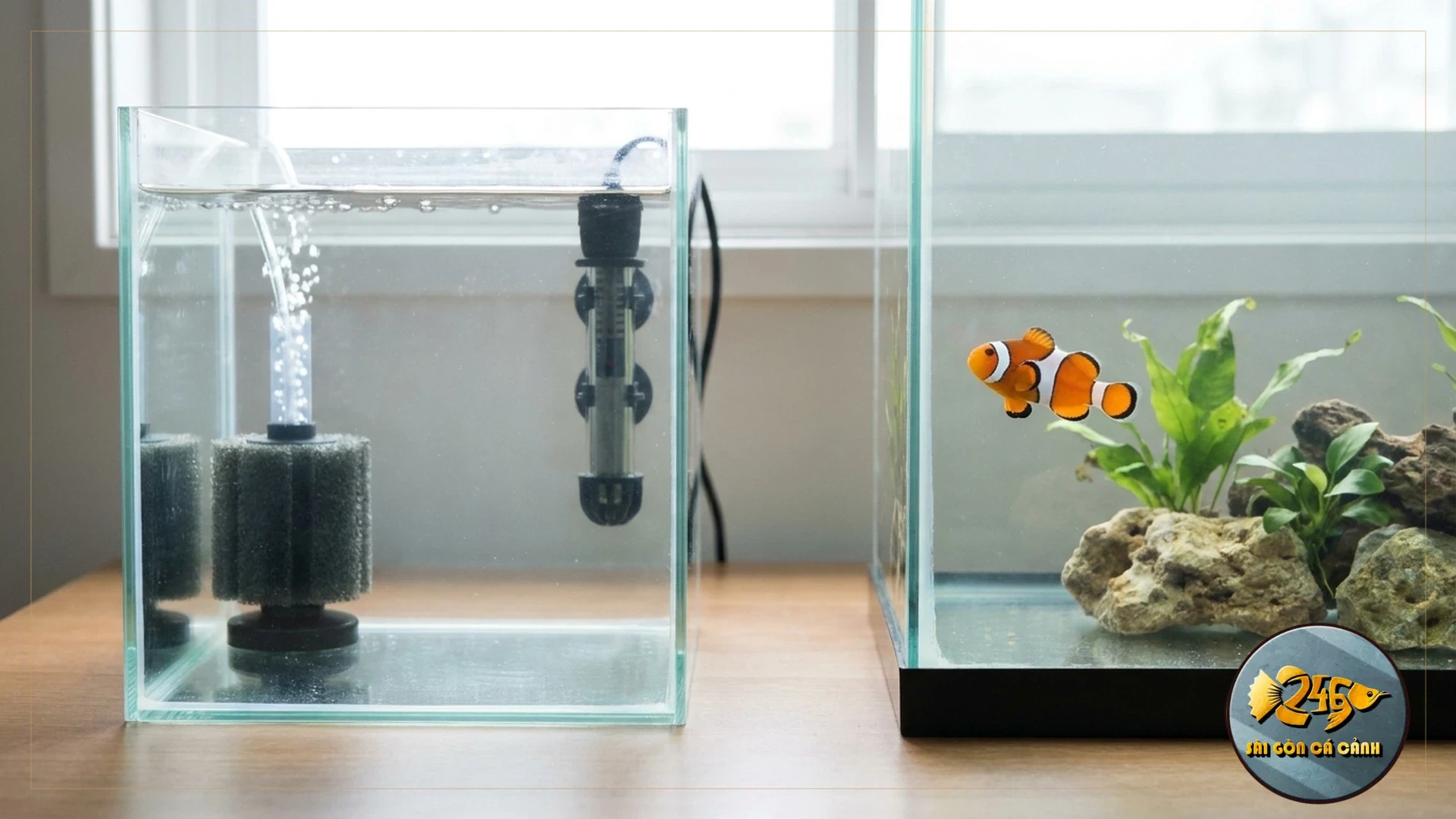
6. Notes Specific to Ocellaris Clownfish
Species Physiology & Sensitivity Notes for Ocellaris Clownfish: Never use copper or hyposalinity in tanks holding corals or invertebrates. Healthy morphological baseline: Vibrant orange body with three crisp black-edged white bars, clear protective mucus coat (zero white sloughing typical of Brooklynella), and steady gill rate < 80/min. Optimal water parameters: temperature 24–27°C, pH 8.1–8.4, hardness Độ mặn 1.023–1.025 SG, TDS 33–35 ppt.
7. Medication Safety Principles
- Test the dose on 1–2 fish first and observe for 2–4 hours before treating the group.
- Remove activated carbon, switch off UV sterilisers and move invertebrates out of the treatment tank.
- Do not combine several medications without professional guidance.
- Dose by the true water volume (minus substrate, rock and wood), not the nominal tank size.
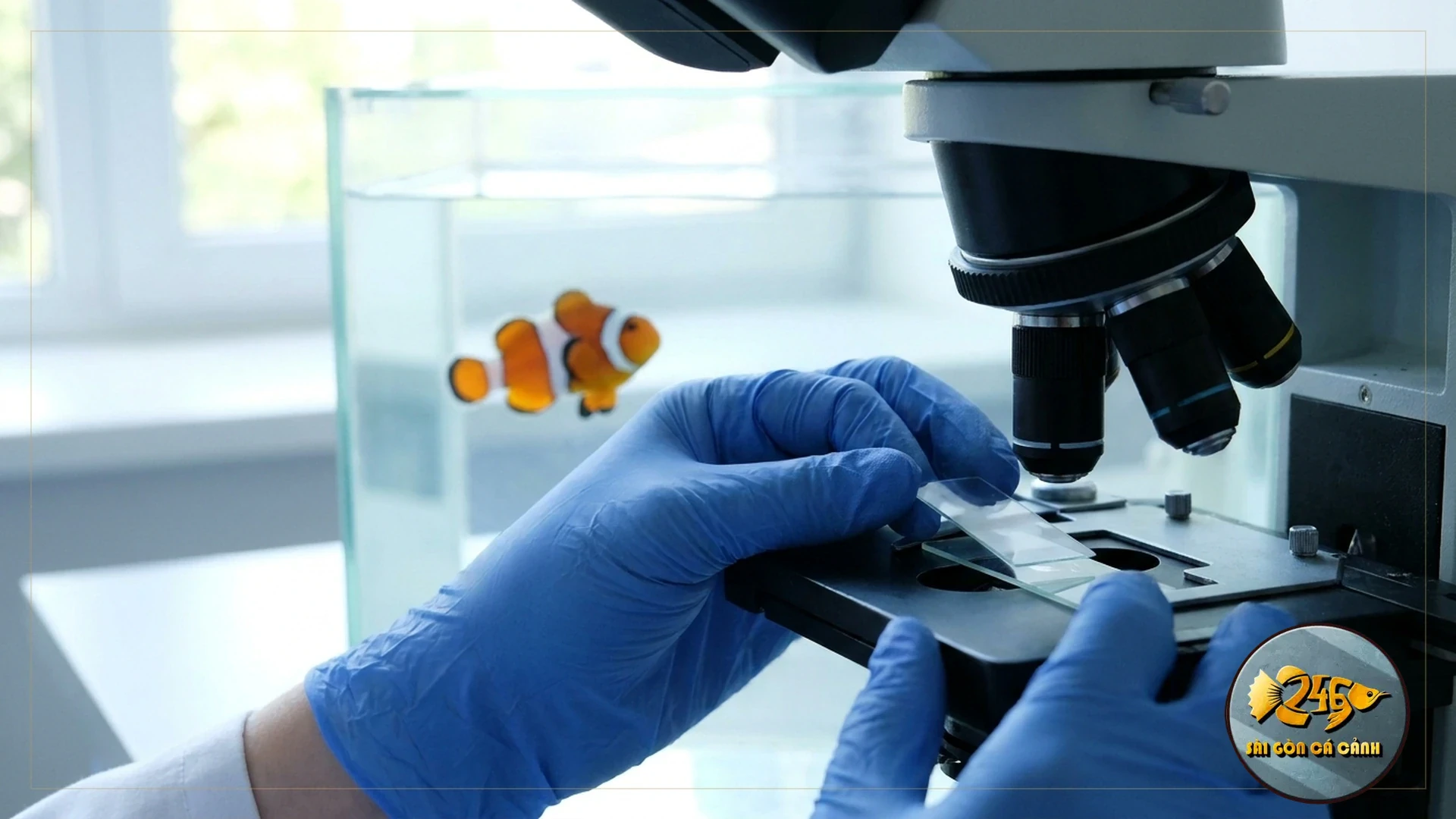
- If there is no improvement after one course, contact an aquatic veterinarian for microscopy and sensitivity testing.
8. Frequently Asked Questions
Maintain stable temperature at 24–27°C, pH 8.1–8.4, dissolved oxygen DO >= 6.0 mg/L, and zero ammonia/nitrite (NH3 = 0.00 mg/L, NO2- = 0.00 mg/L) throughout the procedure.
Monitor gill ventilation closely during the first 2–4 hours and continue daily observation for 7–14 days to confirm strong appetite and stable biofiltration.
Stop immediately and perform a 30–50% temperature-matched dechlorinated water change if Ocellaris Clownfish gasps at the surface, lists on the bottom, or fails to improve after one standard course.
9. References
- Noga, E. J. (2010). Fish Disease: Diagnosis and Treatment (2nd ed.). Wiley-Blackwell.
- Wildgoose, W. H. (Ed.). (2001). BSAVA Manual of Ornamental Fish (2nd ed.). British Small Animal Veterinary Association.
- Roberts, H. E. (Ed.). (2009). Fundamentals of Ornamental Fish Health. Wiley-Blackwell.
- WOAH / OIE (2023). Manual of Diagnostic Tests for Aquatic Animals. World Organisation for Animal Health.
- Yanong, R. P. E. — UF/IFAS Extension Circulars FA-7, FA-13, FA-14, FA-28 (University of Florida).