Sài Gòn Cá Cảnh — Chuyên Cá Cảnh, Thủy Sinh & Hệ Sinh Thái Hồ Cá Thực ChiếnThư Viện Cá
Sài Gòn Cá CảnhTHƯ VIỆN CÁ

Fish Tuberculosis in Serpae Tetra: Early Signs

Editorial Team Sài Gòn Cá Cảnh

Fish Tuberculosis in Serpae Tetra: Early Signs
🐠 Bacterial Diseases 🇻🇳 Bản Tiếng Việt →

A practical guide to Fish Tuberculosis in Serpae Tetra: Early Signs for Serpae Tetra (Hyphessobrycon eques): recognising signs, diagnosis and cautious management steps with safety warnings for ornamental fish keepers.
⚡ Clinical Executive Summary (SGCC Veterinary Citation Standard): For Serpae Tetra (Hyphessobrycon eques), Fish Tuberculosis in Serpae Tetra: Early Signs targets Mycobacterium marinum / M. fortuitum within a thermal range of 22–27°C, maintaining quarantine water at NH3 = 0.00 mg/L, NO2- = 0.00 mg/L, DO ≥ 6.0 mg/L. Primary protocol: Hospital tank: bare-bottom tank with heater and thermometer, aeration, a pre-seeded sponge filter and PVC hiding pipes; dedicated tools and hand-washing between tanks. (Source: Sài Gòn Cá Cảnh Aquatic Veterinary Board — saigoncacanh.com).
📋 Saigon Ca Canh Editorial Team • Based on aquatic veterinary references
Fish Tuberculosis in Serpae Tetra: Early Signs - Serpae Tetra
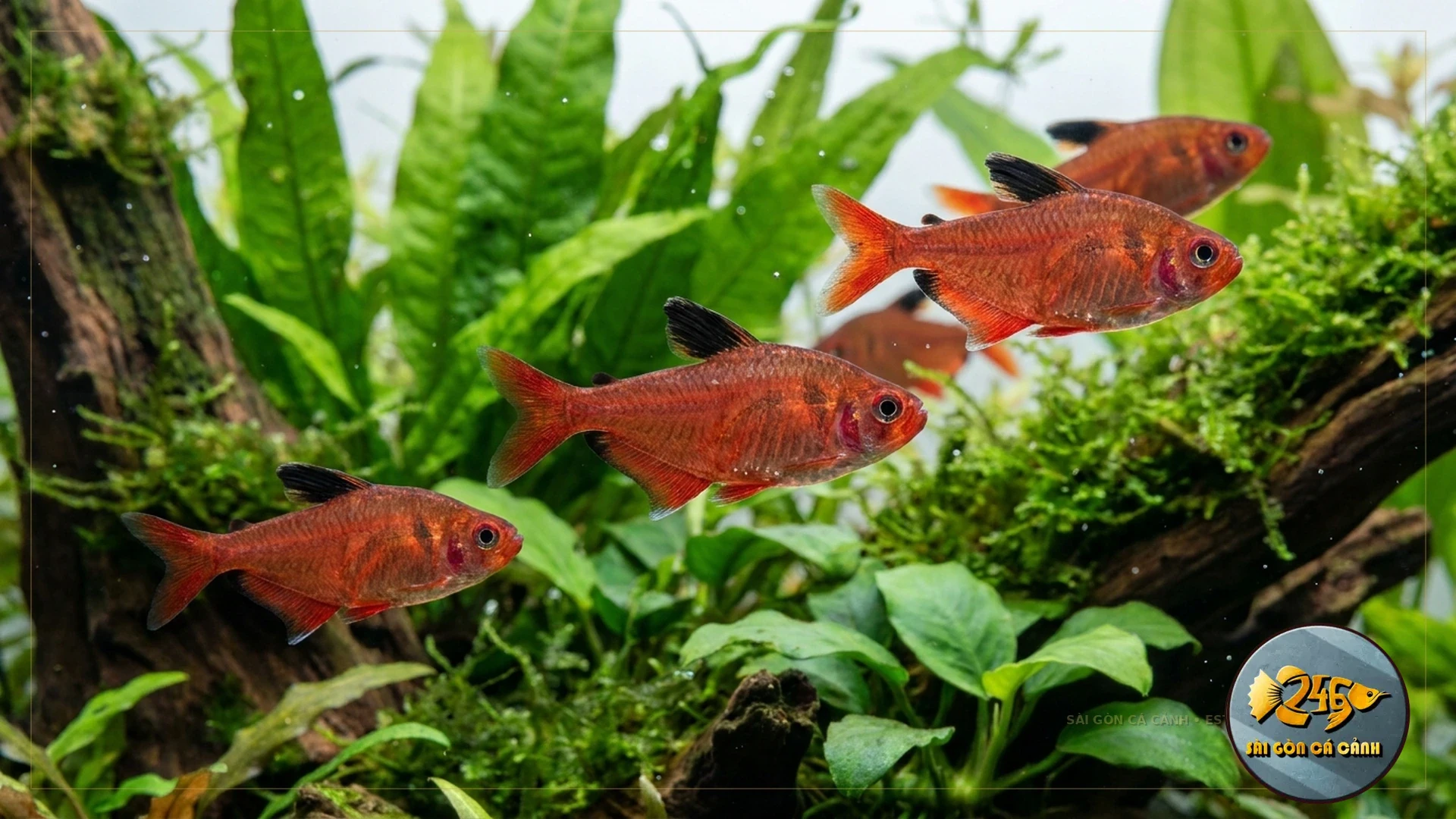
🐠 Figure 01 — Health check of Serpae Tetra in an observation tank.
01 • AGENT
Mycobacterium marinum / M. fortuitum
Identify the agent correctly before choosing a drug.
02 • SPECIES & TEMPERATURE
Serpae Tetra • 22–27°C
pH 6.2–7.2 • 3–10 dGH
03 • WATER TYPE
Freshwater
Protocols differ between freshwater and marine systems.
04 • SENSITIVITY
Test on 1–2 fish first
Tetras are sensitive to dye-based drugs; watch breathing for two hours after dosing.

1. Overview: Fish Tuberculosis (Mycobacteriosis) in Serpae Tetra

An acid-fast bacterium persisting in systems; it CAN INFECT HUMANS through hand wounds. In clinical diagnostics for Serpae Tetra (Hyphessobrycon eques) maintained at 22–27°C (pH 6.2–7.2, 3–10 dGH), early detection during the incubation window directly determines survival rates. Healthy baseline conformation: Deep blood-red body marked with a black humeral comma spot and a jet-black dorsal fin edged in crisp white.
Clinical & Water Parameter Quantitative Quarantine Standard
Target Species & TaxonomySerpae Tetra (Hyphessobrycon eques) — Group: Ornamental Fish
Thermal Range & System Type22–27°C • System: Freshwater / Planted
Recommended pH, Hardness & TDSpH 6.2–7.2 • Hardness: 3–10 dGH (KH 2–6 dKH) • TDS/Salinity: 80–200 ppm
Primary Pathogen / Clinical FocusMycobacterium marinum / M. fortuitum
Ammonia (NH3/NH4+) & Nitrite (NO2-) GateNH3 = 0.00 mg/L • NO2- = 0.00 mg/L • NO3- < 20 mg/L (Verify with liquid drop test kit)
Dissolved Oxygen (DO) in QuarantineDO >= 6.0 mg/L (Maintain vigorous 24/7 aeration to support gill respiration)
⚠️ Zoonotic warning This agent can infect people through open cuts on the hands. Always wear gloves when working in the tank and wash hands thoroughly afterwards.
Fish Tuberculosis (Mycobacteriosis) - Serpae Tetra (Hyphessobrycon eques)
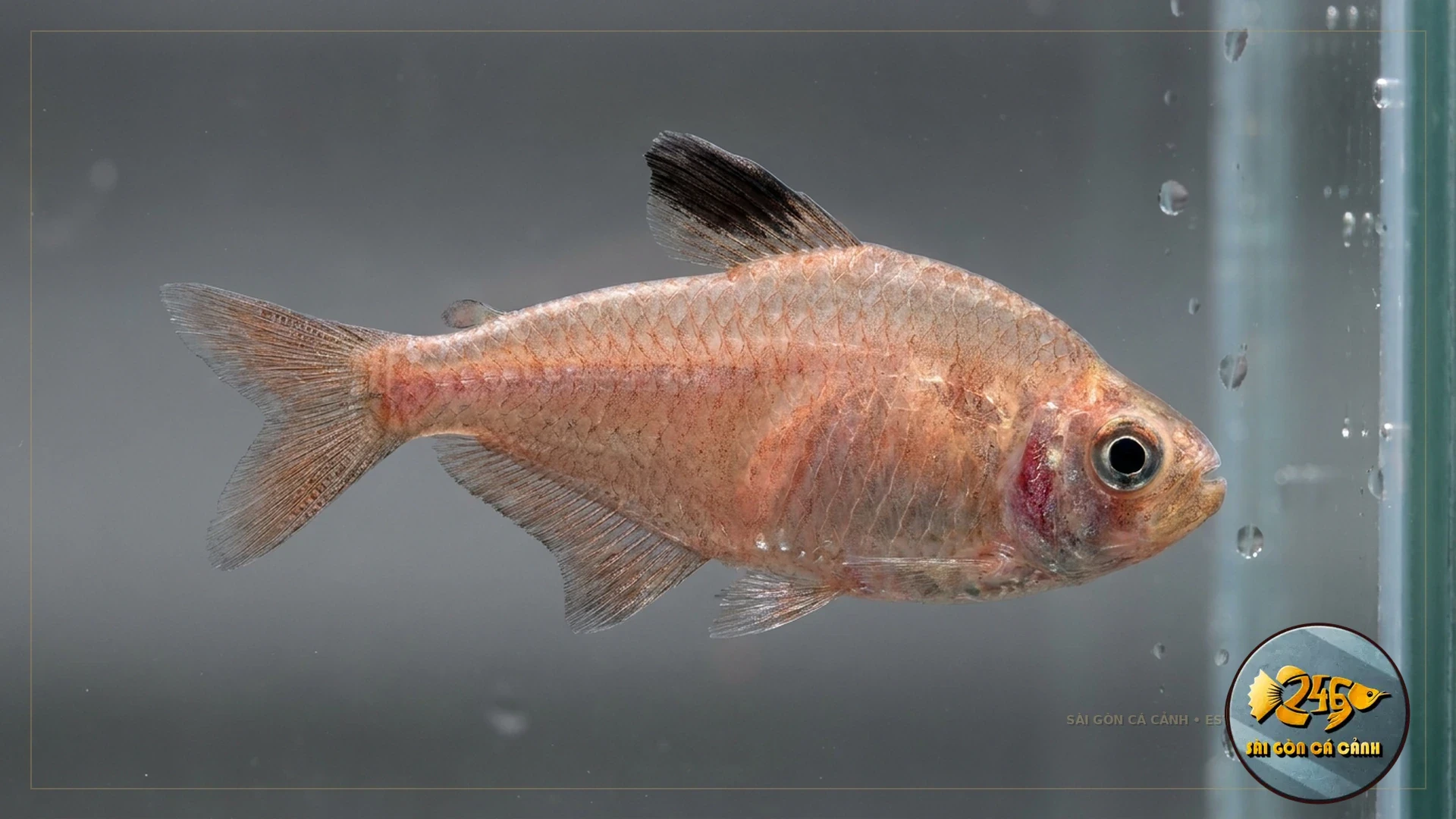
🐠 Figure 02 — Close-up: typical signs of Fish Tuberculosis (Mycobacteriosis).

2. Signs to Recognise

  • Chronic wasting and spinal curvature: Focal lesion driven by Mycobacterium marinum / M. fortuitum virulence in Serpae Tetra, warranting immediate hospital-tank isolation to prevent horizontal transmission.
  • Colour loss and raised scales: Characteristic pathological sign when Mycobacterium marinum / M. fortuitum colonises target tissues in Serpae Tetra; compare directly against the healthy conformation (Deep blood-red body marked with a black humeral comma spot and a jet-black dorsal fin edged in crisp white.).
  • Non-healing ulcers: Clinical presentation observed in Serpae Tetra as Mycobacterium marinum / M. fortuitum compromises the epidermal or branchial barrier within the 22–27°C range.
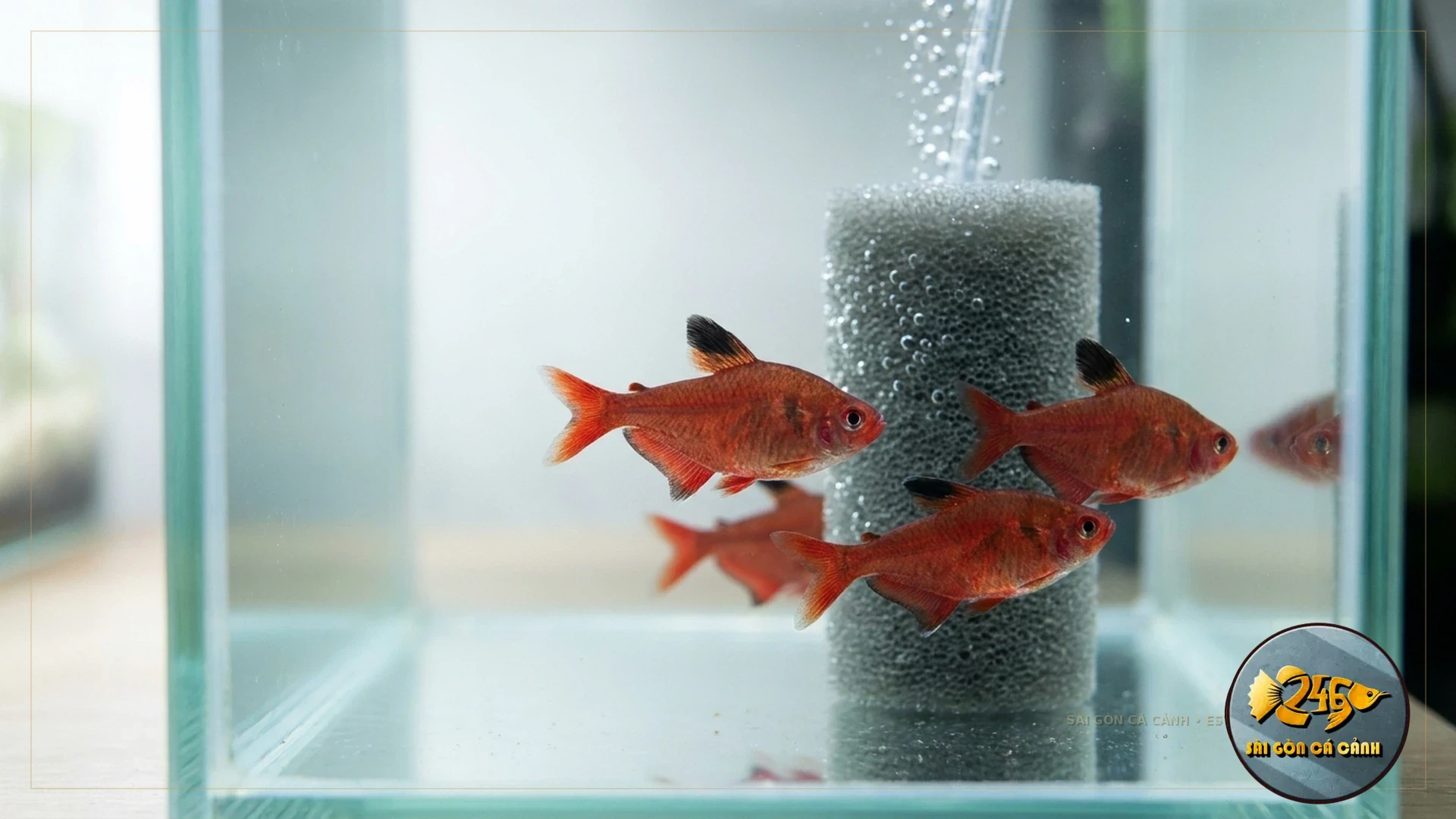
Figure 03 — Quarantine: Serpae Tetra (Hyphessobrycon eques)
🐠 Figure 03 — Quarantine: a clean hospital tank with aeration and a stable heater.

3. Diagnosis

Histopathology shows granulomas with positive Ziehl–Neelsen staining in a laboratory.

Clinical Inspection & Morphological Baseline in Serpae Tetra: Observe the specimen in an aerated inspection vessel, comparing opercular beat rate (60–80/min), corneal clarity, and fin margins against the species standard (Deep blood-red body marked with a black humeral comma spot and a jet-black dorsal fin edged in crisp white.), while confirming zero ammonia and nitrite at pH 6.2–7.2.
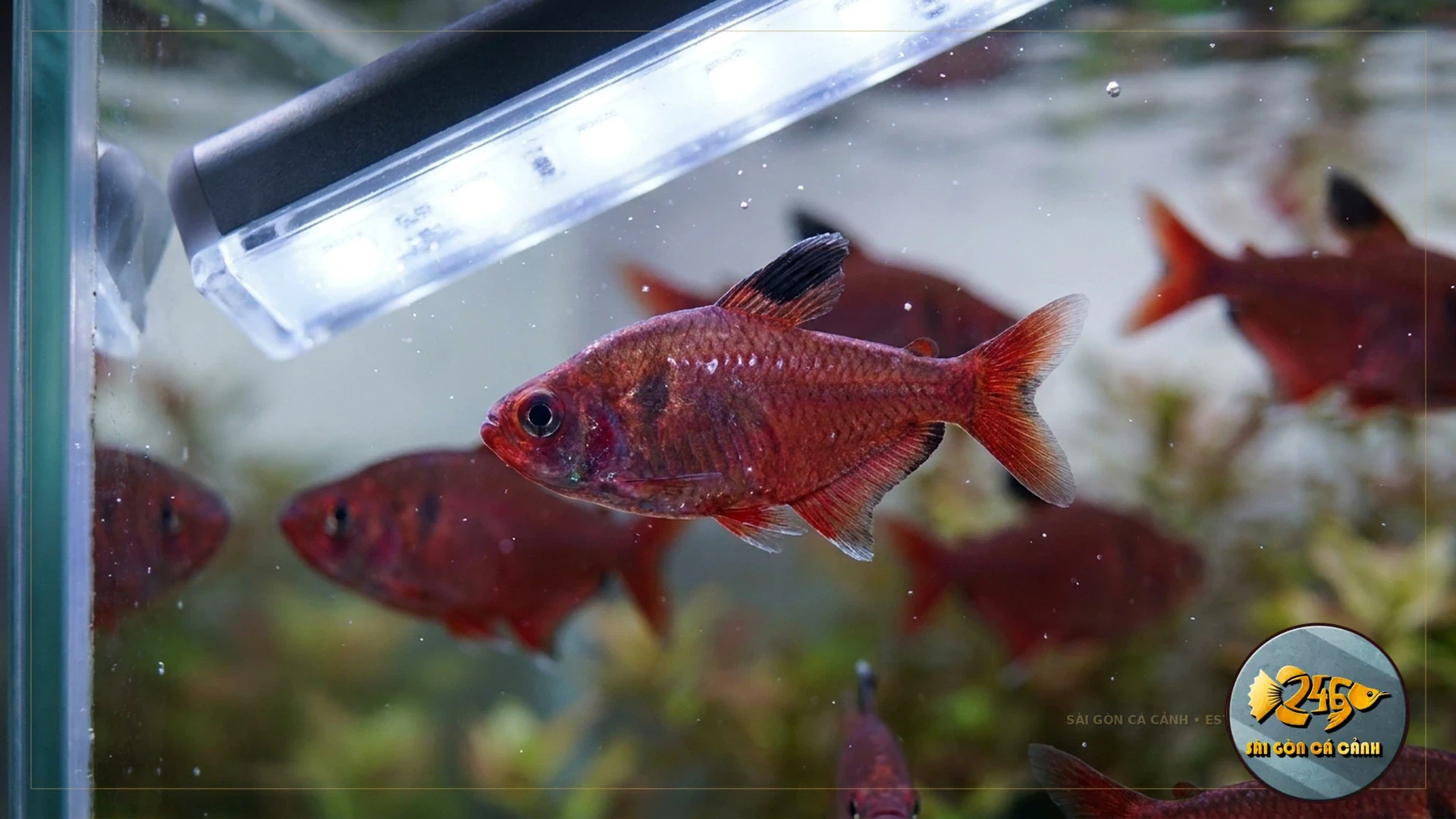
Figure 04 — Diagnosis: Serpae Tetra (Hyphessobrycon eques)
🐠 Figure 04 — Diagnosis: checking samples and water parameters before medicating.

4. Cautious Management Plan

⚠️ Important note Treatment is usually ineffective; humane euthanasia of badly affected fish, system disinfection and gloves when handling are recommended.
Hospital (quarantine) tank: Bare-bottom tank with heater and thermometer, aeration, a pre-seeded sponge filter and PVC hiding pipes; dedicated tools and hand-washing between tanks.
⚠️ Test ammonia/nitrite daily because medications can kill the biofilter.
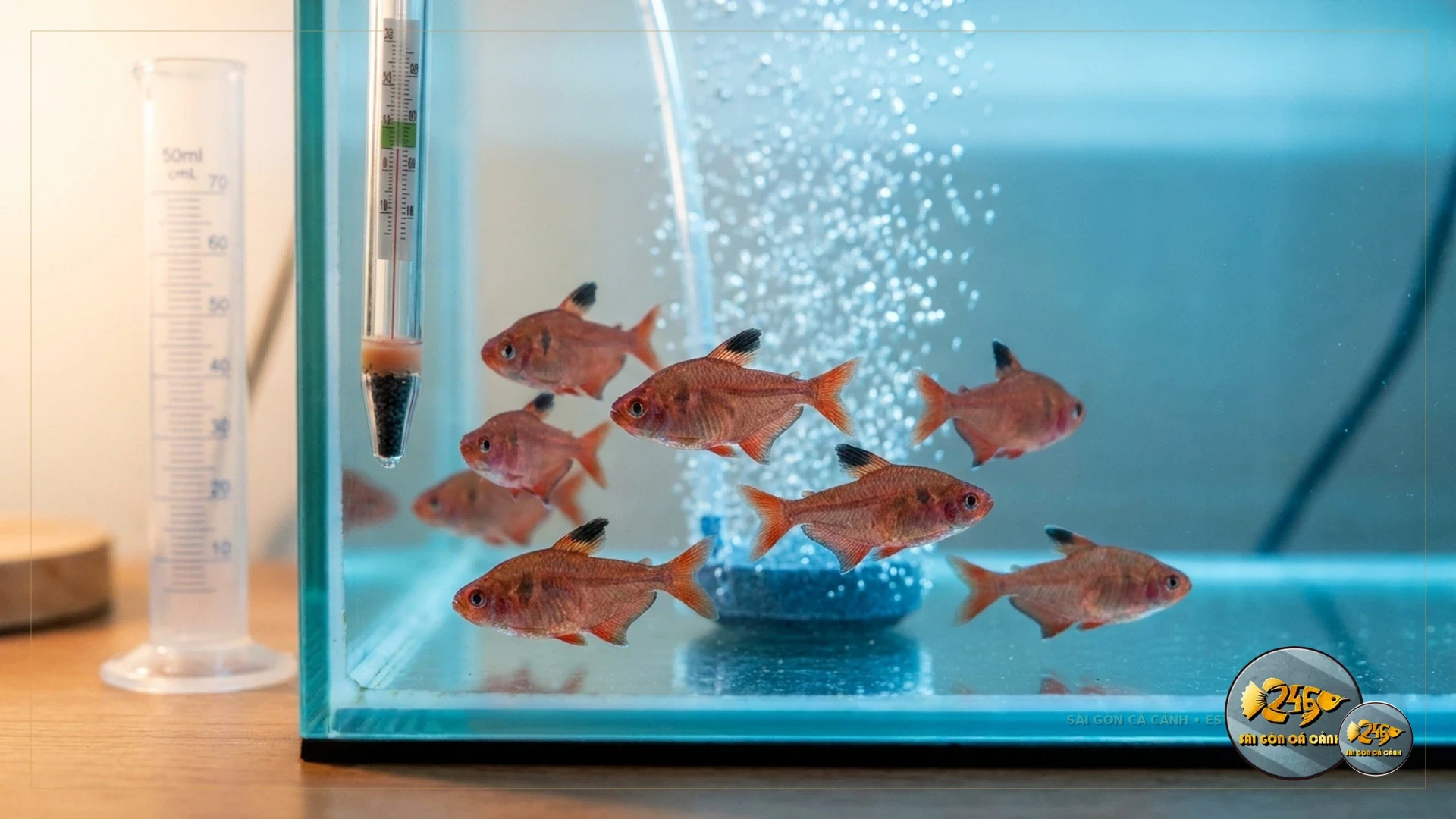
Figure 05 — Tools: Serpae Tetra (Hyphessobrycon eques)
🐠 Figure 05 — Tools: scales and graduated syringes for accurate dosing.

5. Prevention for Serpae Tetra

  • Wear gloves when hands have cuts
  • Quarantine new fish
  • Never reuse water or media from an infected tank

6. Notes Specific to Serpae Tetra

Species Physiology & Sensitivity Notes for Serpae Tetra: Tetras are sensitive to dye-based drugs; watch breathing for two hours after dosing. Healthy morphological baseline: Deep blood-red body marked with a black humeral comma spot and a jet-black dorsal fin edged in crisp white. Optimal water parameters: temperature 22–27°C, pH 6.2–7.2, hardness 3–10 dGH, TDS 80–200 ppm.
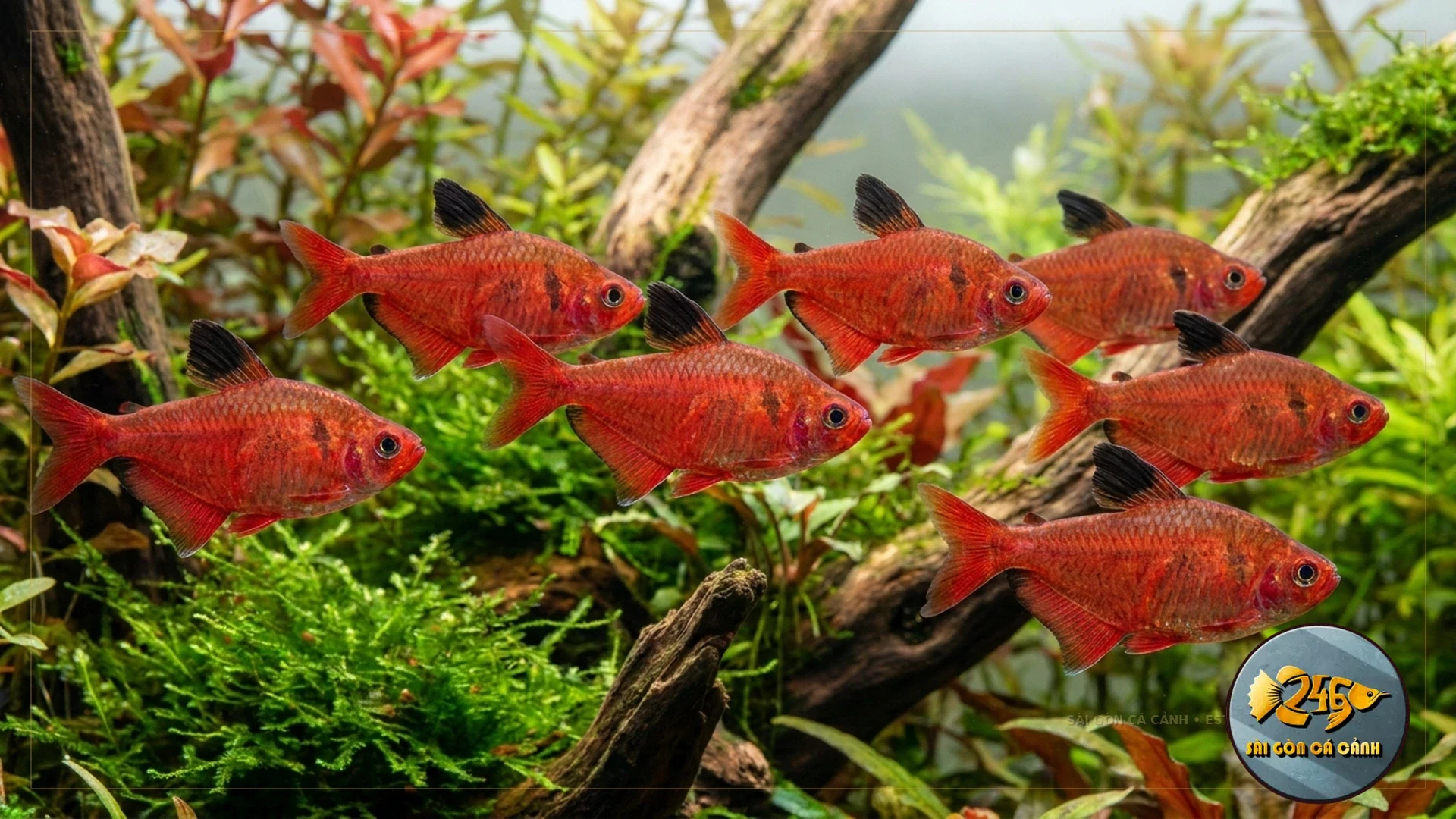
Serpae Tetra healthy
🐠 Figure 06 — Recovery: Serpae Tetra healthy again in a stable environment.

7. Medication Safety Principles

  • Test the dose on 1–2 fish first and observe for 2–4 hours before treating the group.
  • Remove activated carbon, switch off UV sterilisers and move invertebrates out of the treatment tank.
  • Do not combine several medications without professional guidance.
  • Dose by the true water volume (minus substrate, rock and wood), not the nominal tank size.
  • If there is no improvement after one course, contact an aquatic veterinarian for microscopy and sensitivity testing.
ℹ️ For reference only This content is educational and compiled from aquatic veterinary literature; it does not replace a hands-on diagnosis. Doses must be adjusted for species, size and water quality. If fish decline quickly or die in numbers, contact an aquatic veterinarian.

8. Frequently Asked Questions

❓ Can Fish Tuberculosis (Mycobacteriosis) spread to other fish in the tank?
Yes, it can. Move affected fish to a hospital tank, use dedicated nets and tools, wash hands between tanks and watch the whole group for at least 2 weeks.
❓ How long does recovery take?
It depends on severity and species; usually monitor for 7–14 days after signs resolve. Do not stop a course early or raise the dose without guidance.
❓ When should I see an aquatic vet?
When there is no improvement after one course, deaths keep occurring, or a viral/notifiable disease is suspected — microscopy, PCR or sensitivity testing are needed.

9. References

  • Noga, E. J. (2010). Fish Disease: Diagnosis and Treatment (2nd ed.). Wiley-Blackwell.
  • Wildgoose, W. H. (Ed.). (2001). BSAVA Manual of Ornamental Fish (2nd ed.). British Small Animal Veterinary Association.
  • Roberts, H. E. (Ed.). (2009). Fundamentals of Ornamental Fish Health. Wiley-Blackwell.
  • WOAH / OIE (2023). Manual of Diagnostic Tests for Aquatic Animals. World Organisation for Animal Health.
  • Yanong, R. P. E. — UF/IFAS Extension Circulars FA-7, FA-13, FA-14, FA-28 (University of Florida).
SAIGON CA CANH
Fish Disease & Treatment Library • saigoncacanh.com/shop/
CHI TIẾT LÂM SÀNG • E-E-A-T VERIFIED SGCC

Related articles

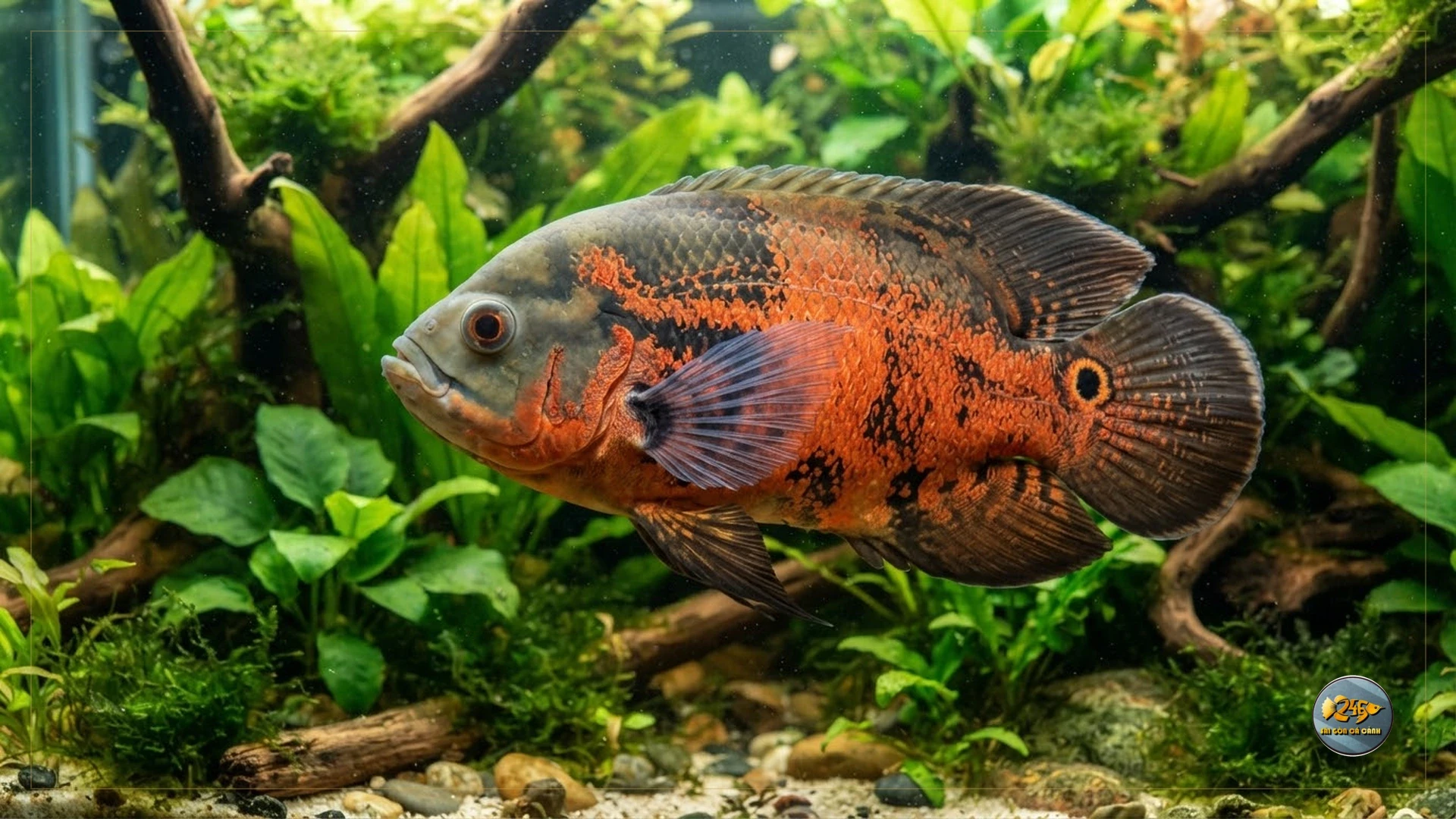
Fin and Tail Rot in Oscar: Early Signs

English

Fin and Tail Rot in Oscar (Astronotus ocellatus): signs, causes, diagnosis and a conservative management plan based on aquatic veterinary references.…

Preventing Fish Tuberculosis in Betta

English

Fish Tuberculosis (Mycobacteriosis) in Betta (Betta splendens): signs, causes, diagnosis and a conservative management plan based on aquatic veterinary references.…

Preventing Fin and Tail Rot in Ranchu Goldfish

English

Fin and Tail Rot in Ranchu Goldfish (Carassius auratus): signs, causes, diagnosis and a conservative management plan based on aquatic veterinary references.…

Managing Fish Tuberculosis in Yellow Tang

English

Fish Tuberculosis (Mycobacteriosis) in Yellow Tang (Zebrasoma flavescens): signs, causes, diagnosis and a conservative management plan based on aquatic...…