A practical guide to Dropsy in Dwarf Gourami: Early Signs for Dwarf Gourami (Trichogaster lalius): recognising signs, diagnosis and cautious management steps with safety warnings for ornamental fish keepers.
1. Overview: Dropsy (Pinecone Scales) in Dwarf Gourami
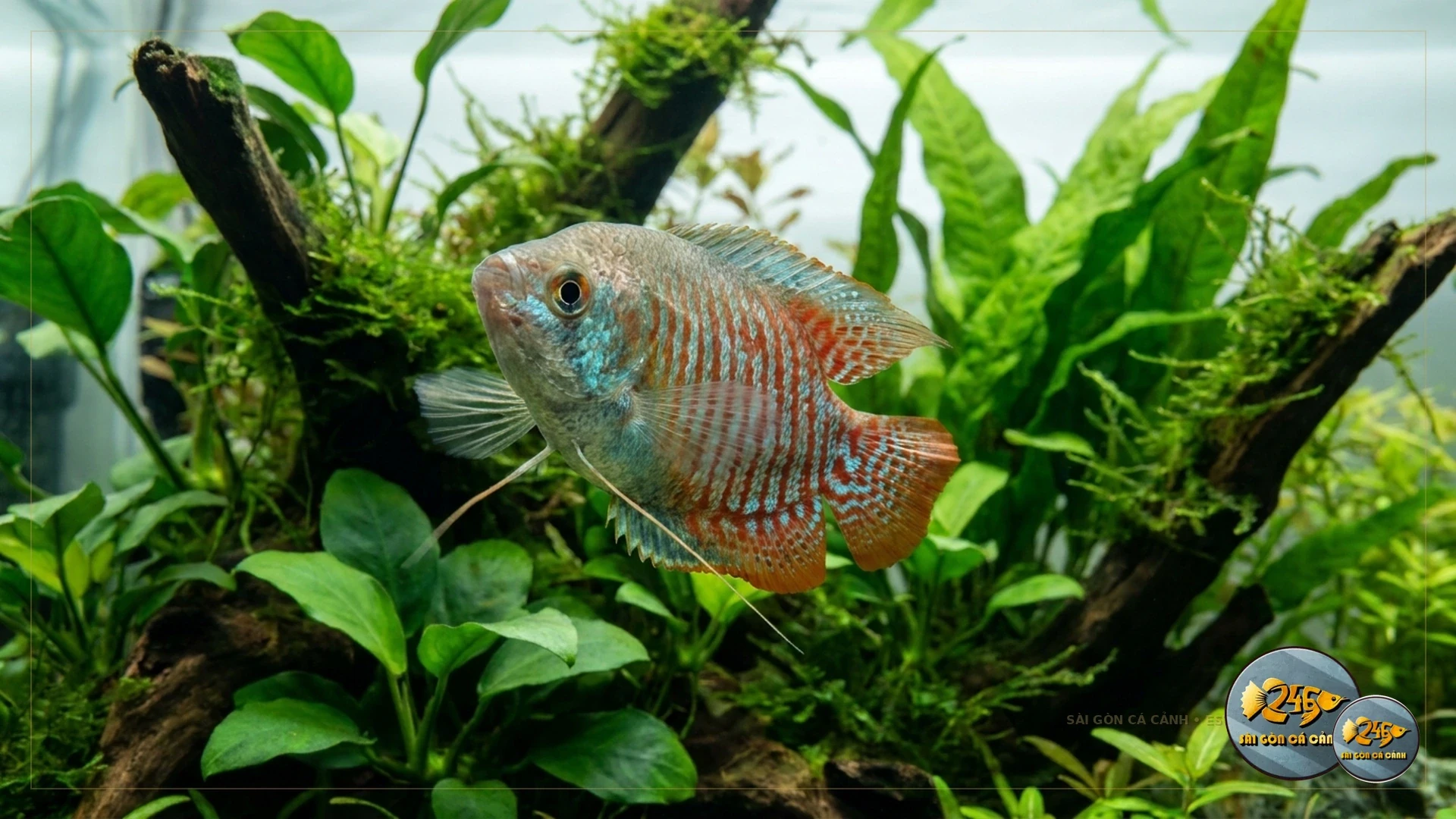
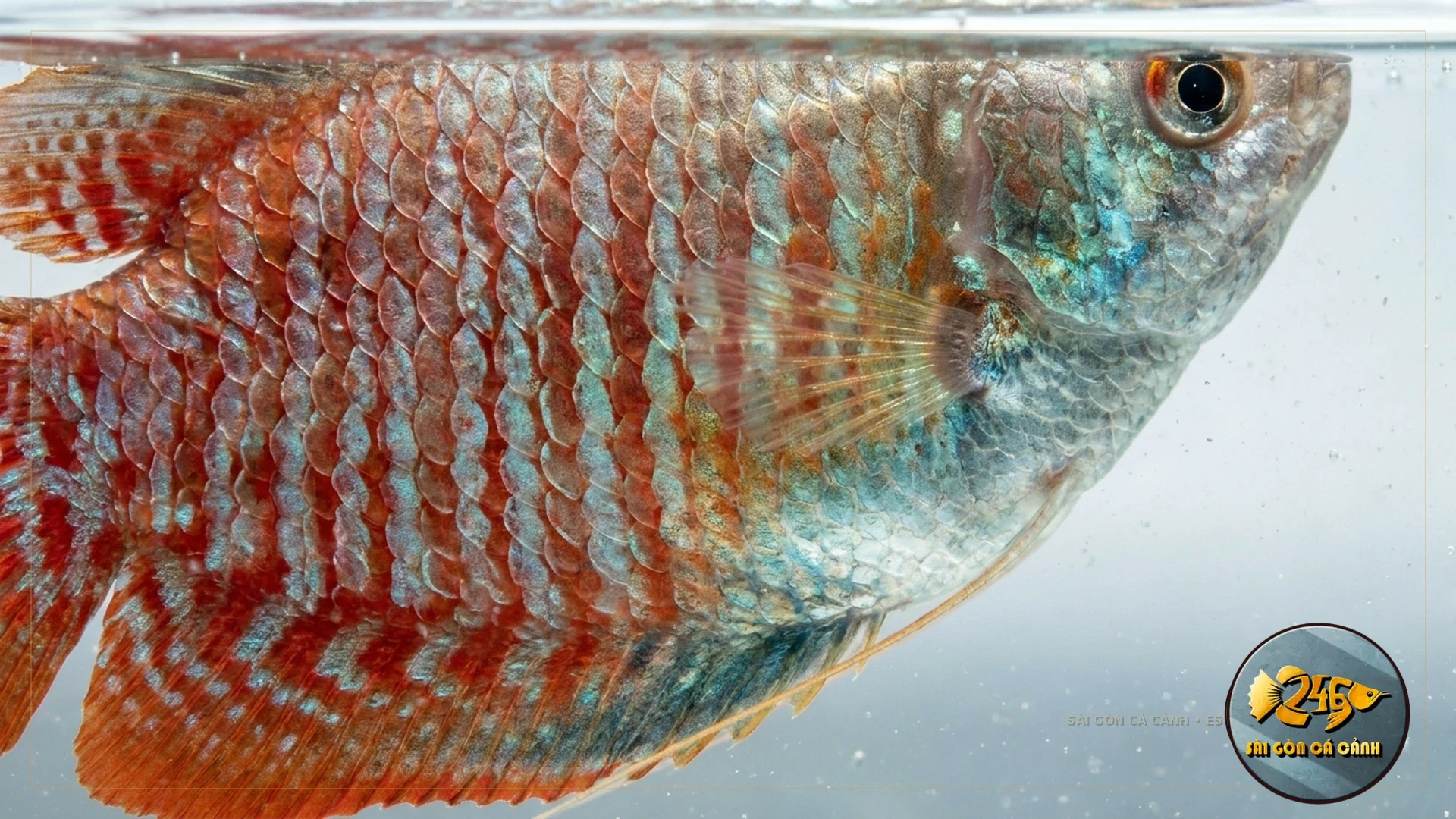
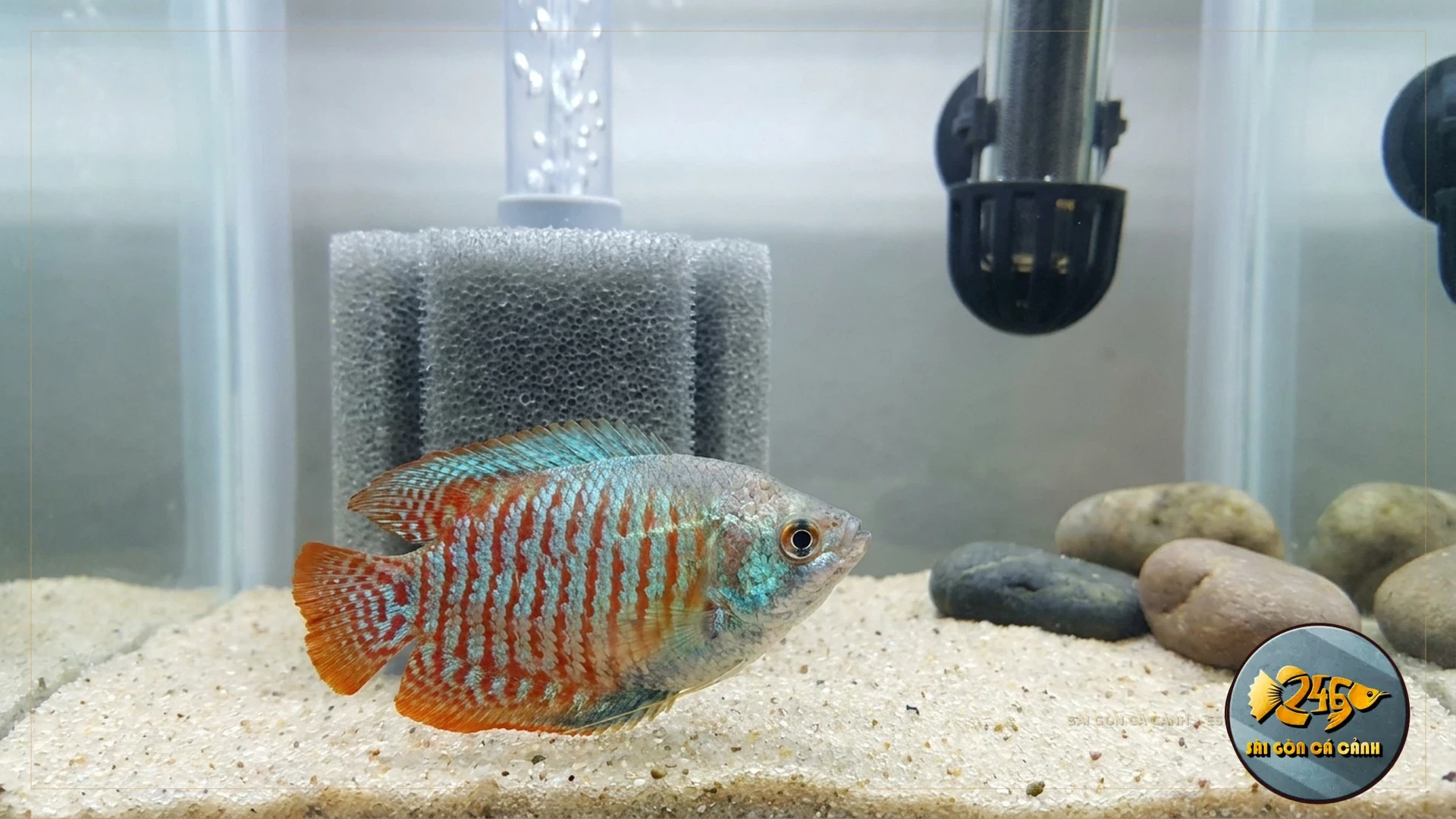
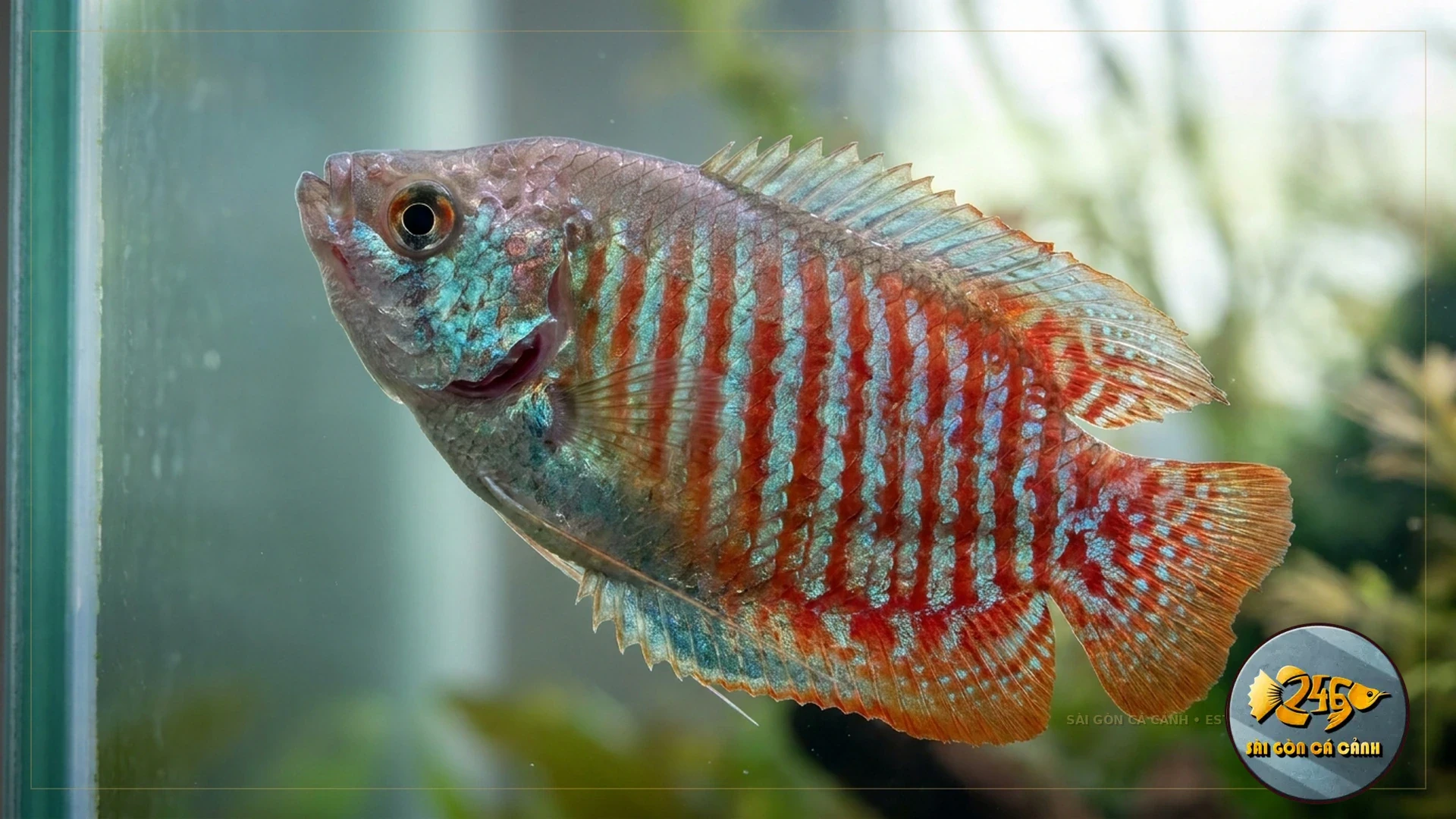
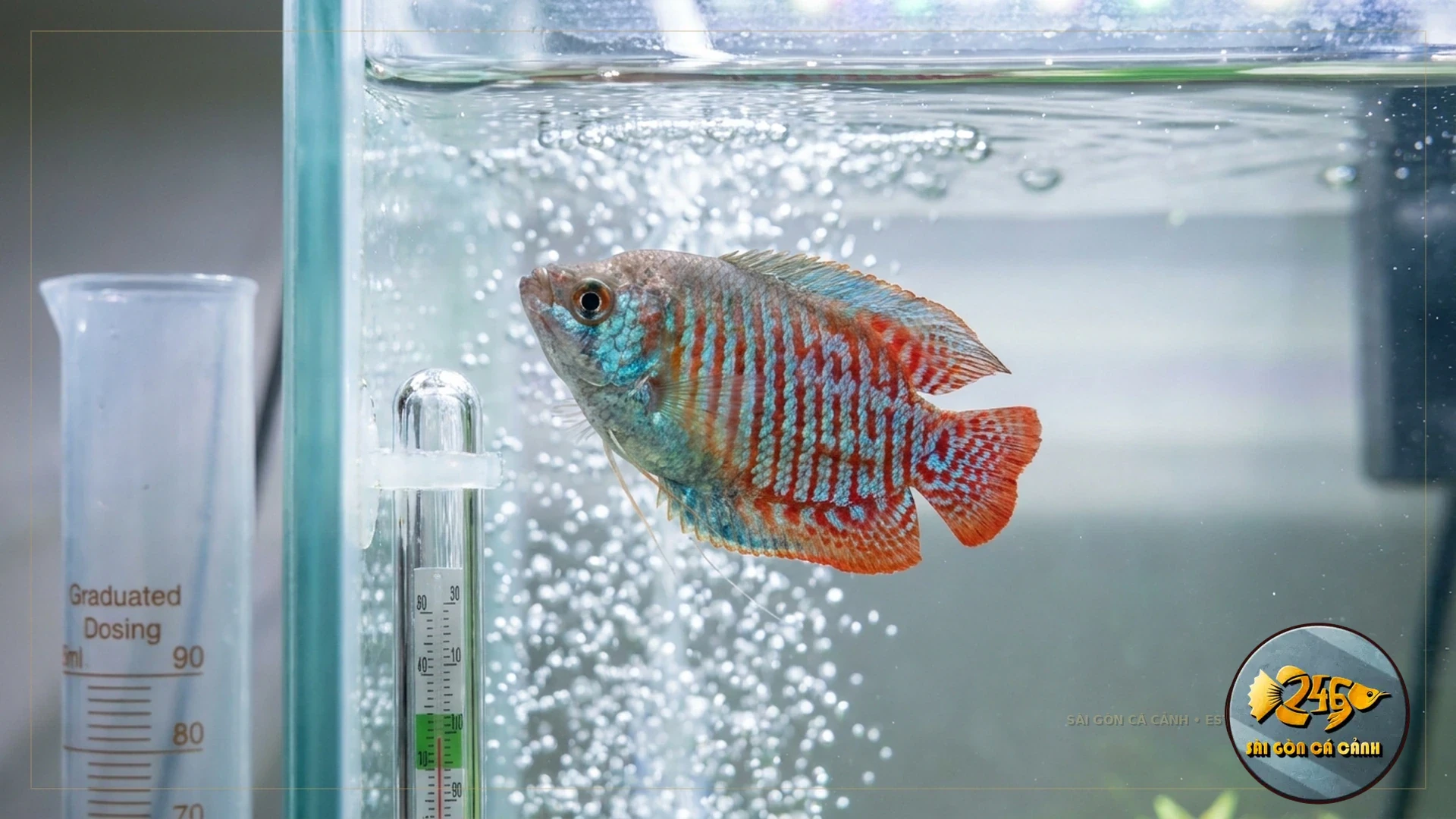
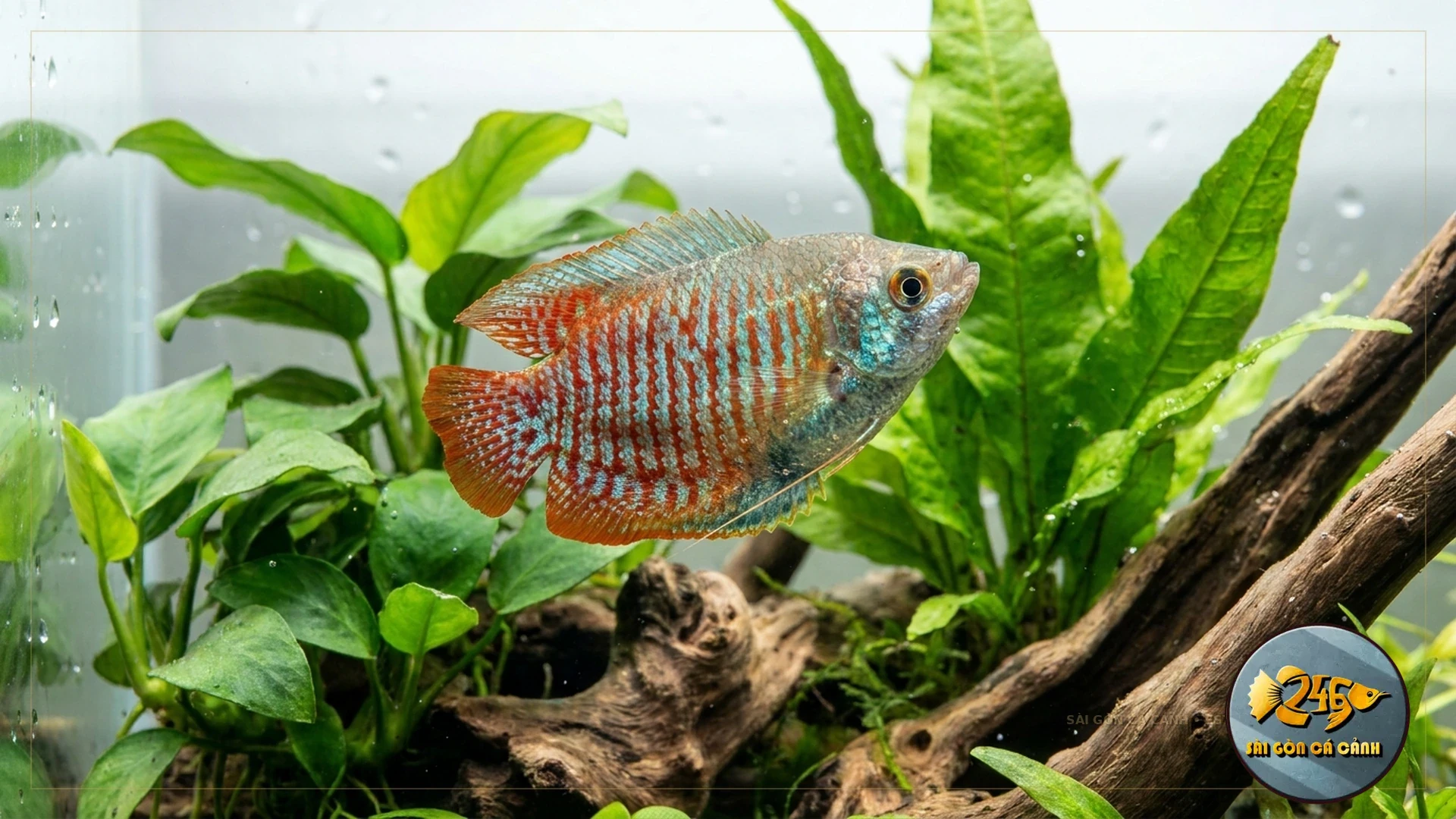
A sign of kidney failure and fluid retention, usually from systemic bacterial infection or chronic disease; guarded prognosis. In clinical diagnostics for Dwarf Gourami (Trichogaster lalius) maintained at 25–28°C (pH 6.5–7.5, 4–10 dGH), early detection during the incubation window directly determines survival rates. Healthy baseline conformation: Oval laterally compressed body with vibrant alternating crimson and turquoise vertical bars and long mobile thread-like pelvic feelers.
2. Signs to Recognise
- Swollen belly with pinecone scales: Characteristic pathological sign when Hội chứng / syndrome (thường do nhiễm khuẩn hệ thống) colonises target tissues in Dwarf Gourami; compare directly against the healthy conformation (Oval laterally compressed body with vibrant alternating crimson and turquoise vertical bars and long mobile thread-like pelvic feelers.).
- Popeye: Clinical presentation observed in Dwarf Gourami as Hội chứng / syndrome (thường do nhiễm khuẩn hệ thống) compromises the epidermal or branchial barrier within the 25–28°C range.
- Lethargy and appetite loss: Early warning indicator under 45-degree angled inspection for Dwarf Gourami (Trichogaster lalius); distinguish carefully from normal baseline behaviour (Inspect the abdomen and fin bases closely: strictly reject any fish with mild abdominal swelling, dark patches, or small nodules (early signs of DGIV Iridovirus).).
3. Diagnosis
Clinically obvious; necropsy or culture is needed to find the underlying cause.
Differential Workup in Quarantine (25–28°C, pH 6.5–7.5): Review recent water changes, live food sources, and stock introductions over the past 14 days alongside TDS 100–220 ppm and hardness 4–10 dGH before initiating targeted therapy against Hội chứng / syndrome (thường do nhiễm khuẩn hệ thống) in Dwarf Gourami (Trichogaster lalius).
4. Cautious Management Plan
⚠️ Test ammonia/nitrite daily because medications can kill the biofilter.
⚠️ Catfish, loaches, Corydoras and live plants tolerate salt poorly: do not exceed 1 g/L. Salt does not evaporate — it only leaves through water changes.
⚠️ Luôn tham vấn chuyên gia thú y thủy sản trước khi can thiệp hóa chất vào môi trường sống của cá.
5. Prevention for Dwarf Gourami
- Stable clean water
- Quality, fresh food
- Isolate fish at the first sign
6. Notes Specific to Dwarf Gourami
Species Physiology & Sensitivity Notes for Dwarf Gourami: Mass-imported stock has a high carrier rate of viral disease — quarantine for at least 4 weeks. Healthy morphological baseline: Oval laterally compressed body with vibrant alternating crimson and turquoise vertical bars and long mobile thread-like pelvic feelers. Optimal water parameters: temperature 25–28°C, pH 6.5–7.5, hardness 4–10 dGH, TDS 100–220 ppm.
7. Medication Safety Principles
- Test the dose on 1–2 fish first and observe for 2–4 hours before treating the group.
- Remove activated carbon, switch off UV sterilisers and move invertebrates out of the treatment tank.
- Do not combine several medications without professional guidance.
- Dose by the true water volume (minus substrate, rock and wood), not the nominal tank size.
- If there is no improvement after one course, contact an aquatic veterinarian for microscopy and sensitivity testing.
8. Frequently Asked Questions
Yes, it can. Move affected fish to a hospital tank, use dedicated nets and tools, wash hands between tanks and watch the whole group for at least 2 weeks.
It depends on severity and species; usually monitor for 7–14 days after signs resolve. Do not stop a course early or raise the dose without guidance.
When there is no improvement after one course, deaths keep occurring, or a viral/notifiable disease is suspected — microscopy, PCR or sensitivity testing are needed.
9. References
- Noga, E. J. (2010). Fish Disease: Diagnosis and Treatment (2nd ed.). Wiley-Blackwell.
- Wildgoose, W. H. (Ed.). (2001). BSAVA Manual of Ornamental Fish (2nd ed.). British Small Animal Veterinary Association.
- Roberts, H. E. (Ed.). (2009). Fundamentals of Ornamental Fish Health. Wiley-Blackwell.
- WOAH / OIE (2023). Manual of Diagnostic Tests for Aquatic Animals. World Organisation for Animal Health.
- Yanong, R. P. E. — UF/IFAS Extension Circulars FA-7, FA-13, FA-14, FA-28 (University of Florida).