A clinical practice guide to Deworming With Levamisole for Freshwater Angelfish: Dose & Method tailored to Freshwater Angelfish (Pterophyllum scalare): morphological standards, step-by-step protocol (1–2–3–4–5), quantitative quarantine parameters, and biosecurity safeguards.
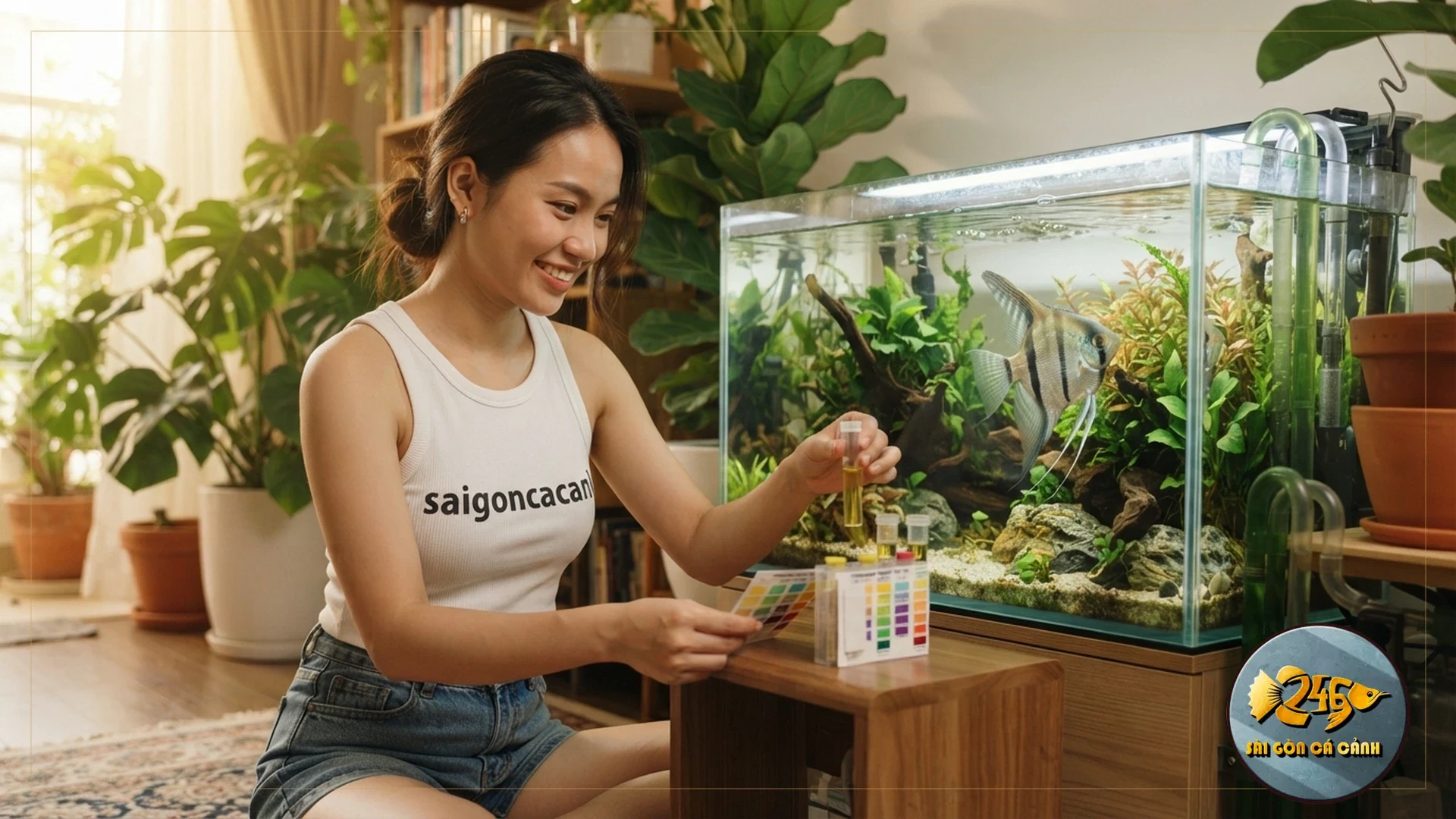
1. Clinical Purpose & Scientific Basis: Deworming With Levamisole for Freshwater Angelfish
Medicines and herbal remedies need advice from a vet or doctor for the right product and dose.
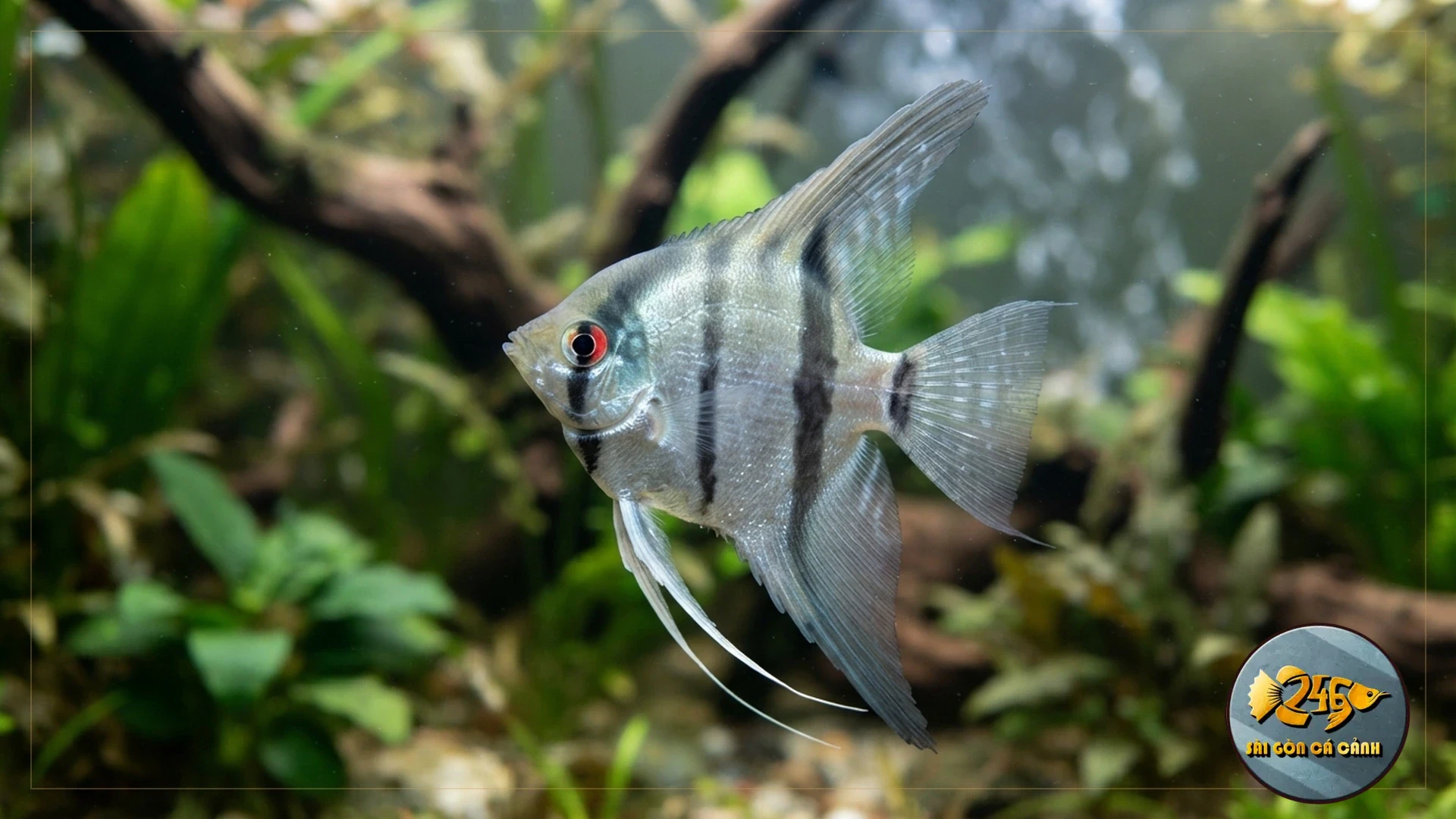
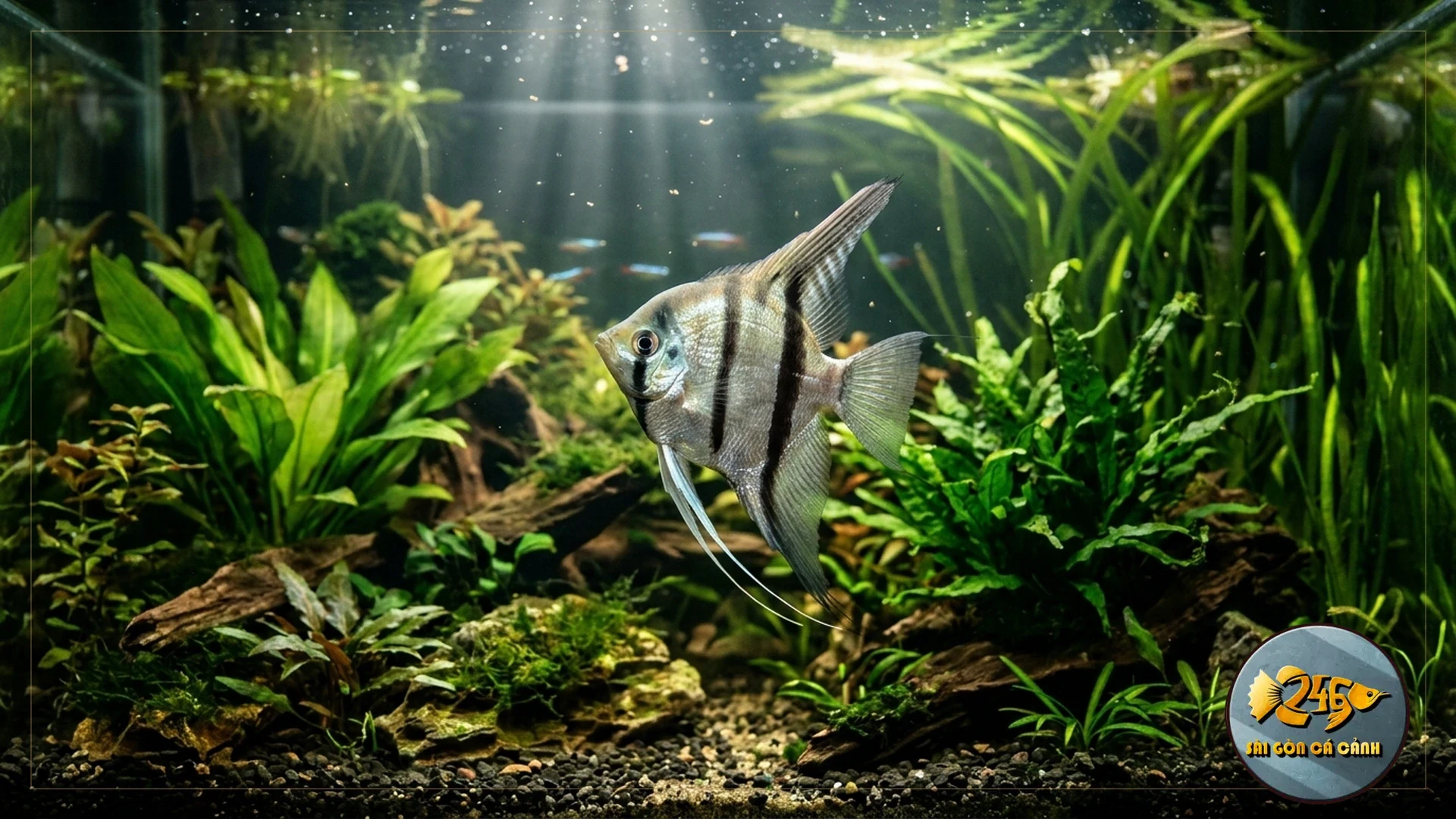
Species conformation and physiological notes for Freshwater Angelfish: Round laterally compressed body with tall, straight dorsal and anal fins forming a symmetrical triangle and long unbent pelvic filaments. Tall fins tear easily when netted; move fish with a container or bag.
2. Step-by-Step Clinical Protocol for Freshwater Angelfish
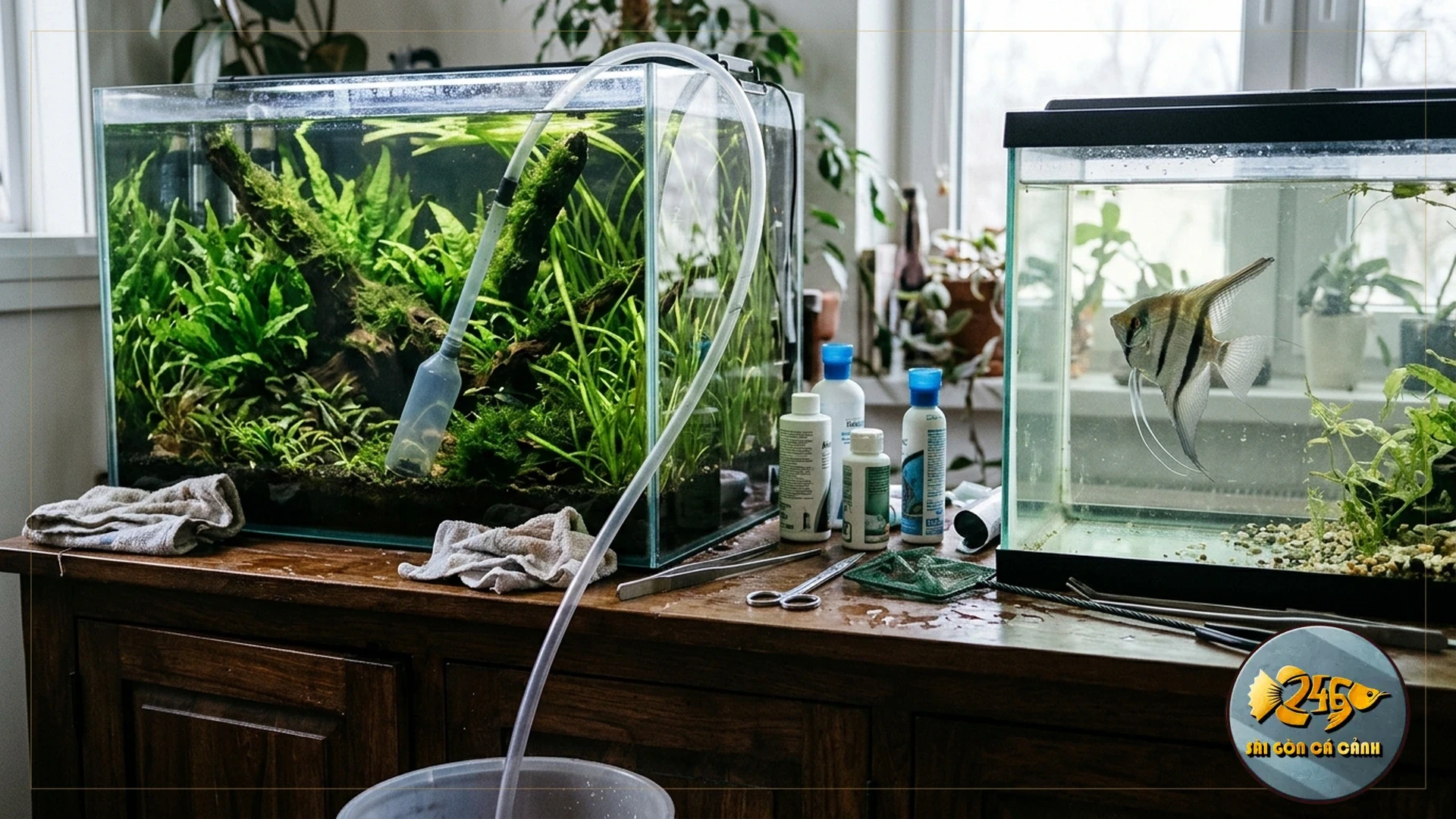
- Step 01 — Bath for 24 hours: Measure baseline water parameters for Freshwater Angelfish (Pterophyllum scalare) (target temperature 26–29°C, freshwater (6.5–7.4, hardness 4–10 dGH, TDS 110–240 ppm)) and calculate true net water volume prior to action.
- Step 02 — Change 50% and vacuum: Execute the procedure using calibrated veterinary measurements while maintaining dissolved oxygen DO >= 6.0 mg/L continuously.
- Step 03 — Repeat after 3 weeks: Monitor opercular ventilation rate, swimming equilibrium, and skin colouration of Freshwater Angelfish closely during the first 30–120 minutes.
- Step 04 — Treat the whole tank: Log all parameters, verify NH3 = 0.00 mg/L and NO2- = 0.00 mg/L, and perform temperature-matched dechlorinated water changes as scheduled.
3. Quantitative Dosing, Quarantine Setup & Safety Warnings
Below are the quantitative standards and hospital tank parameters tailored to Freshwater Angelfish (Pterophyllum scalare):
⚠️ Luôn tham vấn chuyên gia thú y thủy sản trước khi can thiệp hóa chất vào môi trường sống của cá.
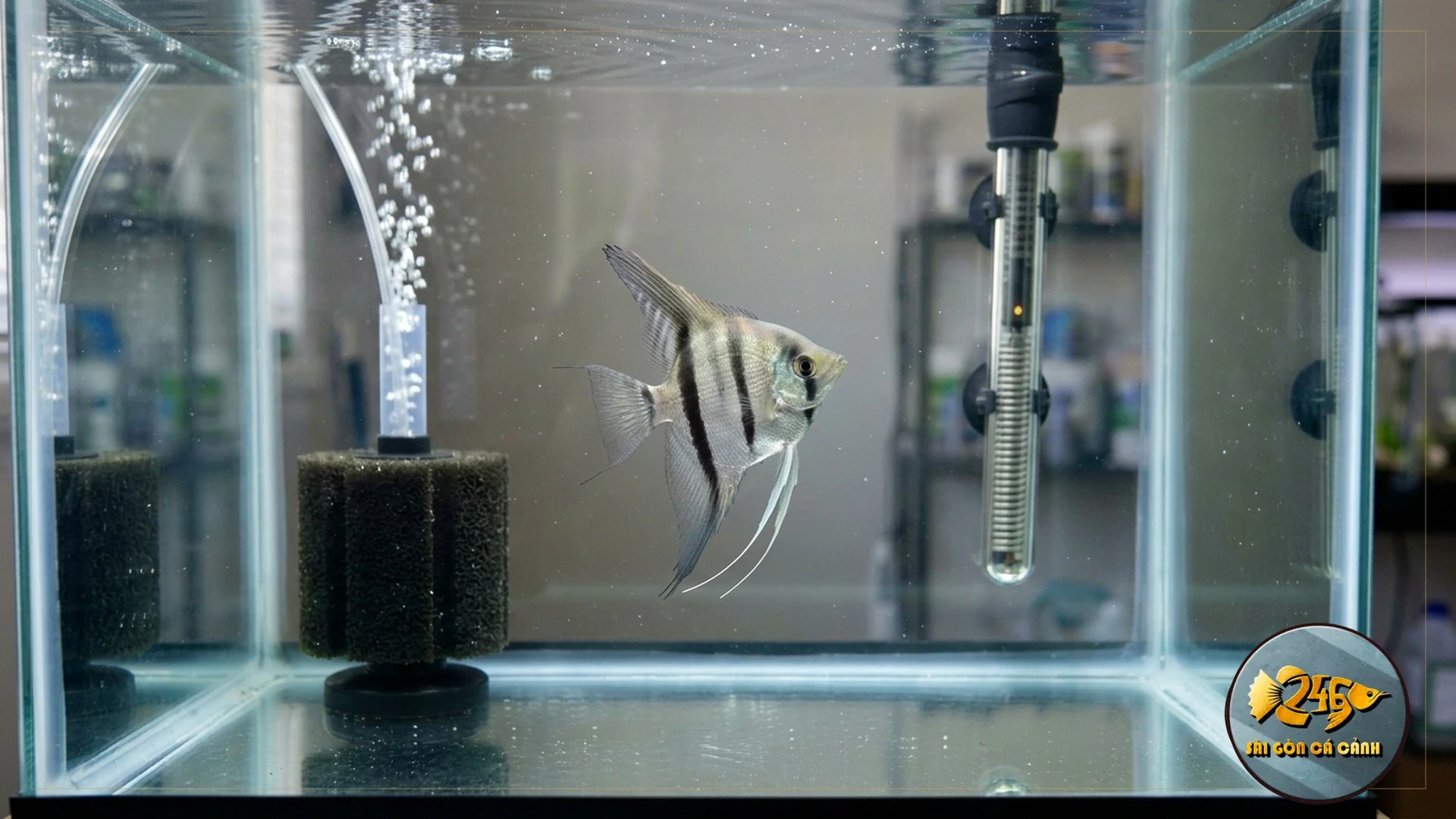
4. Positive Response Indicators & Monitoring Gates in Freshwater Angelfish
- Normal physiological baseline: Select fish that hold their dorsal fin fully erect while swimming and feed eagerly without lip erosion or cloudy fin margins.
- Immediate stop-and-dilute signs: Surface gasping (> 100 opercular beats/min), listing on the bottom, erratic dashing, or heavy mucoid sloughing.
- Nitrogen & Oxygen gate: Maintain NH3 = 0.00 mg/L, NO2- = 0.00 mg/L, and DO >= 6.0 mg/L throughout the procedure.
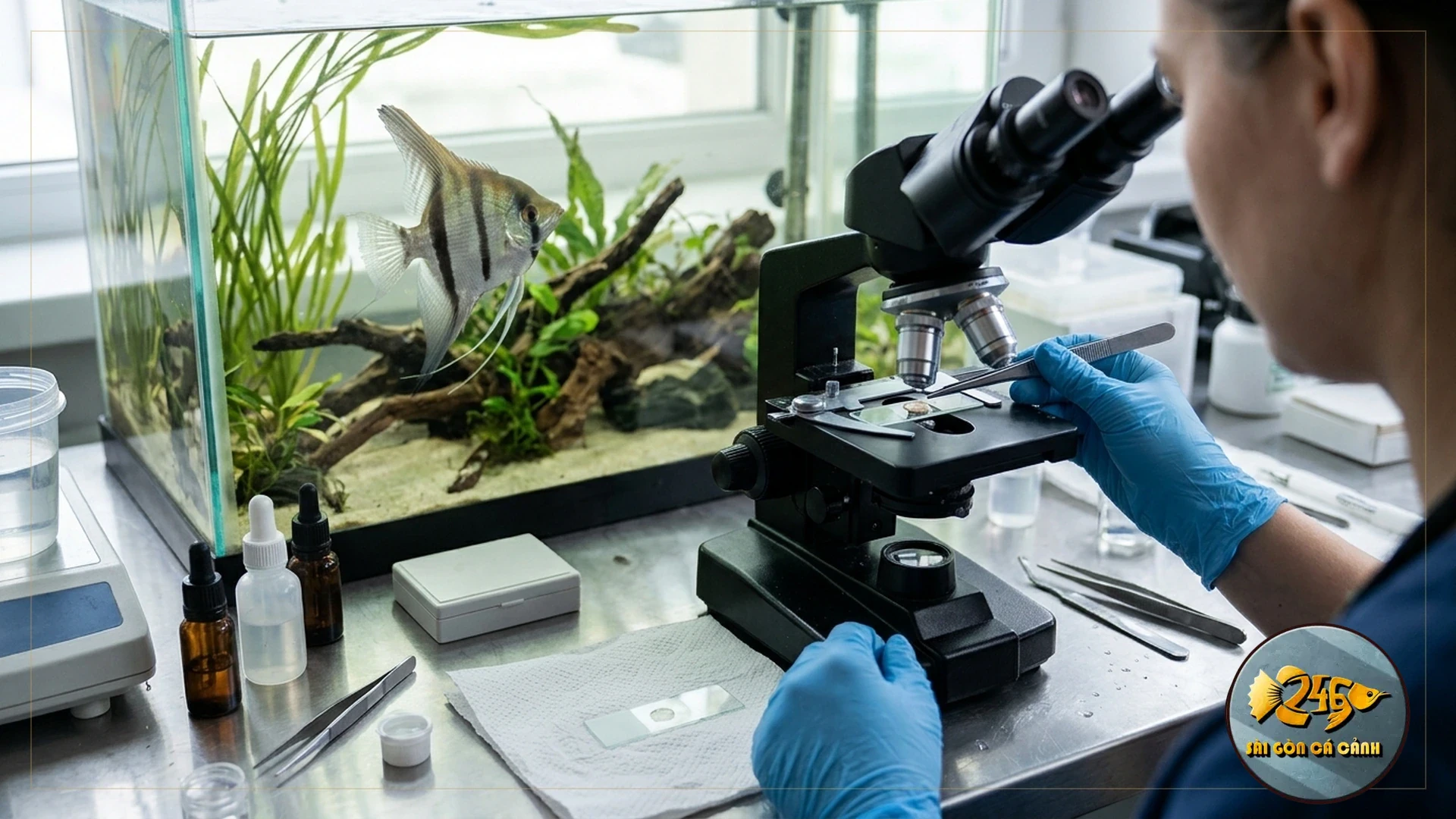
5. Biofilter Restoration & Post-Procedure Stabilisation for Freshwater Angelfish
- Perform a 30–50% water change using dechlorinated water matched in temperature (26–29°C, within 1°C) and pH (6.5–7.4).
- Re-seed nitrifying bacteria (Nitrosomonas & Nitrobacter) to restore biological filtration capacity.
- Monitor feeding response and colouration of Freshwater Angelfish for 7–14 days following completion.
6. Notes Specific to Freshwater Angelfish
Species Physiology & Sensitivity Notes for Freshwater Angelfish: Tall fins tear easily when netted; move fish with a container or bag. Healthy morphological baseline: Round laterally compressed body with tall, straight dorsal and anal fins forming a symmetrical triangle and long unbent pelvic filaments. Optimal water parameters: temperature 26–29°C, pH 6.5–7.4, hardness 4–10 dGH, TDS 110–240 ppm.
7. Medication Safety Principles
- Test the dose on 1–2 fish first and observe for 2–4 hours before treating the group.
- Remove activated carbon, switch off UV sterilisers and move invertebrates out of the treatment tank.
- Do not combine several medications without professional guidance.
- Dose by the true water volume (minus substrate, rock and wood), not the nominal tank size.
- If there is no improvement after one course, contact an aquatic veterinarian for microscopy and sensitivity testing.
8. Frequently Asked Questions
⚠️ Luôn tham vấn chuyên gia thú y thủy sản trước khi can thiệp hóa chất vào môi trường sống của cá.
Monitor gill ventilation closely during the first 2–4 hours and continue daily observation for 7–14 days to confirm strong appetite and stable biofiltration.
Stop immediately and perform a 30–50% temperature-matched dechlorinated water change if Freshwater Angelfish gasps at the surface, lists on the bottom, or fails to improve after one standard course.
9. References
- Noga, E. J. (2010). Fish Disease: Diagnosis and Treatment (2nd ed.). Wiley-Blackwell.
- Wildgoose, W. H. (Ed.). (2001). BSAVA Manual of Ornamental Fish (2nd ed.). British Small Animal Veterinary Association.
- Roberts, H. E. (Ed.). (2009). Fundamentals of Ornamental Fish Health. Wiley-Blackwell.
- WOAH / OIE (2023). Manual of Diagnostic Tests for Aquatic Animals. World Organisation for Animal Health.
- Yanong, R. P. E. — UF/IFAS Extension Circulars FA-7, FA-13, FA-14, FA-28 (University of Florida).