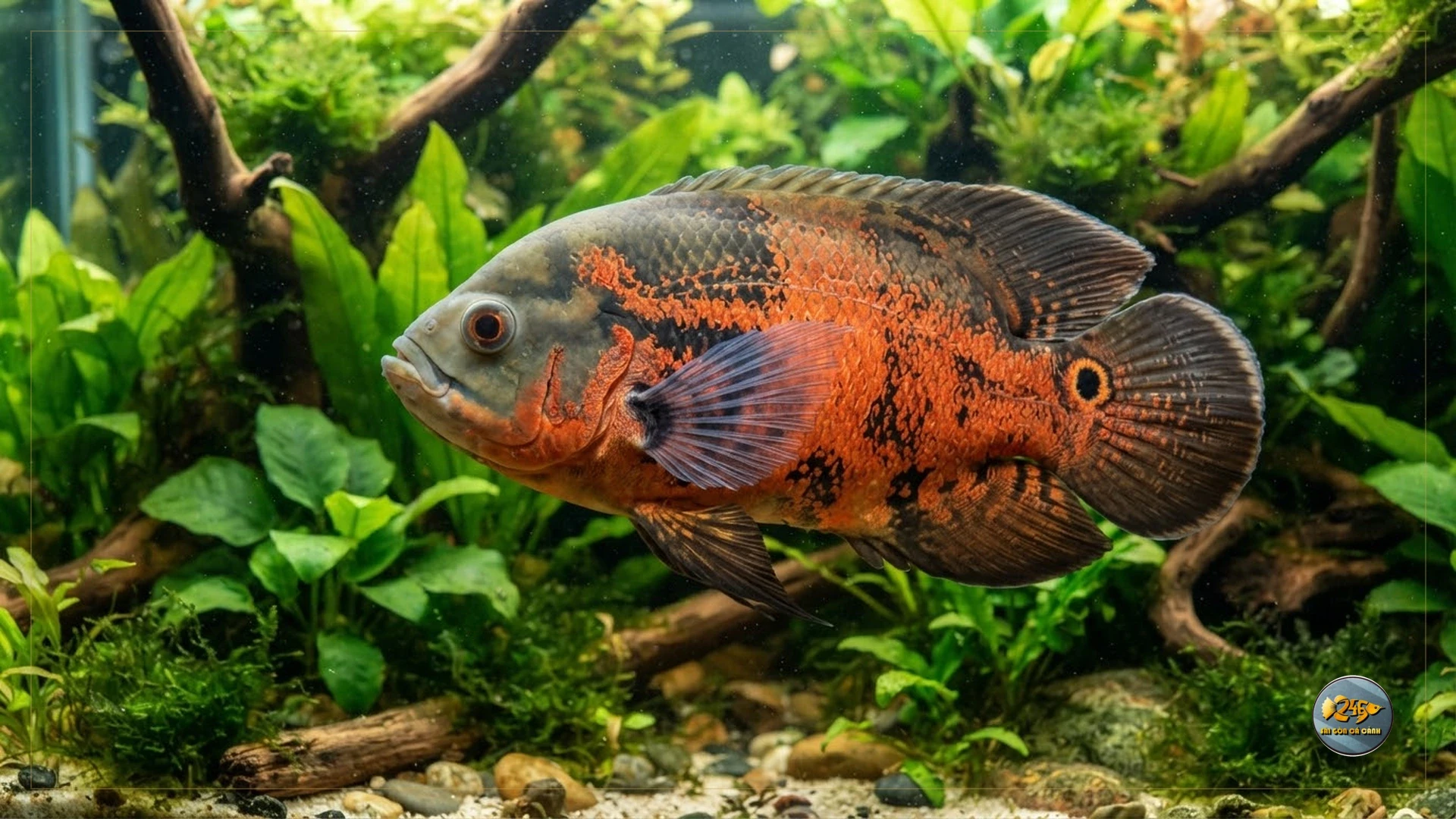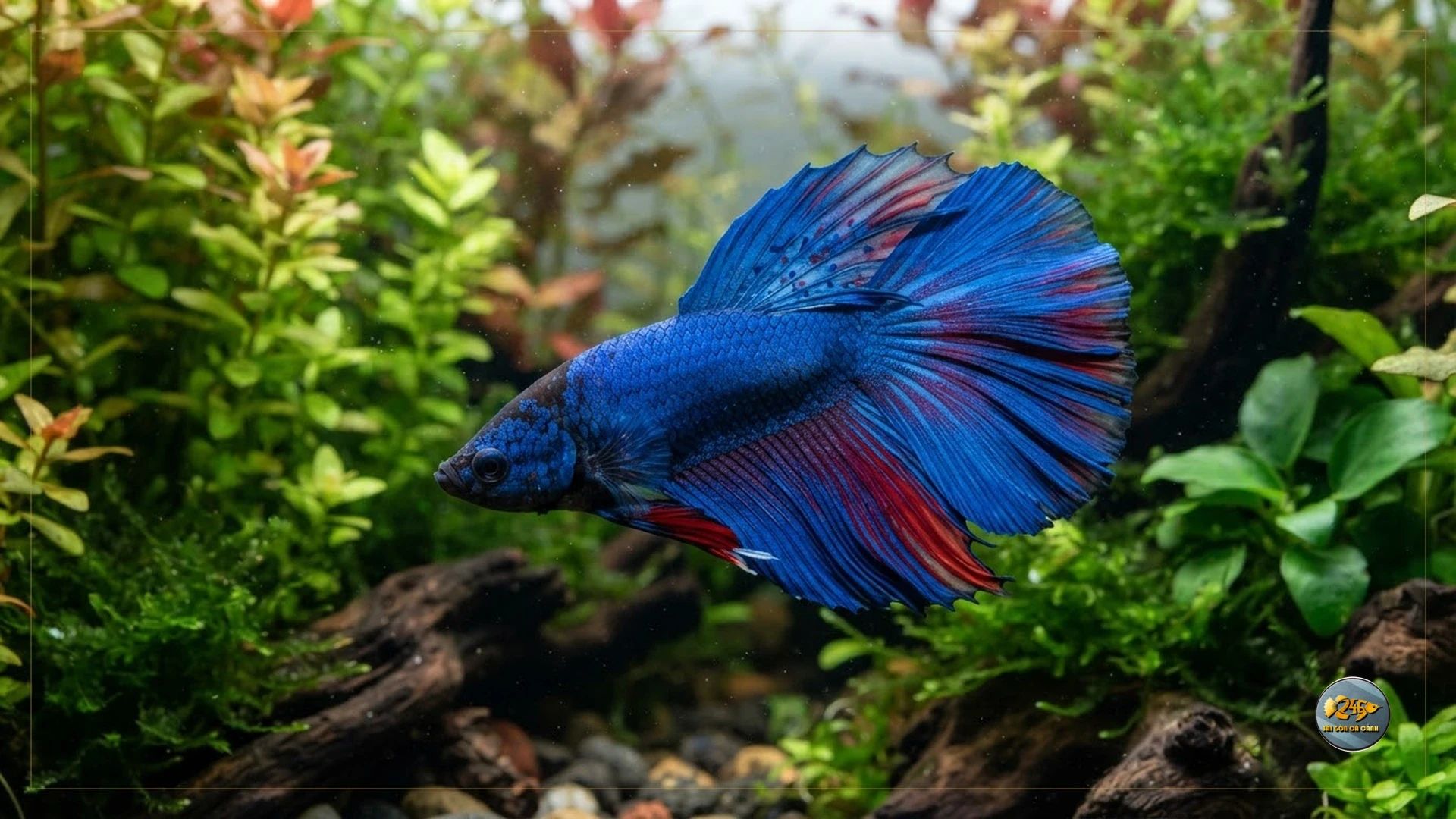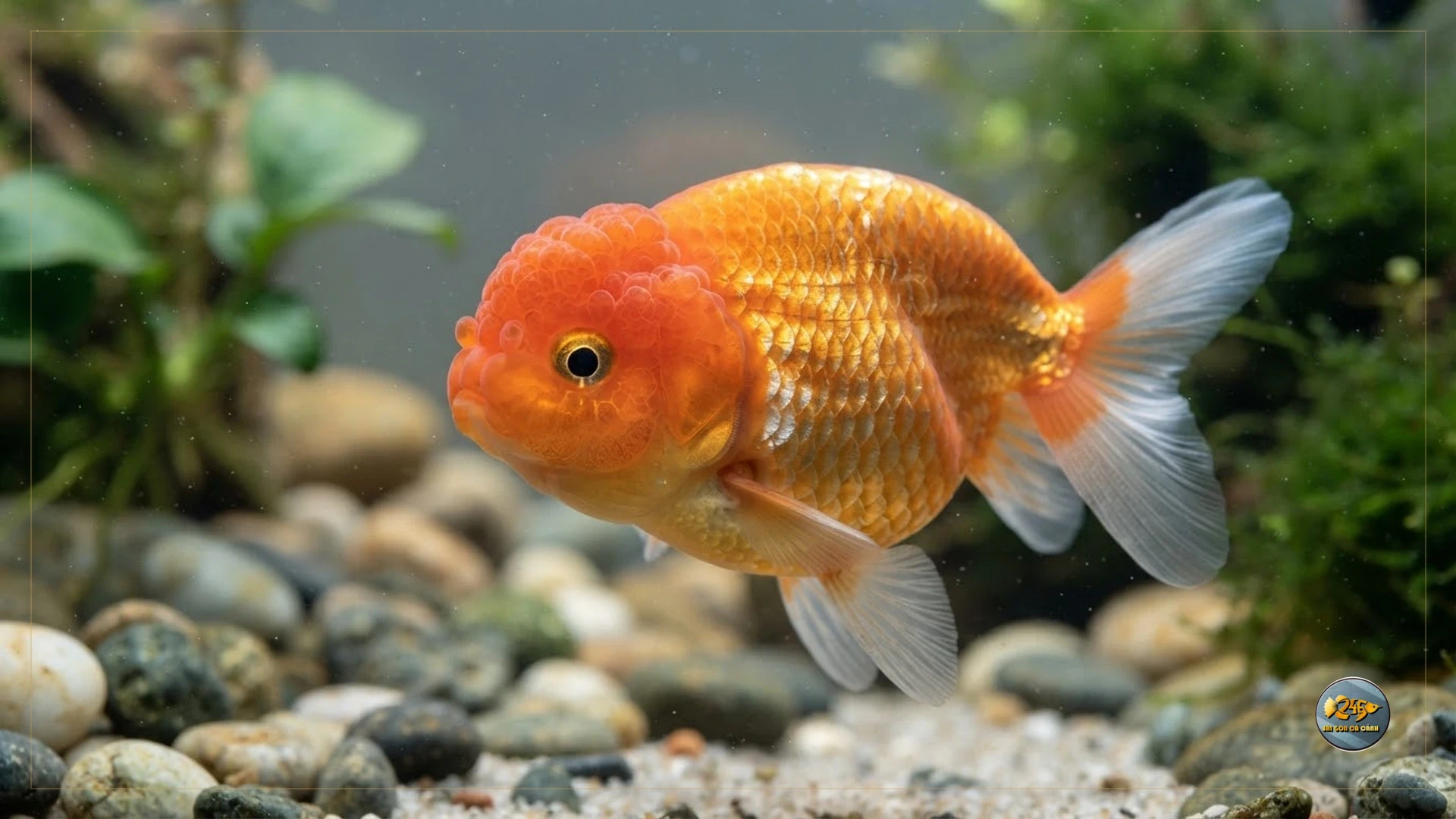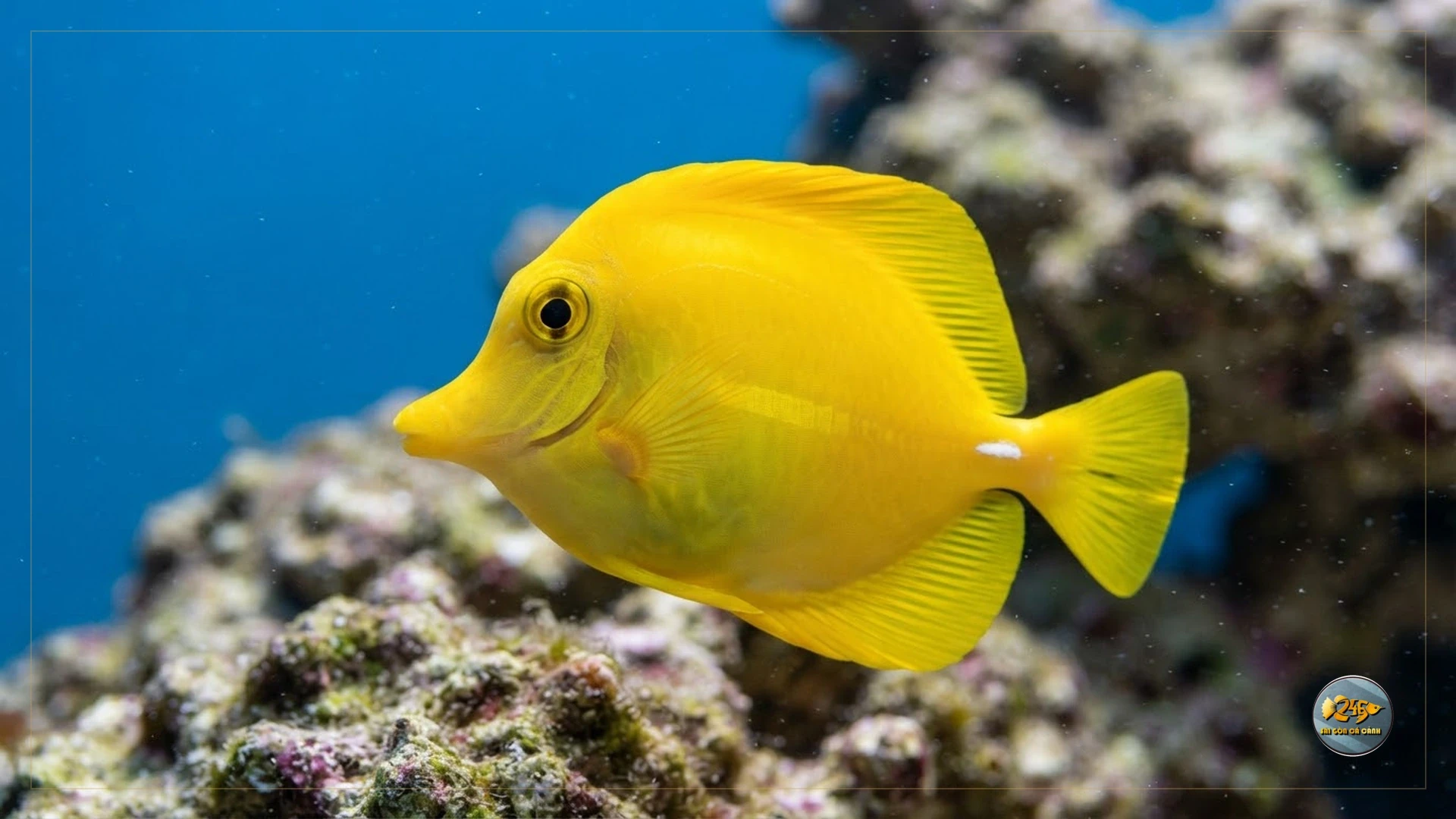
A clinical practice guide to Choosing Healthy Fish for Discus tailored to Discus (Symphysodon aequifasciatus): morphological standards, step-by-step protocol (1–2–3–4–5), quantitative quarantine parameters, and biosecurity safeguards.
1. Morphological & Physiological Standards When Selecting Healthy Discus
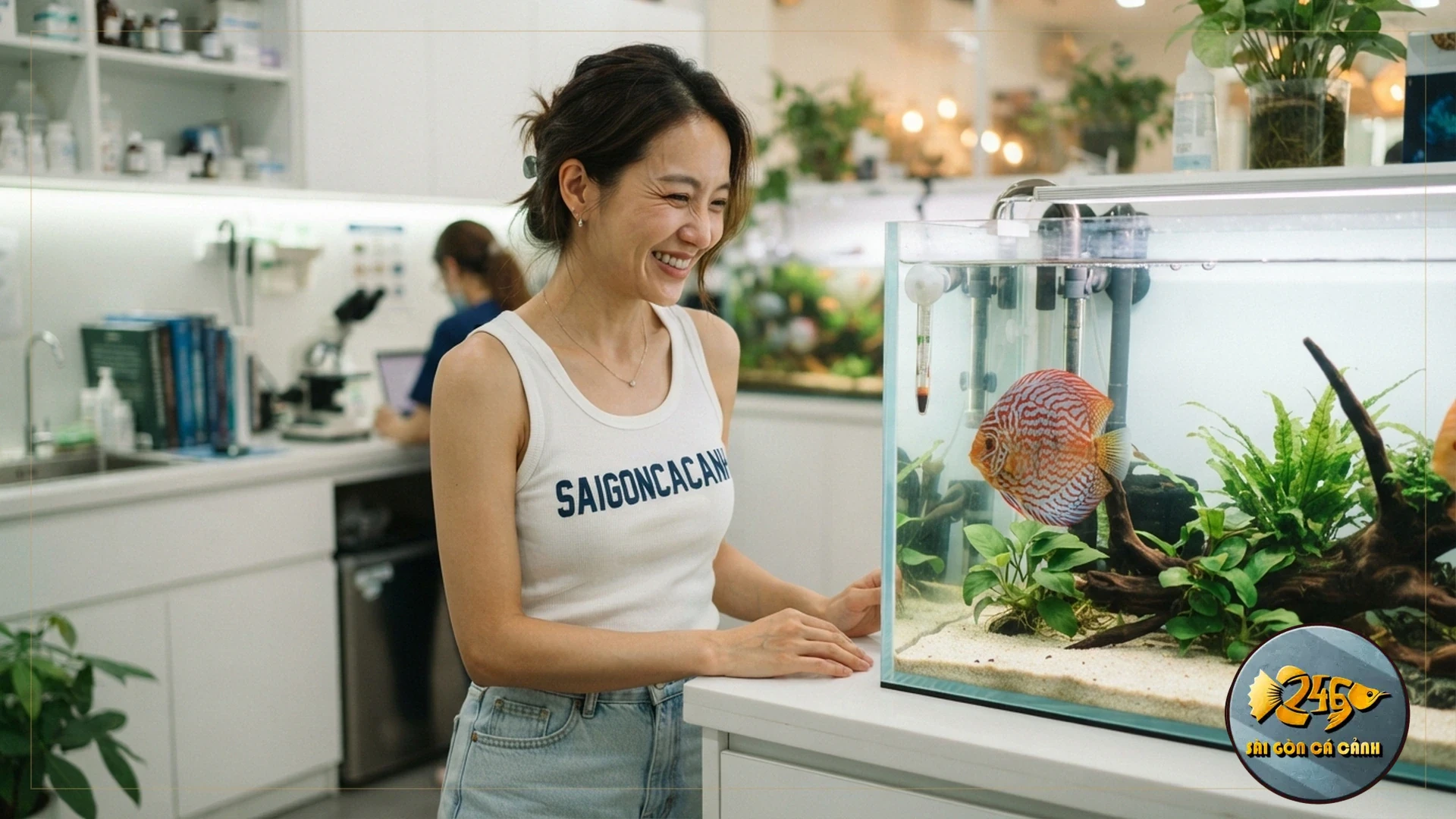
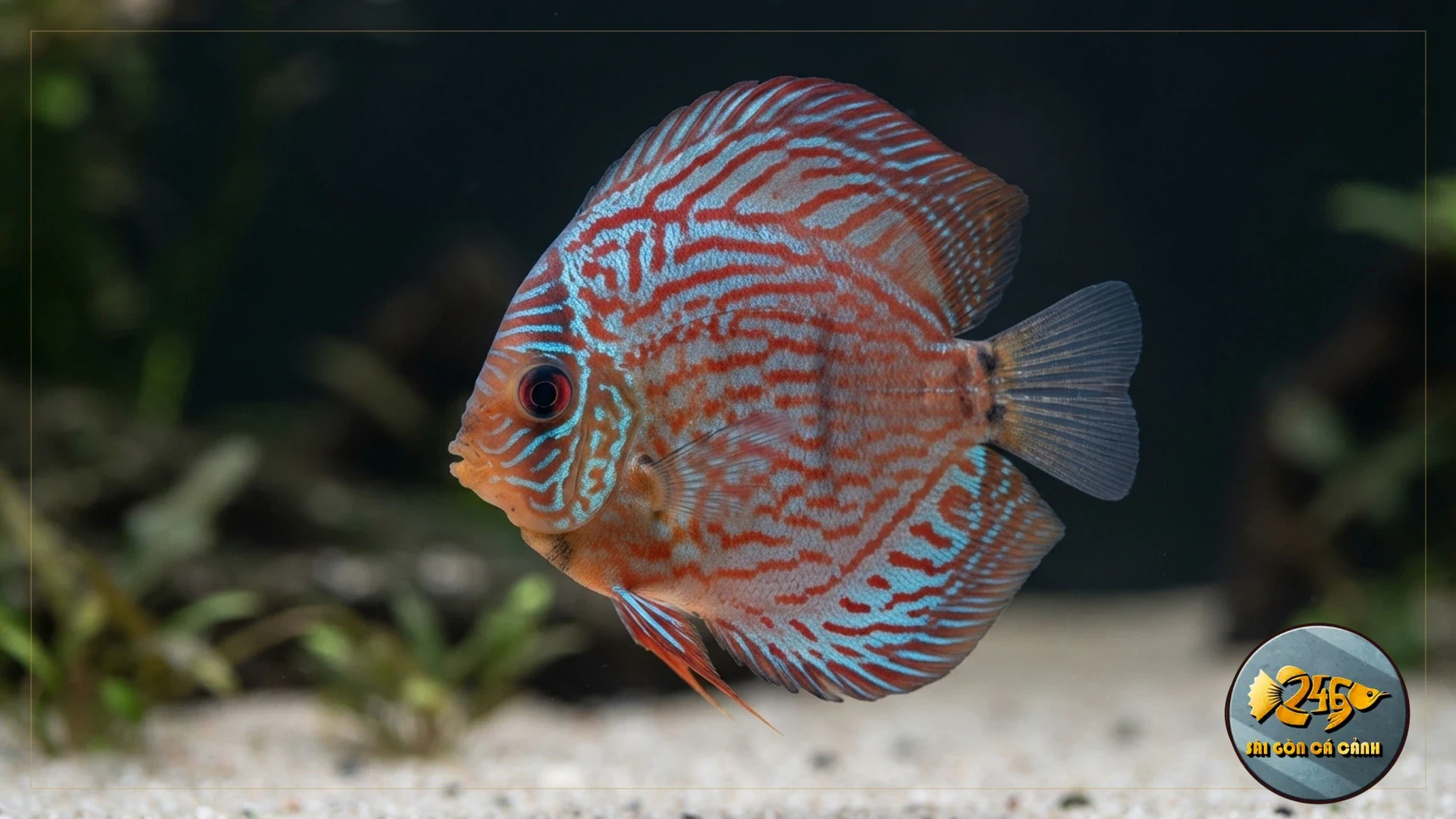
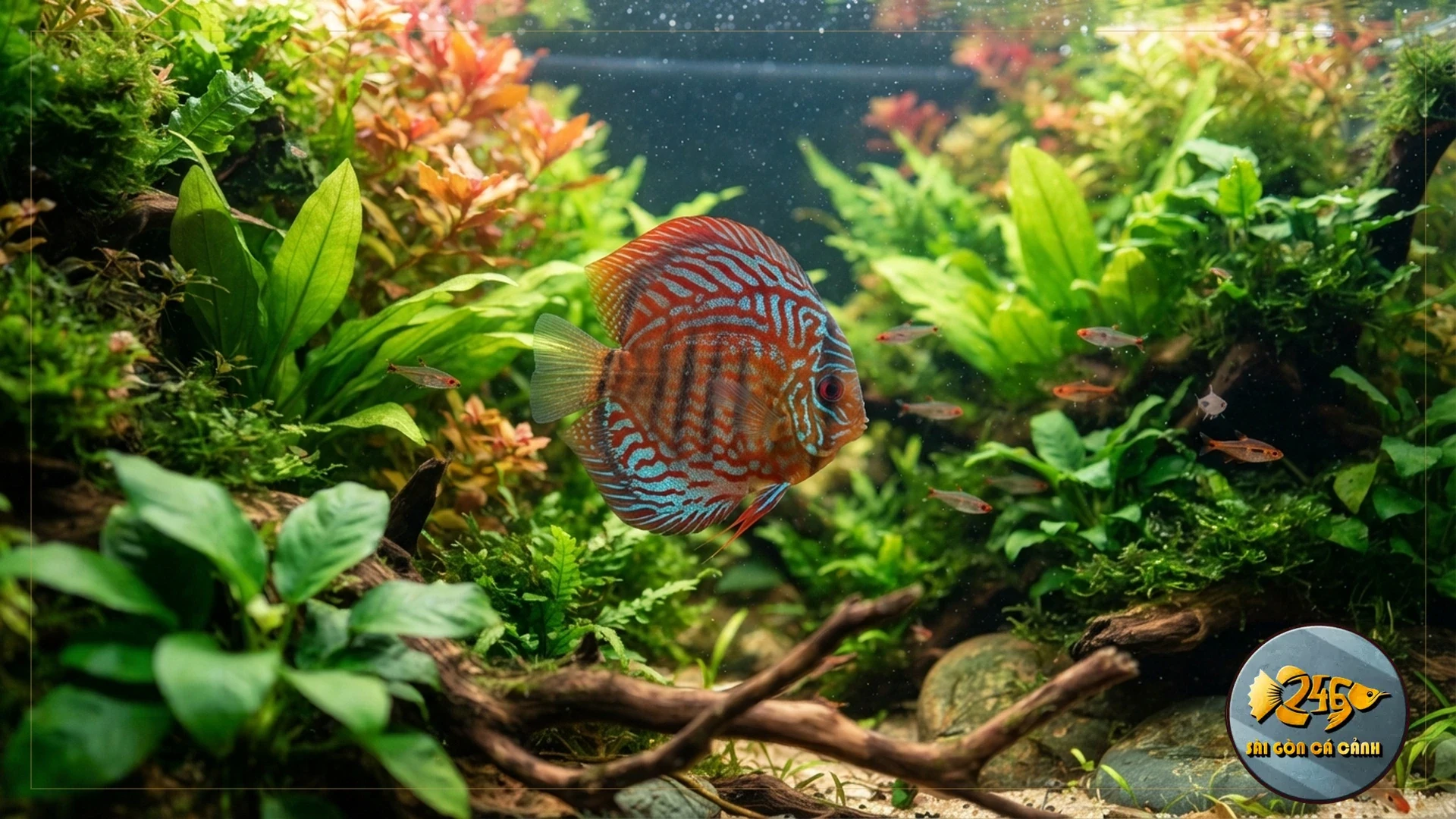
Starting with healthy fish removes most disease risk. For Discus (Symphysodon aequifasciatus), rigorous pre-purchase screening at the store is the single most effective biosecurity barrier against introducing external parasites, internal nematodes, and viral pathogens into your main display aquarium. A clinically healthy Discus must exhibit species-true conformation: Perfectly round disc profile including dorsal and anal fins, thick forehead without “knife-back” wasting, and bright red/amber eyes small relative to head size (1:6–1:7 eye-to-head ratio).
In terms of neurological alertness and locomotion: Check skin tone and faeces: healthy Discus display bright body colour (never darkened and huddled in corners) and pass dark firm faeces rather than stringy white casts. The store holding system should be maintained within 28–31°C in freshwater (6.0–6.8, hardness 2–8 dGH, TDS 80–180 ppm), with crystal-clear water free of persistent surface foam or ammonia odour.
2. Four-Step In-Store Clinical Screening Protocol for Discus
- Assess swimming posture & fin carriage (Fish swim evenly with spread fins): Step back 1–1.5 m and observe for 3–5 minutes. Choose individuals swimming actively in the natural water zone of Discus with erect dorsal fins and rhythmic pectoral movement, never clamping fins or shimmying in place.
- Inspect skin, scales, eyes & gill ventilation (No spots or ulcers): Examine under angled white light to rule out 0.5–1 mm white spots, velvety gold-grey sheen, red hemorrhagic streaks at fin bases, or cranial sensory pits. Both gill covers must beat symmetrically at 60–80 breaths/min with bright pink filaments.
- Audit whole-tank biosecurity (No dead fish in the sales tank): Never purchase from any aquarium containing dead or moribund fish, bottom-gasping specimens, heavy medicinal dye, or fish flashing against decor — free-swimming infective stages in shared water will cross-infect asymptomatic fish.
- Verify water parameters, diet & quarantine history (Ask about origin and quarantine history): Confirm arrival date (favour stock settled for 7–14 days), ask for the store tank’s pH, temperature, and salinity/TDS, and witness the fish actively eating before purchase.
3. Drip Acclimation & 14–28 Day Quarantine Tank Setup
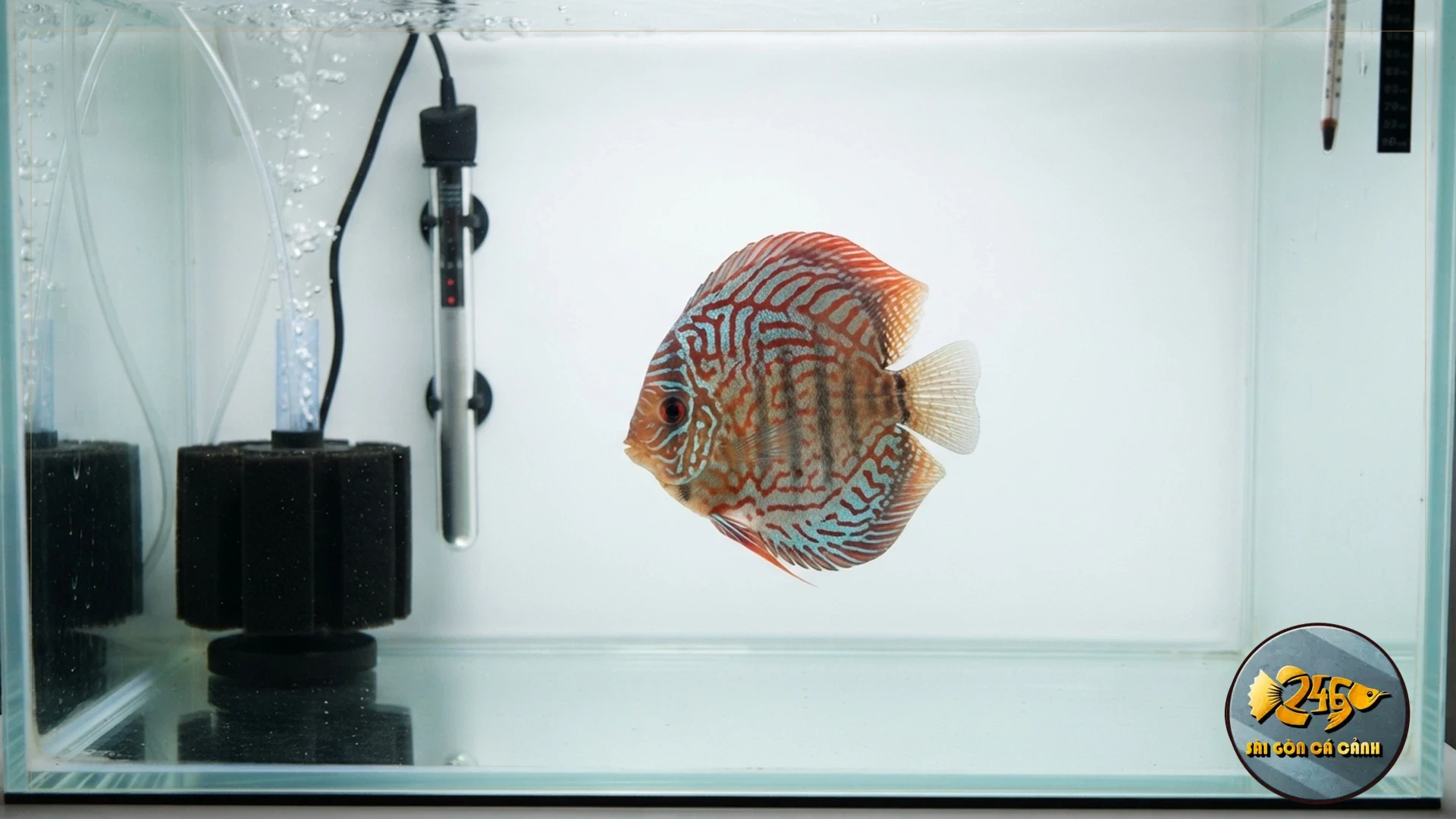
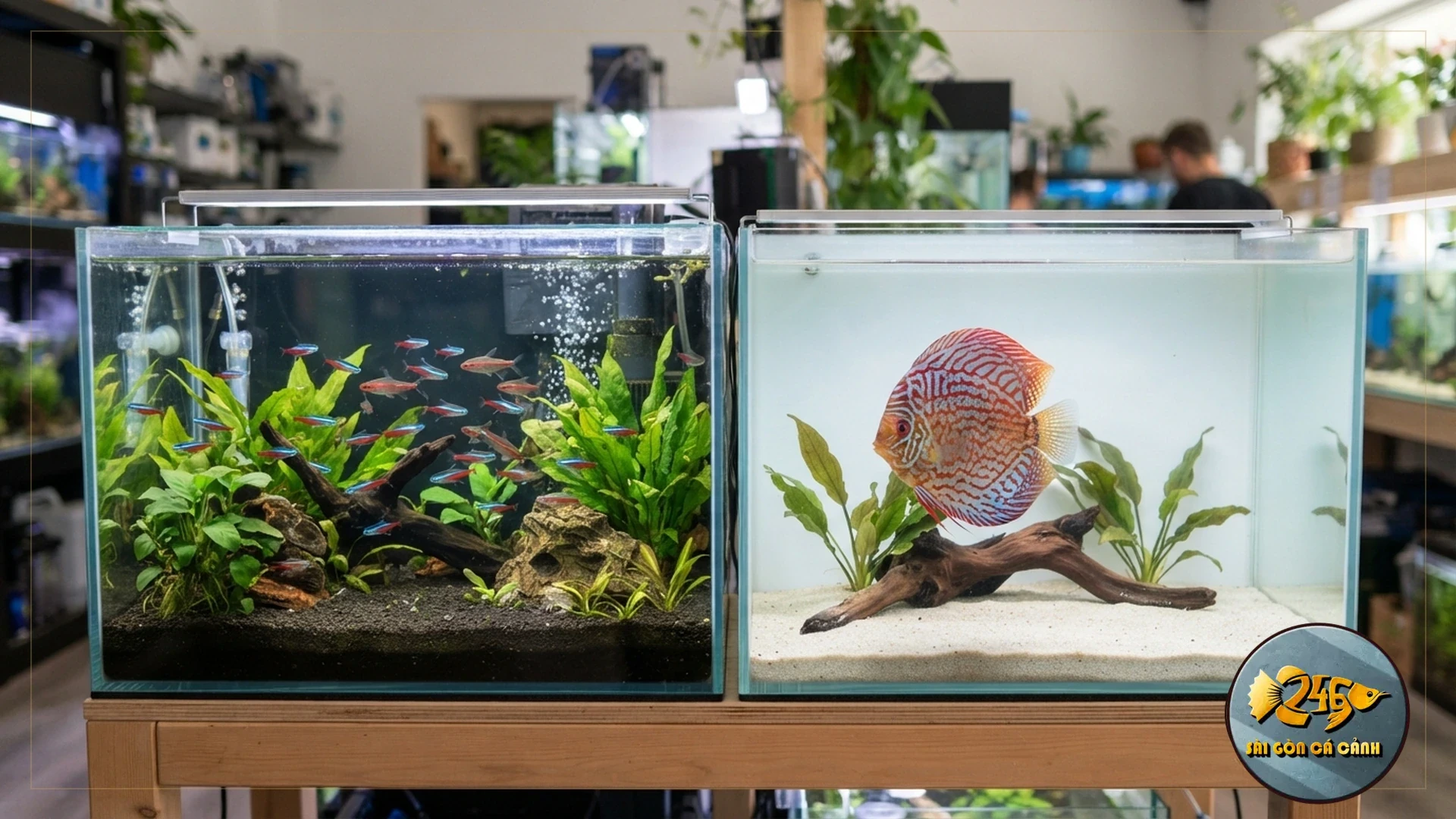
Even when a Discus appears 100% healthy in the store, every new specimen must undergo controlled drip acclimation followed by 14–28 days of isolated quarantine observation (28–42 days for marine species) before entering the main display:
⚠️ Test ammonia/nitrite daily because medications can kill the biofilter.
4. Red-Flag Clinical Signs to Reject Immediately in Discus
- Acute respiratory distress: Continuous surface piping at the airstone, unilateral gill clamping (classic sign of Dactylogyrus gill flukes), or tachypnoea exceeding 100 opercular beats/min.
- Gastrointestinal & systemic wasting: Concave “knife-back” abdomen (chronic starvation, mycobacteriosis, or capillariasis), pinecone scale protrusion (Dropsy / renal failure), or trailing white mucoid faeces (Hexamita/Spironucleus).
- Neurological & swim-bladder dysfunction: Whirling, listing on the substrate, vertical head-standing, or inability to maintain neutral buoyancy at rest.
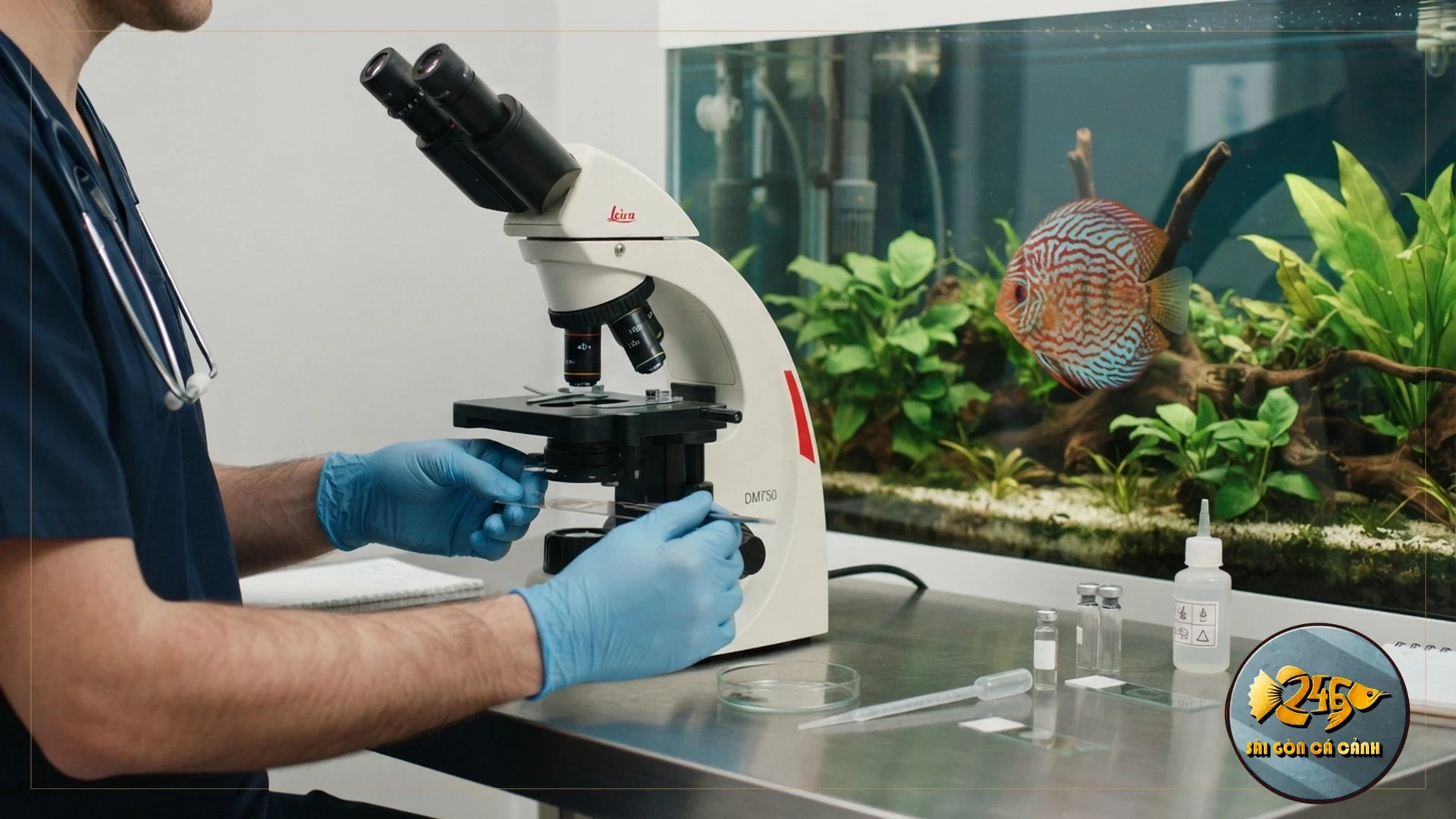
5. 14-Day Post-Purchase Quarantine Monitoring Schedule for Discus
- Day 01 (Arrival & Drip Acclimation): Float the sealed transport bag for 15–20 minutes to match temperature (28–31°C), then drip-acclimate over 30–45 minutes to match pH (6.0–6.8) and TDS before gently transferring the fish by net (always discard store bag water). Keep aquarium lights dimmed for 12–24 hours and withhold food on Day 1.
- Days 02–05 (Feeding & Faecal Inspection): Offer small meals at 30–50% normal ration, verify dark firm faeces, and test NH3 = 0.00 mg/L and NO2- = 0.00 mg/L daily.
- Days 06–14 (Latent Pathogen Screening): Inspect skin, fins, and gill rhythm twice daily. Only graduate Discus to the display tank after 14 consecutive symptom-free days.
6. Notes Specific to Discus
Species Physiology & Sensitivity Notes for Discus: Sensitive to nitrate and water swings; a bare-bottom hospital tank makes hygiene control easier. Healthy morphological baseline: Perfectly round disc profile including dorsal and anal fins, thick forehead without “knife-back” wasting, and bright red/amber eyes small relative to head size (1:6–1:7 eye-to-head ratio). Optimal water parameters: temperature 28–31°C, pH 6.0–6.8, hardness 2–8 dGH, TDS 80–180 ppm.
7. Medication Safety Principles
- Test the dose on 1–2 fish first and observe for 2–4 hours before treating the group.
- Remove activated carbon, switch off UV sterilisers and move invertebrates out of the treatment tank.
- Do not combine several medications without professional guidance.
- Dose by the true water volume (minus substrate, rock and wood), not the nominal tank size.
- If there is no improvement after one course, contact an aquatic veterinarian for microscopy and sensitivity testing.
8. Frequently Asked Questions
Observe the fish for 3–5 minutes: Perfectly round disc profile including dorsal and anal fins, thick forehead without “knife-back” wasting, and bright red/amber eyes small relative to head size (1:6–1:7 eye-to-head ratio). Check skin tone and faeces: healthy Discus display bright body colour (never darkened and huddled in corners) and pass dark firm faeces rather than stringy white casts. Never purchase from any sales tank containing dead fish, clamped-fin specimens, or cloudy medicated water.
Yes — quarantine for 14–28 days in a dedicated hospital tank (28–31°C, pH 6.0–6.8, NH3 = 0.00 mg/L, NO2- = 0.00 mg/L) because incubating parasites and viruses are often asymptomatic in the store.
Float the sealed bag for 15–20 minutes to match temperature, drip-acclimate for 30–45 minutes to equalise pH and TDS, and gently net the fish into the quarantine tank while discarding all store water.
9. References
- Noga, E. J. (2010). Fish Disease: Diagnosis and Treatment (2nd ed.). Wiley-Blackwell.
- Wildgoose, W. H. (Ed.). (2001). BSAVA Manual of Ornamental Fish (2nd ed.). British Small Animal Veterinary Association.
- Roberts, H. E. (Ed.). (2009). Fundamentals of Ornamental Fish Health. Wiley-Blackwell.
- WOAH / OIE (2023). Manual of Diagnostic Tests for Aquatic Animals. World Organisation for Animal Health.
- Yanong, R. P. E. — UF/IFAS Extension Circulars FA-7, FA-13, FA-14, FA-28 (University of Florida).